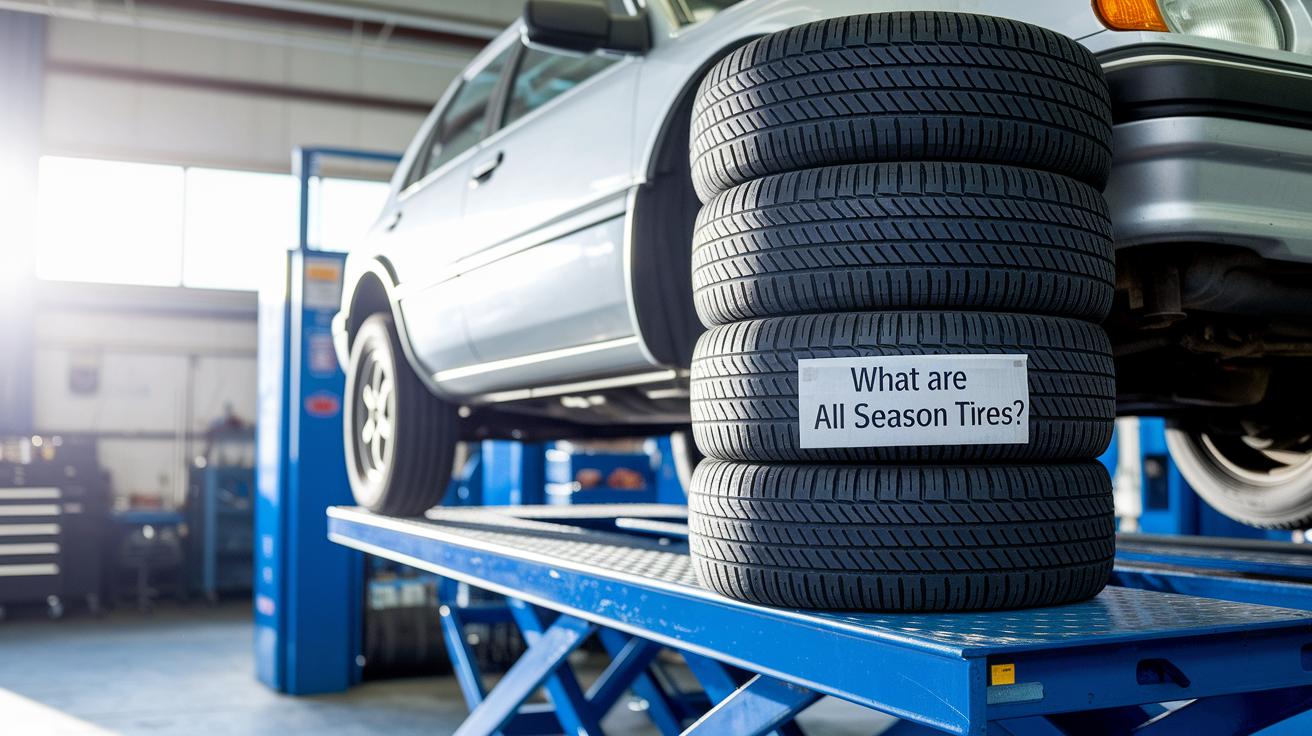


Ever wonder if one tire set could handle every season? All-season tires bring together the best of both worlds by combining summer performance with winter safety. They use a special type of rubber that stays soft when it's cold and firm when it's warm. Plus, they have smart grooves that push water away and little cuts (siping) for extra grip, keeping you safe while helping you save time and money. They work great in areas with gentle winters and warm, sunny days, so they're a smart pick for everyday driving.
what are all season tires: A Smart Choice
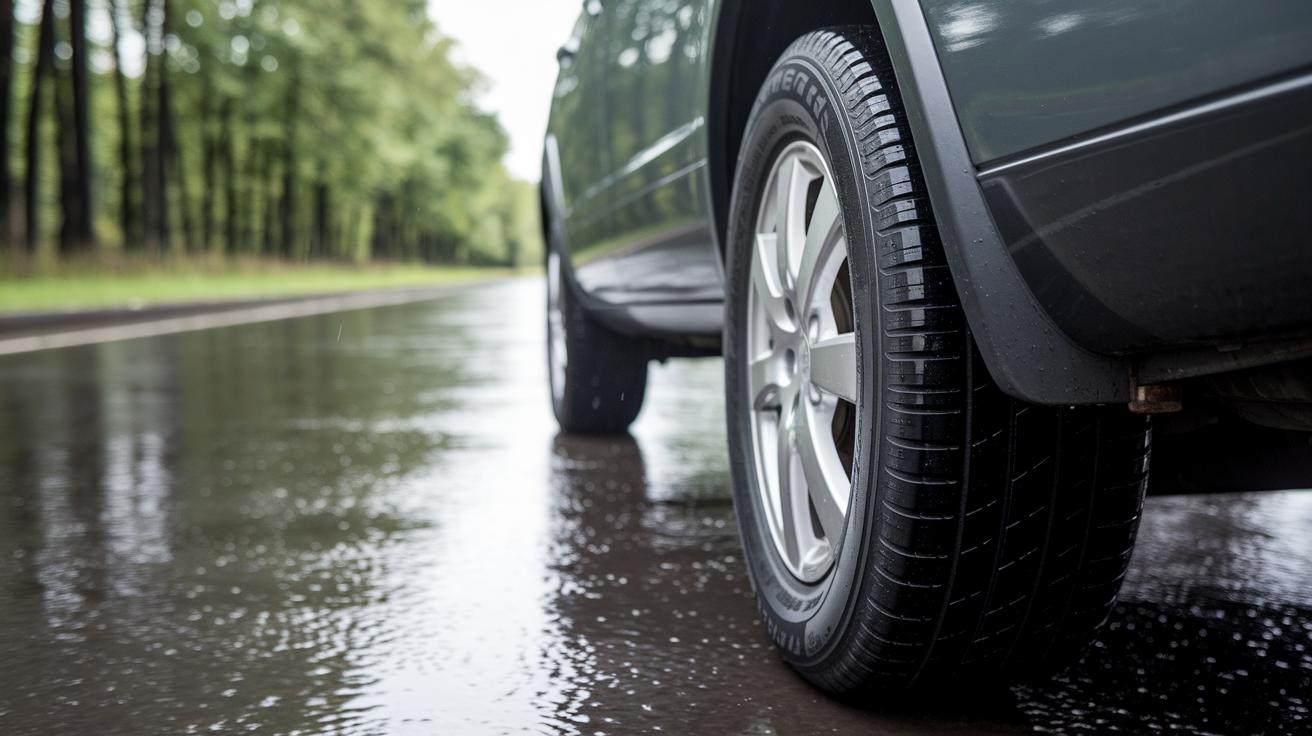
All-season tires mix the best parts of summer and winter tires into one handy set. They use a special rubber that stays soft in cold weather but holds up well during hot days. Think of them like a trusty pair of boots that work just as well on a brisk morning as they do on a warm afternoon.
The tread on these tires is smartly designed with grooves and little slits called siping (tiny cuts that help with grip). These grooves act like small channels that guide water away, which means less risk of hydroplaning on wet roads. Meanwhile, the siping gives the tire extra bite in light snow, even though they aren’t made for deep snow or icy roads.
If you’re in a place with mild winters and sunny summers, all-season tires can be a real lifesaver. Rather than changing your tires twice a year, you only need one set for the whole year, saving you both time and money. Just take a look at the tire sidewall for markings like M+S, which stands for Mud and Snow, or the 3PMSF mark that shows certified winter performance.
Many drivers love how one set of these tires can handle both a dewy morning and a warm afternoon effortlessly.
All-Season Tires vs. Summer and Winter Tires: Performance Comparison
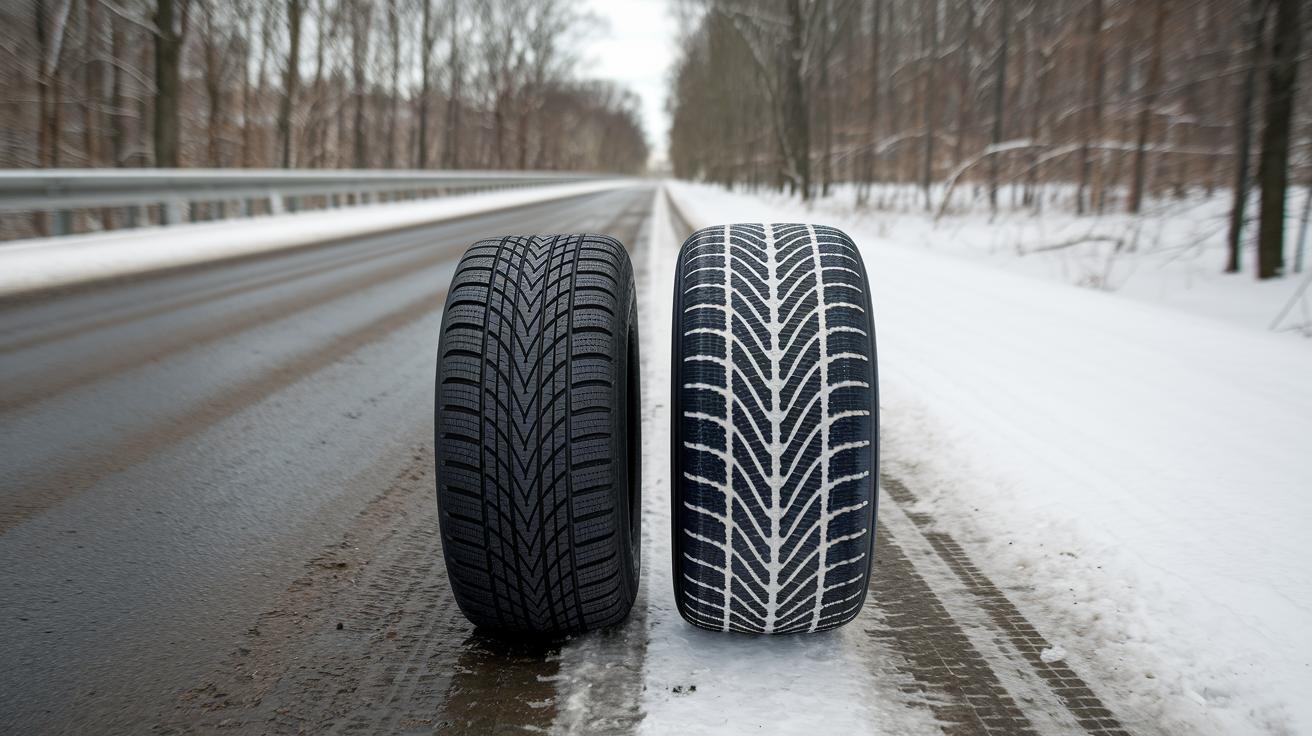
All-season tires use a special rubber blend that stays soft in cool weather and firm when it's warm. Think of it like wearing a comfy pair of sneakers that work pretty well in different conditions. Summer tires, on the other hand, are made with a stiffer rubber, kind of like rugged work boots, and they really shine on hot, dry roads.
Winter tires are built with a softer mix (which helps them grip better in freezing conditions) and include tiny slits called siping (small cuts that create extra grip on snow and ice). They stick to icy roads much better than all-season tires. When temperatures drop below 0 °C, all-season tires tend to harden, which can lead to less grip and longer stopping distances. It's a lot like trying to drive around on sneakers in frosty weather when you really need the sturdy grip of winter boots.
When the roads get wet, all-season tires have deep grooves and special channels that help push water away, reducing the chance of hydroplaning. Summer tires might give you great traction on dry roads, but they aren't built to handle slippery, wet, or snowy conditions very well.
In light snow, all-season tires can hold up thanks to their carefully designed tread patterns. But when things get really snowy or icy, even the best all-season options can’t compare to true winter tires. Each tire type is made for certain weather, so knowing what to expect can help you pick the right one and drive safely no matter what the weather brings.
All-Season Tire Technology: Advanced Tread Patterns and Rubber Compounds

Imagine your tires with deep grooves that work like little water slides. These channels quickly shunt water and slush away, lowering the risk of hydroplaning and helping to clear light snow. It’s like watching water race off your tire, keeping your grip reliable on wet roads.
These tires are made with a mix of rubber compounds (special blends that stay flexible) designed to perform well in temperatures from -10 °C to 40 °C. This means your tires keep their grip whether it's a cool morning or a warm afternoon.
The tread design is balanced with even blocks that stay in full contact with the road. This design not only makes your drive more stable but also uses noise reduction channels to keep the cabin quiet, imagine enjoying a calm ride where every drive feels relaxed.
Plus, they add in advanced silica-infused compounds (tiny particles that help the tire last longer and use fuel more efficiently). This clever mix gives you steady traction, saves on your running costs, and handles different weather conditions with ease.
Selecting All-Season Tires: Key Criteria and Top Brands
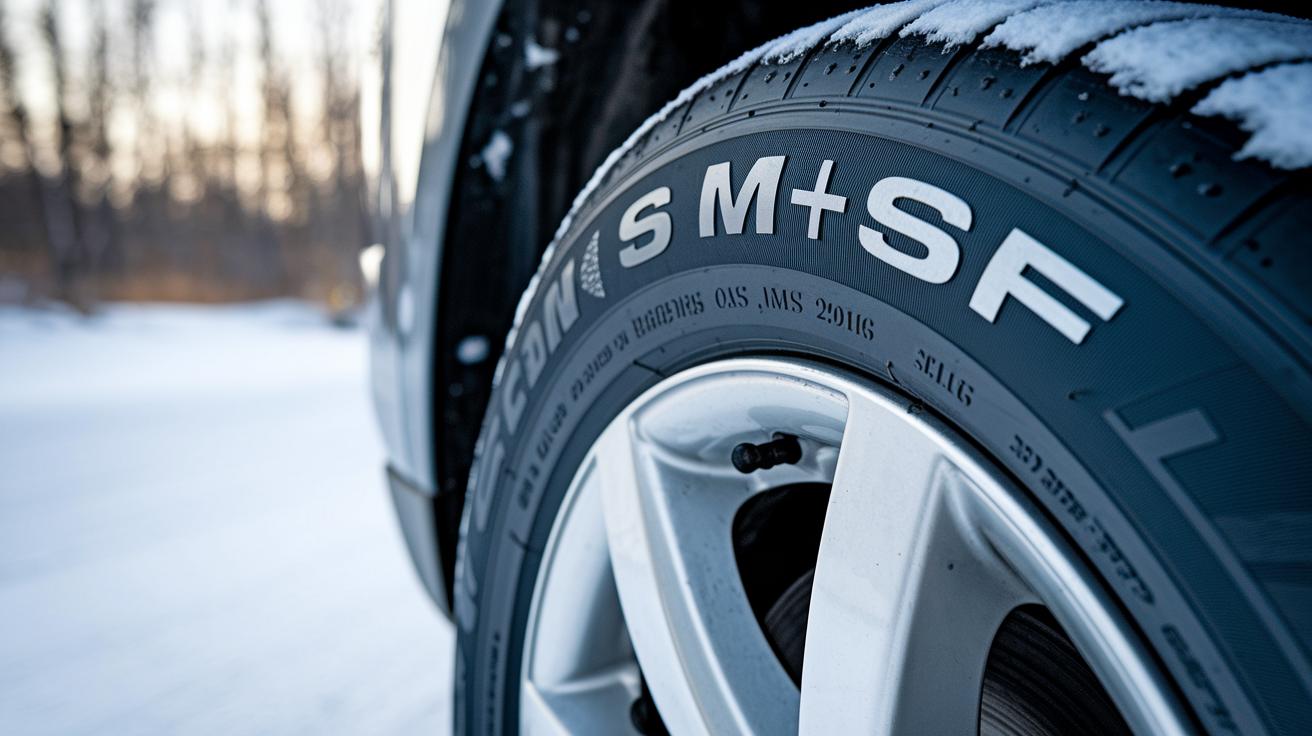
When you're shopping for all-season tires, a good first step is to check the sidewall markings. Look for M+S (which stands for mud and snow) and 3PMSF (a sign the tire can handle really tough winter conditions). It’s like having a little guide that tells you if your tire is right for a snowy day. Ever glance at a tire and wonder if it can handle light snow? These markings are there to help.
Next, think about your everyday drives. Whether it's the busy city streets, long highway trips, or those twisty mountain roads, each situation needs a tire with a different set of skills. It’s a bit like picking the right outfit for the weather, you want something that’s just right for where you’re headed.
Reviews and professional road tests can also be super helpful. They give you a peek into real-world performance by looking at things like how long the tire lasts, how well it brakes in wet conditions (wet braking), and even how noisy it might get. Trusted names like Michelin CrossClimate, Goodyear Assurance WeatherReady, Bridgestone Turanza QuietTrack, and Continental TrueContact have all earned their stripes for balanced grip throughout the year.
- Read tire codes to check for performance features.
- Match your tire choice to your usual driving routes.
- Look at reviews and road test results to see how they perform.
- Choose tires built for your vehicle type, be it an SUV, sedan, or truck, based on load index and speed ratings.
By keeping these simple checks in mind, you can pick tires that deliver steady performance no matter where the road takes you. Happy driving!
Maintaining All-Season Tires: Longevity and Upkeep Tips

Keeping your tires in great shape means a smoother ride and fewer surprises on the road. It’s a bit like giving your car a quick check-up before a long journey, so you don’t end up stranded when you least expect it.
Think of it this way: a little tire rotation can work wonders, much like a quick tune-up that keeps everything balanced. Have you ever noticed that a small effort today can prevent a big headache tomorrow? Consider this fun fact: before she became world famous, Marie Curie once carried test tubes of radioactive material in her pockets, not knowing the risks yet, much like how a simple tire check can uncover hidden problems before they cost you a fortune.
- Rotate your tires every 5,000–7,000 miles (the cost-saving benefits of proper tire rotation) so they wear evenly.
- Keep your tire pressure at about 32–35 PSI and give it a quick check each month.
- Check your tread depth (the grooves in your tire, usually it shouldn’t be less than 2/32") and look out for cuts, bulges, or signs of uneven wear.
- Get a pre-winter alignment check and a mid-summer look-over to catch any suspension or alignment issues early.
- Balance your tires when they’re installed and after any repair to help avoid vibrations and early wear.
Cost and Value Analysis for All-Season Tires
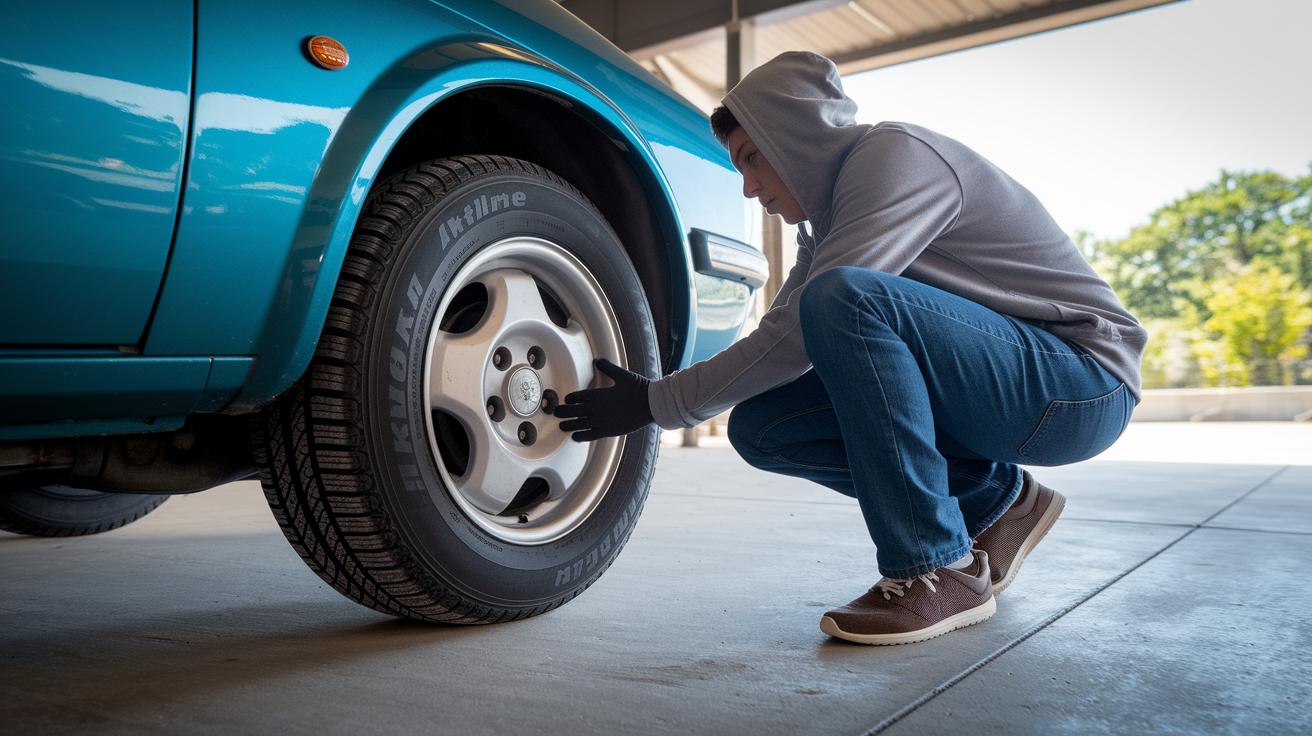
All-season tires help simplify your life. You don't have to buy or store different sets for each season. Using one set all year saves you money by cutting out fees for seasonal changes and extra upkeep. It’s an easy, smart way to keep your expenses steady so you can watch your tires perform without the headache of swapping them out.
Prices can be all over the map. If you're looking for a deal, budget tires run about $80 to $100 each and still deliver basic, solid performance with reliable warranties. Mid-tier tires usually go for between $100 and $150 and mix quality with durability nicely. And for those who want the best, premium tires cost roughly $150 to $200, offering extended warranties and top-notch performance.
Warranty is key here. Many of these tires cover you for anywhere between 40,000 and 80,000 miles. And don't just look at the initial price, think about the costs while you drive. Their design often cuts down on rolling resistance (how easily the tire turns), which might boost your gas mileage by 1 or 2 miles per gallon. Even a small nudge in fuel economy can drop your cost per mile. Check out the table below for a quick side-by-side look:
| Price Range | Warranty (miles) | Performance Rating | Operating Cost (¢/mile) |
|---|---|---|---|
| Budget ($80–$100) | 40,000 | Good | 8 |
| Mid-tier ($100–$150) | 60,000 | Very Good | 7 |
| Premium ($150–$200) | 80,000 | Excellent | 6 |
Final Words
In the action, we covered what are all season tires by breaking down their unique design and the benefits they offer in varied weather conditions. We compared them to summer and winter options, explored their advanced tread patterns and rubber blends, and provided clear tips on selecting and caring for these tires. You now have useful insights on how to balance safety, performance, and cost for smooth driving ahead. Enjoy the road with confidence and let quality guide your ride.
FAQ
What are all season tires made of?
The all season tires are made of a special rubber blend that stays flexible in cool weather and resists wear in warmth. They use targeted tread patterns to channel water and help lift light snow.
What are all season tires good for, including snow performance?
The all season tires are built for everyday driving in varied conditions. They work well on dry, wet, and light snowy roads, though they aren’t ideal for heavy snow or icy surfaces.
How do all season tires compare to all-terrain tires?
The all season tires focus on smooth, on-road performance with balanced grip in different weather. All-terrain tires, however, have a more rugged tread suited for off-road use and rougher conditions.
What are all season tires also called?
The all season tires are also known as year‑round tires, a name that points to their ability to handle a mix of weather conditions without seasonal changes.
What are the pros and cons of all season tires?
The all season tires offer convenience by eliminating seasonal swaps and provide balanced performance. Their drawback is that they underperform in extreme climates, such as heavy snow or very hot weather.
Should I choose all-weather or all season tires, and what’s the difference?
The all-weather tires usually have a winter certification for better icy traction, while all season tires deliver balanced performance in moderate climates. Your choice depends on how severe your winters are.
Can I use all season tires in winter?
The all season tires work for winter driving when there’s light snow or slush, but they may not give optimal grip on deep snow or icy, fast-changing roads.
What is the main disadvantage of all season tires?
Their main disadvantage is reduced performance in very extreme weather. They tend to harden in severe cold, resulting in less grip on heavy snow or icy roads.
How long does an all season tire last?
All season tires typically last between 40,000 and 80,000 miles. Their durability depends on your driving habits, regular maintenance, and the road conditions you encounter.

