


Ever wondered if your tires can handle all kinds of weather? We recently got busy testing all season tires on wet roads, snowy patches, and dry tracks. We spent three whole years gathering real-world info, checking things like how well they stop (braking power) and how fast they wear out (overall wear).
This guide is here to give you a clear, honest look at how each tire performs for everyday driving. You'll see which ones stood out in safety, grip, and value. Stick around and find the perfect tire to keep your ride smooth and secure.
Top Picks in All Season Tires Reviews & Unbiased Buying Guide
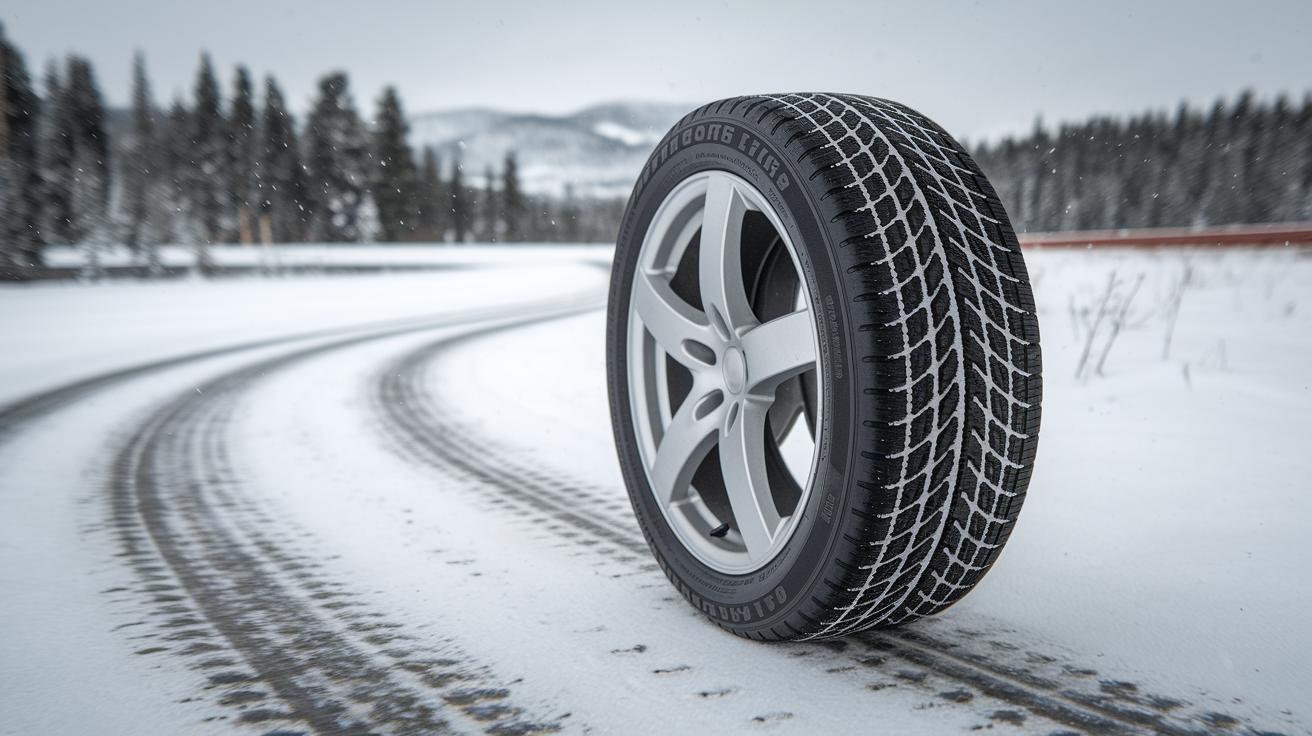
We put these tires through their paces on wet braking, snowy and icy roads, dry tracks, and overall wear (which tells you how fast the tread wears out). We gathered real-world data over three years, making sure we covered everyday driving and more challenging weather. Just imagine how a tire that brakes well on wet roads can be a lifesaver during a sudden downpour.
Our tests focused on steady performance, safety, and great value. We watched lap times, checked braking efficiency, and measured tread durability. We combined lab results with real convoy tests to keep things fair. Picture a tire that handles slick, rainy roads while keeping wear to a minimum!
| Tire Model | Key Performance Highlights | Overall Ranking |
|---|---|---|
| Continental AllSeasonContact 2 | Wet braking, snow, ice, low wear, value, low rolling resistance | 1 |
| Bridgestone Turanza All Season 6 | Steady dry performance, agile handling, slightly lower snow results | 2 |
| Pirelli Cinturato All Season SF3 | Best dry braking, fastest lap times, excellent wet performance, low noise | 3 |
| Michelin CrossClimate 2 | Good dry grip, high aquaplaning resistance, best snow performance, lowest noise | 4 |
| Dunlop Sport All Season Extended | Extended braking distances, lowest ice grip, higher wear | 5 |
Each top pick shows clear strengths and trade-offs. Continental stands out for its balanced performance in wet, snowy, and icy weather. Bridgestone and Pirelli each bring something special with their agile handling and super quick dry braking. Michelin shines in winter with low noise and steady performance, while Dunlop could use a bit of work on braking and grip on ice. This honest guide is here to help you pick the tire that fits your needs all year round.
All Season Tire Performance Reviews: Wet, Dry, Snow & Ice Handling

We ran tests in different weather so you can see how each tire handles everyday driving and sudden weather changes. We checked how fast tires brake on wet roads, how sharp they steer on dry surfaces, how well they grip in snow, and how much traction they get on icy roads. It’s a bit like testing a car’s headlights when it’s dark and then checking its turn signals on a sunny day. These details help you choose the best tire for your everyday adventures.
Wet Conditions
When the roads are wet, stopping safely and not slipping are key. Tires like the Pirelli WeatherActive stopped fast and fought off skidding well. Imagine driving in a sudden heavy rain, a tire that holds on tight can really make a difference when you need to slow down.
Dry Conditions
On dry roads, it’s all about fast stops and quick steering. The Pirelli SF3, for example, clocked the fastest lap times and handled lane changes with ease. This means you’ll feel secure and in control no matter where the road takes you.
Snow Traction
In snowy weather, the design of the tire’s tread is crucial. Directional treads usually get you better grip, and most tires did well in our tests. However, the Dunlop tire, which has a non-directional symmetric tread, lagged behind with slower lap times and less steady handling on snow.
Ice Performance
On icy roads, grip is everything. Pirelli led the pack with the best ice grip, Continental wasn’t far behind, and the budget-friendly Fronway held its own for its price.
- Tires should stop well on wet roads without sliding.
- Quick stops and neat steering on dry surfaces boost confidence.
- The design of the tread really matters when driving in snow.
- Strong grip on ice can set a tire apart in harsh winter conditions.
Long-Term All Season Durability & Tire Wear Reviews
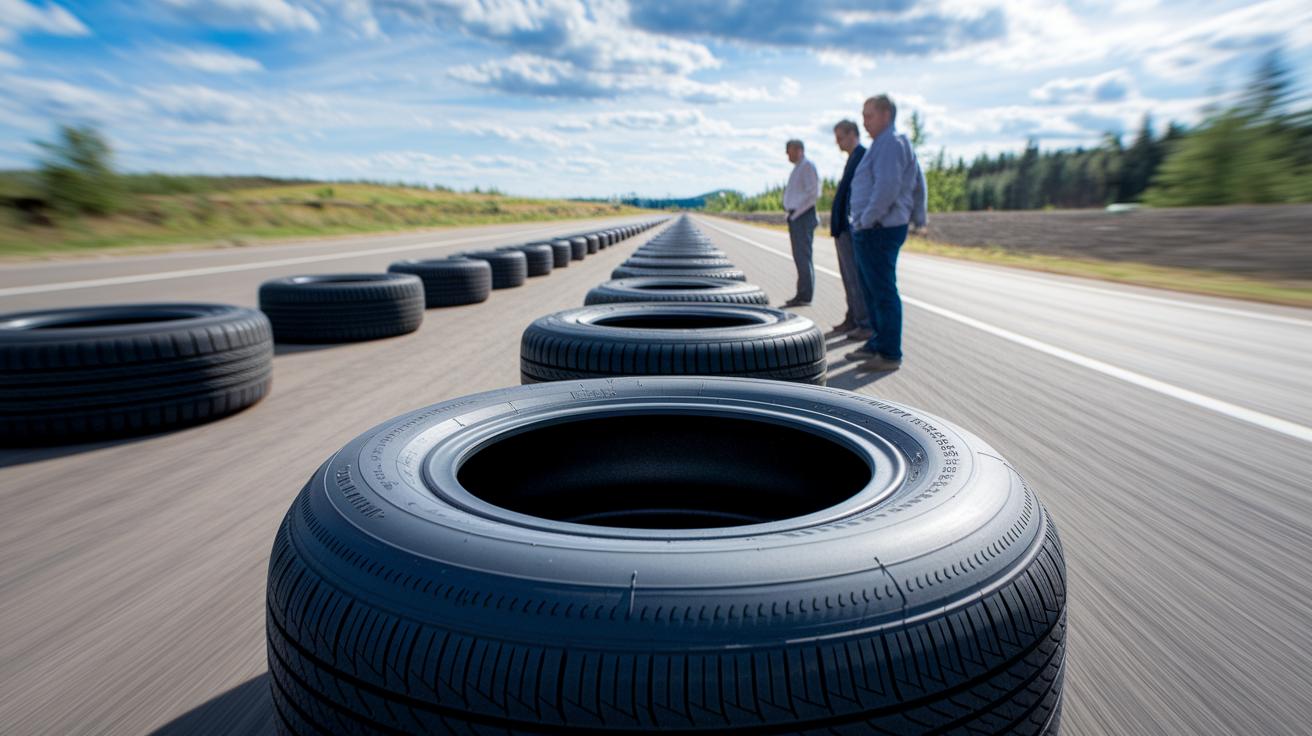
We put these tires to the test on real roads, not in a lab. It’s like comparing your daily drive with a fun race track run. This way, you can really see which tire stands up to the test of time.
The Continental AllSeasonContact 2 really stood out for us. It showed very little wear and has low rolling resistance (which means it uses less energy when you drive). Then there’s the Pirelli Cinturato WeatherActive. It comes with a 6-year/60,000-mile treadlife warranty that tells you it’s built to last. The Michelin CrossClimate 2 also does a good job keeping wear to a minimum, thanks to its low rolling resistance. On the other hand, the Dunlop Sport All Season Extended wore out faster, so you might have to get a new set sooner.
Keeping your tires in great shape isn’t just about picking the right model. It’s also about looking after them. Check your tire pressure every month, rotate them often, and keep an eye out for uneven wear. These simple habits will help your tires last longer and give you a safer, smoother ride.
All Season SUV, Sedan & Compact Tire Reviews Compared
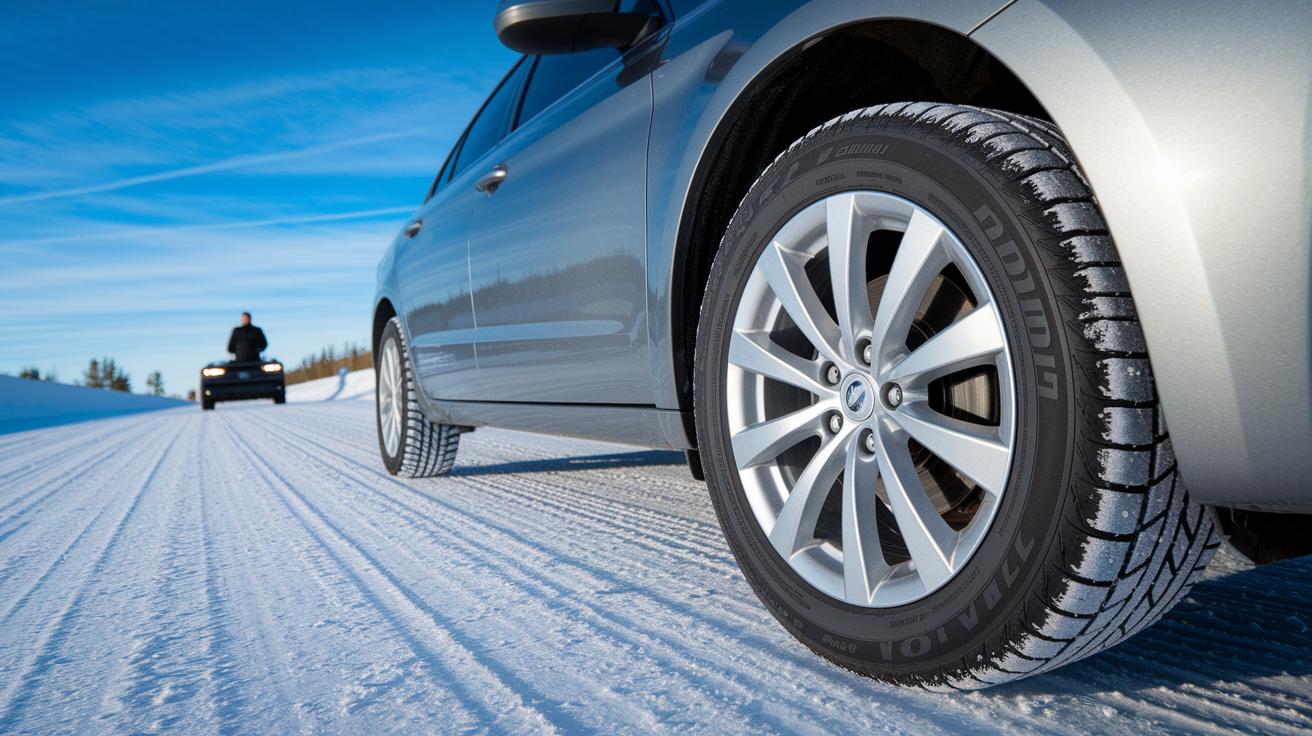
When you pick tires, you want the ones that match your car and how you drive. Sedans, SUVs, and compact cars each need their own kind of tire to perform well on wet, dry, snowy, or icy roads.
For sedans, comfort and good grip are crucial. For example, Consumer Reports loves the Nokian Tyres Remedy WRG5, which costs about $194.53. This tire has great grip in cold, snowy conditions and offers a smooth ride when winter hits. Then, there’s the Vredestein Quatrac Pro+. Priced at around $144 per tire, it works well in all kinds of weather, making it a smart pick if you want both good performance and value. Ever feel more at ease knowing your tires won’t let you down, no matter the weather?
SUV drivers need tires that can handle extra weight and still keep the ride smooth. The Michelin CrossClimate 2 is a favorite here. Built with over a century of know-how, it offers a balanced ride whether you’re cruising through city streets or driving in heavy rain. It’s like having a tire that gets the extra demands of an SUV, giving you steady handling and peace of mind.
For compact cars, smooth handling and easy maneuverability are top priorities. The Vredestein Quatrac Pro+ pops up again as a great, budget-friendly choice, especially in busy city conditions where quick responses matter. Plus, tires like the Continental TerrainContact H/T and Nexen Roadian HTX2 also make solid choices when you need something a bit extra for those urban adventures.
Matching your tire to your car’s needs really makes every drive feel smooth and controlled.
All Season Tire Feature Breakdown: Speed Ratings, Load Index & Tread Design Reviews
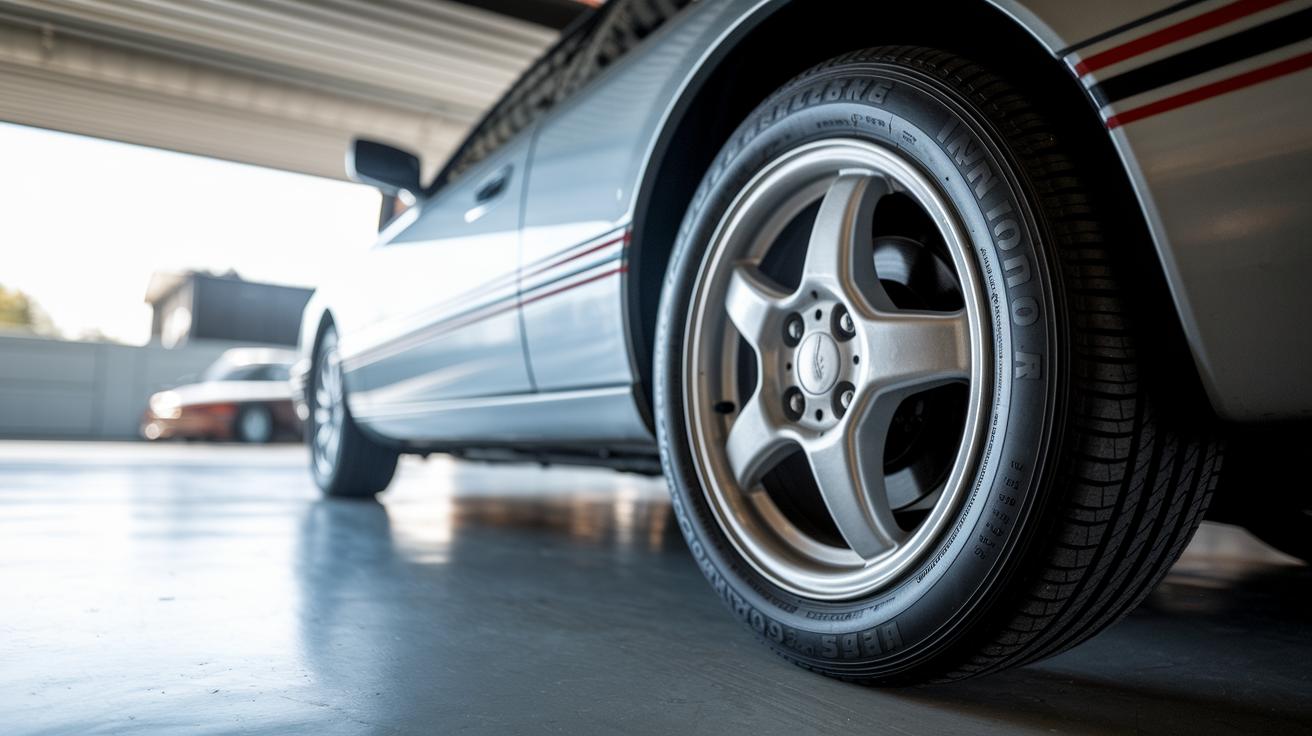
Knowing your tire specs is super important. These numbers help you pick the right tire for your driving, balancing safety, performance, and efficiency. In simple terms, understanding speed ratings, load index, and tread design shows you how a tire will perform in different situations.
Speed Rating Explained
Speed ratings tell you the highest speed a tire can handle safely. In everyday driving, think of them as a hint on how a tire reacts during quick stops or sharp turns. For example, a tire with a higher speed rating often gives a firmer grip on dry roads.
Load Index Explained
The load index shows the heaviest weight a tire can carry. Choosing the right load index means you'll have a tire that holds up well, even when your car is fully loaded. This is especially important if you're carrying extra cargo or passengers, as it helps keep your ride safe during sudden maneuvers like quick lane changes or hard braking.
Tread Design Considerations
Tread design plays a big role, especially when the weather turns snowy. Directional treads, for example, typically offer better grip on snow compared to symmetric ones. In our tests, Dunlop’s symmetric design didn’t perform as well during the winter months. For more details on how tread design affects snow performance, check out the science behind innovative tire tread designs at tityres.com.
When you combine these specs, you get a clearer picture of what you need. A tire with a strong speed rating and load index works well on dry and wet roads, while a smart tread pattern helps you stay safe on snowy routes. Plus, consider the rubber compound, a method used by Michelin reduces rolling resistance, which helps minimize wear while keeping a good grip on wet surfaces. This complete view makes it easier to pick a tire that offers both safety and performance, no matter where the road takes you.
Cost vs. Performance: Affordable and Premium All Season Tire Evaluations
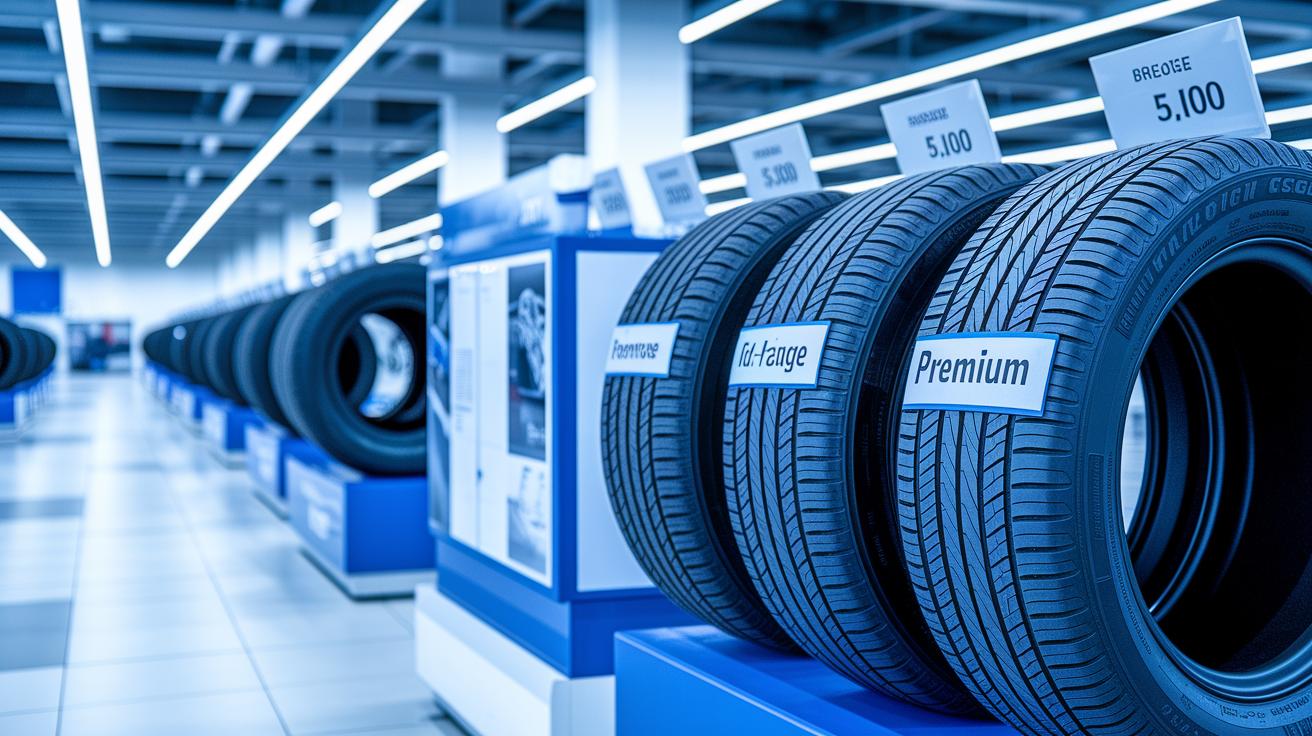
When you shop for all-season tires, you'll find prices that range from super budget-friendly options to high-end models that promise extra lasting power and performance. Some drivers want to spend less initially, while others prefer paying a bit more for great warranties and lower wear (how fast a tire's surface wears down).
Take the Fronway Fronwing AS, for example. This tire is a low-cost pick for those keeping a close eye on expenses. It works well enough, though its grip on wet roads is not the strongest, so it's best in gentle rain rather than heavy downpours.
In the middle range, the Vredestein Quatrac Pro+ stands out by offering good performance for about $144 per tire. It gives you reliable traction and smooth performance without costing a fortune. If you're after a bit more, the Nokian Remedy WRG5, at around $194.53, gets extra points for winter grip and a solid warranty that helps in tougher weather.
On the premium side, the Continental AllSeasonContact 2 shines with top performance and little wear. Drivers opting for these tires are rewarded with better safety and reliability, no matter the weather conditions.
Finally, consider the Pirelli Cinturato WeatherActive. It might cost more at first, but it comes with a 6-year/60,000-mile warranty. That extra assurance means your tires can go the distance, offering dependable performance across all seasons.
Final Words
In the action, we rolled through top picks, unbiased testing methods, and real-world ratings based on wet grip, dry handling, snow traction, and tire durability. We also checked out vehicle-specific reviews and compared pricing, warranty, and overall performance to help guide your choice. These all season tires reviews show how each model stands up in practical tests and everyday driving. A careful look at these insights gives you the confidence to choose tires that keep you safe and ready for the road ahead.
FAQ
What do consumer reports highlight in all season tire reviews?
Consumer reports underscore tire performance in wet, dry, and snowy conditions, along with long-term durability. They compare top models like Michelin, Pirelli, and Continental to help drivers make informed choices.
Which options offer the best all season tires for SUVs and for snowy conditions?
Reviews show that all season tires for SUVs and snowy roads combine grip and stability. Models such as Michelin CrossClimate 2 deliver strong winter performance and reliable handling on larger vehicles.
What do Michelin all season tire reviews indicate about performance?
Michelin reviews reveal that their tires perform well on dry roads, resist noise, and maintain good traction in wet and snowy weather, making them a favorite among safety-focused drivers.
What are the best all season tires for 2025 according to recent reviews?
Recent evaluations point to a blend of durability, fuel efficiency, and handling. Top picks for 2025 include models from Michelin, Continental, and Pirelli that meet diverse driving needs.
What are the pros and cons of using all season tires?
All season tires provide balanced performance in many conditions but can struggle in extreme winter weather. They are ideal for moderate climates yet may not deliver maximum grip in severe snow or ice.
Which tire brands are best for all season use and which should consumers be cautious about?
Trusted brands like Michelin, Continental, and Pirelli earn high marks for all season performance, while some lower-priced options might show higher wear or poorer wet grip. Checking consumer testing helps avoid less reliable models.
Can you drive safely in the snow with all season tires?
It is safe to drive in light to moderate snow with all season tires, though they may not offer the same level of traction as dedicated winter tires in deep snow or icy conditions.
How do models like Pirelli Cinturato Weatheractive, Michelin CrossClimate 2 XL, and Bridgestone Weatherpeak compare?
These models each bring unique strengths: Pirelli offers strong wet handling, Michelin focuses on low noise and excellent winter grip, and Bridgestone provides well-rounded performance for varied driving needs.

