

Ever notice a tiny crack or a faded spot on your tire and wonder if it means anything? It might seem small, but it could be a sign that your tire is getting older. Over time, even a tire that’s worked hard for you can start to show signs of damage from heat and sun. Back in 2013, there were some serious accidents linked to tire issues. I’ve seen how a quick look can warn you before a problem grows. So, next time you’re out on the road, give your tires a once-over to keep your ride safe and sound.
Key Visible Indicators of Tire Aging
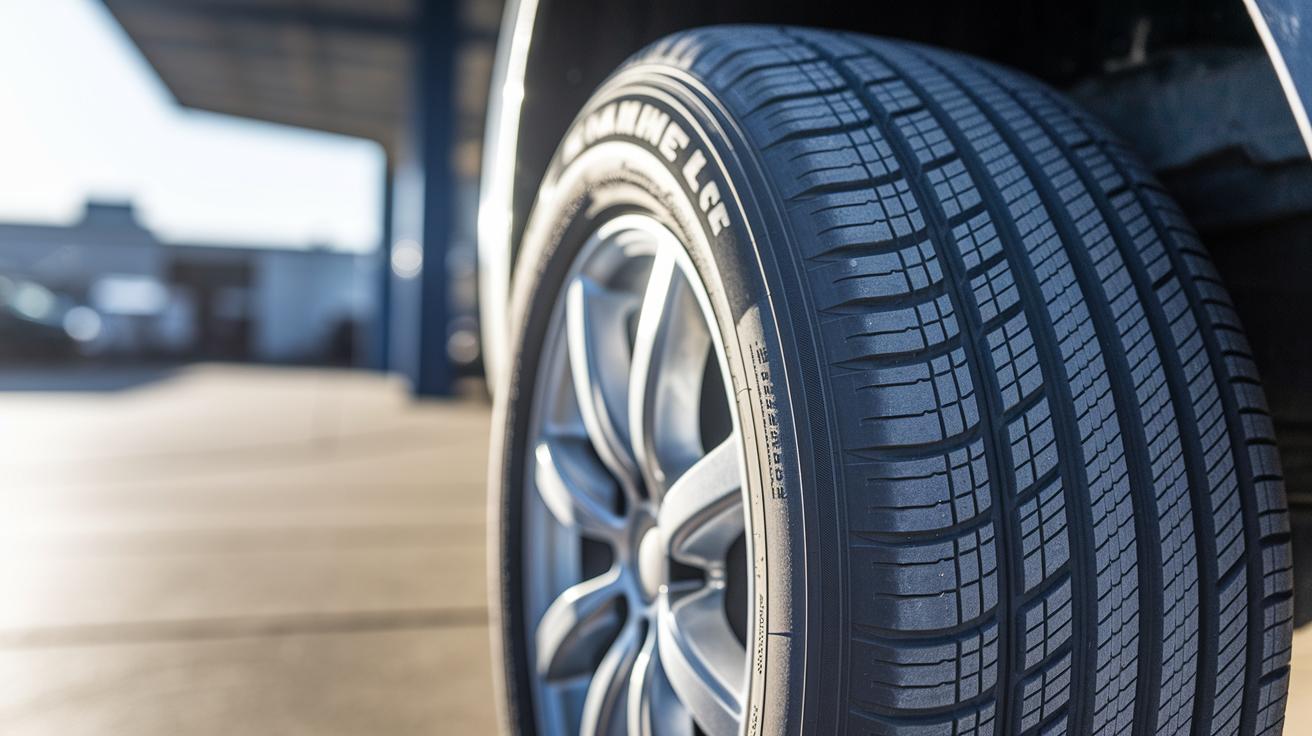
Over time, your tires wear out because the rubber slowly breaks down. Heat and sun make this process happen faster, even when there’s plenty of tread left. Did you know tire problems played a role in 9% of car accidents back in 2013 and were linked to 738 deaths in 2017? Regular checks can catch even small issues before they become a big problem.
When you give your tires a look, notice if the rubber’s texture or color has changed. Old tires can show subtle signs that they’re not as safe as they once were. A quick glancе often reveals wear that you might not even feel while driving.
Watch out for:
- Cracks on the surface or along the sidewalls
- Bulges or blisters that suggest inner issues
- Discoloration hinting at chemical breakdown
- Tread patterns that look worn, even if the grooves seem deep
- Crumbling edges where the rubber feels brittle
If you spot any of these signs, it’s a good idea to get a professional inspection right away. Relying solely on what you see might miss hidden problems that could affect your control on the road. Taking action early really helps keep everyone safe.
Measuring Tread Wear: Evaluating Safe Depths for Aging Tires
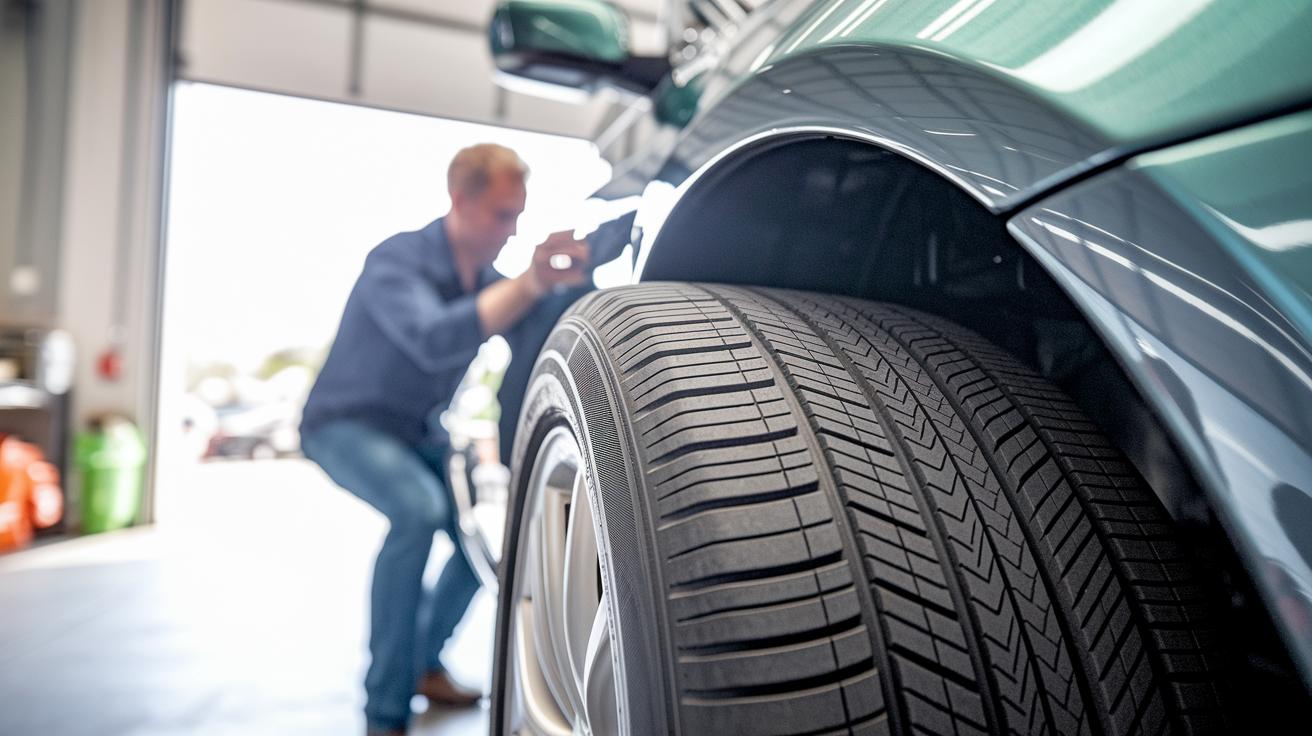
Keep an eye on your tires by checking them often. When they’re new, they usually have about 8/32" (6.4 mm) of tread. As you drive, the wear bars (little marks that pop up when the grooves get too shallow) start to show. I remember the first time I noticed my wear bars, it was a clear sign that it was time to act before any problems came up.
Regular checks help you spot tire wear early, almost like noticing that soft purr of a well-tuned engine before hitting the open road.
| Tread Depth | Condition |
|---|---|
| 8/32″ (6.4 mm) | New and in prime condition |
| 6/32″ | Slight wear noticeable, keep checking |
| 4/32″ | Moderate wear, time to plan a look-over soon |
| 2/32″ (1.6 mm) | Minimum safe level, replace right away |
Keep a close watch on your tread depth. When it gets too low, it’s a good idea to get a pro to take a look or to replace your tires. Stay safe on the road and enjoy every drive!
Assessing Sidewall Damage in Aging Tires
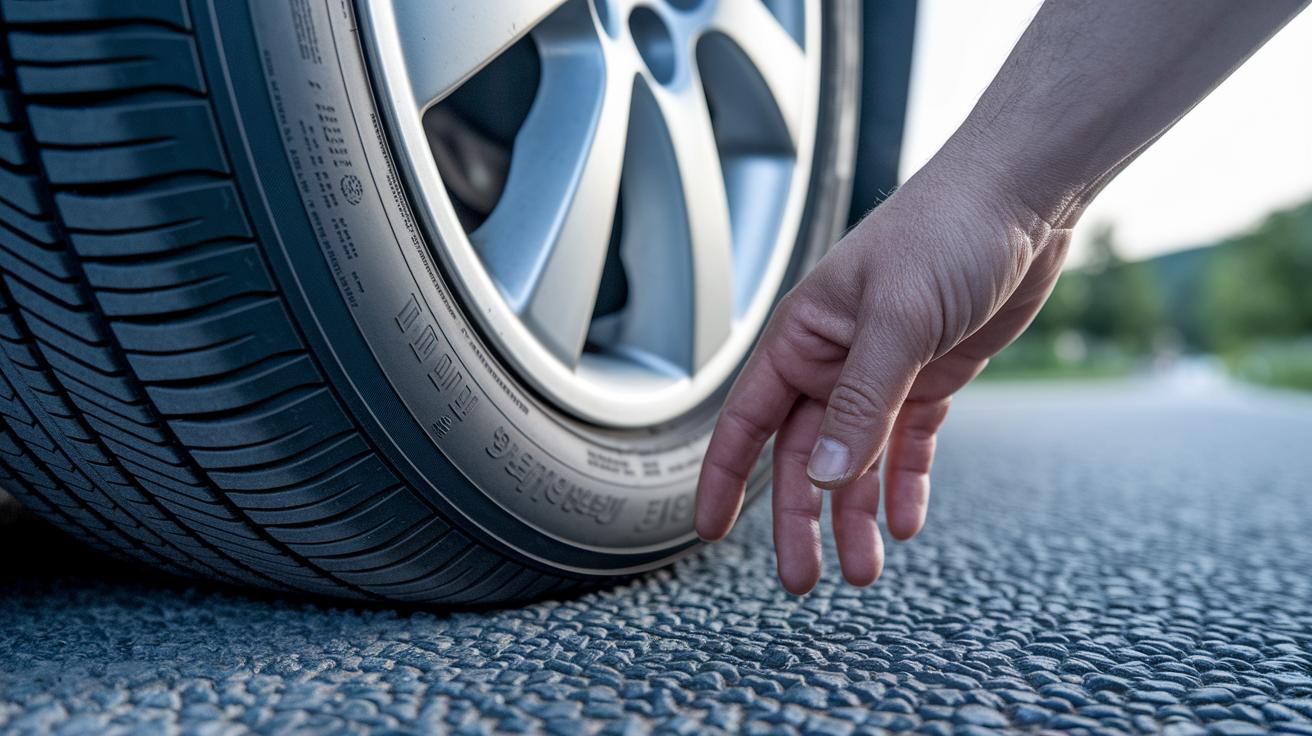
Small cracks on your tire’s sidewall can start as tiny, shallow lines that slowly turn deeper with time. They show early wear and might lead to bigger issues if left alone. Sometimes you may even feel a spot where the tire seems softer or weaker. Ever notice a fine crack that you almost missed? It may seem okay now, but its slow growth could point to future trouble.
Keep an eye out for bulges, minor blisters, or small tears too. A bulge often means the inner cords (the strong fibers inside the tire) are pulling apart. Even a little blister might indicate trapped air from heat, signaling that your tire is losing its strength. And if a small tear is ignored, it can get worse under the pressure of driving, raising the risk of a sudden blowout. These signs are your tire’s way of telling you to check it out before problems get bigger.
Advanced Deterioration in Tires: Elastomer Decay and Structural Changes
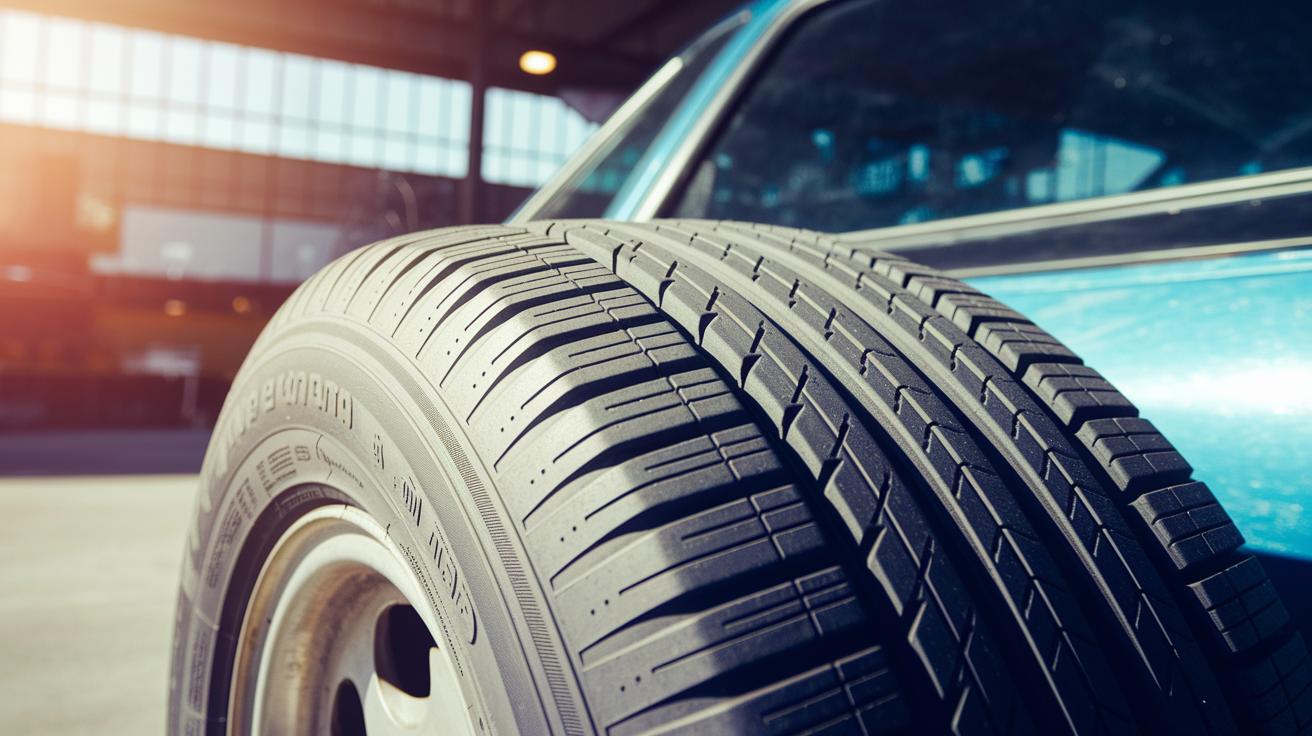
Tire aging isn’t only about worn-out tread; it’s also about the rubber changing inside. Over time, oxygen breaks down the synthetic elements in the tire, losing the natural bounce (the rubber’s ability to spring back) and flexibility. UV light speeds up these changes, hardening the tire so it can’t flex well when you hit a bump or pothole. Even if a tire mostly sits in storage, the heating and cooling from occasional drives slowly push the decay along. I once noticed a tire felt stiffer, like it had lost the soft cushion it once had.
These tiny, molecular changes can really affect your safety on the road. When the tire’s inner structure loses its give, it can’t soak up shocks during sudden stops or on rough surfaces. The hardened rubber won’t grip the road as well in wet weather, which can mean longer stopping distances and a higher chance of sliding. Even a bit of decay can shift how the tire performs, so it’s smart to check them regularly for any hidden issues.
Performance Risks: How Tire Aging Affects Safety and Handling
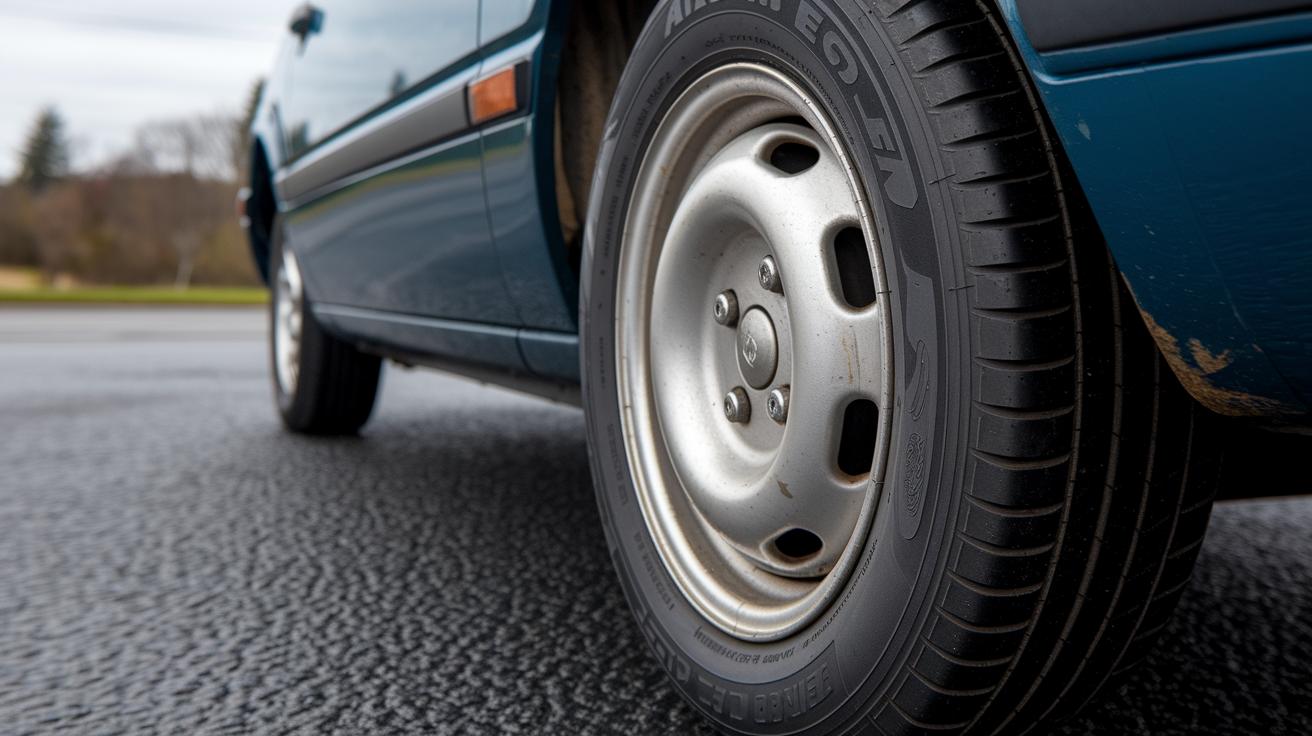
When your tires get older, they don’t grab the road like they used to. As the rubber ages, it loses its grip, which can make your stopping distance up to 20 percent longer. When you check how well the tire holds (kind of like a simple grip test), you might notice that both braking and taking corners don’t feel as smooth. And if the tire’s surface hardens, it may not push water away as well, so even if the tread still looks deep, it might feel like a worn-out tire.
Old tires can also develop flat spots from uneven wear, leading to a bumpy ride. You might feel little vibrations through the wheel that signal the tire’s inner strength isn’t up to par. During a routine check-up, if you notice odd shakes or vibrations, it could mean that parts of the tire are separating inside. Even small irregularities in your ride can affect your comfort and safety, so it’s a good idea to get them checked out right away.
Inspection Schedule and Maintenance to Delay Tire Aging
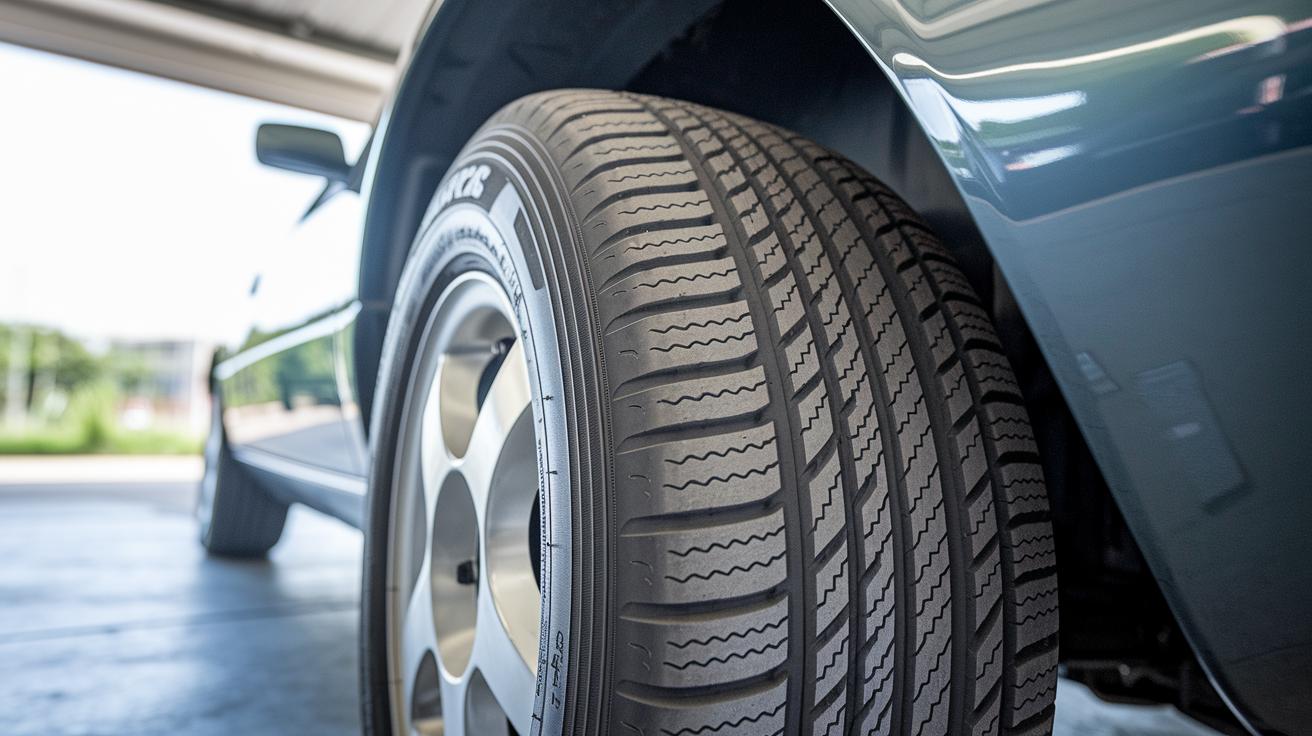
Regular tire check-ups keep your ride safe, and they really make a difference. Manufacturers say you should change your tires after six years from when they were made, even if the tread still looks good. It’s smart to set a schedule based on both time and how many miles you drive. When your car hits about 5,000 miles, think about getting a tire rotation and a careful inspection. Sometimes a quick look can reveal tiny cracks, uneven wear, or even slight discoloration. I remember a friend who spotted a small fissure just by giving his tires a once-over before a long drive. Regular checks like these help catch signs of aging before they turn into big issues.
Taking care of your tires with some simple upkeep can really extend their life. Checking your air pressure every month stops the rubber from wearing out too fast. Routine tire rotations (check out the cost-saving benefits of proper tire rotation at https://tityres.com?p=2095), along with balance and alignment appointments, work together to keep your tires even and your ride smooth. When your tires are properly inflated and aligned, they wear down slowly and perform reliably. By keeping a schedule based on both time and mileage and doing these small maintenance tasks, you can delay tire aging and keep your drive safe and smart every time you hit the road.
When to Replace Aged Tires: Benchmarks and Guidelines
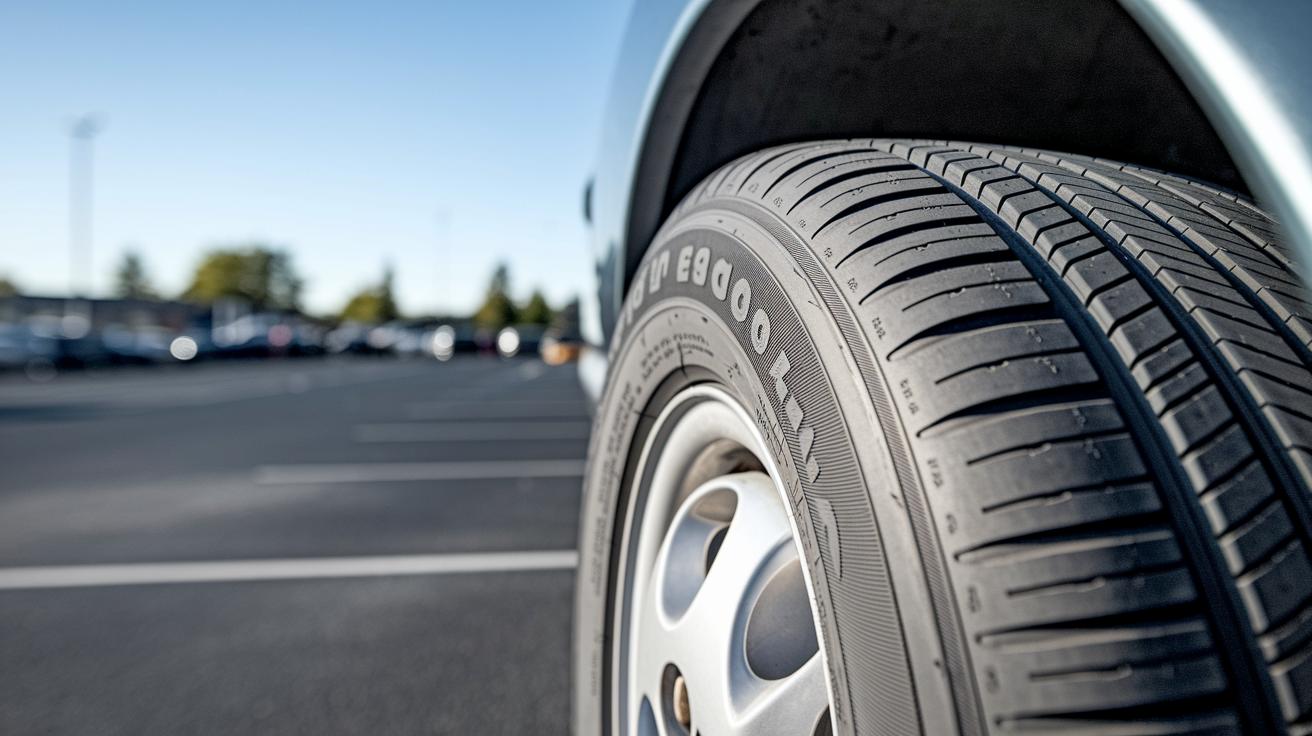
Most experts say you should think about changing your tires when they’re around six years old or when their treads (the grooves that help grip the road) get down to 4/32 inch. Warranties usually run out at about five or six years too, even if the tire still looks deep. Sun, heat, and weather can make tires wear out faster, so even if a tire seems fine at first glance, it might not be safe anymore. That’s your cue to swap them out before any issues come up.
A simple trick is to check the DOT code stamped on the tire’s side. This code shows when the tire was made and helps you remember to check or replace them, even if the wear isn’t obvious yet. Regular checks along with knowing your tire’s age can keep your ride safe and help you plan for the next change.
Final Words
In the action, this article has shown clear signs of tire aging. We went over visible cracks, worn tread, and sidewall damage that can all hint at time-worn rubber. We also reviewed how subtle chemical changes affect overall performance. A simple check, from old rubber inspection to monitoring worn tread, helps keep your ride safe. Remember, a regular look at these signs of tire aging can pave the way for confident driving every day. Take a few moments for a routine check, it’s a small effort that pays off big in safety.
FAQ
Q: How do I recognize the signs of tire aging?
A: The signs of tire aging include visible cracks, bulges, discoloration, and worn tread. Discussions online show that even tires with good tread can suffer hidden rubber degradation that impacts safety.
Q: Are older tires safe even with good tread?
A: The age of tires matters. Even tires with good tread may be unsafe if they’re 7 years, 10 years, or older. Rubber naturally degrades over time, reducing grip and overall performance.
Q: How long do tires last in miles and with low mileage?
A: Lifespan depends on both mileage and age. Even with low mileage, rubber ages over time. Most tires last around six years, but actual performance can vary based on driving conditions.
Q: What are the tire age limit law and Michelin tire age limit?
A: Legal and manufacturer advice often suggests replacing tires around six years old, regardless of tread. Brands like Michelin recommend inspections as tires age to avoid risks from deteriorating rubber.
Q: What is the 3% rule for tires?
A: The 3% rule for tires means that a tire may lose about 3% of its overall performance each year. This guideline helps drivers keep track of wear and decide when to get an inspection.
Q: What is the average life of tires by age?
A: Tires typically last between six and ten years. Even if tread depth appears fine, environmental exposure causes rubber to wear, making regular inspections essential for timely replacement.

