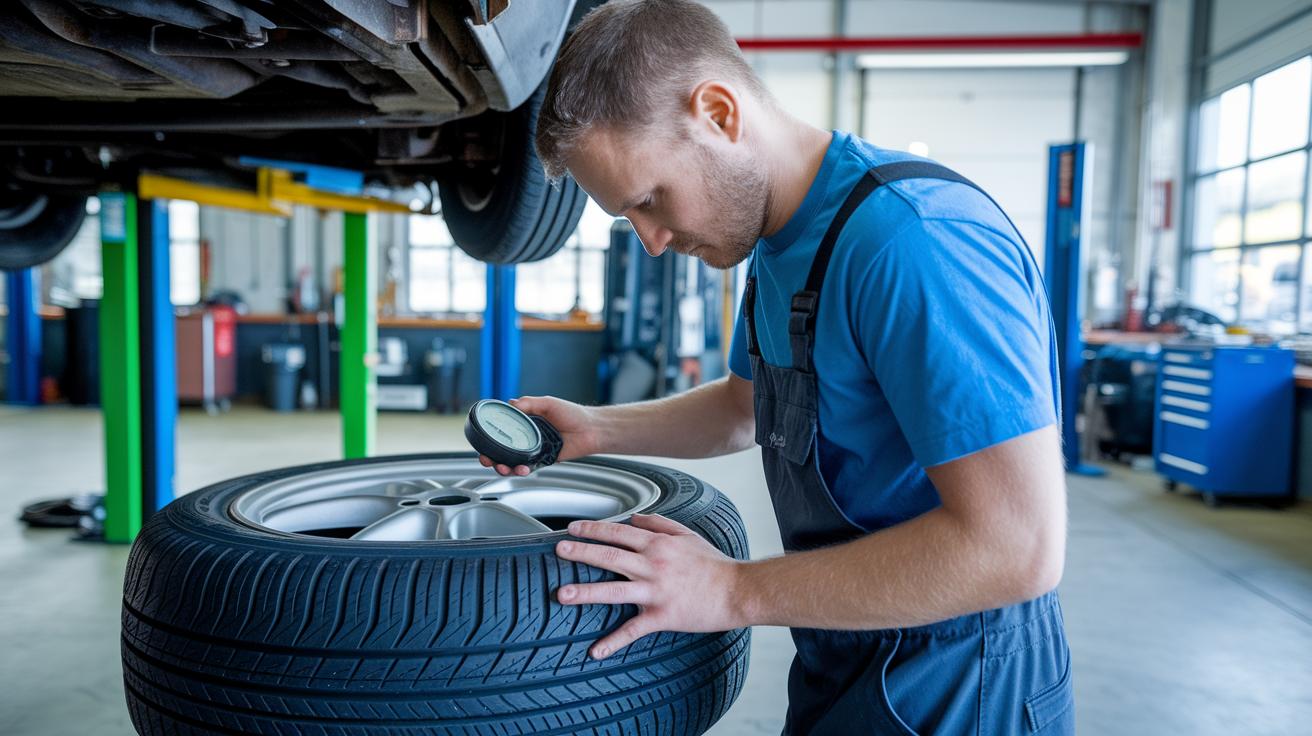


Ever wondered if your tire could actually be smart? These tires use AI (artificial intelligence) to check things like pressure, temperature, and how quickly the tread is wearing (that’s the outer layer of your tire). Each time you drive, they pick up little bits of info to learn better and even predict when wear could be a problem.
They can adjust their grip on the fly, especially when the road is wet or icy. Pretty cool, right? In this post, we’ll chat about how smart tires help keep your ride safe and smooth while also making car maintenance less of a headache and easier on your wallet.
AI-Driven Strategies to Optimize Smart Tire Performance
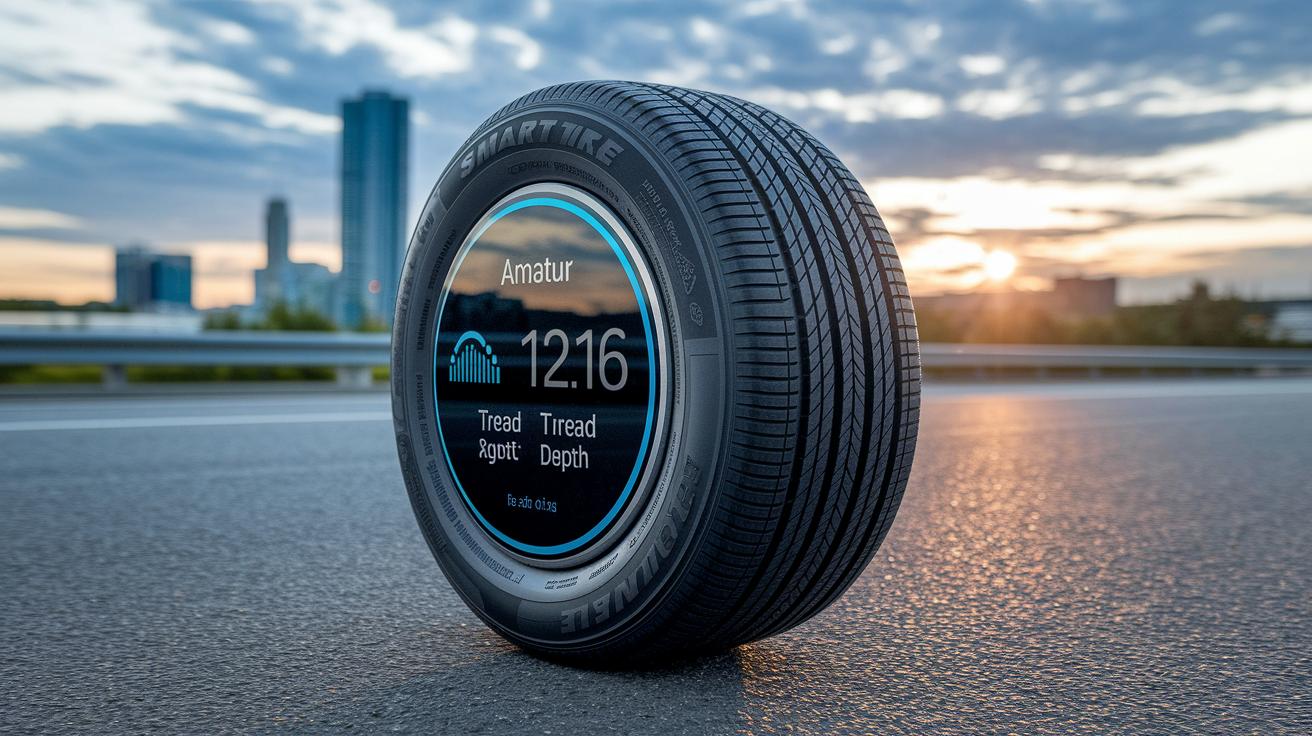
Smart tires now have built-in AI sensors that check tire pressure, temperature, and tread depth in real time. They also keep an eye on road conditions so you get a heads-up when it’s time for a check-up. With data gathered on every drive, the system can adjust settings before any issues become serious.
By using machine learning (a way for computers to learn from data), these tires can even predict when parts might start to wear out. The adaptive tread changes its grip depending on whether the road feels dry, wet, or icy. This mix of real-time data and smart adjustments is a big step up from the old tire monitoring methods.
- Real-time condition monitoring using built-in sensor networks
- Predictive maintenance scheduling thanks to machine learning
- Adaptive tread control that adjusts for different road conditions
- Reduced rolling resistance with data-based pressure tweaks
Using these AI strategies, tire performance stays in great shape. Regular sensor updates help predict wear, and the system makes adjustments on its own to match different road conditions. This means vehicles run more efficiently, saving fuel and extending tire life. By blending sensor data with smart algorithms, these systems help create a safer driving experience while lowering costs and maintenance for everyday drivers and commercial fleets alike.
Machine Learning and Sensor Fusion for Smart Tire Performance
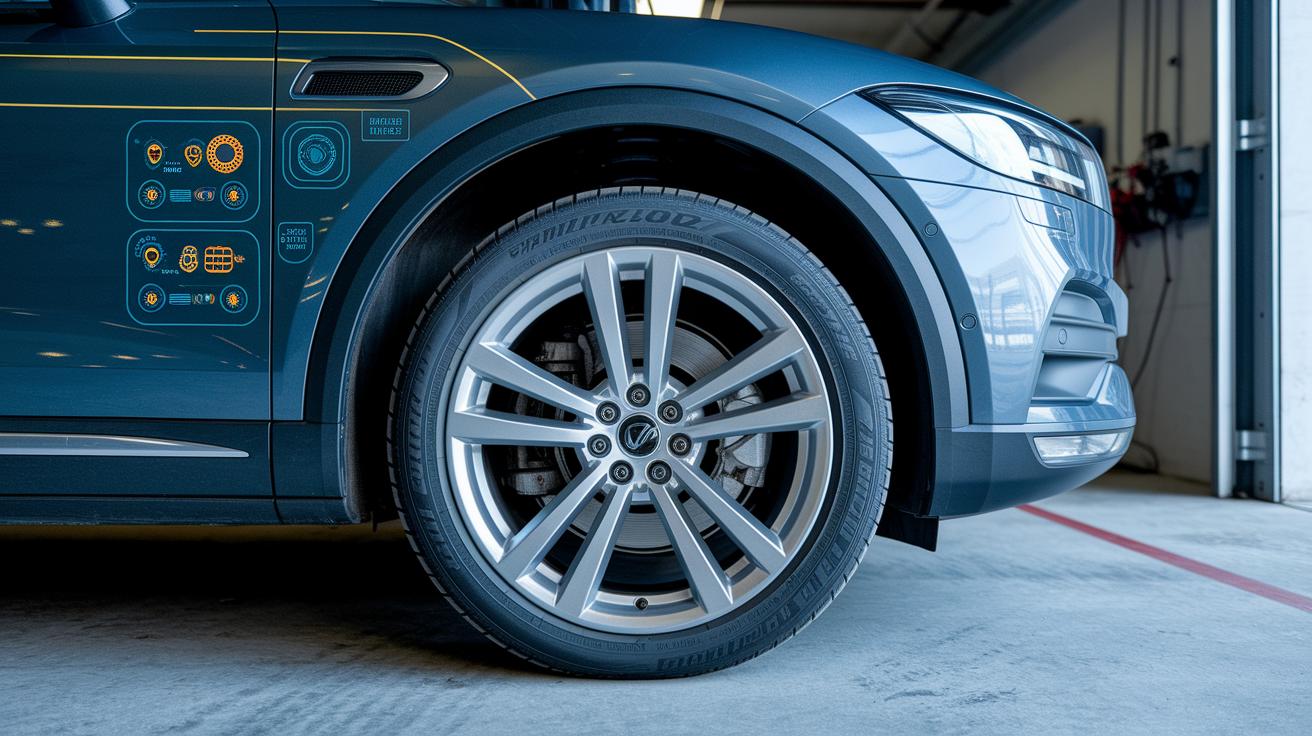
Imagine your tire performance getting a boost from real-time info gathered by a mix of sensors and smart prediction tools. The system uses regular sensors like those for pressure, temperature, and movement along with extra ones like optical cameras and accelerometers (sensors that measure motion). All these readings are carefully lined up by time, giving you a clear view of your tire’s health.
Sensor Fusion Techniques for Enhanced Monitoring
Here, data from pressure, temperature, and movement sensors comes together with images from cameras and signals from accelerometers. Think of it like snapping photos at the exact same moment to create one smooth and detailed picture. It’s like a quick pit stop check that tells you everything you need to know to stay safe on the road.
Machine Learning Models for Tread Durability Prediction
Smart models work much like a tire’s personal doctor by studying all this merged data to predict how the tread wears down (that is, how quickly the tire’s outer surface erodes) and how much life it has left. They pick up on tiny hints of wear using both the usual sensor data and the fresh inputs. It’s as if your tire is sending updates on its condition, so you know when it’s time for a check-up.
Predictive Analytics for Extended Smart Tire Tread Lifespan
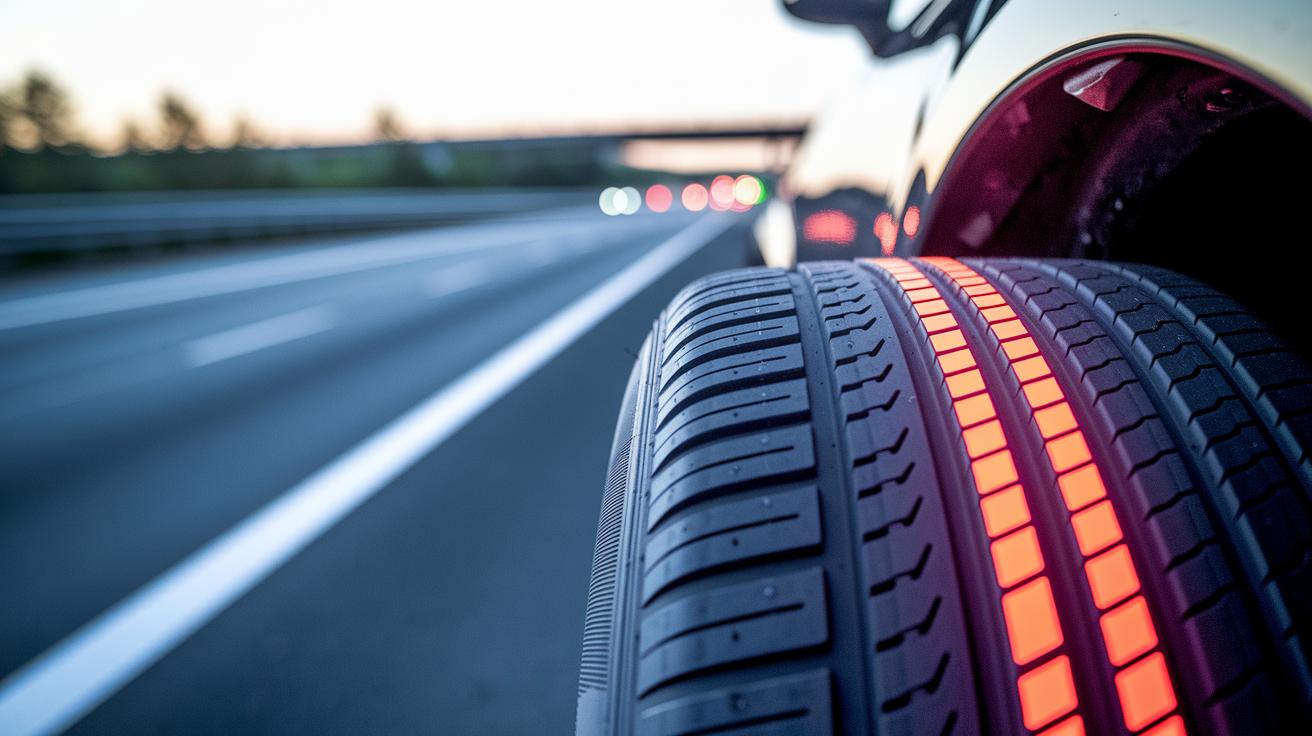
Predictive analytics blends live sensor readings with your tire’s history to spot early signs of wear. It’s like having a built-in mechanic who notices even the slightest changes in your tire’s surface and lets you know when it’s time for a check. The system warns you about small issues and suggests easy fixes like tire rotation, balancing (making sure the tire spins evenly), or replacement before anything serious happens.
Every drive and road condition helps build the data trends that keep the model smart. It sends you timely alerts so your tires perform their best, cutting down on unnecessary stops. For fleet operators, these predictive tools work ahead of time to keep operations smooth – check out the benefits of smart tires for fleet management at this link.
Adaptive Control and AI-Enhanced Tread Technology in Smart Tire Performance
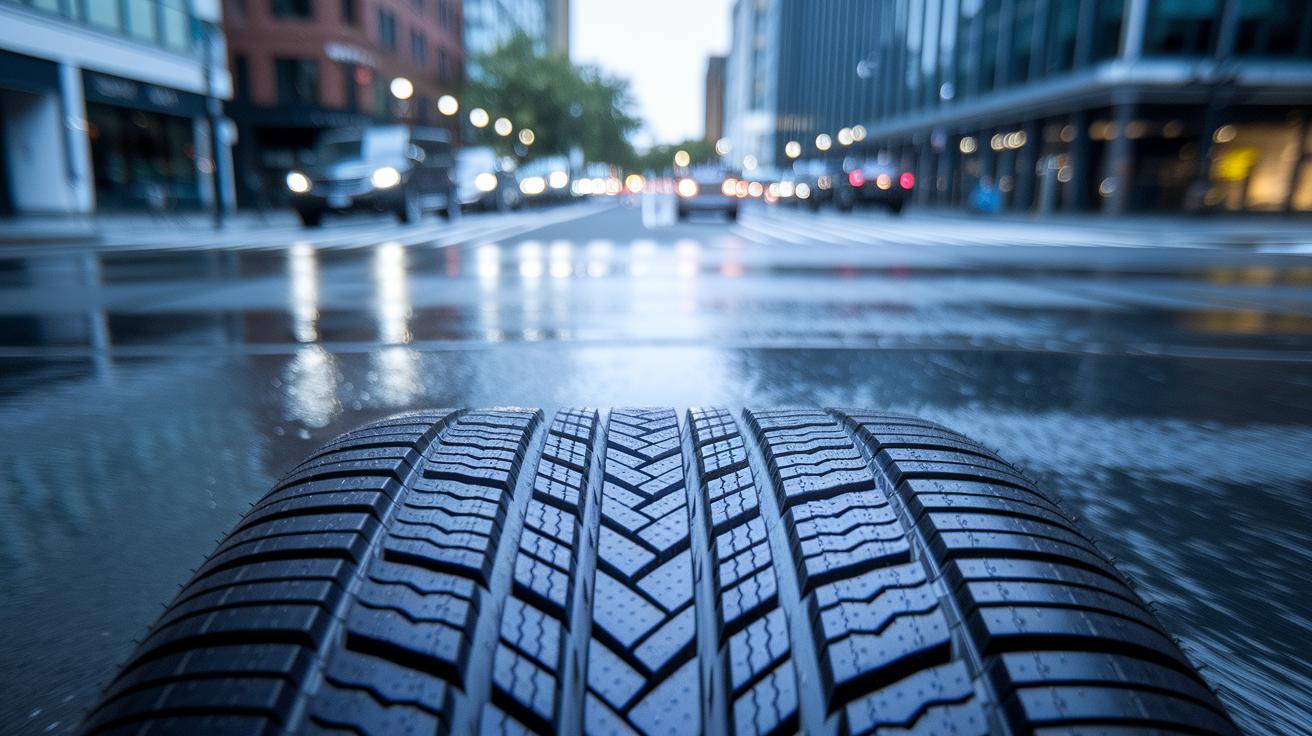
Adaptive tread technology is changing how your tires react to the road. It uses smart computer programs to keep an eye on conditions and adjust the tire's firmness and grip as needed. Imagine your tire smoothly shifting from a strong hold on dry pavement to a softer, adaptable setup on a rainy street, all without you doing a thing.
Sensors and clever controllers work together to make sure you always get just the right traction. This not only keeps you safer but also makes for a more comfortable ride, like having a tire that naturally fine-tunes itself based on what the road throws at you.
Next, there's an exciting twist with self-healing tire compounds. These innovative materials use smart signals (think of them like tiny repair crews) to detect minor cuts or nail marks and start fixing themselves right away. In simple terms, if your tire gets a small blemish, it can partially mend itself, helping the tire last longer. This feature cuts down on repair time and reduces how often you need to get new tires, so you're always ready to hit the road safely.
Digital Twin Simulation and Virtual Testing for Smart Tire Performance
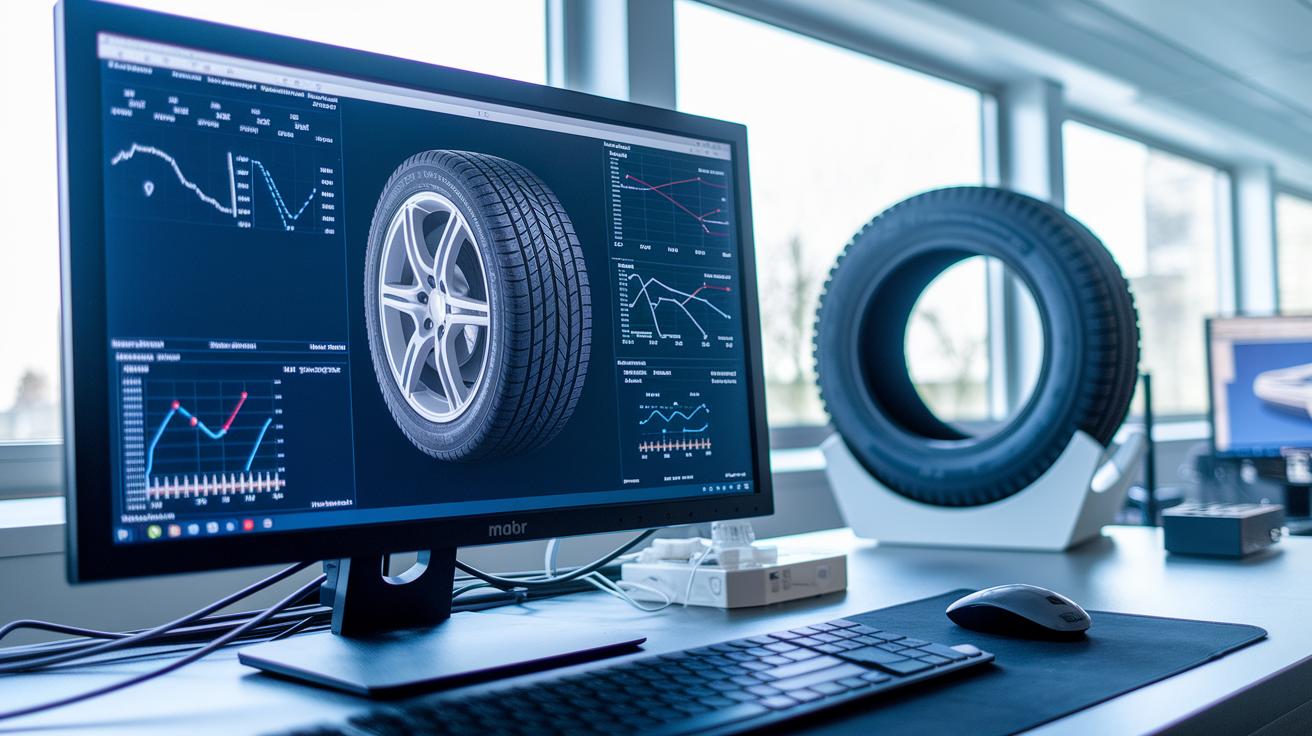
Digital twin models are like virtual copies of tires that let engineers try out new designs on a computer. Instead of always building a real tire to test, they mimic real road conditions, like a rainy day or a bumpy road, to see how the tire will hold up. This approach helps save time and money, and it gives designers the freedom to play with different ideas in a safe, controlled way. Imagine watching a virtual car race where every tire’s performance is fine-tuned right on your screen.
Machine learning plays a big role here too. It goes through loads of road data, checks out how cars move, and even listens to what drivers say to suggest the best tweaks for tire materials (rubber compounds are just the mix of ingredients that make up the tire). With these insights, manufacturers can improve things like tread durability (how long the tire’s pattern lasts) and pressure regulation (keeping the tire just right for the road). All of this makes for smarter, more efficient tire designs that are truly future-ready.
AI-Powered Quality Control for Smart Tire Safety and Performance

In our tire factory, we use smart computer vision that checks every tire as it’s made. Sensors snap images in real time and look for tiny bubbles, small cracks, or any shape changes that might affect safety (like checking your bike tire before a ride). It’s a bit like having a camera that never blinks, catching even the smallest flaw just as a careful mechanic would.
Behind the scenes, smart analytics watch for changes in things like temperature and pressure (which help keep the tires safe and strong). The system sends alerts right away if anything unusual happens, so operators can make quick fixes. This steady flow of information builds a clear performance record for each tire, keeping safety and quality front and center.
Future Trends: AI and Autonomous Integration in Smart Tire Performance

Smart tires are becoming like a trusted co-pilot on your journey. With vehicle-to-tire communication, each tire connects straight to your car’s computer, so when conditions change suddenly, your brakes, steering, and suspension adjust right away. AI gathers data, like when a tire's pressure or temperature is off (think of it as a quick check-up), and sends updates instantly. This means your car can fine-tune itself on the fly, keeping your ride smooth and safe.
Looking ahead, smart tires are teaming up with self-driving systems to change how cars perform. These advanced systems can tweak tire behavior during quick maneuvers for extra stability. On top of that, new tire designs such as airless and ultra-durable types use AI to balance the weight and even bounce back from little hiccups on their own. In truth, these innovations are paving the way for vehicles that handle all kinds of roads with consistent, reliable performance.
Final Words
In the action, we saw smart tire performance improved with AI sensor networks, machine learning models, and adaptive tread technology. It all ties in with efficient predictive analytics and virtual testing that speed up quality control and design refinement.
We explored how the role of ai in optimizing smart tire performance not only boosts safety and efficiency but also refines tire maintenance and durability. Smart tools like digital twin simulation and real-time monitoring keep our roads safer and rides smoother. Keep moving forward with confidence.

