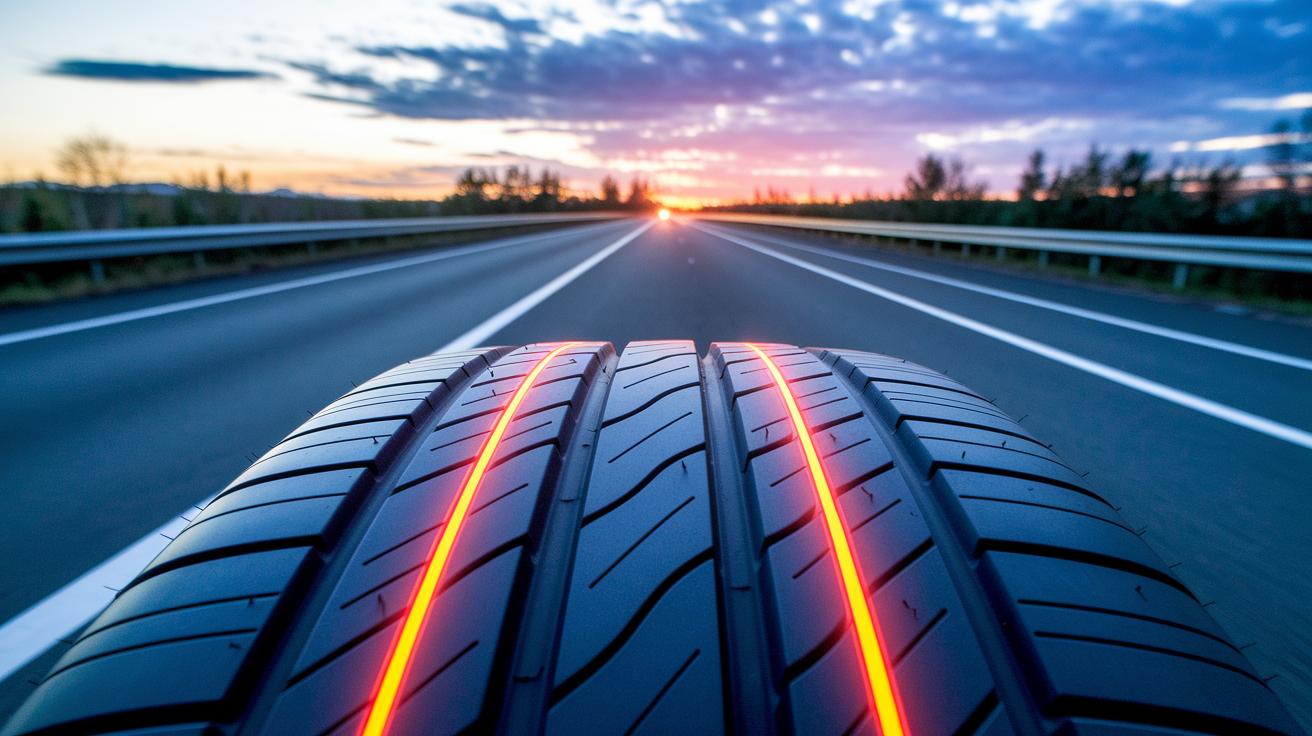


Have you ever wondered if spending a bit more on smart tires could actually save you money over time? It might sound surprising, but these tires cost about 20-30% extra upfront, and that extra cost could really pay off. Their built-in sensors help your car run more efficiently (basically, they help your engine work better), which can be a big plus for everyone from busy drivers to fleet managers.
Imagine getting back that extra money in just 18 months. Sounds pretty neat, right? This post breaks down the facts to show why investing a little more in smart tire technology could be a really smart, budget-friendly move. Give it a thought next time you’re planning your next tire upgrade!
Key Financial Insights for Smart Tire Technology Investments

Smart tires come with built-in sensors that check your tire pressure, tread depth (how fast the tire’s surface wears down), and temperature. They cost about 20–30% more upfront than older tires with a basic TPMS (tire pressure monitoring system), but those sensors are built to last 5–10 years. They help you keep your tires at the right pressure, which means less wear and better fuel economy. When your tires are underinflated, you can lose 2–3% of fuel efficiency at 75% inflation and 5–10% when they’re down to 50%. Keeping the pressure just right not only makes your ride smoother but also saves you money over time.
If you drive a lot, belong to a busy family, or run a fleet, smart tires really pay off. Studies show that these tires can extend service intervals by up to 15% and cut down heat-related failures by 20%. That means if you're on the road a lot, you might break even on the extra cost in just 18–24 months. On the other hand, if you don’t rack up many miles, the basic advantages of TPMS might be enough for you since the savings won’t be as dramatic.
| Metric | Baseline | Smart Tire Impact |
|---|---|---|
| Fuel Efficiency | Drops when tires aren’t fully inflated | Gains with optimal pressure |
| Service Intervals | Regular maintenance periods | Extended by up to 15% |
| Heat-Related Failures | Higher risk when overheated | Reduced by 20% |
• If you drive many miles, you might break even in roughly 18–24 months.
• Family drivers could see the benefits around the 24-month mark.
• Commercial fleet operators might hit ROI in as little as 18 months.
• Those driving less may notice a slower return, but even small gains in fuel efficiency and safety add up.
Looking at the whole picture, investing in smart tire technology makes solid financial sense. Even though these tires cost more at first, they help you save on fuel and reduce the need for early tire replacements. For anyone doing lots of driving, whether for work or family trips, the long-term savings and added safety make the extra initial cost easier to justify.
Predictive Maintenance Advantages and Economic Impact Assessment

Reducing Fleet Downtime
Smart tire systems help drivers and fleet managers by giving real-time alerts before a tire becomes a problem. They catch uneven tread wear (how quickly the tire's surface erodes) and rising temperatures early, so you can plan service ahead of time. This planned approach cuts unexpected downtime by about 15%. Imagine checking your oil or coolant; it’s all about keeping an eye on things before trouble starts. For busy fleets, even a few saved hours mean more vehicles on the road and less money wasted on delays.
Accident Risk Mitigation
These same sensors also watch for warning signs that might lead to accidents. When tires get too hot or show uneven tread wear, an alert tells you it’s time to check them out. This early action lowers tire-related accident rates by roughly 20%. Picture a warning light on your dashboard signaling something isn’t right before it turns into a big issue. This proactive measure not only boosts driver safety but also cuts down on costs that come with tire failures and accidents.
Smart tire technology really pays off by spotting cooling issues and tread irregularities that might be missed otherwise. It keeps your vehicles moving smoothly and lowers the chance of unexpected stops or accidents. With these handy alerts, you get a little nudge to service your tires right on time, keeping your fleet on the go and drivers feeling confident about their ride.
Sensor Data Analytics Review for Asset Longevity and Maintenance Scheduling Optimization

Smart tire sensors keep an eye on pressure, temperature, and the weather around your tires in real time. They send this info to onboard systems that use smart computer learning to spot small changes. This careful monitoring helps catch tiny pressure drops and little temperature rises that could mean trouble before it really shows up.
A real-life example showed that fleet managers who set their own alert limits got more life from their tires. One manager, for instance, set an alert for just a 1% drop in pressure along with a 2°F temperature rise. This handy alert acted like a trusty co-pilot, suggesting a check-up before the tire’s performance took a noticeable hit, which even extended service times by 15%.
Smart systems keep learning from past trends as they process sensor data all the time. They can guess upcoming wear patterns and tweak service schedules on the go. For instance, one case showed that constant monitoring picked up a faint vibration pattern. This early sign warned of an alignment issue days before it affected the ride.
| Sensor Parameter | Detected Change | Recommended Action |
|---|---|---|
| Tire Pressure | 1% drop | Schedule inspection |
| Temperature | 2°F rise | Check for anomalies |
| Vibration | Minor pattern shift | Assess alignment |
Case Studies in Automotive IoT Integration and Fleet Cost Control Measures

Across America, London, and Paris, commercial fleets are using smart tire technology, and the benefits are clear. Fleets with NASA-quality smart tires have cut their operating costs by 10% in just one year. These tires have built-in sensors that check pressure, temperature, and tread (the part that touches the road) in real time, making it easier for managers to plan maintenance and avoid surprise stops.
One fleet manager said it best: "This system works like a trusty co-pilot, letting us adjust service schedules before any tire issues turn into expensive delays." NASA’s testing of these sensors makes sure the tires are built to high standards, so they perform well on all kinds of roads and in any weather.
Fleet operators have found that linking smart tire data with automotive IoT systems not only cuts downtime but also improves overall vehicle management. Real-time information helps schedule maintenance when it’s needed most, saving money and extending the life of the tires. With clear, data-based insights, fleets can keep a constant watch on tire health, enjoy better performance, and even boost fuel efficiency. For more real-world details, check out the benefits of smart tires for fleet management. It’s no wonder that these reliable systems are giving fleet managers the confidence to invest in smart tire technology for controlling costs.
Final Words
In the action, we explored smart tire tech from upfront cost analysis to sensor-based predictive maintenance. We saw how integrated sensors help track tire pressure and tread wear, leading to longer service intervals and savings over time.
We covered data analytics that optimize maintenance schedules and real-world case studies of fleets saving operating costs. The discussion confirms the cost-effectiveness of investing in smart tire technology, showing a solid balance between safety and savings. Keep these insights in mind as you steer toward smarter tire solutions.
FAQ
What is smart tire technology?
The smart tire technology integrates sensors to monitor tire pressure, tread depth (how fast tire surface wears), temperature, and more. It provides early alerts for maintenance and helps boost safety.
How does new tire technology differ from traditional tire management?
The new tire technology uses built-in sensors and real-time condition tracking, giving drivers detailed updates compared to older systems that only track tire inflation.
What makes the Banff smart tire unique?
The Banff smart tire stands out by offering predictive insights such as monitoring tread wear and temperature, which helps in scheduling timely maintenance and preventing unexpected failures.
How do Smalap tires compare regarding smart features?
The Smalap tires include smart sensors that send continuous condition updates, making them a reliable choice over traditional tires that lack advanced monitoring capabilities.
How can investing in smart tire technology benefit business startups?
Investing in smart tire technology can boost a startup’s profile by offering data-driven insights, improved efficiency, and a clearer path to strong returns, which appeals to investors.
How can platforms like BackerKit support investments in smart tire tech?
The use of platforms like BackerKit allows startups to connect with investors, streamline funding efforts, and create buzz around innovative tire technology products.
How does investing in smart tire technology compare to investing in hempcrete?
The smart tire technology investment provides measurable returns backed by sensor data and cost savings, while hempcrete investments follow different market trends, fitting varied investor interests.

