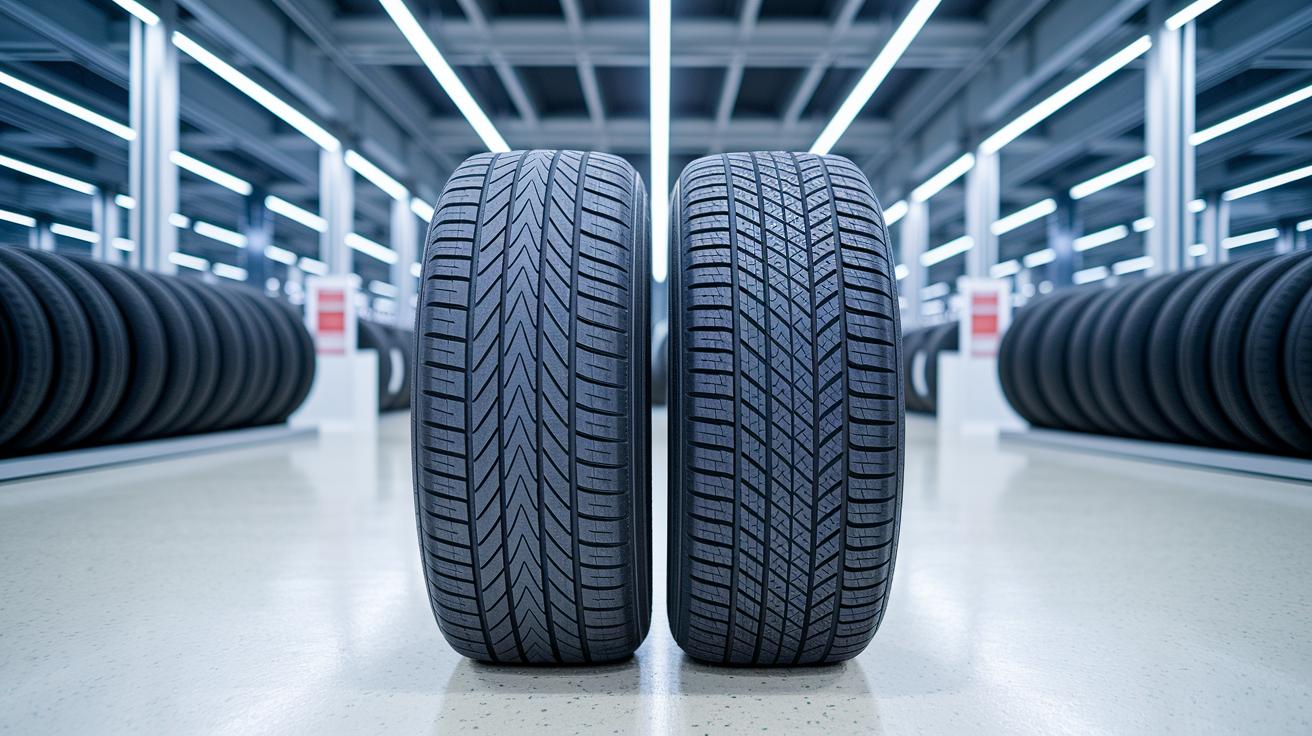


Ever wonder if your tires are really giving you the ride you deserve? Touring tires provide a smooth, quiet journey, perfect for those long drives. And all-season tires are built tough for everyday weather challenges. It’s not that one option is better than the other, it all depends on how you drive and what your road needs are. Read on to find out which tire might be the smart fit for your car and lifestyle.
Essential Comparison: Touring Tires vs All-Season Tires
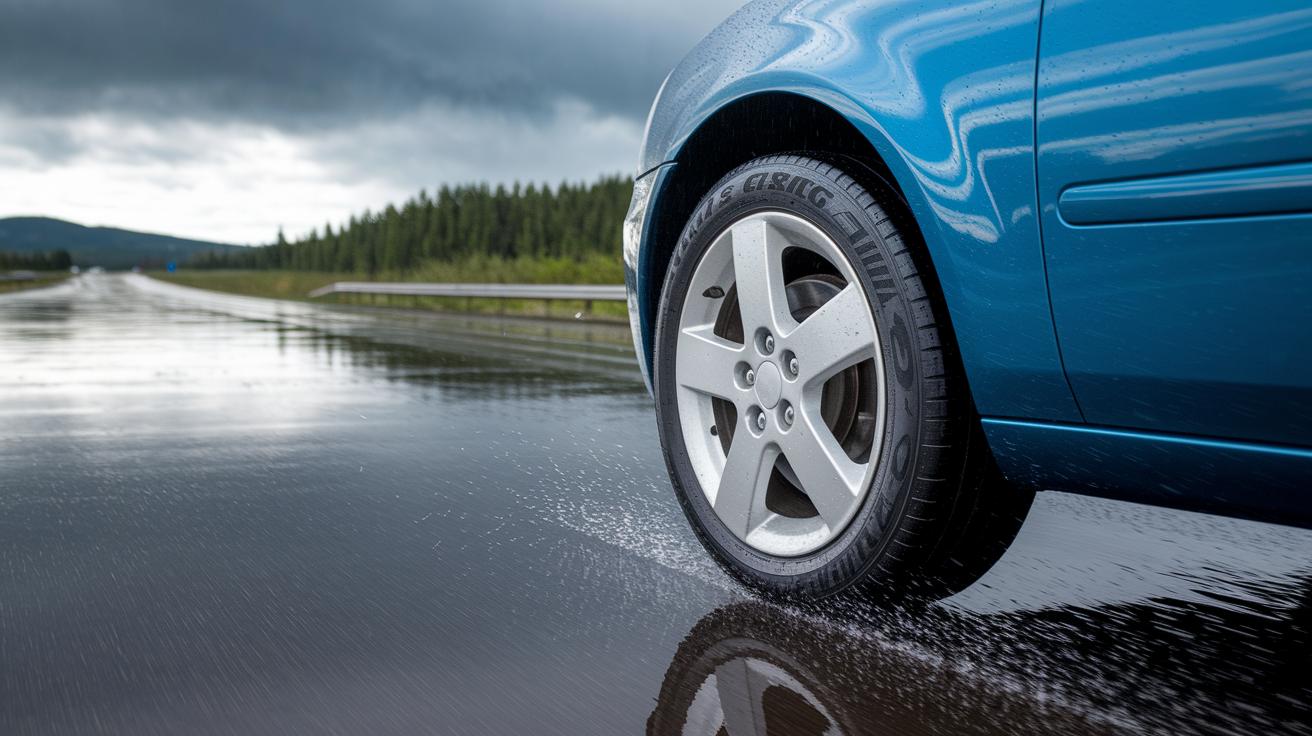
All-season tires work well in many different weather conditions like dry, rainy, and even light snowy days. They give you steady grip every day, so you don’t have to change them with the seasons. Imagine driving on a rainy road and feeling confident because your tires hold the road nicely. They work best in moderate areas and are great for both daily trips and long drives.
Touring tires, on the other hand, are designed for extra comfort and a quiet ride when you’re on the road for a long time. Their even tread pattern (the design on the tire that touches the road) helps them wear evenly, which is ideal for cars like sedans, coupes, and minivans that see a mix of highway and city roads. Picture the soft hum of a car as it rolls smoothly, that’s the kind of ride touring tires offer. However, this comfort can come at a higher cost and they aren’t meant for very harsh weather like heavy snow or extreme heat. They aren’t built for off-road adventures or really rough weather.
Both tire types use special rubber mixtures that keep a good grip while lasting a long time. The best choice really depends on how you drive. If you need tires that handle everyday weather all year, go for all-season tires. But if you value a smooth, quiet ride on long highway trips, touring tires might be the way to go. Each type has its own benefits when used in the right conditions.
Performance & Handling: Touring vs All-Season Tires
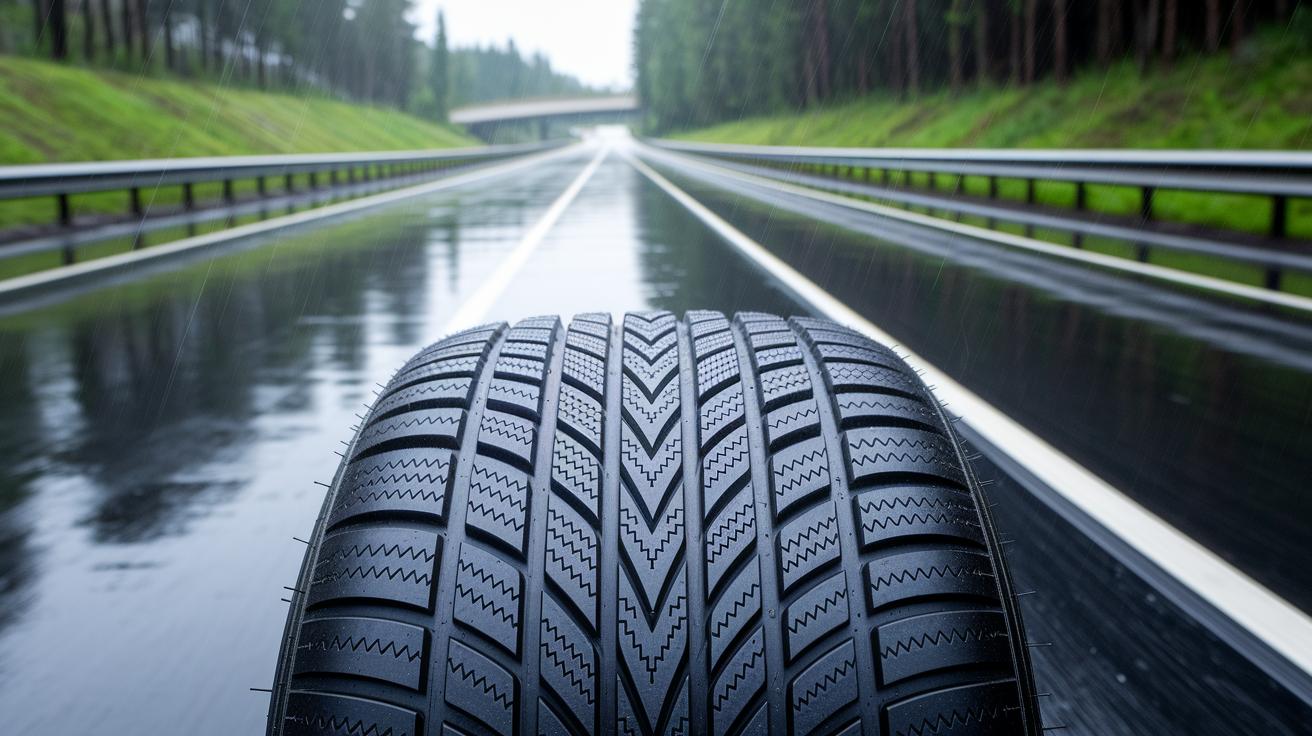
All-season tires are made to give you solid grip on wet, dry, and even lightly snowy roads. They use special rubber mixes that work great in usual, everyday conditions, so your ride feels steady no matter the weather.
Touring tires, on the other hand, are designed to make steering feel extra smooth. They have unique tread patterns (the grooves on your tires that help channel water away) and lower rolling resistance (which means less energy is lost when the tire rotates), so you get better cornering on highways. Imagine your car gently slicing through a curve, offering a clear boost over standard tires.
When tested on wet roads, touring tires offer a quiet and stable ride over long trips, while all-season tires focus on keeping performance even when the weather changes. And while touring tires deliver a nimble feel on smooth, winding roads, they might not react as sharply during quick, aggressive maneuvers compared to some multi-season designs.
- All-season tires: balanced performance for everyday driving
- Touring tires: sharper steering and cornering for high-speed commutes
Both types have their perks, so your choice really comes down to what you need: smooth, refined steering on highways or adaptable performance in lots of different conditions.
Ride Comfort & Noise Control in Touring vs All-Season Tires

Touring tires are built for smooth highway trips. They use special tread patterns with extra absorbent layers and unique sidewall construction that help soak up vibrations (the shaking you feel on rough roads). This means you’ll enjoy a nearly silent ride even if the pavement isn’t perfect, almost like the tires are whispering along the way.
All-season tires, on the other hand, are made to handle different weather like dry, wet, or light snowy roads. However, they tend to let you feel more of the road texture. You might notice a slight scratch of gravel when driving on uneven surfaces, which has been mentioned before.
| Tire Type | Features |
|---|---|
| Touring tires | Have extra absorbent layers and a special sidewall build that reduces vibrations for a smoother ride |
| All-season tires | Offer steady performance in various conditions but let you feel a bit more of the road texture |
In truth, touring tires excel at giving you a quiet, premium ride on long highways, while all-season tires are your go-to if you need a tire that adapts well to different road conditions.
Durability & Tread Life: Touring Tires vs All-Season Options
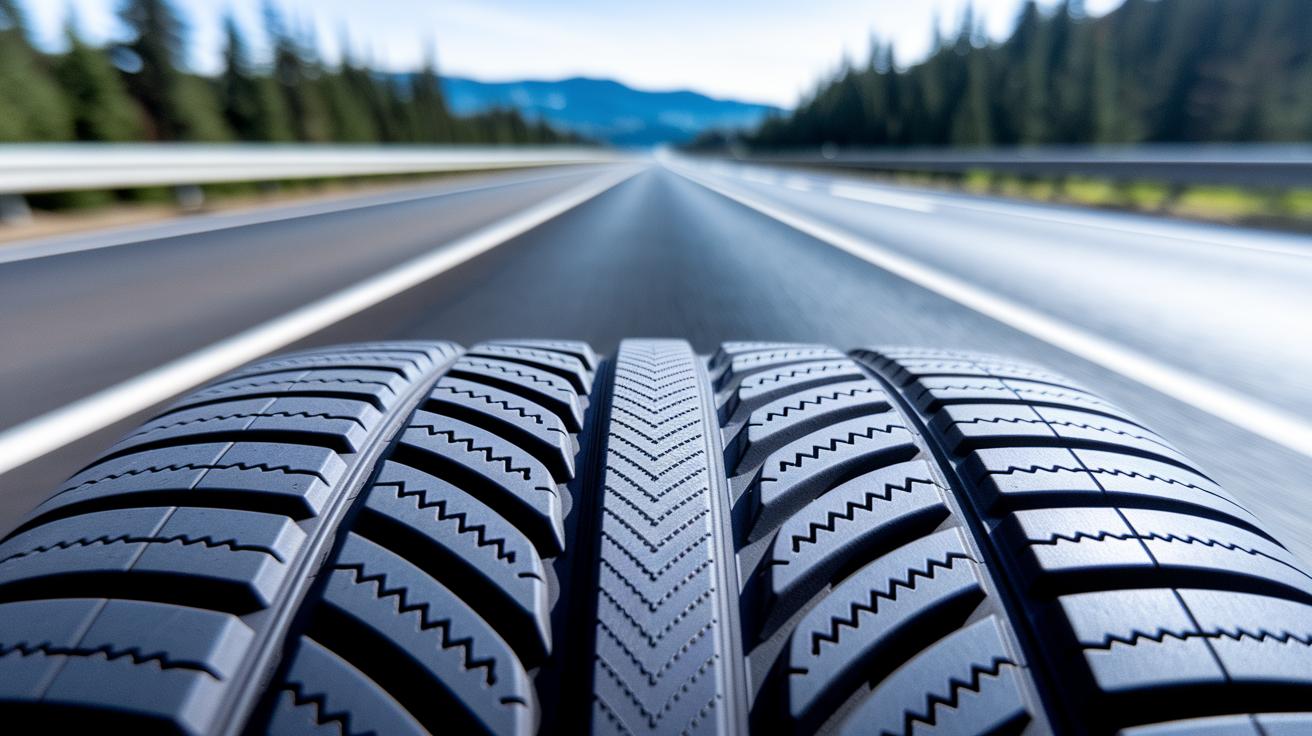
Touring tires are built to last, using smart patterns that help them wear evenly as you rack up the miles. They come with tougher rubber that keeps them going strong on long trips. Take the Michelin Defender 2, for example. It can last up to 80,000 miles. Imagine cruising for hundreds of miles without worrying about uneven wear, pretty neat, right?
All-season tires, like the Continental TrueContact Tour, are made to give you steady grip in many conditions. They usually get about 60,000 miles out of them, which works great for daily driving. Their rubber is mixed just right for city drives and even the occasional highway stretch. I even wondered if the extra durability of touring tires was worth it for those long trips, and it sure looks like they pay off if you really need long-lasting performance.
The design of the tire’s tread and its rubber mix matters a lot when you think about how long they’ll last. Touring tires often come with mileage warranties that show off their endurance, making them a smart choice if you love hitting the open road. Meanwhile, all-season tires focus on keeping the ride smooth in wet, dry, and even light snowy conditions, though they might wear out a bit sooner if you’re always speeding on highways.
| Tire Type | Estimated Tread Life |
|---|---|
| Touring tires | Up to 80,000 miles |
| All-season tires | Around 60,000 miles |
Both tire types tackle durability and longevity in different ways. Your choice depends on your driving habits and how many miles you expect to cover.
Seasonal Performance: Suitability of Touring vs All-Season Tires
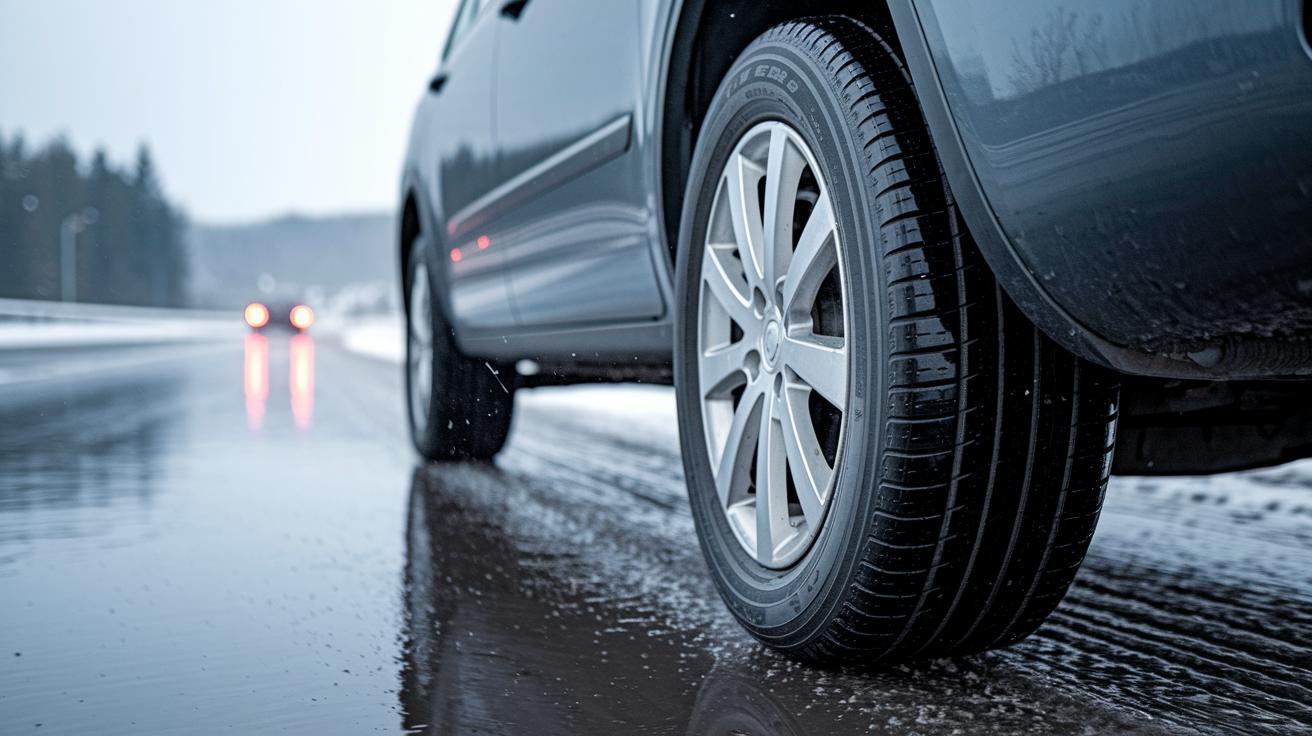
All-season tires are built to work on wet roads, dry streets, and even light snowy paths. They feature extra gripping edges (known as biting edges) that help them hold tight to cold or icy surfaces. I like to imagine driving during a gentle snowfall and still feeling safe and in control, that’s the magic of all-season tires.
Touring tires, however, are tuned for highway driving, especially when conditions are dry or there's just a light drizzle. They’re designed to deliver a smooth and quiet ride on long journeys. But when it gets really cold, they might not grip as well because they lack deep siping (tiny cuts that help with traction) and snow-specific grooves. Picture cruising comfortably on a chilly day until you hit a snowy patch where these tires just don’t hold you as well as all-season ones.
- All-season tires: They handle a mix of wet, dry, and light snowy roads thanks to extra gripping edges.
- Touring tires: They offer a quiet, smooth ride on highways but might struggle in very cold or snowy conditions.
When temperatures drop, all-season tires truly shine. They come with added features that boost traction even when it’s near freezing. Touring tires, while great for long highway drives and dry road comfort, aren’t meant for deep winter weather. So if you live in a place with heavy snow or long, freezing spells, all-season tires might be the better pick.
Both tire types use smart rubber compounds and specially designed treads for their roles. If you mostly drive on highways during mild winters, touring tires could work well. But if you need reliable, year-round performance with extra winter safety, all-season tires are likely your best bet.
Price & Value: Touring Tires vs All-Season Costs
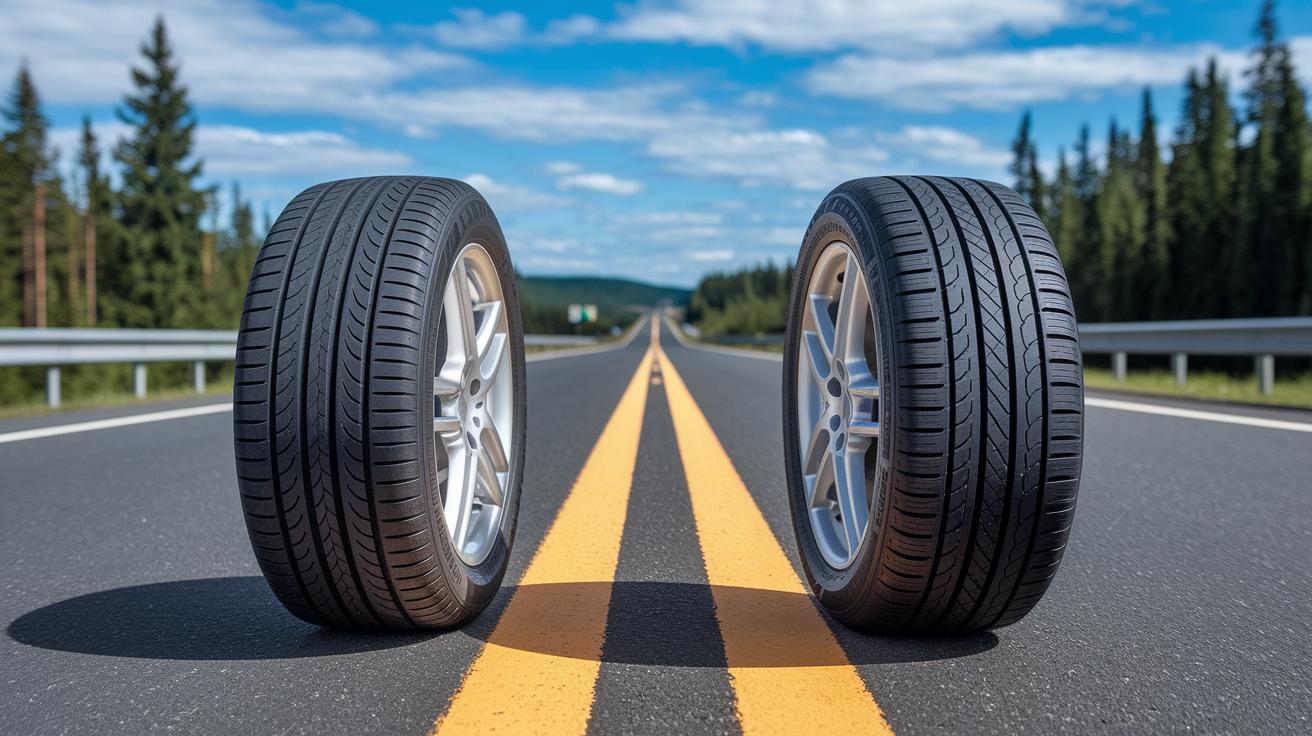
Touring tires cost a bit more because they are built with extra features that make your ride smoother and last longer, just like upgrading your car's sound system for that extra oomph on a long drive. All-season tires, in contrast, usually cost around 10–20% less per set and do a good job for everyday driving, striking a nice balance between price and versatility.
When you're choosing your next set of tires, keep these ideas in mind:
- How much you're paying upfront versus the number of miles you'll drive
- Whether the lower rolling resistance on touring tires could save you on fuel
- The tire replacement schedule based on your driving style and road conditions
In the end, it's about weighing the extra cost for a quieter, longer-lasting highway ride against a budget-friendly option that performs well for everyday use. Here’s a neat fact: Investing in touring tires might seem more expensive at first, but their extended tread life and improved fuel efficiency can actually save you money over time. Your choice really depends on your driving habits, the distance you cover, and what makes you feel most comfortable on the road.
Expert Reviews & Top Models in Touring vs All-Season Tires
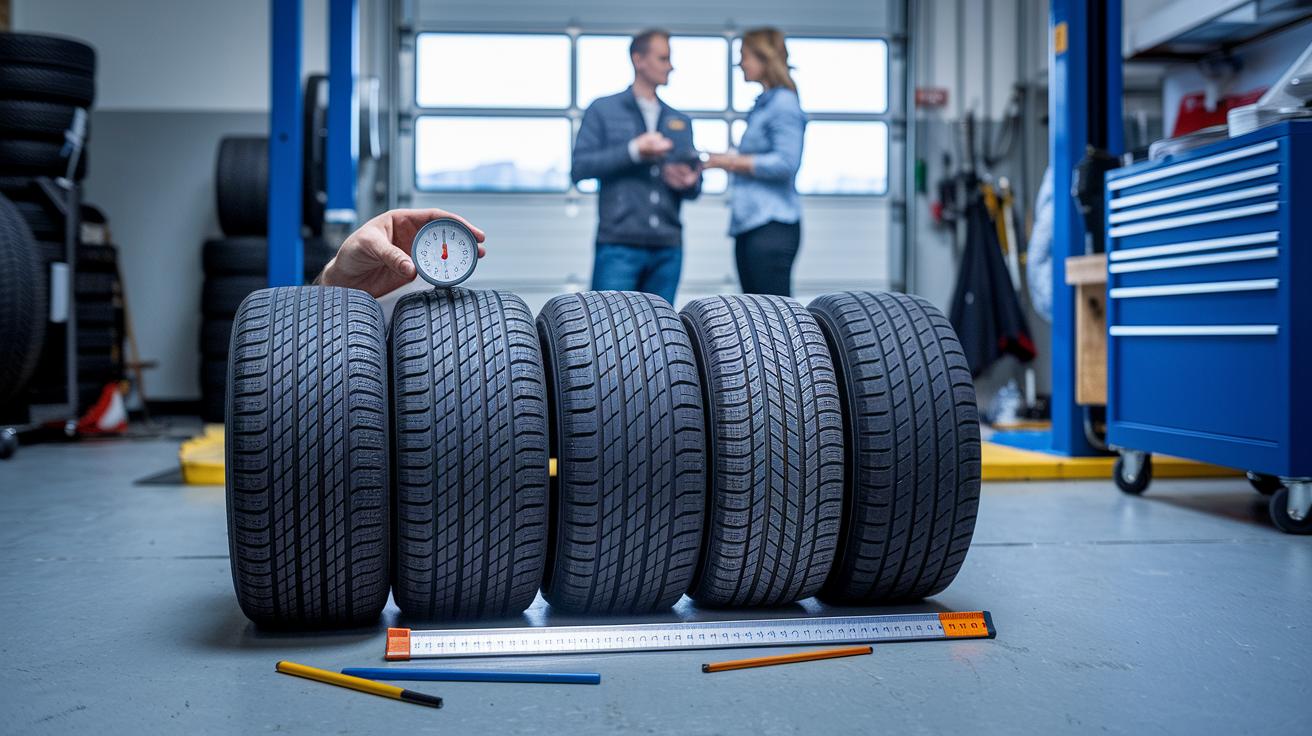
We’ve seen experts use fresh testing methods along with real driver feedback to see which tire shines. In one set of tests, panels looked at ride noise, fuel use, and how quickly tires wear out (the gradual wearing away of the tire’s surface) during long highway runs and city stop-and-go drives. One test even recorded tire vibrations on a simulated highway to check how well each model kept the noise down.
Driver stories tell us that all-season tires are reliable for everyday driving, while touring tires give a smooth, quiet ride on long trips. They also checked how the tires hold up on wet roads and how much the tread wears down. This deep dive gives you a clearer look at each tire without rehashing the same old points.
| Model | Testing Insights | Trade-Offs |
|---|---|---|
| Michelin Defender 2 | Tested for long tread life and quiet highway performance | Higher initial cost noted |
| Bridgestone Turanza QuietTrack | Rated based on minimal road noise during extended drives | Moderate wear in hard winter conditions |
| Pirelli Cinturato P7 All Season Plus | Evaluated for low rolling resistance in urban stop-and-go tests | Limited traction noted in heavy snow |
| Firestone WeatherGrip | Tested for wet-road stability and winter performance | Tread life slightly lower compared to peers |
These tests focused on things like noise, tire wear, and fuel-saving benefits. Driver feedback breaks down each model’s strong points and trade-offs like cost and warranty differences. For even more details on these brands, check out Tire Rack Tire Reviews.
Choosing the Right Tire: Touring vs All-Season Selection Guide

When you're choosing new tires, it's best to look at recent facts and real-life examples. For instance, new research shows that touring tires can reduce wear by about 10% on long highway drives. But if you often face wet or snowy roads, all-season tires still offer a safe grip.
Imagine driving over 20,000 miles a year. Touring tires give you a quieter, smoother experience on highways. All-season tires, on the other hand, are great when weather turns unpredictable. One driver even said, "I switched to touring tires and noticed a 15% boost in mileage consistency on long trips."
| Factor | Touring Tires | All-Season Tires |
|---|---|---|
| Climate Adaptability | Best for dry to mild conditions | Works well in wet and snowy weather |
| Ride Comfort | Smoother and quieter on highways | Reliable for everyday driving |
| Mileage Wear | Less wear on long trips | May wear a bit more with mixed driving |
| Budget | Often a bit higher | Usually easier on your wallet |
| Vehicle Type | Great for sedans and coupes | Works well with SUVs and trucks |
Think about your annual mileage, the weather in your area, and your vehicle type when making your choice.
For extra help on picking the right tires, check out Consumer Guide Auto (https://thecivics.com?p=1008).
Final Words
In the action, we compared how tire performance shifts between options, weighing ride comfort, handling, durability and cost. We broke down the differences between tires designed for quiet, smooth highway rides and those built for dependable, all-year traction. Touring tires vs all season tires remain at the heart of the discussion, guiding smart choices for your car’s needs. Enjoy the ride with confidence, knowing that the right tire choice will keep you safe and content on every mile.
FAQ
Q: Touring tires vs all season tires reddit
A: The discussion on Reddit shows that touring tires tend to offer a quieter, smoother ride on highways, while all-season tires provide a more versatile grip in various weather conditions.
Q: How do touring tires compare to all-season tires in snowy conditions?
A: Touring tires deliver a comfortable highway ride but often lack the biting edges of all-season tires that help in light snow, making all-season models better for snowy weather.
Q: What about touring tires vs all season tires for SUVs?
A: Touring tires are mainly built for sedans and coupes; SUVs may benefit more from all-season tires, which deliver balanced performance and traction in different weather conditions.
Q: Are touring tires all-season?
A: Touring tires are designed primarily for long-distance comfort and quiet rides, and while some models offer all-weather features, they are not true all-season tires built for extreme conditions.
Q: How does performance differ between performance and touring tires?
A: Performance tires focus on quick steering and agile cornering, whereas touring tires give a smooth, quiet ride and even wear on highways, making each suited for different driving needs.
Q: Which are the best touring tires available?
A: Many drivers find models like Bridgestone Turanza QuietTrack and Pirelli Cinturato P7 All Season Plus reliable, as they offer a quiet ride, even tread wear, and good long-distance comfort.
Q: Are touring tires better than all-season tires?
A: Touring tires excel at providing quiet, comfortable highway rides, while all-season tires deliver more versatile traction in wet, snowy, and varied weather, so the best choice depends on your driving needs.
Q: What disadvantages do touring tires have?
A: Touring tires can cost more and may perform less well in heavy snow or extreme heat, as they are designed mostly for comfort and smooth performance on highways rather than harsh conditions.
Q: Are touring tires good for highway driving?
A: Touring tires are built for highway driving with features that reduce noise and wear evenly, ensuring a comfortable and quiet ride over long distances on smooth roads.
Q: How do touring tires perform in the rain?
A: Touring tires perform steadily in rainy conditions by offering dependable grip and handling, though they might not match the specialized traction of some all-weather designs in very heavy downpours.

