


Ever wonder if the right bead weight might be the secret to a smoother ride? A tire balancing bead chart is just like a handy road map. It helps you match the perfect bead bag with your tire by pairing the bead weight to the way your tire is built.
Think of it like picking the proper tool for a job. When each bag fits just right, your tire gets a boost in performance and stays steady on the road.
Stick around and you’ll see how this simple chart can really make a difference in keeping your ride safe and lasting longer.
Interpreting the Tire Balancing Bead Chart
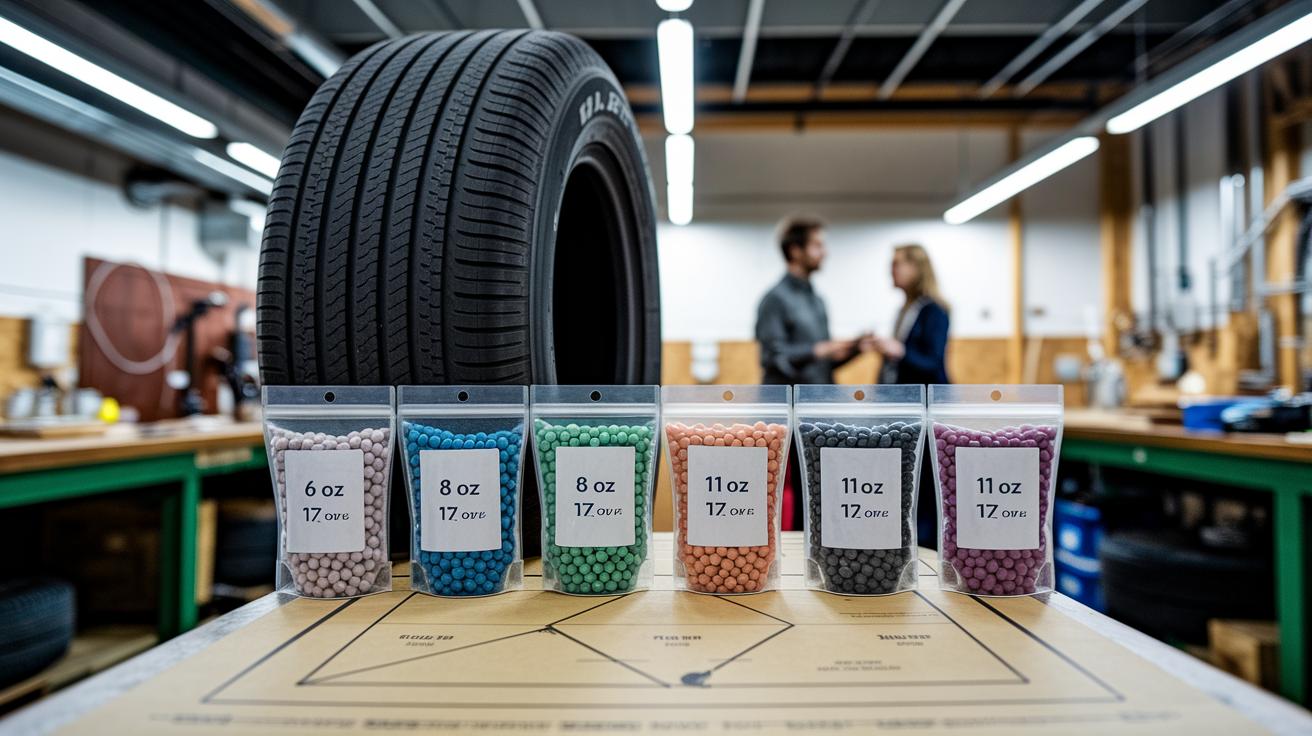
The tire balancing bead chart shows you which bead bag package best fits your tire. It breaks down bead weights into four simple groups: 6 oz, 8 oz, 10 oz, and 12 oz. Each set comes with all four bags so you can easily compare your choices. For example, if you see a 6 oz package for a truck tire, it means these lighter beads work best for tires with a 4-6 ply rating (ply rating refers to the number of fabric layers in the tire). Ever notice how a smooth ride can really brighten your day? Before trying out a new tire type, make sure the 6 oz beads match your tire’s ply rating because using the wrong beads might affect how well your tire performs.
The chart also covers beads for SUVs, semi trucks, motorhomes, military vehicles, and even ATV/UTV tires. This organized setup acts like a handy weight table, so you can quickly find the option that fits your tire. Always double-check your tire’s size and ply rating before picking beads, as not every bead works with every tire size. Keeping these details in mind will help your tires perform better and keep your ride feeling safe and smooth.
Bead Weight and Bag Size Breakdown

The bead chart tells us which bead weight goes with which bag size. For light-duty tires, you use a 6 oz bag. Mid-size cars need an 8 oz bag. Big trucks get a 10 oz bag and ATV/UTV tires use a 12 oz bag. Each bag is split into four equal parts. That way, the bead weight is spread evenly, just like sharing a small pizza into four slices.
Tires that have 4 to 6 plies get the 6 oz beads. Tires with 8 to 10 plies use the heavier 8 oz or 10 oz beads to keep the tire structure safe. Imagine an 8 oz bag divided into four parts: each part gets 2 oz.
Car mechanics use a bead weight table to adjust bead mass with a special calculation tool. They check a wheel mass ratio chart to match the right bead mass to a tire’s design. It’s a bit like checking your tire pressure before a trip – you want everything balanced so the tire works smoothly.
Matching Bead Charts to Tire Types

The bead chart is a handy guide that shows which beads work best with each tire type. For instance, ATV tires need heavier beads, usually 12 oz (that means they weigh 12 ounces), so they can handle rough roads and big loads. Bias truck tires, on the other hand, sometimes use 6 oz or 8 oz beads depending on whether the tires are meant for lighter use or tougher jobs. And yes, truck tire designs can vary, a tire with fewer plies (layers) might actually do better with lighter beads.
When you check out the automotive bead chart, you’ll notice that 3-Rib tires and 4-Rib tires are grouped separately. The 3-Rib models usually ask for 8 oz beads, while the 4-Rib ones perform best with a 10 oz bead package. Even lawn and garden tires have their own spot on the chart, showing that even smaller wheels need the right beads to balance properly. In tire repair, picking the right bead really makes a difference. It helps match the tire’s weight to keep everything running smooth.
You'll also see markings like 10×16.5, 12×16.5, 14×17.5, 18×8.50-10, and 27×8.50-15. These numbers help you line up the tire’s size with the proper bead weight. Using the correct bead based on a tire’s design boosts performance, keeps the tire strong, and ensures your ride is safer on every road.
Step-by-Step Bead Selection Process

Imagine using a bead chart like a handy roadmap. It shows you everything from bead weight to bead compound (think Magnum Plus Balancing Beads) and even helps you nail down the right dosage. It’s a bit like checking your car’s alignment before a long drive, small tweaks now keep you safe from uneven tire wear later.
First, check which tire type and ply rating you’re working with.
Then, confirm the tire’s size to ensure it’s the right match.
Next, find the corresponding bead weight on the chart.
After that, use the weight-to-dosage ratios and compare them to some baseline values to double-check things.
Finally, verify the bead compound and how many bags you need.
Each step connects the tire’s design with the perfect bead attributes. Checking the tire type and ply rating ensures the bead compound fits well, and confirming the size keeps everything in line. The chart makes sure the beads are spread evenly, while the dosage tip helps you get the exact amount needed. Wrapping up with a final check on compound and bag count sets you up for a balanced tire ready for any road.
Technical Data Table: Bead Size Specifications

Here’s a handy chart that helps you pick the right bead weights for your tire design. It builds on the bead selection tips we talked about earlier. Use this guide to adjust the bead amount for different tire types so that your tires stay perfectly balanced and perform at their best. Think of it like checking your tire pressure before a long drive – a simple step for a smooth, safe ride.
| Tire Type | Ply Rating | Bead Weight per Bag (oz) | Bags Required |
|---|---|---|---|
| Truck (4–6 ply) | 4–6 | 6 | 1 |
| Truck (8–10 ply) | 8–10 | 8 | 1 |
| Semi/Motorhome | – | 10 | 1 |
| ATV/UTV | – | 12 | 1 |
Advanced Tips for Precise Bead Balancing

Begin by checking a tire balancing bead chart to match the bead weight with your tire’s design. This method uses a wheel mass ratio chart to compare the tire’s load/speed ratings. If your truck is carrying a heavy load, you might even refer to a tractor tire conversion table to figure out the correct bead dosage. Think about it like checking your tire pressure before a long road trip, a little extra care makes all the difference.
One important tip is to always stick to safety standards when working with tire beads. Make sure each bag is sealed tightly and check that the bead weight fits your tire size and ply rating (the number of layers in the tire). One small mistake can mess with the tire’s performance, so keeping an eye on these details really helps maintain overall tire health.
If your vehicle has dual axles, use a dual axle bead strategy to balance both sides evenly. For more complex setups, a simple tire bead placement guide can be a lifesaver. It shows you exactly where to put the beads so that your tires wear evenly and work safely.
Next, try using a calculation tool to figure out the exact bead dosage for your ride. It also helps to inspect the beads regularly and recalibrate them after long use. Advanced tire balancing often means checking several factors, from your axle configuration to how the tire behaves at different speeds.
By following these pro tips, you’ll not only meet safety standards but also enjoy a smoother ride and longer-lasting tire performance. Embrace these ideas to ensure every bead is perfectly in place for a safer, more reliable drive.
Final Words
In the action, we explored how the tire balancing bead chart helps match bead weights with tire types and ply ratings. We broke down bead weight options, explained steps for proper selection, and shared safety tips for balanced performance. Each section made it easier to check compatibility and ensure accurate bead dosage. The guide inspires confidence when choosing and using tires for optimal safety and performance. Enjoy the ride knowing that a well-read chart leads to better tire care and smoother drives.
FAQ
What does the tire balancing bead chart PDF show?
The tire balancing bead chart PDF details bead bag packages by weight (6 oz to 12 oz) and presents compatibility information for various tire types, ensuring you select the right beads for performance.
How does a tire balancing beads calculator work?
A tire balancing beads calculator uses tire type, size, and ply rating to compute the correct bead dosage. This tool streamlines bead selection and helps achieve optimal balance.
What is a counteract balance bead chart?
A counteract balance bead chart lists beads meant to offset tire imbalances. It provides weight options and guides you to choose beads that counterbalance imperfections on your tires.
How do I use a balance bead chart for truck and motorcycle tires?
The balance bead chart for truck and motorcycle tires categorizes beads by weight and tire type. Check the specific section and tire ratings to find the proper bead dosage for each tire.
How many balancing beads should I use for 35-inch and 37-inch tires?
The chart guides you on bead dosage based on tire size. For 35-inch and 37-inch tires, match the bead weight package and bag count in the chart with your tire’s unique specifications.
Can you use too many tire balancing beads?
Using too many tire balancing beads may result in uneven tire balance. The chart provides precise dosage recommendations based on tire type and ply rating to keep your ride smooth.
Do tire balance beads really work?
Tire balance beads work by offsetting irregularities in tire mass, which leads to better ride quality and smoother handling during driving. They help maintain consistent tire performance.

