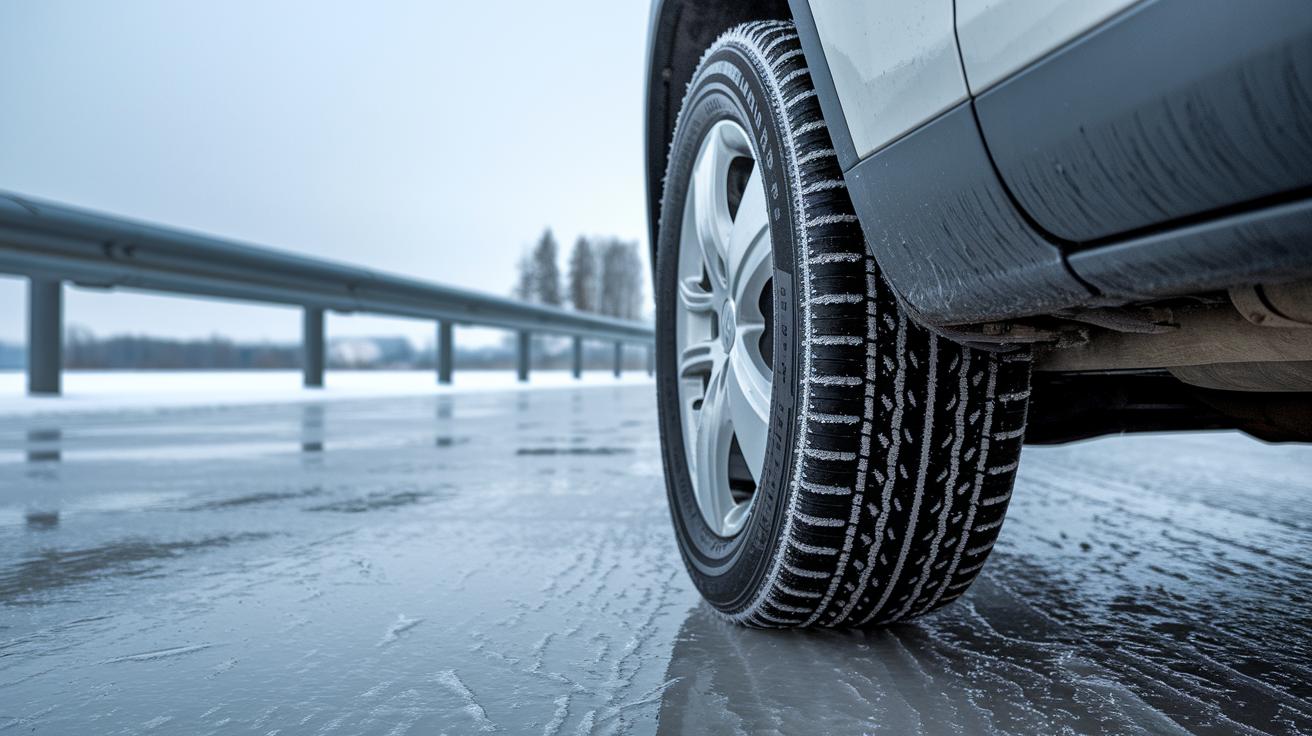


Ever notice how your tires seem to act up on a hot day or a frosty morning? When the temperature rises, it can soften the tire, and when it drops, the rubber gets hard (which means it doesn’t flex as well). This change can affect how well your car sticks to the road and might even compromise your safety.
In this chat, we’ll look at what happens to your tires in both extreme heat and biting cold. I’ll share some easy tips to help you manage these conditions so you can drive with more confidence. Understanding these changes is key to keeping that smooth, safe ride you rely on.
Extreme Temperature Effects on Tires: Performance and Safety
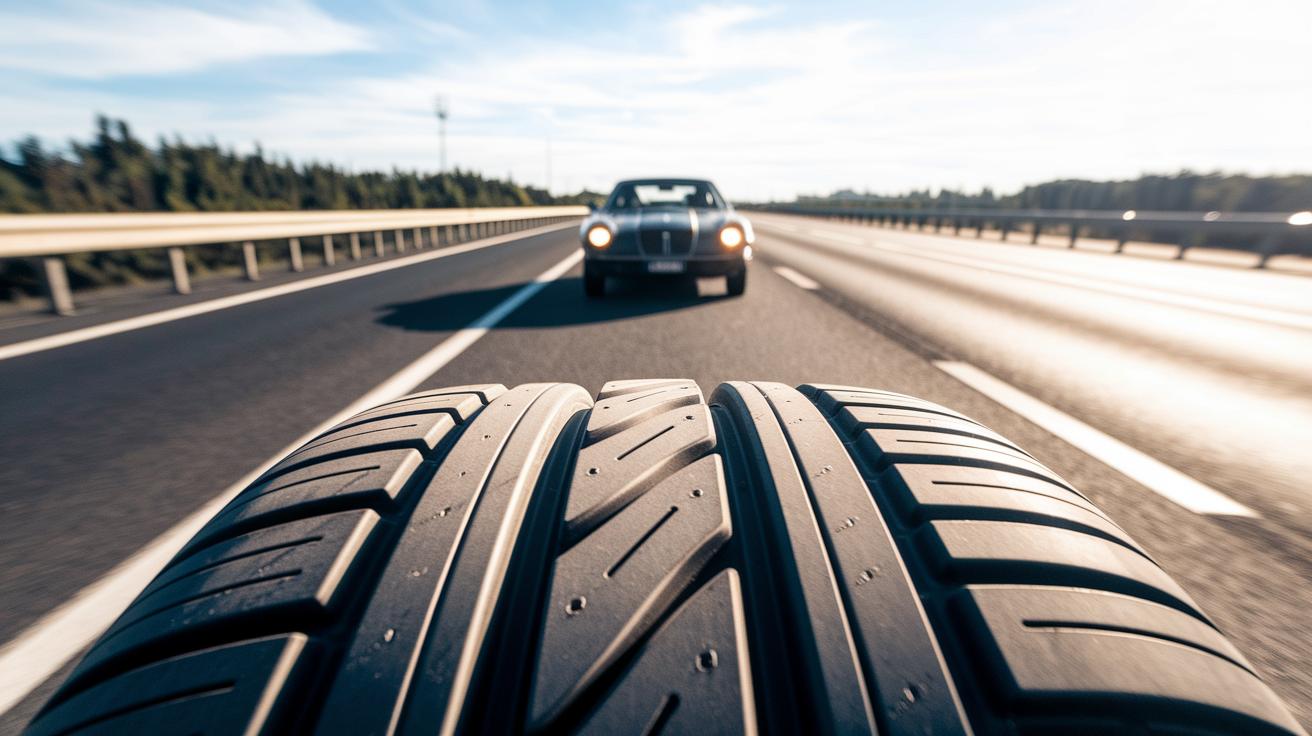
When it's really hot out, your tires can get soft. The heat makes parts like the tread (the part you drive on), bead, casing, and sidewalls lose a bit of their strength. This extra softness can lead to flats or even blowouts. Also, warm air inside the tire expands, which might cause overinflation. In simple terms, too much air means less tire contact with the road, making it harder to steer and stop safely.
On the flip side, cold weather makes tire rubber stiff and brittle. The tread doesn't bend as easily, so grip on icy or wet roads drops. Plus, cold air shrinks a bit, and this can leave your tires underinflated. Underinflation raises the effort needed to roll the tires and can wear them unevenly. This frozen kind of tire doesn’t react quickly, which can be risky when roads are slippery.
Switching quickly from hot to cold puts extra stress on your tires. These rapid changes can cause tiny cracks, especially along the sidewalls. Over time, these little breaks add up, making a tire more likely to fail suddenly. That’s why it’s so important to check your tires often if you face big temperature swings and to drive with extra caution.
Regular maintenance and a mindful driving approach go a long way in keeping your ride safe, no matter how hot or cold it gets.
High Heat Impact on Tire Wear and Structural Integrity
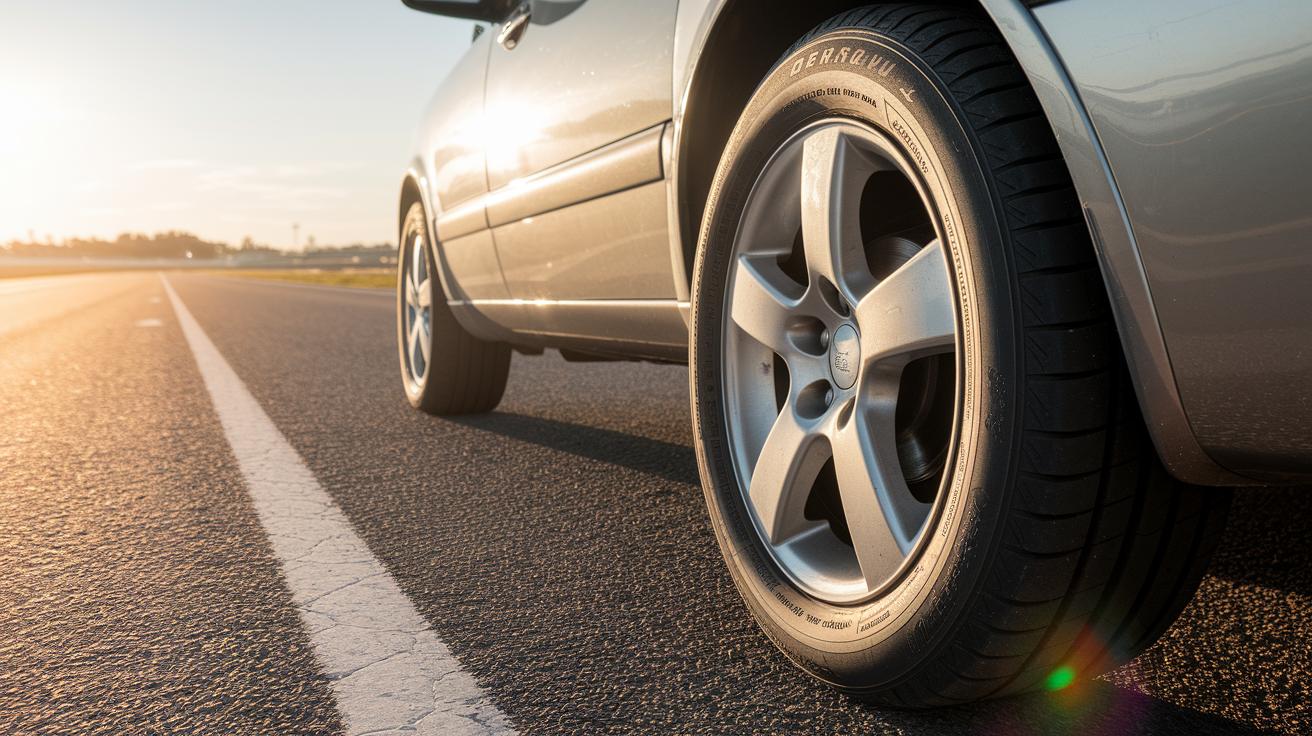
When the temperature climbs above 104°F, the tire rubber starts to soften, which makes it more open to damage. This softening means your tire isn’t as strong in holding weight, and it can wear out faster when burdened by heavy loads.
When the road heats up past 140°F, the part of your tire that touches the road (the tread) wears away more quickly, especially if it’s already a little low. At the same time, constant exposure to the sun strips away the rubber’s natural oils. This loss can lead to cracks forming along the sidewalls.
Overloading your vehicle in these hot conditions only makes matters worse by building up extra heat. That extra heat can really shorten your tire’s life. And sometimes, the high temperatures might even cause the tire to become overinflated, putting too much pressure on the middle of the tread. This stress can eventually lead to a sudden blowout.
- Tread softening that makes the rubber more prone to cuts
- Faster wearing away of the tread on hot pavement
- Cracks along the sidewalls from sun exposure and loss of oils
- Fatigue in the tire’s inner parts when overloaded
- Risks of bulging and blowouts due to extra heat
All these factors add up over time, weakening your tire’s structure. As the materials break down, your tires become less reliable, which can make your ride feel rougher and less safe on really hot days.
Cold Weather Influence on Tire Grip and Flexibility
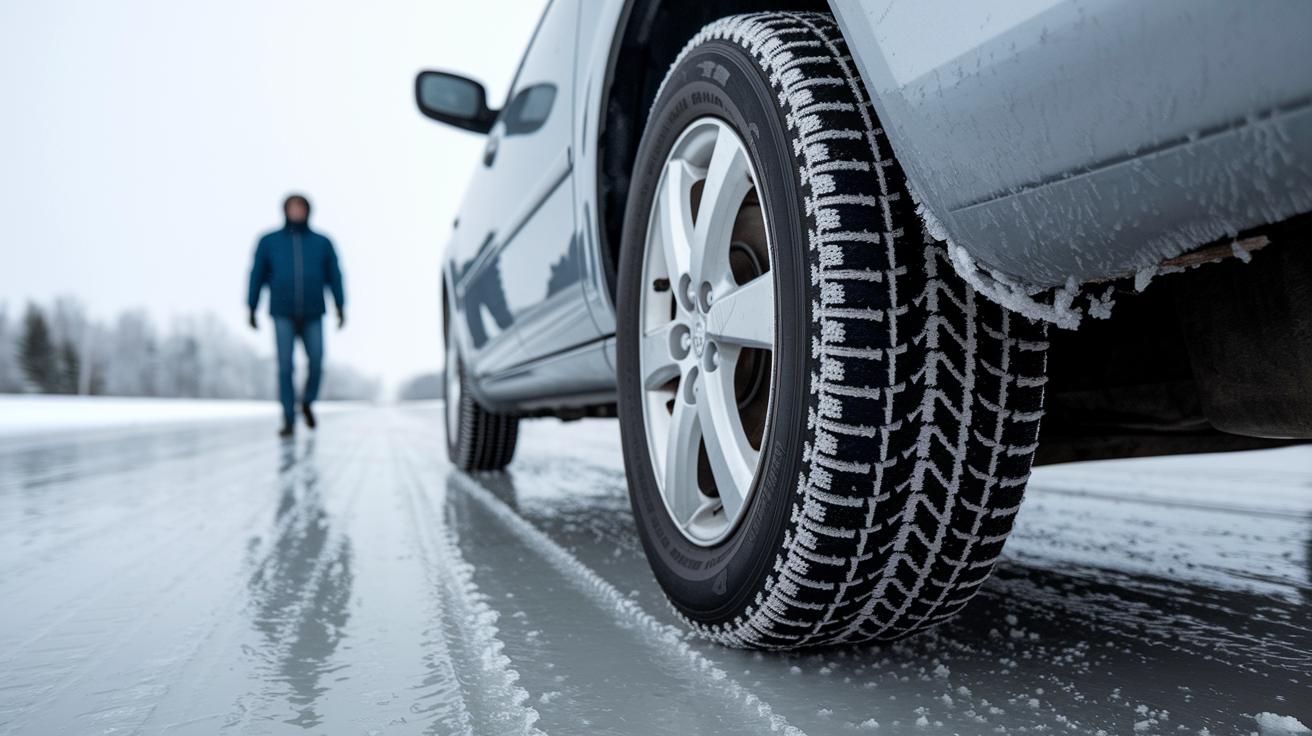
When it's colder than 32°F (0°C), your tire rubber starts to stiffen, losing up to 30% of its natural flexibility. That means the rubber becomes tougher and doesn’t wrap the road as nicely. With less give, the grooves in your tires struggle to hold on to icy or snowy surfaces, cutting traction by about 15–20%. Think of it like trying to walk on thin ice with stiff boots, your tires just can’t grip as well.
Plus, cold weather makes the air inside your tires shrink, dropping about 1 psi for every 10°F the temperature falls. Lower pressure means your tires have to work harder, which can change how your car handles on the road. Over time, this extra stress can cause uneven wear and even lead to cracks on the tire sides. So, on chilly days, a quick pressure check can really make a difference.
Pressure Fluctuation Challenges in Tire Performance under Temperature Extremes
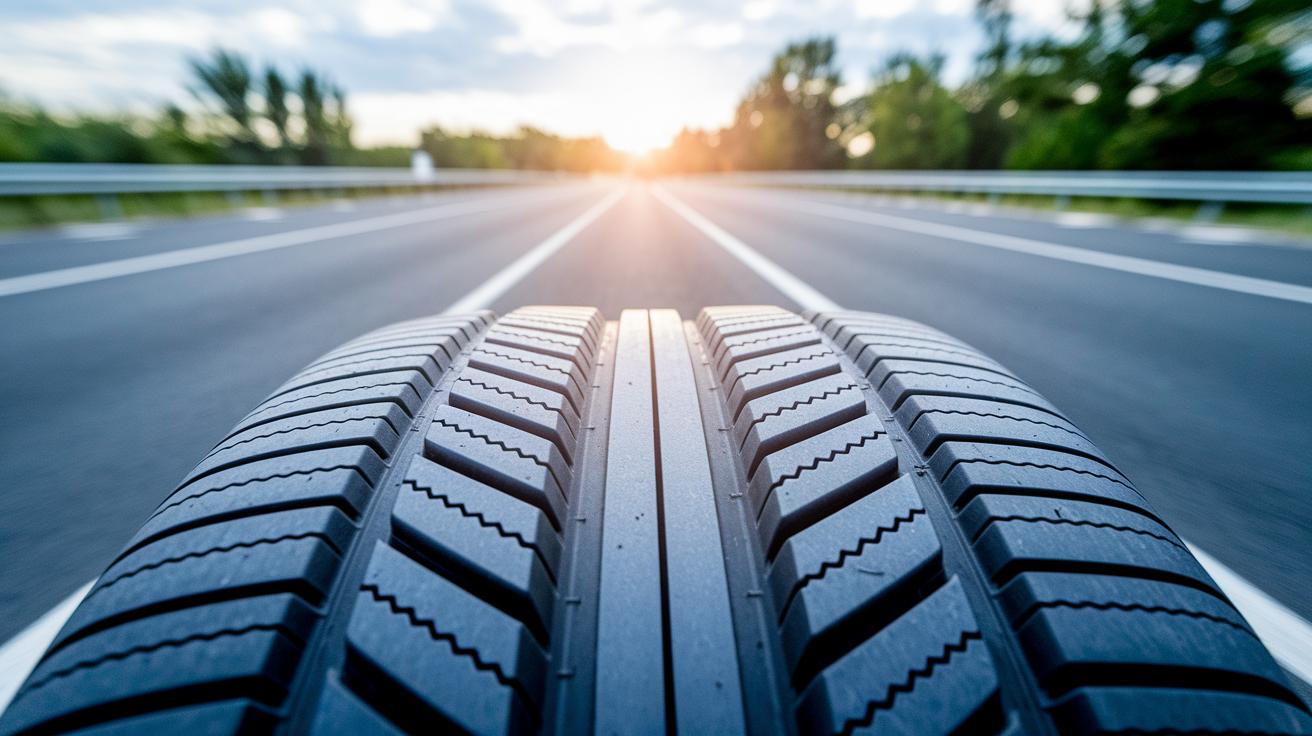
When the air in your tires warms up, it expands, and when it cools down, it shrinks. For every 10°F rise in temperature, the pressure goes up by about 1 psi, and it drops by about 1 psi for every 10°F fall. This can make your tires switch from being a bit too full to not full enough, and that change can affect how well they work.
When it's hot, the expanding air can lead to overinflation. This means there’s less tire touching the road (that little part where the tire meets the pavement) and it can wear out the center of the tread faster. On the flip side, when it's cold, the contracting air can cause underinflation. This makes the tire’s sides bend more than they should and wear out the shoulder areas, all while creating extra heat. Quick changes in pressure can even lead to problems like sudden blowouts or losing control.
It’s a good idea to check your tire pressure often, especially when the tires are cold, so you get the best reading. Staying on top of your tire's PSI means better grip on the road and a longer, safer life for your tires.
Thermal Stress and Tire Compound Breakdown
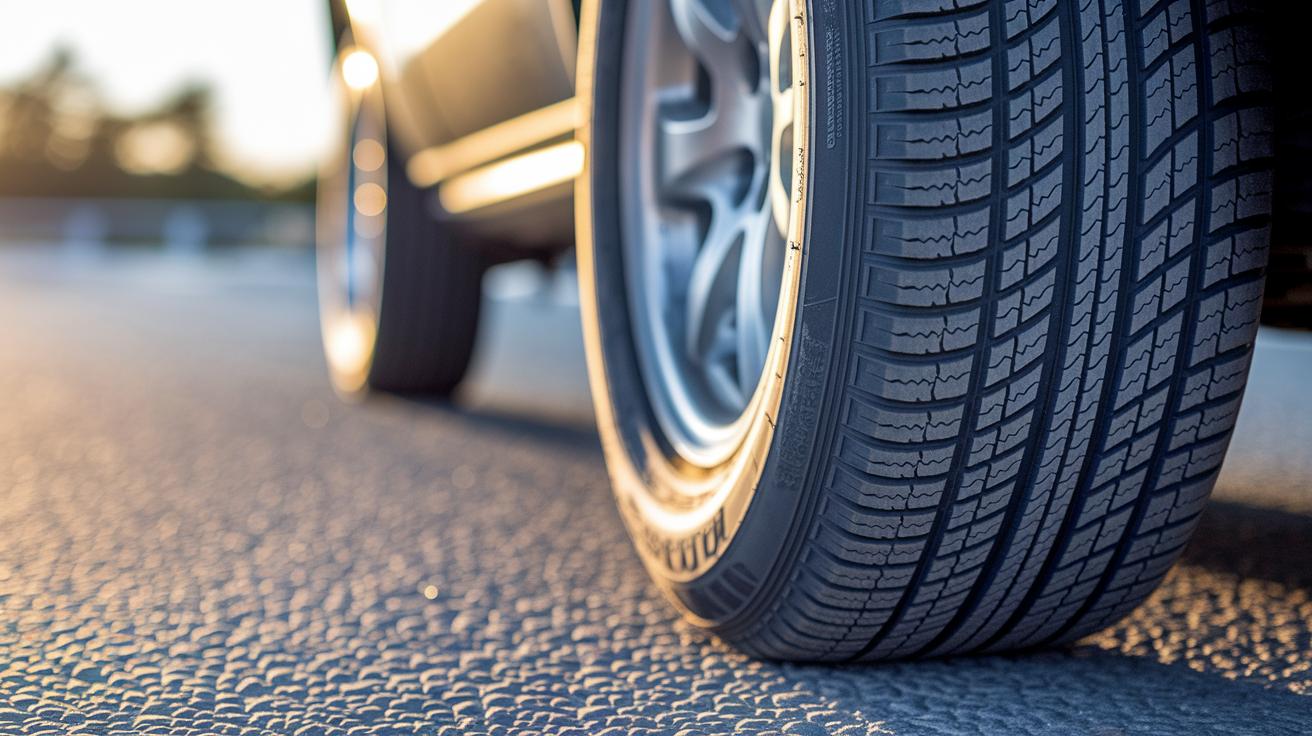
Every time temperatures go from hot to cold, your tire goes through tiny changes that add up. After about 100–200 cycles, these shifts can cause little cracks to form, weakening your tire bit by bit. It's like bending a paper clip over and over until it starts to lose its shape.
When a tire gets too hot, it speeds up a process called polymer oxidation (a chemical change that hurts the tire's strength), cutting its overall toughness by up to 40% in just a year. On the flip side, cold weather makes the rubber stiff, so it can snap under stress, imagine a hard candy that breaks when pressed.
Today's tire makers mix special ingredients like silica and carbon-black into the rubber. This smart blend helps the tire keep its strength, even when the temperature swings wildly. It’s like upgrading from a regular material to one that’s built to handle extreme weather without falling apart.
Maintenance and Mitigation Strategies for Tires in Extreme Temperatures
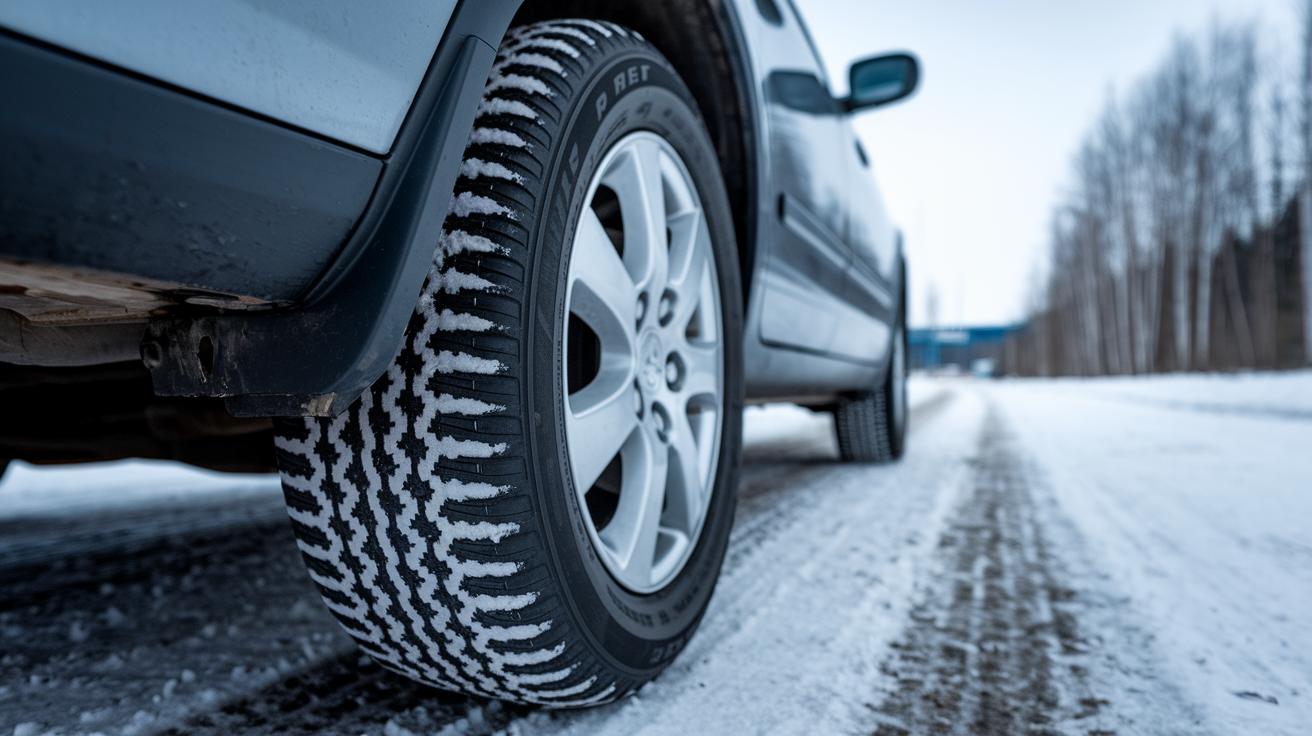
When the weather goes from scorching hot to freezing cold, taking care of your tires is as important as giving your engine a good tune-up. A few simple steps can help keep your tires strong and safe, even when conditions are tough. Keeping an eye on your tires feels a bit like checking the oil before a long drive, you just know it’s worth the time.
Here are some easy tips to follow:
- Check your tire pressure more often, and adjust it by about 1 psi for every 10°F change. (This helps keep the tires balanced as the temperature shifts.)
- Rotate your tires and get alignments done every 5,000 to 8,000 miles. You can check out more ideas for extended tread life at this link: https://tityres.com?p=2341
- Use a Tire Pressure Monitoring System (TPMS) and diagnostic software to get live updates on your tire’s pressure and temperature spikes. For installation help, visit: https://unionno.com?p=2575
- Pick the right tire compound that suits the season, one that can handle either intense heat or bitter cold.
- Regularly inspect your tire sidewalls and treads for any cracks, bulges, or unusual wear during these extreme seasons.
- Manage your tire load and air pressure to avoid too much heat buildup or structural problems.
- Park your car in the shade or use sunshields when you can to reduce damage from UV rays and heat.
By following these steps, you’ll help protect your tires from the harsh effects of extreme temperatures. Keeping your tires properly inflated, rotated, and checked using modern tools not only boosts their performance but also guards against early wear and tear. This kind of preventive care makes for a smoother and safer ride, no matter what the weather throws at you.
Final Words
In the action, we explored how high heat softens tire compounds and cold weather makes rubber stiff, all affecting handling and safety. We saw how temperature swings change tire pressure and can lead to uneven wear. Regular pressure checks and timely tire rotations go a long way in managing the effects of extreme temperatures on tires. Keeping up with smart maintenance means a safer, smoother ride. Stay on top of these tips and drive with confidence every day.
FAQ
Do tires expand in the cold and lose pressure?
The tires in cold weather contract rather than expand, so they lose pressure as the air inside becomes denser. Regular pressure checks when temperatures drop keep your ride safe.
What does the hot tire pressure vs cold chart show?
The hot tire pressure vs cold chart shows that tire pressure changes by about 1 psi with every 10°F shift in temperature. Checking pressure on cold tires helps maintain proper inflation.
How does extreme heat affect tires?
Extreme heat softens tire compounds, increasing the risk of tread wear, blowouts, and reduced handling performance. This heat stress can shorten tire life if not monitored closely.
What is the 3% rule for tires?
The 3% rule for tires indicates that if tire pressure varies more than 3% from the recommended level, performance and wear issues can arise. Regular checks help keep inflation within the proper range.
Is it okay to store tires in an unheated garage?
Storing tires in an unheated garage is acceptable if the space remains dry and avoids long periods of extreme cold, which can prematurely age the rubber. Consistent conditions help preserve tire quality.
What is the 7’7 rule for winter tires?
The 7’7 rule means winter tires should be replaced when the tread depth falls below 7/32 inches, ensuring you have enough grip on icy or snowy surfaces for safe driving.
What is Discount Tire?
Discount Tire is a well-known tire service provider offering quality tires, competitive prices, and reliable installation services to help drivers get the best performance and safety on the road.

