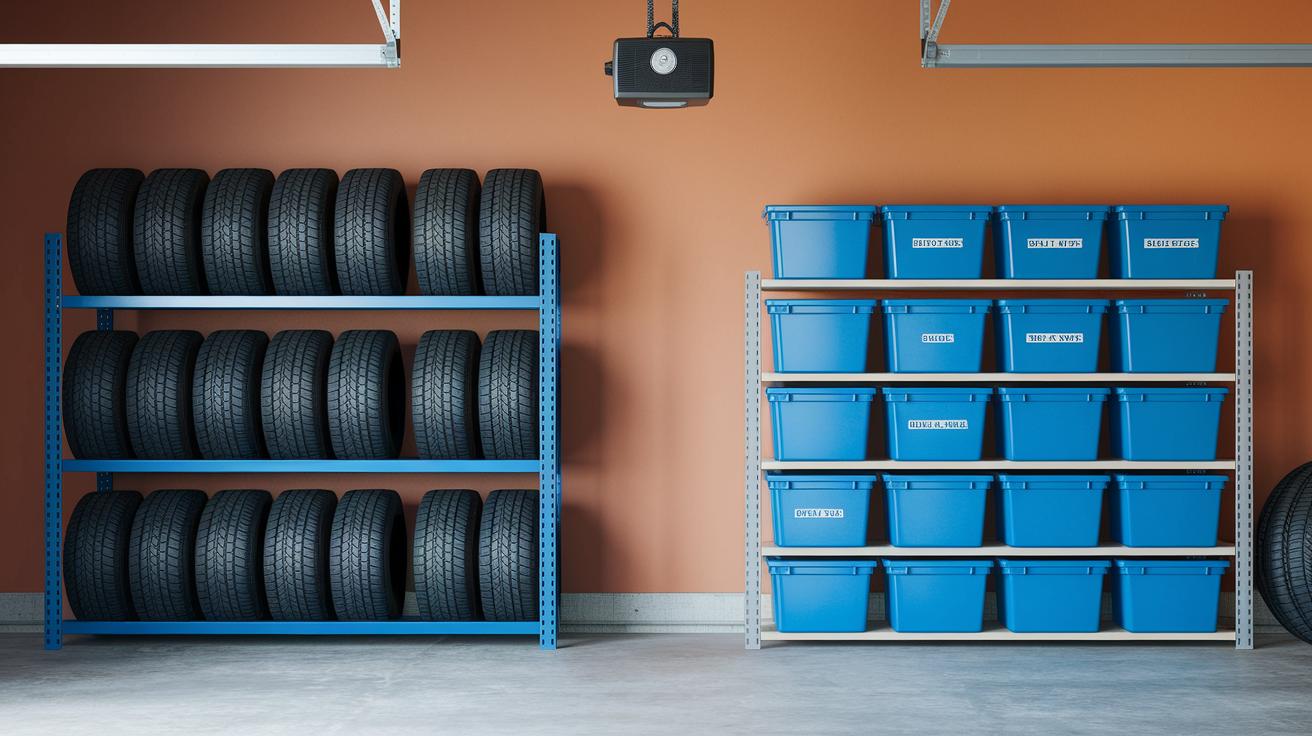


Ever thought about how the way you store your tires might help them last longer? This guide will walk you through easy steps to keep your tires in great shape.
We’ll cover how to clean your tires, check them for small issues, pick a good spot for storage, and even switch their positions to prevent flat spots (parts that wear unevenly when tires stay in one spot for too long).
A bit of care goes a long way, it saves you money and makes sure your tires work when you need them most. Ready to give your tires a little extra life?
Proper Tire Storage Approaches: A Step-by-Step Guide
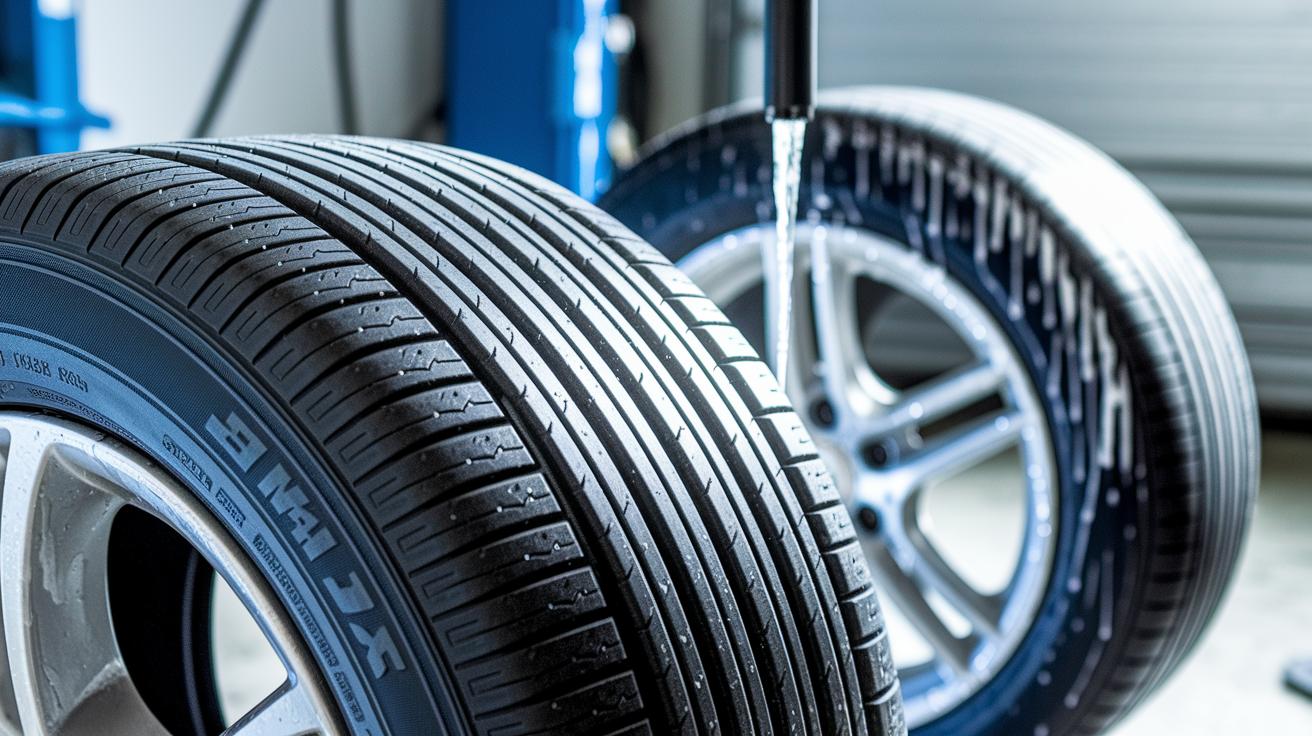
First, give your tires a good clean-up. Mix a bit of gentle soap with water and wash off any dirt, grease, or bits of debris from both the tread (the part that touches the road) and the side. Then let them air out completely, like letting fresh air do its magic, to stop any mold from forming.
Next, take a close look at each tire. Run your eyes over the treads and sides to spot any cuts, cracks, or holes. This simple check helps you catch small issues before they turn into big problems when you're not driving.
Then, pick a good spot to store your tires. A cool, dry place like a garage, basement, or even a special closet works best. Keep them in a spot where the temperature stays between 32°F and 77°F. Think of it like storing your favorite sneakers in a place that keeps them just right.
After that, set your tires in the proper way. If you have unmounted tires, stand them up on racks or shelves. For tires that are already on rims, you can stack them or hang them on hooks. And every 4–6 weeks, switch up their position a bit to help prevent flat spots. Kind of like moving your garden plants around to let them grow evenly.
Finally, pack each tire in a well-sealed plastic bag or container to keep out moisture. Squeeze out the extra air and seal it tight so the tires stay fresh and ready for your next ride.
Choosing the Ideal Environment for Tire Storage

Keep your tires in a spot where the temperature stays nice and steady, between 32°F and 77°F. A simple garage, basement, or even a special closet works great to stop the rubber from cracking when it's too hot, too cold, or too moist. It also keeps them safe from harsh sunlight and ozone from nearby equipment.
When you store your tires indoors, you’re protecting them from quick temperature swings and heavy humidity that can make the rubber wear out faster. Picture a tire sitting out in the sun, slowly losing its firmness like ice melting on a warm day. Even a shed can let in too much heat and moisture, which might lead to cracks and dry rot.
It’s a lot like keeping your favorite snack in a cool pantry, it stays fresh longer. This simple step helps your tires last and keeps them gripping the road when it counts.
Taking these easy precautions is a smart way to make sure your tires stay in top shape without any extra hassle.
Best Practices for Tire Preparation Before Storage
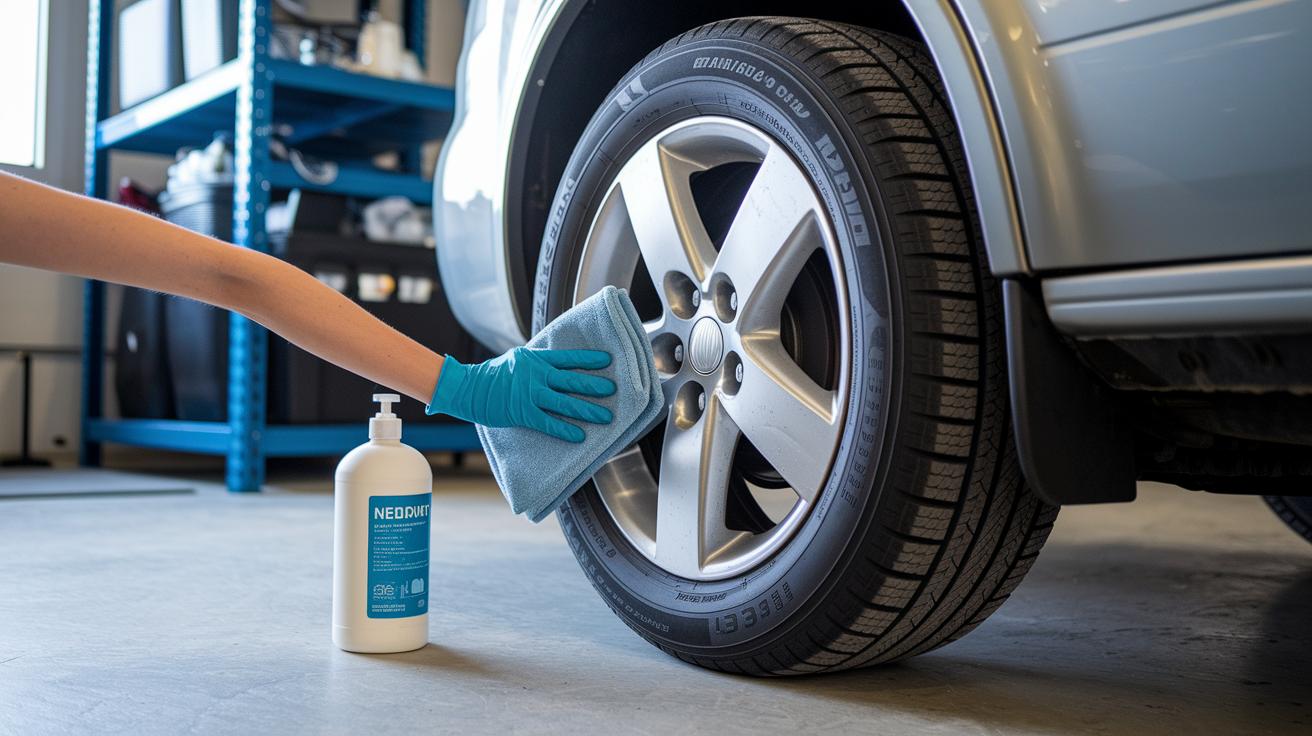
Keeping your tires clean is key to stopping them from wearing out early. Stick with mild, pH-neutral cleaners and avoid harsh chemicals like petroleum distillates or strong solvents. Using those rough products is like letting a slow chemical spill eat away at your tire's grip.
Before tucking your tires away, take a close look at your storage spot. Clean up any leftover dirt or oily patches because even tiny bits of grime can speed up oxidation (when oxygen reacts with a tire’s materials), which makes the rubber crack and harden over time, especially in damp conditions.
If you're cleaning your tires on a humid day or in extreme weather, make sure they dry completely. A fan or a quick swipe with a clean, dry cloth will help keep mold at bay. It’s just like drying your hands after washing them, you need to get every drop of moisture off.
| Do | Don’t |
|---|---|
| Use mild, pH-neutral detergents | Use cleaners with petroleum distillates |
| Thoroughly dry tires before storage | Store in a damp area |
| Prepare storage area by removing debris | Ignore residual grime |
Effective Positioning and Stacking of Stored Tires
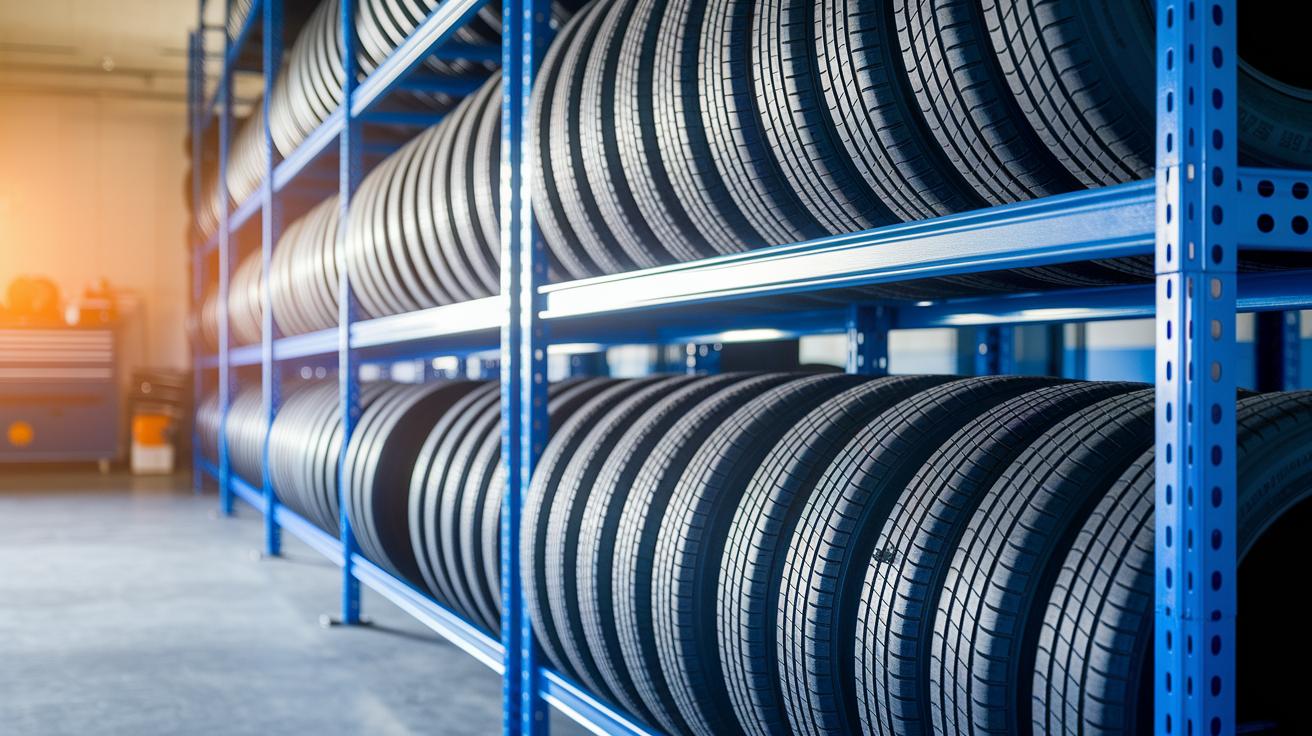
Keeping your tires well positioned makes sure they stay in great shape and ready to hit the road. If your tires aren’t mounted on wheels, store them upright on a rack or shelf, much like neatly stacking your favorite books. Rotating them every 4 to 6 weeks also helps avoid flat spots and spreads out wear, keeping each tire round.
Storing Unmounted Tires
When your tires are unmounted, set them upright on a dedicated rack or shelf. This simple method stops extra pressure from building on the sidewalls, which helps the tires hold their proper shape.
Storing Mounted Tires
For tires that are already mounted, lay them out horizontally in a neat row or hang them using special hooks. Both ways work great to prevent too much pressure from forming on one area. And don’t forget to rotate the stacks every 4 to 6 weeks to keep flat spots at bay.
| Type | Method | Rotation Interval |
|---|---|---|
| Unmounted Tires | Keep upright on racks or shelves | Every 4–6 weeks |
| Mounted Tires | Stack side-by-side or hang with hooks | Every 4–6 weeks |
Indoor vs Outdoor Tire Storage: Safety Precautions

When you store tires indoors, you’re giving them a safe haven from harsh weather. Keep them in a climate-controlled spot (between 32°F and 77°F) and raise them up on pallets so they don't touch cold, damp surfaces. Using eco-friendly totes or reusable plastic bags can also help keep moisture at bay.
Storing tires outdoors, however, means they face UV rays, ozone, and moisture, all of which can make dry rot and cracking happen faster. So if outdoor storage is your only option, be sure to cover your tires with UV-resistant covers and keep them off the ground to avoid extra water and debris.
- Use UV-resistant covers when your tires are out in the sun.
- Elevate tires on pallets to reduce contact with moisture and debris.
- Think about using eco-friendly totes or reusable plastic bags for better moisture control.
Maintaining Tire Integrity During Long-Term Storage

Keeping your tires in great shape is easier than you might think. Every month, give your stored tires a quick check for any cracks, dry rot (where the rubber gets brittle), or any weird bends. A simple look at the treads can show if they’re wearing unevenly or just starting to age. It’s a bit like glancing at your car’s dashboard to catch a small problem before it turns into a bigger headache. Ever notice a small dip in your tire tread and fix it before it becomes an issue?
Also, make it a habit to check that your tire pressure matches the manufacturer's advice. Before you put your tires back on your vehicle, adjust the air pressure and tighten the lug nuts (that’s what holds the tire in place) to the right settings. Think of it as giving your bike a quick tune-up before a long ride, a little adjustment can go a long way.
It really helps to keep a simple checklist. Jot down the date of each inspection, note the weather, and record any fixes you make. This list can be your handy guide when you swap your seasonal tires or get them ready for another trip.
- Check for cracks, dry rot, or any unusual bends
- Look at the tread for uneven wear patterns
- Keep the tire pressure right and tighten the lug nuts properly
- Maintain a checklist of your inspections and any actions taken
These small steps are just like routine tune-ups for your car. They help keep your wheels in top shape and ready to roll whenever you are.
Final Words
In the action, we revisited a clear guide on tire care from cleaning and thorough inspection to selecting a climate-controlled spot. We touched on storing tires upright or stacking them securely, plus the need to rotate them every few weeks to avoid flat spots.
Following these proper tire storage techniques means you can keep your tires ready for any drive. A little care goes a long way to boost tire performance and reliability, keeping every trip safe and smooth.
FAQ
Q: What are proper tire storage techniques according to Reddit?
A: The discussion on Reddit about proper tire storage techniques refers to cleaning, inspecting, and storing tires in cool, dry, and climate-controlled spaces while sealing them in bags and rotating positions to avoid flat spots.
Q: What are proper tire storage techniques for winter?
A: The tire storage techniques for winter mean cleaning the tires thoroughly, drying them completely, sealing them in airtight bags, and keeping them in a climate-controlled spot to ward off moisture damage.
Q: How do you store unmounted tires?
A: The way to store unmounted tires is by placing them upright on racks or shelves; this helps maintain their shape and prevents stress on the sidewalls.
Q: What should you consider when storing tires in a storage unit?
A: The best approach for storing tires in a storage unit involves keeping them in a climate-controlled area, sealing each one in a plastic bag, and elevating them off the ground to avoid moisture damage.
Q: How long can tires be stored in a garage?
A: The period for storing tires in a garage can be long if the space stays stable, with tires regularly inspected, cleaned, and rotated to keep them in good condition.
Q: What are airtight tire storage bags used for?
A: The use of airtight tire storage bags means protecting tires from moisture, dust, and oxygen, which helps prevent dry rot and deterioration over time.
Q: What pressure should tires have during storage?
A: The tire pressure during storage should be set at a moderate level around manufacturer specs to prevent deformation and flat spots while they are not in use.
Q: What does discount tire storage refer to?
A: The term discount tire storage refers to budget-friendly storage options that still offer proper sealing, positioning, and protection to maintain tire quality.
Q: Should tires be stored flat or standing up?
A: The proper storage method is keeping tires standing up, especially unmounted ones, as this helps retain their shape and minimizes stress on the sidewalls.
Q: What is the correct way to store tires?
A: The correct way to store tires involves cleaning and drying them, checking for any damage, sealing them in airtight bags, and placing them in a cool, dry area with regular position rotation.
Q: What is the 3% rule for tires?
A: The 3% rule for tires means that tires lose about 3% of their tread each year, which serves as a guideline for regular inspection and timely rotation or replacement.
Q: Is it better to store tires inflated or deflated?
A: The best practice is to store tires with a moderate level of inflation; this helps maintain their structure and prevents flat spots while keeping them ready for use.

