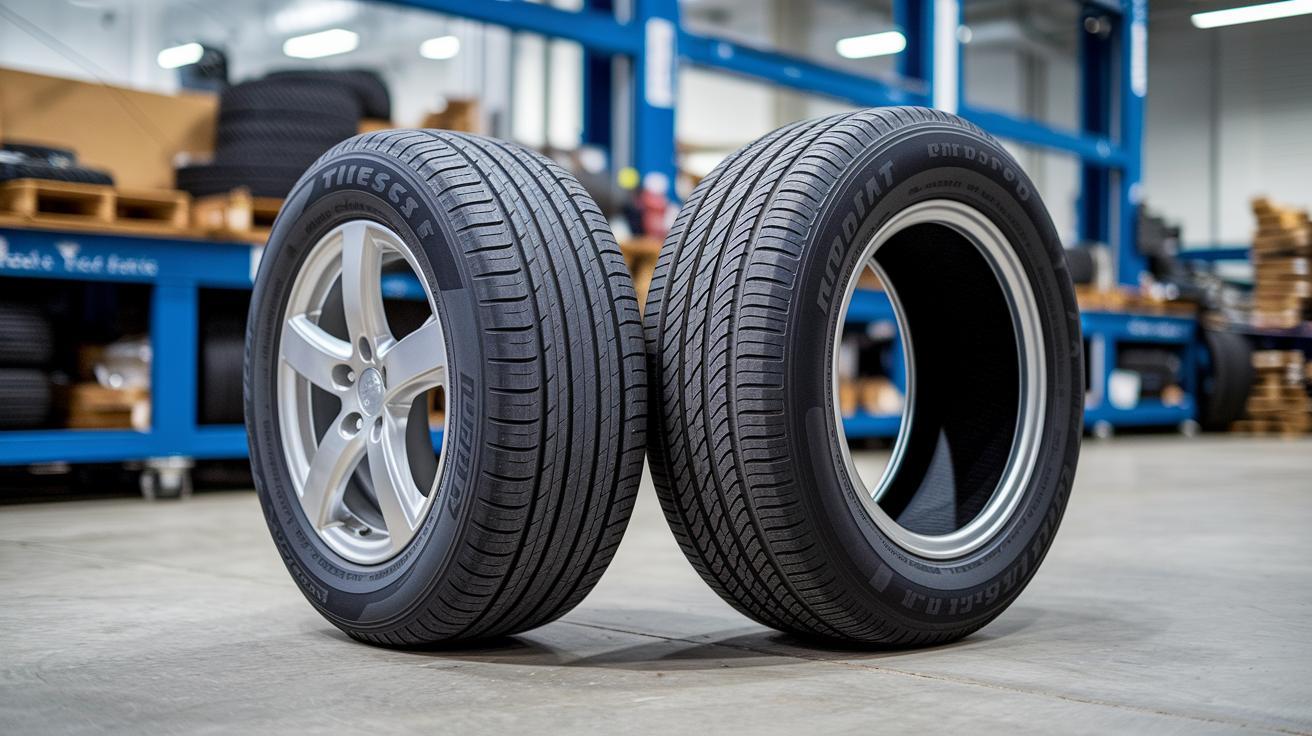


Ever think your tires might be smarter than you imagined? Today's tires have come a long way from just rolling along. Some even have small sensors (little gadgets that check your tire pressure and how fast the tire rubber wears away) that give you a quick heads-up when something’s not right. And you know what's cool? A few tires come with extra built-in supports so you can keep driving even if you get a little puncture. In this piece, we're chatting about how these tire designs vary and how each one could boost your driving safety. Stick with us, and you'll soon know which tire fits your needs best.
Smart Tires vs Run-Flat Tires: Core Functional Differences
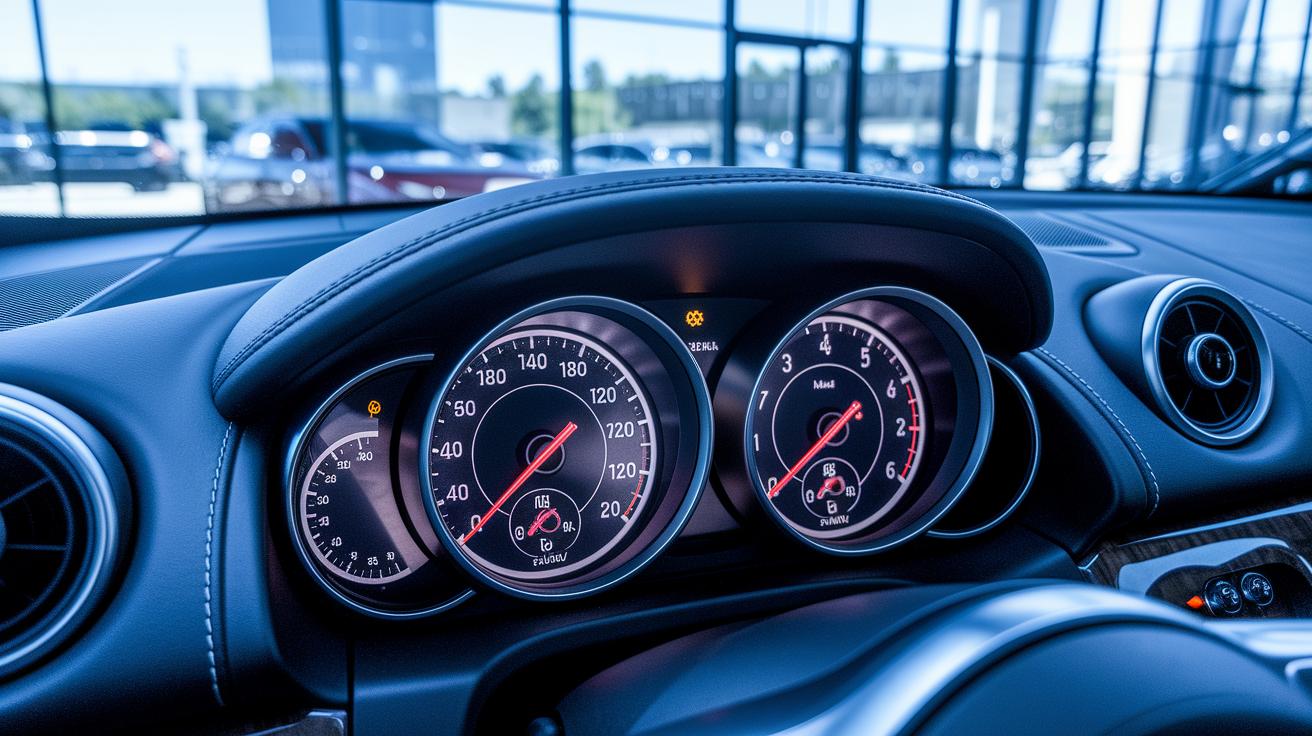
Smart tires come with tiny sensors that keep track of pressure, temperature, and even how fast the tread is wearing (that is, how quickly the rubber gets smooth). They can adjust the air inside on the fly and send a friendly alert to your dashboard, like "Low pressure detected, please check your tire." This way, you get a heads-up before a small problem grows into something bigger.
Run-flat tires work in a different way. They have tough sidewalls, built-in supports, and cooling fins so that even after a puncture you can still drive. This design lets you cover up to 50 miles at 50 MPH if you get a flat, which is a real lifesaver compared to regular tires that collapse when they lose air. Both smart and run-flat tires use a Tire Pressure Monitoring System (TPMS) to watch for low pressure, but smart tires give you real-time updates on your tire’s condition.
For more background on how these tire technologies have evolved, check out the tire tech and auto repair center (https://thecivics.com?p=1229).
Safety Features: Smart Tire Diagnostics vs Run-Flat Emergency Support
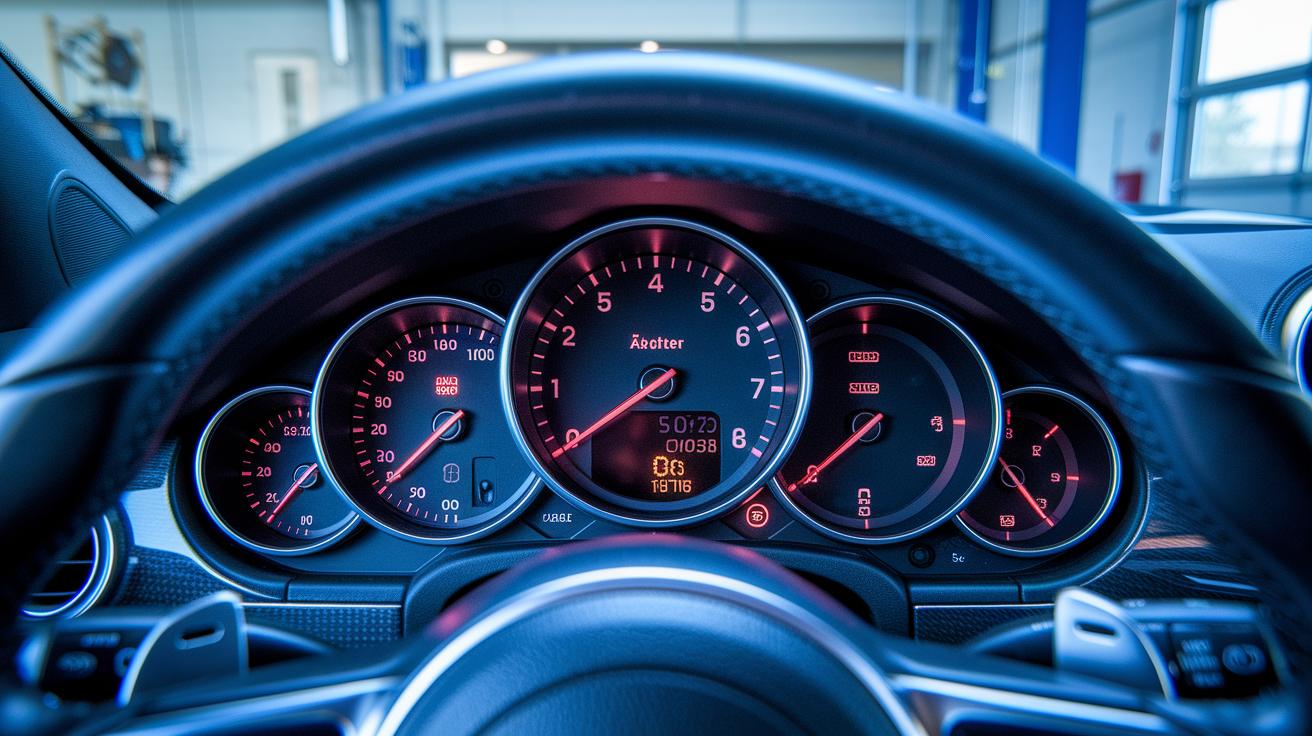
Run-flat tires have tough sidewalls that let you keep moving even after a puncture. They let you travel up to 50 miles at a slower pace. But remember, if you drive a run-flat tire when its pressure falls below 15 psi, it could be damaged for good and need a full replacement.
Smart tires work a little differently. They come with sensors that check the tire's pressure, temperature, and how worn the surface is (that's tread wear, or how quickly the tire's surface wears down). These smart sensors send you a friendly alert right on your dashboard, like, "Low pressure detected, please check tire", so you can take care of the issue early.
Both tire types rely on a Tire Pressure Monitoring System (TPMS) to keep an eye on things. Smart tires even use continuous updates to warn you before problems get worse. Experts say it's best not to mix run-flat tires with regular ones, since doing so can cause unusual handling and lower safety.
Driving Performance: Smart Tire Handling vs Run-Flat Ride Characteristics
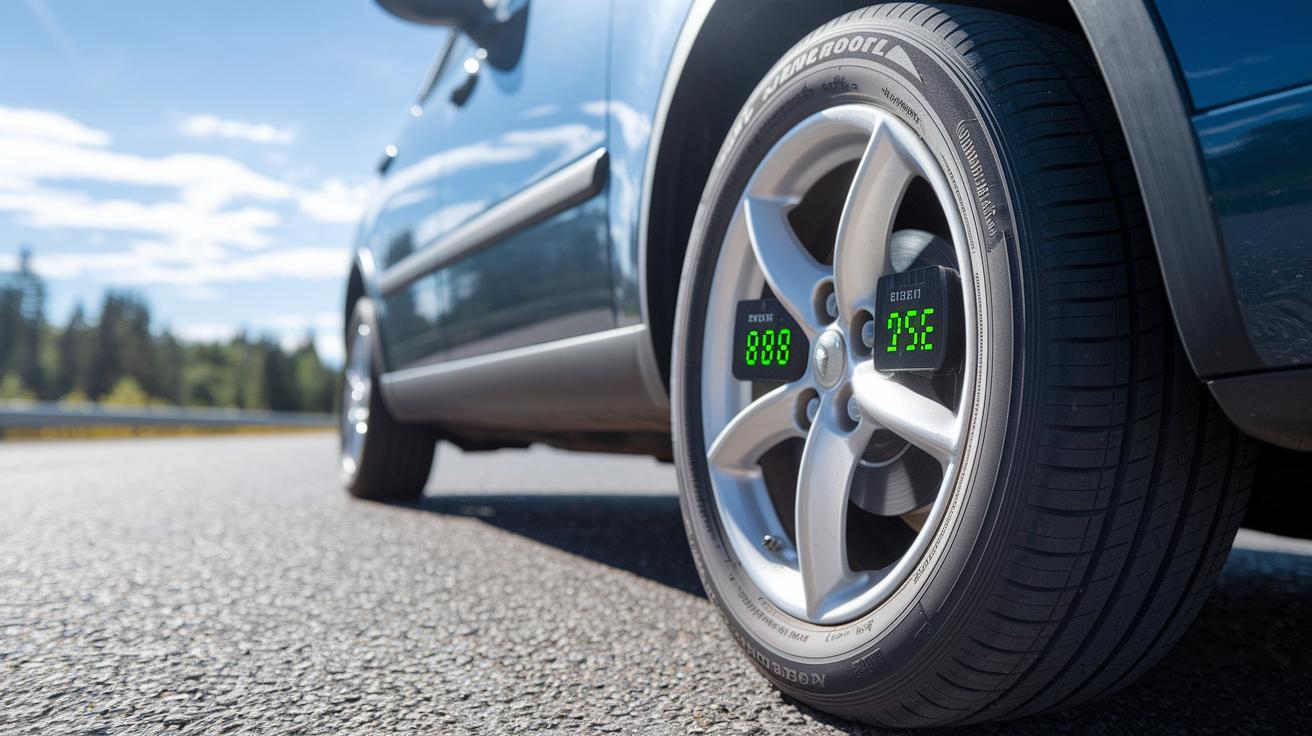
Smart tires come with smart sensors that change the air pressure as you drive. This helps keep the tire in full contact with the road, giving you better grip and smoother rides. It’s like your tire knows just when to relax so your journey stays steady and predictable.
Run-flat tires, on the other hand, have tougher sidewalls built to keep you moving even after a puncture. Because of this extra strength, they can feel a bit stiffer and noisier, and you might even notice a small drop in fuel economy – kind of like carrying a little extra weight on your wheels.
Standard tires just depend on air pressure alone, and when everything’s working perfectly, they offer a smooth ride and quick handling. Meanwhile, smart tires come with a system (Tire Pressure Monitoring System, which is a tool that keeps your tire pressure steady) that helps with better cornering and braking, even when the load changes.
Imagine cruising along a twisty road while your smart tires adjust instantly to keep you on track. That quick, dynamic response is what sets them apart from run-flat tires.
Durability and Cost: Smart Tire Maintenance vs Run-Flat Replacement Considerations
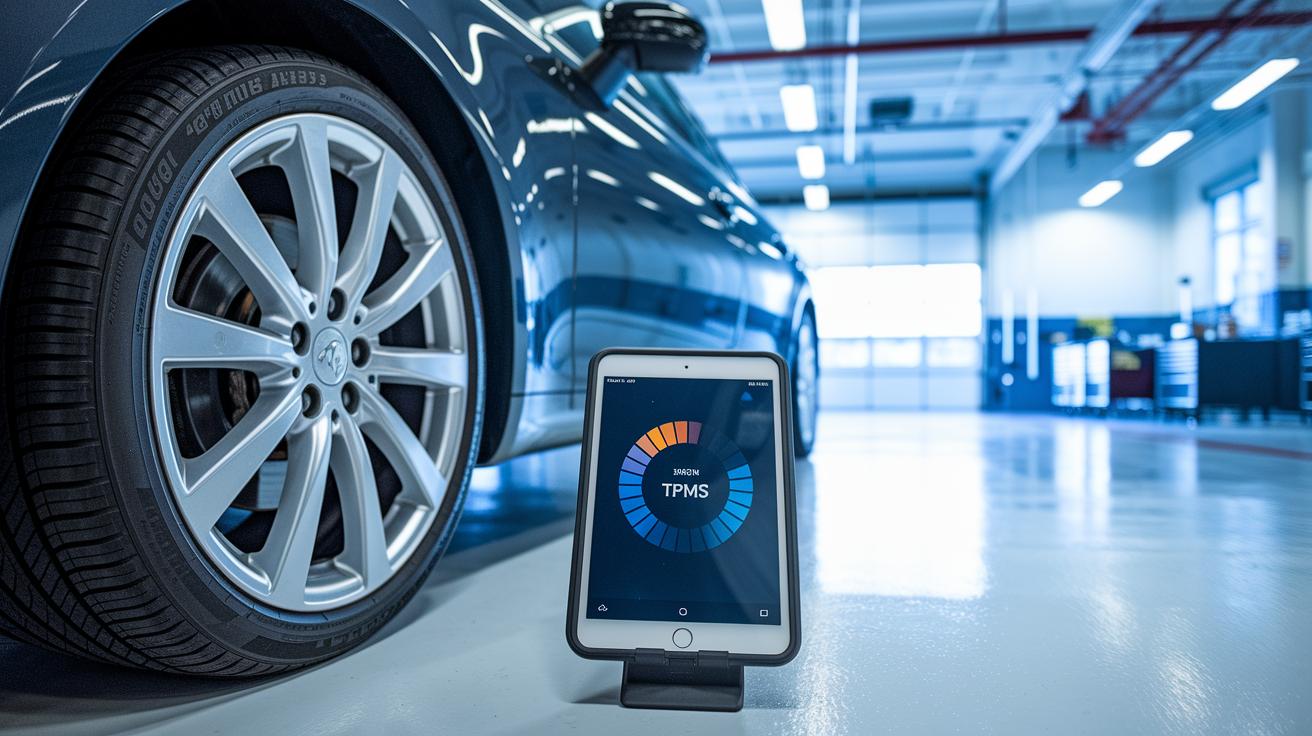
Smart tires work like a helpful buddy on your daily drive. They keep an eye on themselves through sensor calibration and firmware updates, letting you know how they're doing without relying on old-school repairs. They report details like tire pressure, temperature, and tread wear (that is, how fast the tire’s surface wears out) so you can tell when a recalibration or update is needed. A quick TPMS (Tire Pressure Monitoring System) check helps catch any issues early, making sure your tires keep performing well.
Run-flat tires, on the other hand, carry a higher price tag at first. Their strong sidewalls are designed to let you keep going after a puncture, but if tire pressure drops below 15 psi, they can get damaged for good, meaning you have to replace them completely. Repair options are very limited, so even a small puncture might lead to a costly fix. In contrast, regular tires can often be mended with a simple plug-and-patch, making them a more budget-friendly pick over time.
Here’s a quick look at the differences:
| Smart Tires | Run-Flat Tires |
|---|---|
| Keep track of their condition with real-time data. | Require full replacement after significant air loss. |
| Use scheduled updates to stay in top shape. | Have limited repair options, increasing costs. |
| Benefit from routine TPMS checks. | TPMS inspections are crucial to avoid permanent damage. |
In the end, while smart tires need regular updates and a bit of sensor care, this approach might save you money by steering clear of sudden, expensive replacements common with run-flat tires. Ever notice how a simple check-up can make your ride feel so much smoother?
Technology Integration and Future Developments: Smart Tires vs Run-Flat Tires
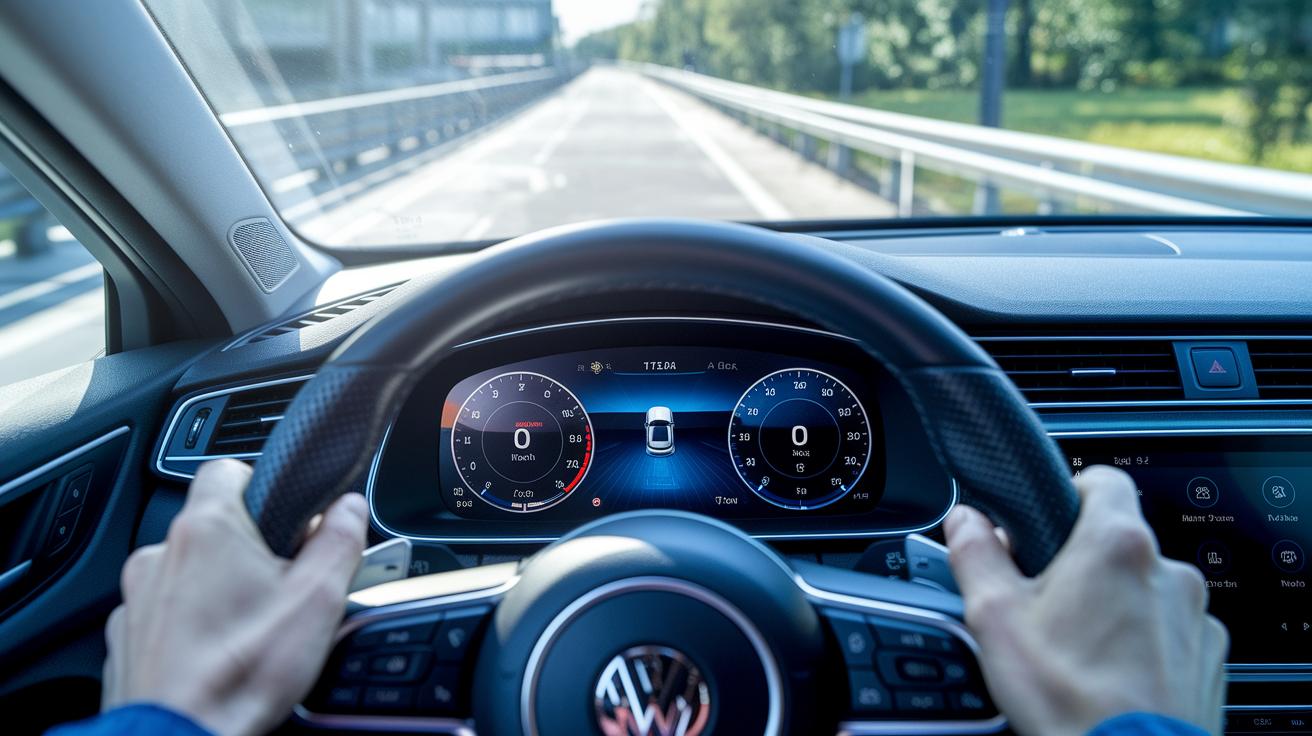
Smart tires blend modern car tech with smart sensors that keep an eye on your tire pressure, temperature, and even how quickly the outer layer wears out (tread wear). They send quick updates to your car’s display, almost like a friendly reminder on a clear day, letting you know when something's not quite right.
Run-flat tires, however, still follow a design that’s been around for nearly a century. They were first made for military vehicles to keep things moving when a tire goes flat. These tires rely on strong, extra-thick sides to support your car if you get a puncture, without the need for any wireless gadgets.
The introduction of tire pressure monitoring systems (TPMS) has led to cool new features like smart tire updates over the air and even future tools that predict maintenance needs for big fleets. Car makers are now checking out new materials, like self-healing polymers (which can fix small cuts or abrasions on their own), to make tires even smarter. It’s like watching a car tire slowly patch up itself while you drive. With these advances, you might soon find your tires not only alerting you to issues but also adapting and even repairing themselves. The road ahead looks exciting.
Selecting Smart Tires vs Run-Flat Tires: Application Scenarios for Drivers
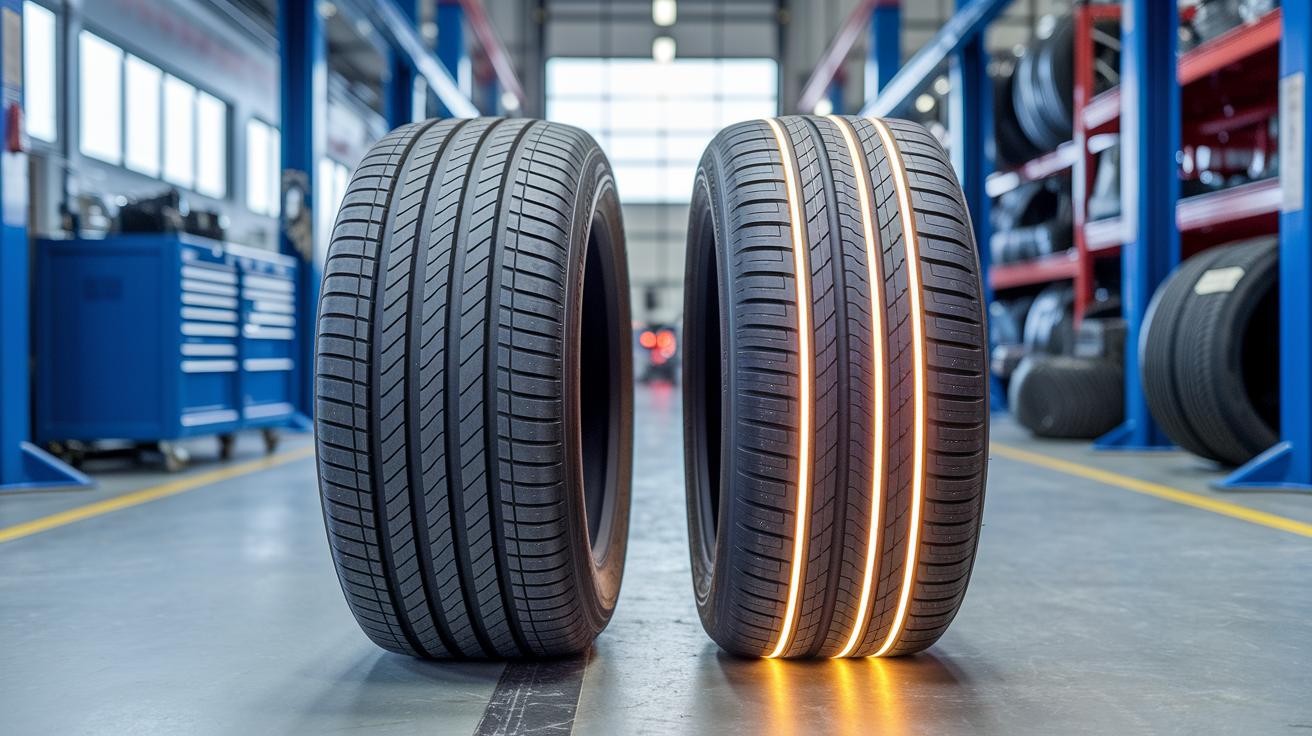
When you’re venturing into remote areas, run-flat tires can be a lifesaver. They let you continue driving after a puncture so you can reach a service center without too much delay. These tires give you a handy backup when emergency strikes.
Smart tires, on the other hand, are built with modern tech. They come with sensors that send you alerts for maintenance. Imagine your tire letting you know about a pressure drop even before you notice any changes. This means you can fix things in good time.
Your driving style really matters when choosing between these options. If you run a fleet or love getting tech updates, smart tires offer a steady stream of data to keep your ride safe. But if you often drive far from service areas, run-flat tires help you stay on the road even in tough situations.
| Driving Scenario | Run-Flat Tires | Smart Tires |
|---|---|---|
| Long-Distance or Remote Driving | Keep moving in emergencies | Less need for real-time alerts |
| Fleet Operations | Fewer benefits from sensor data | Instant tips for upkeep |
| Comfort-Focused Driving | A firmer ride might be less comfy | Standard comfort without extra tech |
Matching your tire type with your usual driving conditions can make your trips smoother and give you extra peace of mind.
Final Words
In the action, we explored how smart tires adjust pressure with sensors while run-flat tires let you keep rolling after a loss in air. We talked about safety features, ride quality, and overall costs, breaking down how each type works in everyday driving. The blog shared insights on real-time tire diagnostics, emergency support, maintenance, and technology. Smart tires vs run-flat tires: key differences explained in clear, everyday terms. Keep these points in mind for a smoother, safer drive ahead.
FAQ
What are the pros and cons of run-flat tires versus regular tires?
Run-flat tires let you drive safely after a puncture, thanks to reinforced sidewalls, while regular tires offer a smoother ride and easier repairs that can reduce overall costs.
How do run-flat tire prices compare to regular tire prices?
Run-flat tires typically cost more because of their special design and limited repair options, compared to regular tires that are less expensive to buy and fix.
How does the driving performance of run-flat tires differ from that of regular tires?
Run-flat tires allow driving for up to 50 miles after a puncture but tend to deliver a firmer ride, whereas regular tires usually provide smoother handling and less road noise.
Why has BMW stopped using run-flat tires?
BMW moved away from run-flat tires because they offer a stiffer ride and incur higher replacement costs, leading to a preference for tires that deliver better comfort and performance.
How can I tell if a tire is a run-flat tire?
You can tell a tire is run-flat by checking for special markings and reinforced sidewalls that signal the tire’s self-supporting design during pressure loss.
What should I know about Continental and Michelin run-flat tires?
Continental and Michelin run-flat tires feature reinforced structures to let you drive for a short distance after a puncture, though they cannot be repaired once the tire loses pressure.
How do smart tires work compared to run-flat tires?
Smart tires use built-in sensors to offer real-time alerts on pressure and temperature, whereas run-flat tires rely on physical reinforcement to keep the vehicle moving after a puncture.
Which type of tire gives the most comfortable ride?
Regular tires tend to give a more comfortable ride with smoother handling and quieter performance compared to the stiffer design of run-flat tires.
What is a key downside of using run-flat tires?
A major downside is that run-flat tires provide a harsher ride and higher replacement costs since they generally need full replacement if used below safe pressure levels.

