


Have you ever thought that even a small tire flaw could put your car at risk? Regular tire checks are like giving your ride a quick health checkup, spotting tiny issues before they become big problems. When you inspect your tires often, you can catch worn tread (the part of your tire that touches the road) or sidewall damage (the outer edge of your tire) early. This means you'll enjoy a smoother, safer drive and even save fuel and money. In this article, we'll chat about how simple tire checks can keep you safe and help your car run at its best.
Why Regular Tire Inspections Matter for Safety, Performance & Cost Savings
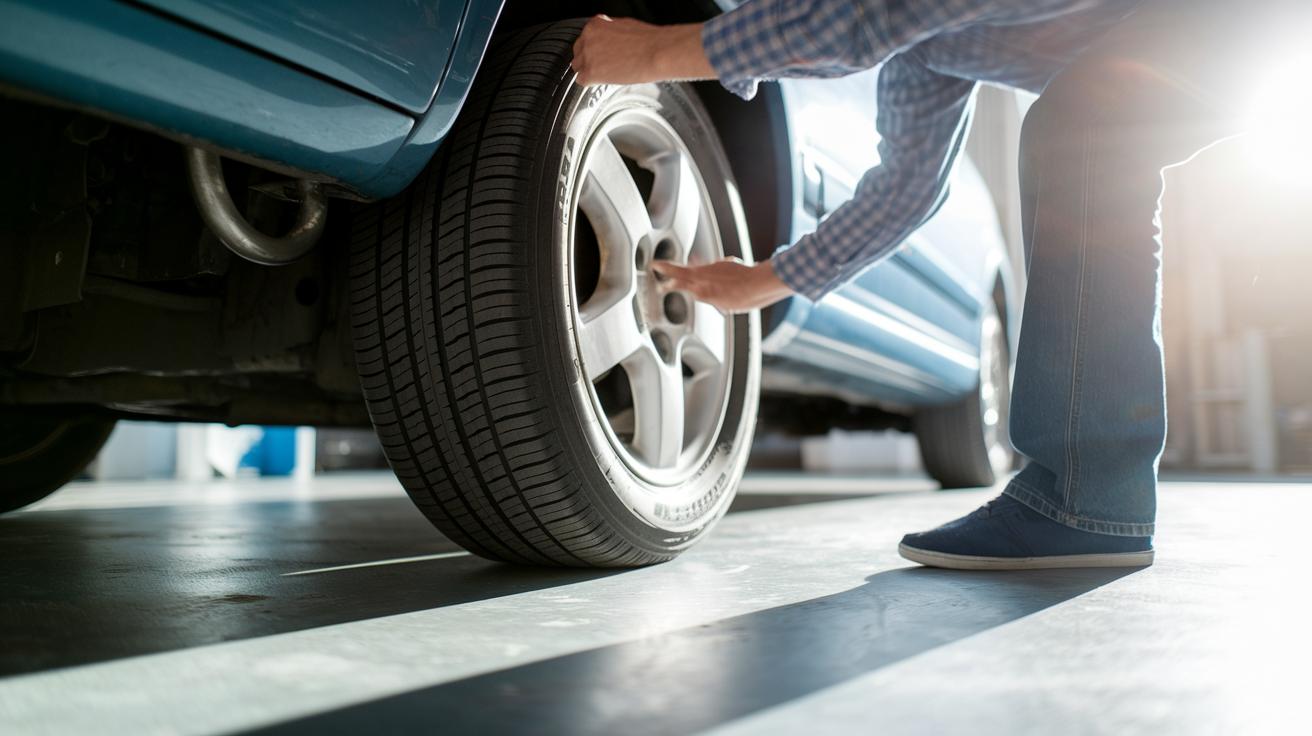
Your tires are the only parts of your car that truly meet the road, so checking them is a must for safe driving. It’s like noticing a tiny crack on your windshield before it becomes a real hazard. Regular inspections help you spot things like worn tread (the outer layer of the tire that makes contact with the road) or sidewall damage early on, keeping you and others safer.
When your tires are in good shape, your car holds the road better and makes for a smoother, more fuel-efficient ride. Proper tire pressure means your engine isn’t working extra hard, and that can save you money at the pump. Plus, steady traction on different surfaces helps your car handle all kinds of weather and road conditions.
Catching issues early is a smart move for your wallet too. By spotting wear and tear before it turns into a major problem, you can dodge pricey repairs or the cost of a full tire replacement. It’s like giving your car a regular checkup so that you get peace of mind and extra savings over time.
Recognizing Key Tire Wear Indicators During Routine Wheel Checkups

When you check your tires, it’s more than a quick look. A simple visual and measurement check can spot issues before they become real safety hazards. Think of it like giving your car a little health checkup. By keeping an eye out for problems like underinflation (when your tires don’t have enough air), you can avoid issues that might shorten your tire life or make your car less steady on different roads.
Here are some signs to watch for:
- Tread depth below 2/32″
- Cracks or bulges in the sidewalls
- Uneven wear on the edges or in the center
- Nails, stones, or debris stuck in the tire
- Vibrations when you’re driving
- Tires that lose air often
It’s smart to act right away if you see any of these signs. Taking care of a small problem early can keep you and your passengers safer and may prevent more expensive repairs later on. When you catch these warning signs, you lower the risk of a tire blowing out suddenly. A quick visit to a tire expert can fix minor issues before they get worse, making sure your ride stays smooth and safe, no matter the weather.
Regular checkups aren’t just about safety; they also help your tires perform better on long drives. It feels good knowing your tires are always ready to take on the road without worry.
Preventing Accidents Through Preemptive Care Scheduling and Grip Assessments
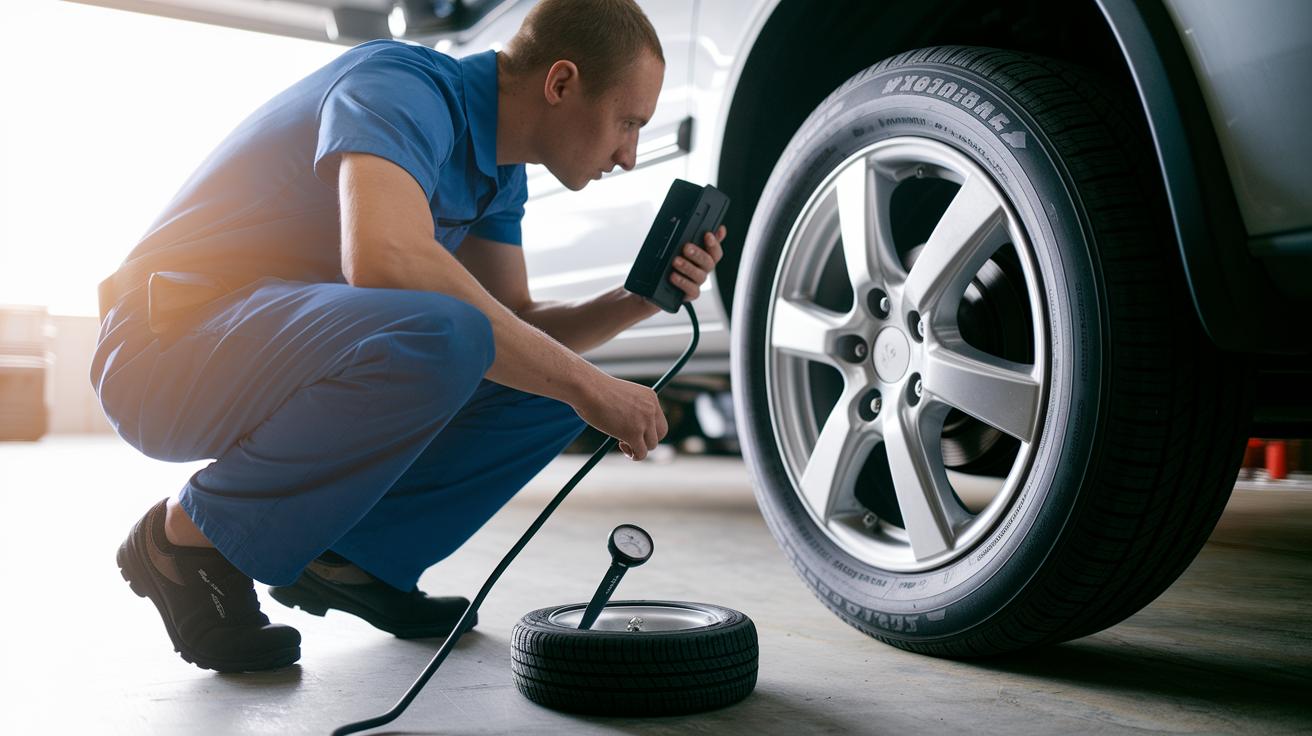
Drivers can help avoid tire blowouts and hydroplaning by taking charge of their tire care early on. Scheduling regular check-ups catches problems like cracks in the tire tread (when the tire’s outer layer starts to break apart) or air pockets before they turn into big issues. One local shop even said, "We use tire sensors that alert us when grip levels change, a bit like having a digital co-pilot watching your tires." These early warnings are a great way to spot risks that a quick visual check might miss.
New tech checks and automatic scheduling add an extra layer of safety. Many repair shops now use ultrasound scanning (using sound waves to spot inner tire problems) along with regular digital grip tests to keep an eye on tire sidewall strength and even wear. This extra preventive care not only meets safety standards but also helps drivers be ready for emergencies. One customer shared, "After a small sensor alert, I got my tire inspected before any damage showed up, and that kept me safe on wet roads." These smart tools and methods show that fresh, innovative strategies really make a difference in tire maintenance.
Best Practices and Service Interval Optimization for Tire Inspections

Keeping your tires in great shape starts with a simple routine. It’s a good idea to give your tires a quick look each month and have a pro check them every 6,000 to 8,000 miles. This helps you spot things like low pressure or uneven wear before they become a big deal. Making sure your tire pressure (the air in your tires), tread (the part that touches the road), and overall wear are in good order keeps your car safe on the road. And if you have a front-wheel drive, remember that the front tires tend to wear out faster, so rotating them is extra important. Keeping your wheels balanced and aligned stops those annoying vibrations and makes your tires last longer. A simple checkup routine can even save you money by avoiding costly repairs down the line.
| Inspection Action | Recommended Frequency | Required Tools |
|---|---|---|
| Pressure Check | Monthly | Tire Pressure Gauge |
| Tread Depth Measurement | Monthly | Tread Depth Gauge |
| Tire Rotation | Every 6,000-8,000 miles | Rotation Guidelines |
| Wheel Balancing | Every 6,000-8,000 miles | Balancing Machine |
| Wheel Alignment | Every 6,000-8,000 miles | Alignment Tools |
Sticking to a set schedule for these checkups is really the key to a safe and smooth ride. Regular visual checks along with professional inspections not only keep your car running better but also help you dodge expensive repairs. With the right maintenance, like proper inflation, tire rotation, balancing, and alignment, you’ll make your tires last longer and keep your journeys worry-free.
Expert Appraisal Suggestions for Optimized Daily Tire Care

Before you start your drive, take a minute to run through a simple tire checklist. Think of it like checking your fuel gauge, you quickly peek at the tire pressure, use a gauge to measure tread depth, and give the tire a look for any cuts or bumps. This little routine helps spot early issues.
- Check your tire pressure against the recommended PSI to keep them from getting too hot.
- Use a tread depth gauge every month to be sure you meet the minimum safe level.
- Give the tire walls a quick glance for any visible flaws.
Mix these everyday checks with modern tools and a bit of expert advice. Devices like TPMS (tire pressure monitoring system) and onboard sensors send real-time alerts when something’s off. And every now and then, having an expert take a look can catch signs of aging or damage that you might miss on your quick check. Their feedback offers extra peace of mind, helping your tires stay in top shape for longer.
Final Words
In the action, we explored how keeping up with tire checks boosts safety and saves money. We talked about spotting issues like uneven wear and punctures, so you can act fast. We also shared tips on scheduling inspections and using simple checks to keep your tires in top shape. This recap shows the importance of regular tire inspections to lock in performance and safety. Keep your wheels rolling confidently and enjoy the peace of mind that comes with smart tire care.
FAQ
Q: Why is it important to inspect your tires regularly?
A: Regular tire inspections keep your ride safe by catching issues early. This helps prevent unexpected blowouts and saves you from costly repairs, keeping your wheels in top shape for everyday driving.
Q: What do tire wear charts and alignment charts indicate about tire condition?
A: Tire wear and alignment charts show how evenly and well your tires wear. They help spot problems like misalignment or underinflation, which can lead to unexpected tire issues if not fixed early.
Q: What is tire chunking and is it safe to drive with?
A: Tire chunking means pieces of the tire have broken away. Driving with chunked tires is risky because it can reduce traction and increase the chance of a sudden failure on the road.
Q: What does tire pitting mean in tire inspections?
A: Tire pitting refers to small indentations or pits in the tread. These signs can indicate early deterioration, so addressing them quickly can help preserve tire performance and your safety.
Q: Do tires actually need to get retorqued after installation?
A: Retorquing tires means checking the lug nut tightness after initial use. This extra step helps keep your wheels securely attached, reducing vibrations and enhancing overall driving safety.

