


Have you ever wondered what your tires might say if they could talk? Imagine them sending quick updates about their pressure and grip, almost like a friendly whisper that alerts your car before you even sense a change.
These smart tire sensors work closely with your car's built-in systems to keep your drive smooth and secure. They share important details with your car's computer so it can make small adjustments in real time, just like tuning up for a perfect ride.
In this article, we explore how these clever devices help you stay in control. Every mile feels a bit safer and your drive more confident knowing your car is in tune with what your tires need.
Smart Tire Sensor Communication with Vehicle Onboard Systems
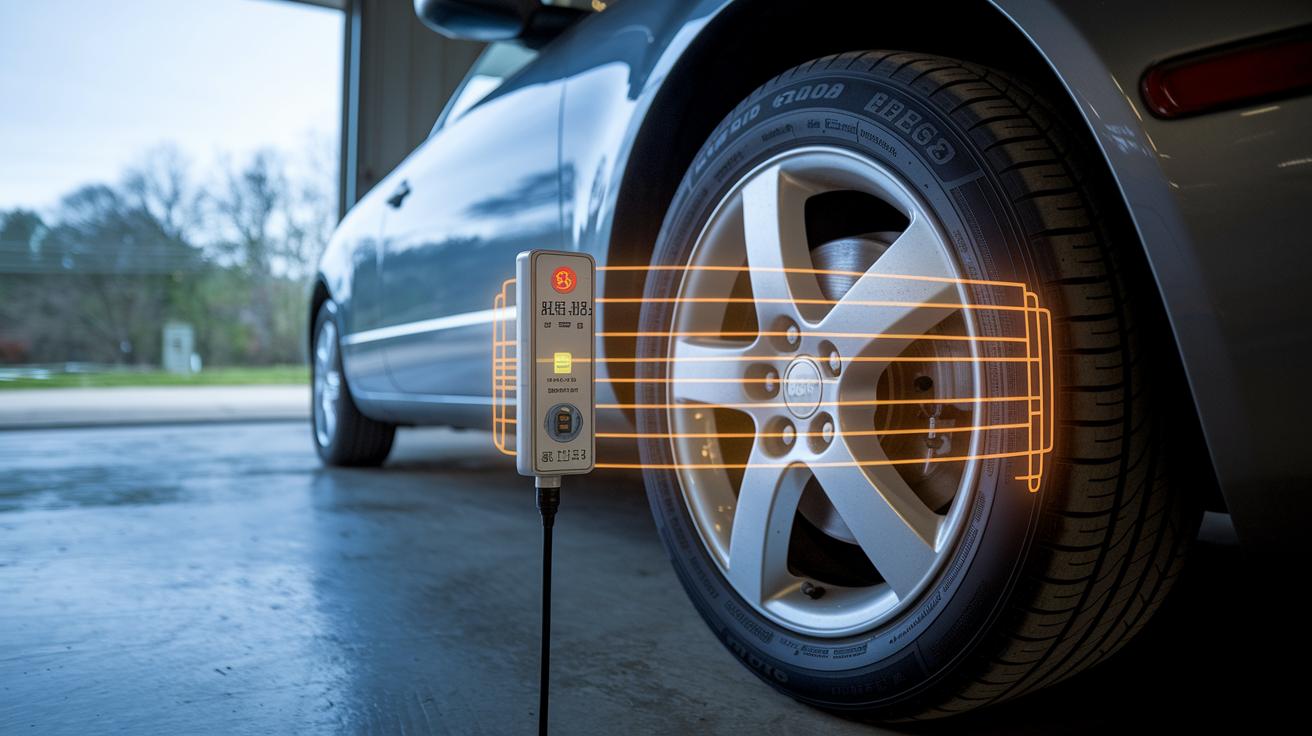
Smart tire sensors are little gadgets on your tires that keep track of things like tire pressure, temperature, load, tread wear (how fast the tire surface gets used up), friction, and grip. They quickly send this info to your car’s onboard computer so your vehicle can adjust braking, speeding up, and turning even before you notice any changes.
When the sensors pick up a drop in tire pressure, they send the update immediately over a system (think of it like a common road network for data) so your car can adapt fast. It’s almost like the sensors are whispering, “Heads up, something’s off,” letting your car tune its settings on the fly.
Plus, this sensor info doesn’t just head to the main brain of your car; it helps all the parts work together smoothly. Imagine a relay race where every runner passes the baton without delay, that’s how these sensors share crucial details with the central system, all thanks to a quick, wireless connection.
Modern systems like GM Cruise elevate this idea even more. They gather data from each tire to create a complete picture, boosting both control and safety. Check out this handy summary of key data points:
| Data Type | Function |
|---|---|
| Tire Pressure | Helps adjust the tire’s air to keep them at their best |
| Tread Wear | Lets you know when it’s time for a tire check or replacement |
With real-time measurements, the car can automatically tweak its performance to keep a steady grip and better traction, no matter the driving conditions. It’s this smart sensor chat that plays a big role in keeping every journey smooth and safe.
Connectivity Protocols for Smart Tire Integration
Smart tire sensors work closely with your car’s computer by using common rules like CAN bus (a digital highway for messages) and fresh IoT standards (the guidelines for connected devices). This setup makes sure information zooms quickly between your tires and your car so it can make quick adjustments. For example, sensors check tire pressure, temperature, and tread wear (how fast the tire’s surface wears down) and send that info via wireless signals to both the car’s own systems and online tools.
With this arrangement, your vehicle can watch real-time data and tweak things like braking, gas, and suspension to match what your tires are experiencing. It’s like a smooth relay race where every runner hands off the baton right on time. When a sensor notices a change, the car’s computer picks up the message right away and adjusts its settings.
Adding a connected car platform (learn more at https://unionno.com?p=2706) makes everything even more efficient. This extra link ties your tire data with broader details like road conditions and traffic, which helps your car adapt to different driving situations.
Wireless telemetry (sending data without wires) sticks to digital rules to keep every bit of information accurate and up-to-date. All of these parts work together like a well-tuned team, making sure your car runs smoothly and responds quickly to any twists and turns on the road.
Real-Time Analytics and Predictive Maintenance with Smart Tires
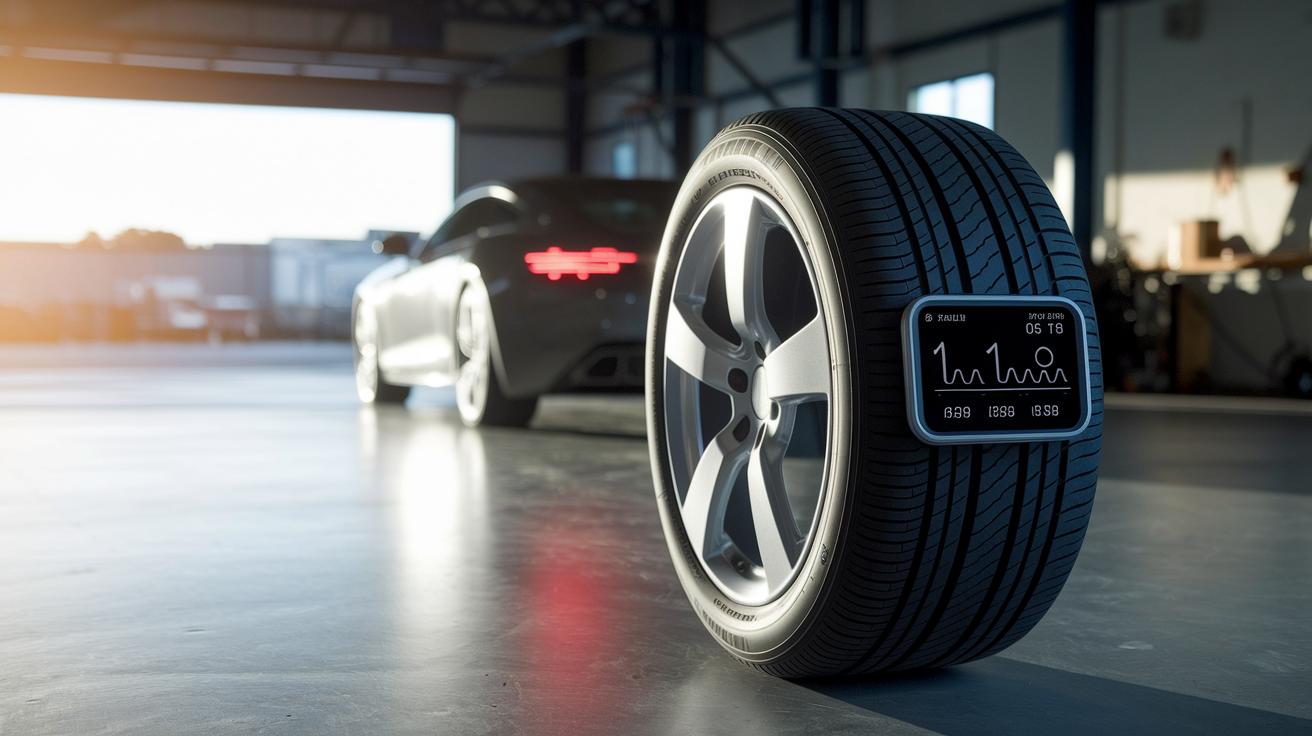
Smart tires have little sensors inside that always check things like tire pressure, tire temperature, and tread wear (how fast the tire surface is used up). They also keep an eye on other important factors. This information is sent straight to a system that compares what’s happening now with past trends. It’s a bit like checking your fuel gauge before a long drive, one quick look can help you avoid a big problem later.
When one of these sensors spots early signs of wear or sees the pressure drop unexpectedly, it lets the system know to set up a maintenance appointment automatically. This digital proactive maintenance catches small issues before they turn into larger problems. Imagine the system noticing a tiny imbalance and then alerting you for a service check. It’s surprising how a small sensor change can predict a tire fault long before you even notice anything wrong.
The live data also helps during tire production. When tires are being made, smart technology picks up potential defects before the tire even leaves the factory. By mixing old records with fresh signals, the system can suggest the best times for tire rotations and predict how long your tire will last, which helps lower risks.
Using sensor data like this means your vehicle runs safer and spends less time parked for repairs. This clever method not only makes your ride smoother but also helps keep repair costs down. For more on how smart tires work, check out the details at what are smart tires and how do they work.
Digital proactive maintenance helps your vehicle adjust on the fly, turning everyday driving into a safer, more responsive journey.
Enhancing Safety through Smart Tire Telemetry

Smart tire telemetry acts like a friendly co-pilot for your tires. Tiny sensors keep an eye on tire pressure and temperature, letting you know if things start to drop below the safe levels. This simple check can help dodge issues like tires dragging on the road (which wastes energy) and even help avoid accidents. Ever notice how a small change can make a big difference?
Real-time data from these sensors feeds right into your car's safety systems, like ESC (Electronic Stability Control) and ADAS (Advanced Driver Assistance Systems). When the sensors pick up a change in grip or friction, your car quickly tweaks its braking and cornering, especially helpful on snowy or wet roads. It feels like having a quick-thinking friend by your side.
Constant monitoring also boosts your car's traction control, reducing the chance of skidding when you need it most. Imagine knowing your car is always scanning for little tire problems before they turn into big headaches.
By linking sensor alerts directly with safety systems, even the tiniest tire issues get spotted fast. For more on how sensor technology can boost your tire safety, check out how sensor technology enhances tire safety features.
Performance Optimization via Smart Tire Sensor-Driven Controls

Smart tire sensors work together with your car’s control unit to help keep everything running smoothly. They send real-time information about tire pressure, temperature, and grip (that’s the tire’s hold on the road) to your vehicle’s computer. This data lets the car fine-tune things like braking and suspension, so you enjoy a smoother ride and better handling, especially important for electric and self-driving cars.
Imagine you're driving and your car notices a small change in how well the tire grips the road. It quickly shares this info with the onboard computer, which then makes small adjustments to balance power and save fuel. It’s like having a personal mechanic ready to tweak your car's settings while you're on the road. For example, Bridgestone’s Potenza SportTech and Michelin’s Pilot Sport Connected models use these sensor tweaks to boost performance as you drive.
The system works by blending details from the smart tire sensors with other car diagnostics. This combined info helps the vehicle make smart choices, like adjusting the suspension or even tweaking engine output. Thanks to these quick insights, your car can be more efficient and safer by reacting fast if road conditions change.
All in all, using live data from smart tire sensors shows how thoughtful, real-time adjustments can truly change the way our vehicles perform every day.
Overcoming Integration Challenges in Smart Tire Sensor Systems
Smart tire sensors are like helpful friends working with your car, but even the best friends can face some hurdles. One major bump in the road is calibration. This means making sure every little sensor reading is spot on. Even a tiny mistake is like playing a wrong note in an otherwise perfect song, it can really throw things off.
Another challenge is data latency, or the delay in sending sensor info to your car’s main computer. Picture waiting in line for a snack; if the info takes too long, your car’s response can lag behind. This is why keeping enough space on the data highway (the CAN bus) is so important, too much on one channel can cause delays or even drop some bits along the way.
Then there’s sensor fusion. This is when the system needs to combine data from tires, cameras, and accelerometers (devices that gauge movement). If they're not perfectly in sync, your car could get mixed signals, which might lead to clumsy adjustments when you need them most.
Cybersecurity also gets a spot on the list. Keeping your sensor data safe is just as important as locking your car. You never want any unauthorized eyes peeking at your private information.
Here are some key areas to focus on:
| Key Area | What It Means |
|---|---|
| Network Calibration Techniques | Tuning all sensors so their readings are precise. |
| Synchronization Protocol Testing | Making sure all sensor data is timed just right. |
| Wireless Measurement Amalgamation | Combining wireless sensor data without any hiccups. |
By focusing on these areas and keeping your system design strong with regular updates, you help ensure that smart tire sensors and your vehicle’s systems work together like a well-tuned team. Pretty cool, right?
Future Trends in Smart Tire Sensor Integration

Looking ahead, smart tire sensors are gearing up to change how our vehicles work. These little devices, powered by machine learning (a way computers learn from data), are getting smarter at watching over your tire treads. They can spot signs of wear early on, almost like having a tiny mechanic riding along who lets you know before any problems show up.
Soon, these sensors will start talking directly to systems that manage entire fleets and even help monitor road conditions in real time. Imagine your tire data joining with traffic updates, giving you a quick snapshot of what’s happening on the road. It’s like having a trusted copilot who suggests the best route for a smooth ride, no matter where you're headed.
Future smart sensors will also be able to adjust themselves remotely by reading their surroundings. That means your tires can fine-tune their settings without you having to worry about it, kind of like setting up a repair schedule before things go wrong. With these quick adjustments and smart repair notices, the journey ahead looks safer and more in tune with our busy lives.
Final Words
In the action, smart tire sensors work with your vehicle to send key data about pressure, temperature, and grip. They communicate through common channels like CAN bus while driving performance and safety adjustments in real time. Sensor readings help fine-tune everything from braking to energy efficiency. This article showed how smart tire sensor integration with vehicle systems improves safety, performance, and even maintenance planning. It’s a clear sign that tire technology makes driving smoother and more secure every time you hit the road.
FAQ
Where can I find a PDF on smart tire sensor integration with vehicle systems?
The search query for smart tire sensor integration with vehicle systems PDF hints at finding detailed technical papers online. You can usually locate these on manufacturer websites or academic databases.
How much do smart tires cost?
The smart tire price can vary based on features and brand. Prices change over time, so checking current listings from trusted retailers or manufacturer sites is the best bet.
What are intelligent tires, like those from Continental, and how do they work?
Intelligent tires, such as Continental intelligent tires, use sensor technology to monitor real-time data like pressure and tread wear. They send info to your vehicle’s systems, helping improve safety and performance.
How do you install a Continental TPMS sensor?
Installing a Continental TPMS sensor means following clear instructions in the manual, mounting the sensor on the tire, and syncing it with your vehicle’s system. Professional help may be useful if you’re unsure.
What is the SMART Tire Shark Tank concept all about?
The SMART Tire Shark Tank refers to a pitch or discussion on innovative tire ideas shown on a TV program. It highlights the latest concepts in smart tire design and functionality.
What is a tire management system and why is it useful?
A tire management system is a tool that tracks tire data like pressure and wear in real time. It helps you stay aware of tire health, offering alerts to fix small issues before they become problems.
What are METL bike tires?
METL bike tires are designed with smart sensor features for bicycles. They help monitor tire pressure and wear, giving riders added safety and better performance on every ride.
How do tire pressure sensors communicate with the vehicle?
Tire pressure sensors communicate with your vehicle using wireless signals through systems like the CAN bus. They send real-time pressure and temperature data, so your car stays informed about tire conditions.
Can you add TPMS to a vehicle that didn’t come with it?
Yes, many vehicles can have TPMS added. Retrofitting sensors can alert you when tire pressure drops, giving you extra safety on the road.
How do you sync TPMS sensors to your car?
Syncing TPMS sensors generally involves using a programming tool or following the vehicle’s setup instructions. This process helps register the sensors with your car’s monitoring system properly.
Do TPMS sensors automatically sync with the vehicle?
TPMS sensors may not always sync automatically. Some models require a manual activation or programming step, while others on newer systems might sync as soon as they’re installed correctly.

