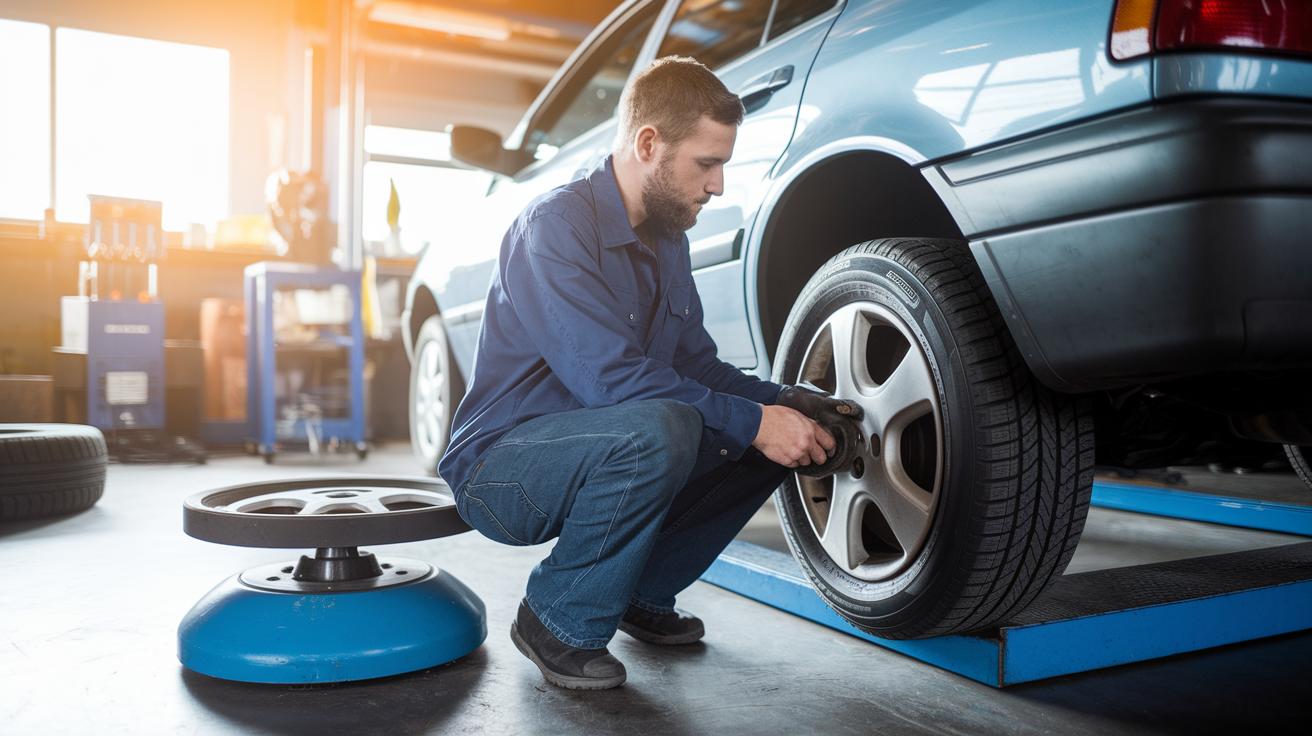


Ever notice how a tiny wobble can mess with your ride? Road force tire balancing puts your tire and rim under a lot of pressure to find hidden problems that older methods might miss. It uses a special machine that acts like the open road, spotting small bumps and uneven spots that could lead to a shaky drive or extra tire wear (the gradual wearing down of your tire’s surface). Finding these little issues means you get a smoother and safer ride every time. In this post, we’ll chat about how this smart method makes your trip on the road just that bit better.
road force tire balancing: Boost Your Ride
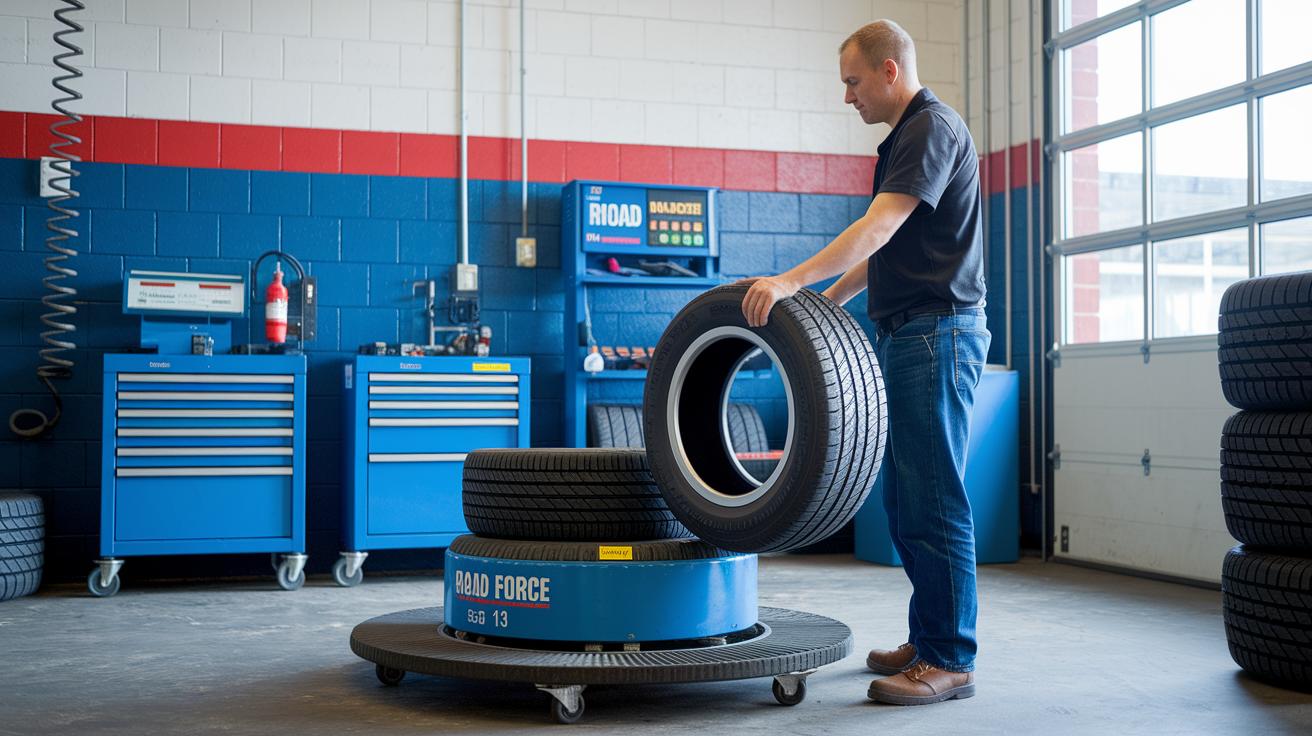
Road force tire balancing checks your tire and rim setup by putting them under real road pressure. A special machine uses a roller that presses on a spinning tire with up to 1,400 pounds of force (that’s like really heavy pressure, similar to what you’d feel on a busy highway). This helps a computer measure how even the tire is (we call it precision runout measurement), finding high and low spots that hint at both static and dynamic imbalances. It even spots problems like bent wheels, tires that aren’t perfectly round, or uneven wear, stuff that old-school balancing might miss.
Dynamic runout analysis is really the heart of this process. It keeps track of tiny changes in tire height as the tire spins, checking for wobbles side-to-side and bumps up-and-down. Then, a nifty anomaly testing tool steps in to catch those little imperfections that can cause a slight shake at high speeds. You ever notice that subtle vibration while cruising? It might be a sign that your tire isn’t as even as it should be. With this detailed info, technicians can adjust things by match mounting (making sure the tire is aligned perfectly on the rim) and placing small weights in the right spots, which leads to a much smoother ride.
This smart technology not only cuts down vibrations at all speeds but also protects your tires and rims from extra wear and tear. By automatically figuring out the right fixes from all the data gathered, road force tire balancing really boosts your ride, making it more comfortable and confident every time you hit the road.
Comparing Road Force Balancing with Traditional Wheel Imbalance Calibration

Traditional wheel imbalance calibration focuses on simple static fixes. In this method, technicians spin the tire to find heavy spots and then add tiny weights to even it out. It works fine for basic weight issues but doesn’t catch dynamic problems like a tire not being perfectly round or a wheel that's bent.
Road force tire balancing, on the other hand, takes it up a notch by mixing static and dynamic corrections. It uses a special roller that simulates real road pressure (up to 1,400 pounds) to reveal both the high and low spots in the tire. Think of it like tuning an engine to avoid unexpected shakes , it spots the imperfections that can cause your car to shimmy side to side, which static balancing might miss.
This modern approach digs a bit deeper by detecting even subtle imbalances that might cause your ride to vibrate. Then, technicians make careful adjustments , like matching the mounting and repositioning the weights , to tackle both types of issues. In short, road force balancing goes further by handling problems such as bent wheels or out-of-round tires that traditional methods simply can’t fix.
By blending weight fixes with dynamic analysis, road force balancing gives you a smoother ride and better vibration control compared to old-school wheel balancing techniques.
Key Benefits of Road Force Tire Balancing for Performance and Tire Life
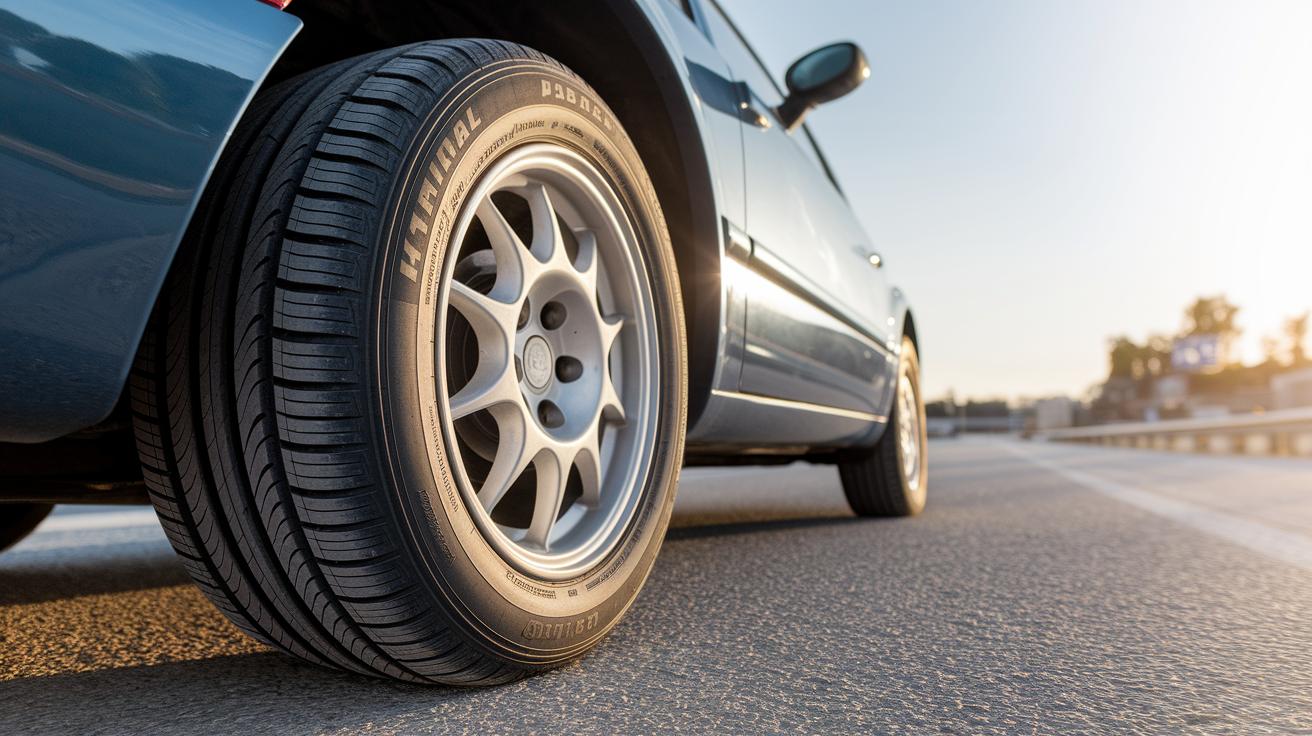
When your tires are balanced with precision, they wear out more evenly. This means no strange bald spots and a longer tire life, which saves you money down the road. One happy driver told us, "After balancing my tires, they lasted nearly 20% longer and I paid less for replacements."
Balancing your tires this way helps your rims too. It puts weight exactly where it needs to go, cutting down on those jarring vibrations that can scratch or wear out your wheels far too soon.
Think about it like this: smoother rides mean less money spent on repairs and maintenance. A well-balanced tire gives you a steadier drive, which can even help lower fuel use. And when your ride is smooth, there's a smaller chance you’ll need costly suspension work later.
| Benefit | Impact |
|---|---|
| Extended Tire Life | Fewer replacements and lower annual costs |
| Rim Protection | Less wear on wheels and reduced repair frequency |
Road Force Balancing: Cost Considerations and Service Pricing Overview
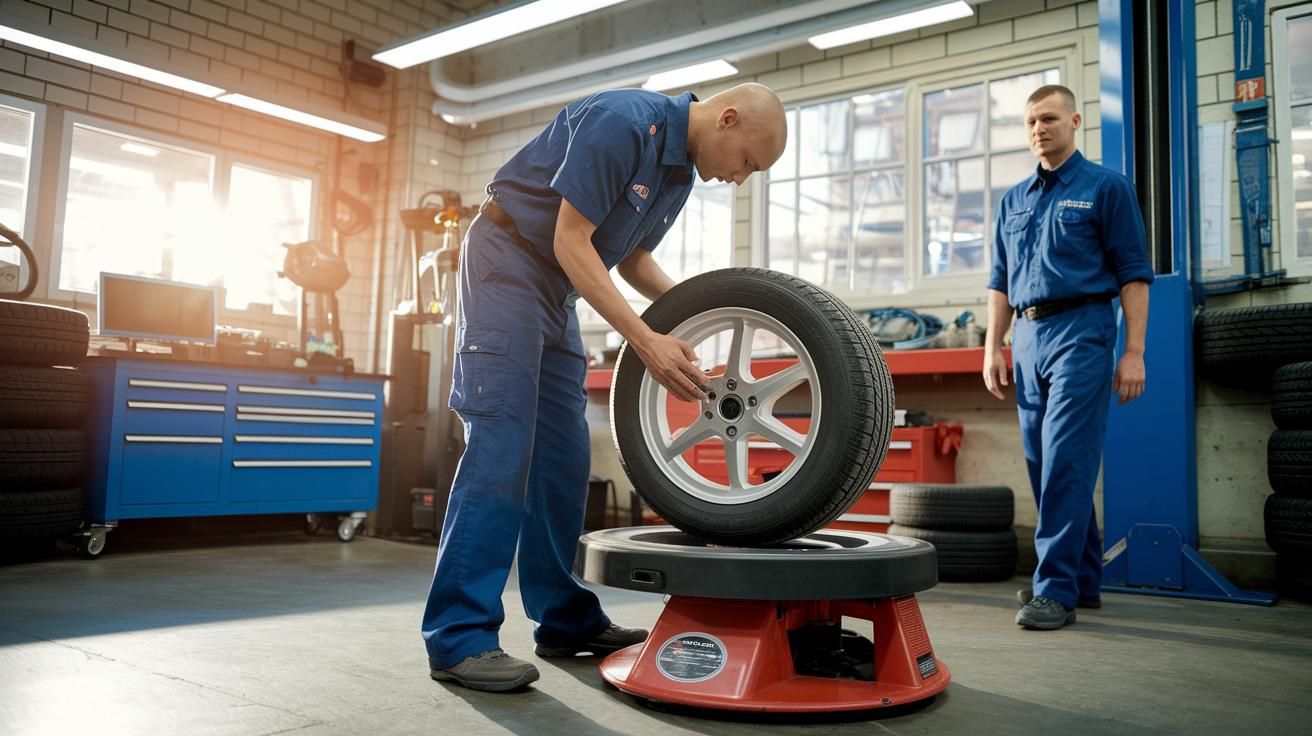
When it comes to road force tire balancing, prices can change quite a bit. It all depends on the skill of the technician, how long the machine runs, and even how many tires you need balanced. Some shops wrap this service into a bigger deal that might also include alignment, diagnostics, and of course, balancing. This clear cost layout makes it easier for you to see exactly what you’re paying for.
Now, think about the difference between stopping by a shop versus getting a mobile service. Mobile setups often cost a bit more because you’re paying for the ease of having someone come to you, extra travel time and all that. Still, many places offer good deals when you bundle services together, so the overall cost can be very competitive.
Sometimes pricing details aren’t posted upfront, which can be a bit confusing. But if you check with providers like Chapel Hill Tire, they list prices clearly. For example, an oil change might run between $40 and $70, and a coolant flush could be about $161.80. These figures help you make a smart choice if you’re thinking about road force tire balancing.
So, always ask for a clear breakdown of the costs. This little step can save you time and money, ensuring you get a thorough yet budget-friendly wheel analysis.
What to Expect During a Road Force Tire Balancing Service
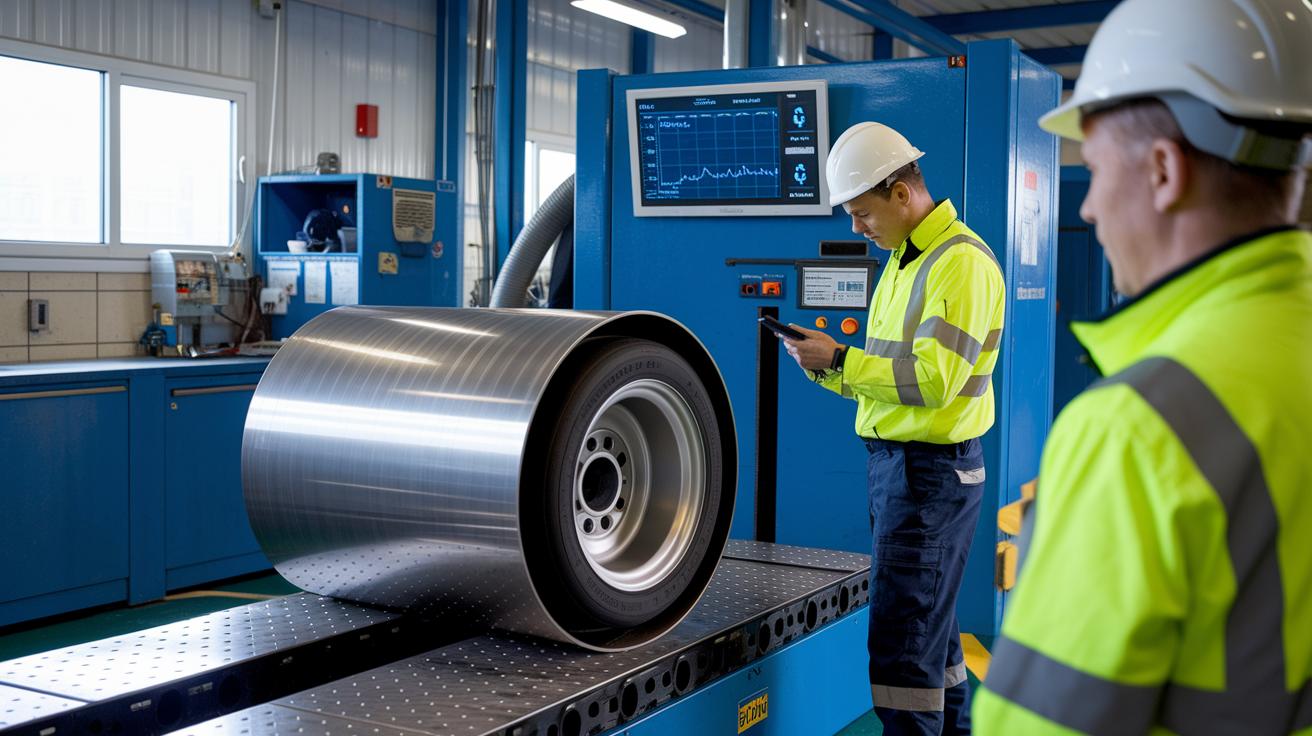
Your tire and wheel are placed on a smart machine that mimics the pressure of real roads using a heavy roller. A special tool then checks for tiny bumps (runout: the small uneven spots that might affect a smooth ride) with great precision. The system saves these numbers so our team can spot trends and improve future services.
We also offer a mobile calibration service, which means we come to you without skimping on accurate checks. One of our technicians shared, "Our digital system picks up even the smallest imbalances, so we can tweak your tires to keep your ride smooth and safe."
How to Choose a Reliable Road Force Tire Balancing Provider Near You
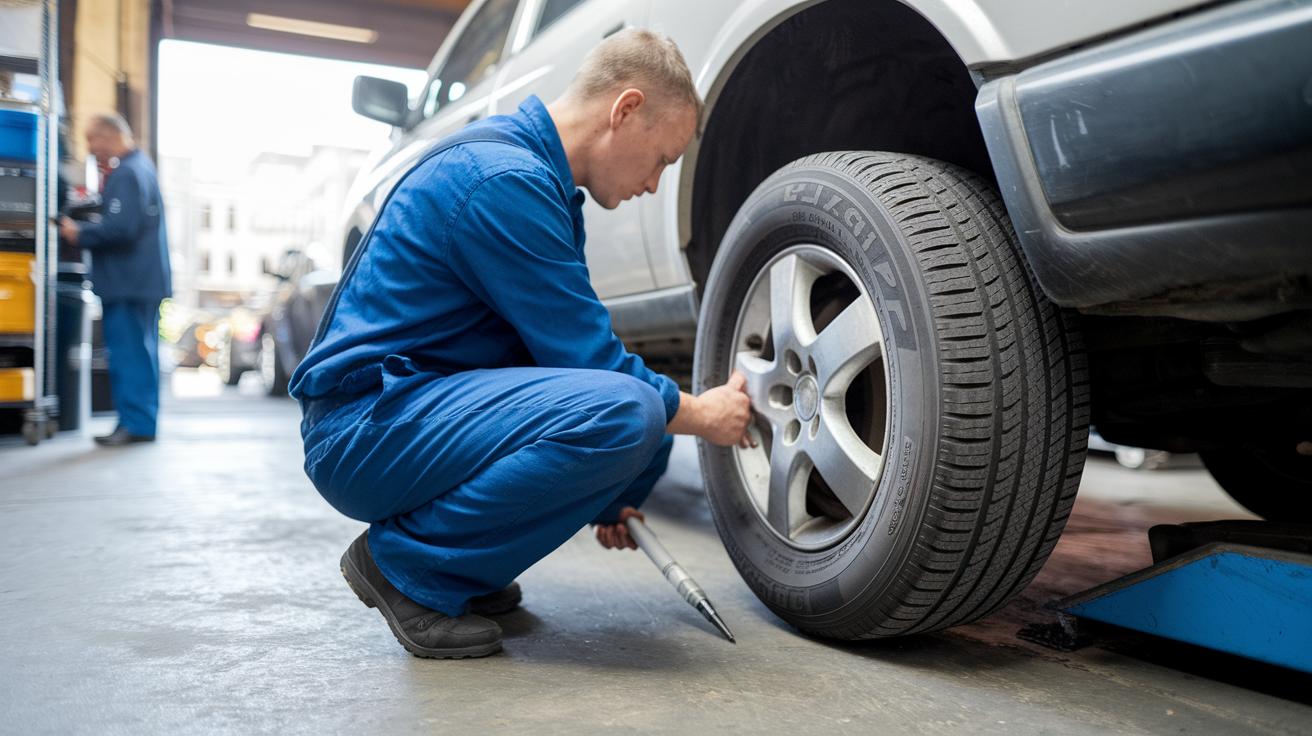
Start by checking out local tire shops known for their calibration work. Look for places in towns like Chapel Hill, Durham, Carrboro, Raleigh, Taleigh, Apex, and Cary where experts use modern tools to spot tire imbalance (that’s when one part of your tire wears out faster than the rest).
Read reviews and use local guides to help you pick a trusted provider. Ask if they offer both in-shop and mobile services so you can choose what fits your day best. You might also find it handy to look at repair shop service guides that clearly explain how they handle issues like uneven tire wear or those tricky high and low spots (areas where the tire surface isn’t even).
It never hurts to ask for a clear explanation of their methods, like how they use dynamic runout analysis (a way to check if your tire wobbles while spinning). Ever notice how a small vibration can spoil a drive? One customer even mentioned, "I always check my tire balancing services guide before deciding."
This kind of honest info helps you feel more confident about choosing a local provider who truly cares about your ride.
Final Words
In the action, this article breaks down how road force tire balancing boosts ride quality by simulating real road pressure and detecting hidden tire issues. It explains how a loaded roller and dynamic runout analysis work together to reduce vibrations, extend tire life, and protect your rims. The text also covers cost factors and offers tips for picking a reliable service provider near you. With a keen focus on precision and a smoother ride, road force tire balancing helps keep you safe and confident on every drive.
FAQ
What is road force balancing on tires?
The road force balancing on tires simulates the weight a vehicle carries to measure both static and dynamic imbalances. It uses a loaded roller to pinpoint high and low spots for optimal corrections.
How does road force tire balancing differ from regular balancing?
The road force tire balancing differs from regular balancing by testing tires under simulated load, revealing issues like bent wheels and out-of-round tires. This method corrects both static and dynamic imbalances.
Is road force tire balancing worth it?
The road force tire balancing is worth it because it reduces vibrations, extends tire life, and improves vehicle handling. Its precise corrections offer benefits beyond what traditional balancing methods provide.
How much does road force balancing cost?
The road force balancing cost varies by technician expertise, service location, and whether the service is in-shop or mobile. Prices differ regionally based on these factors and the complexity of the performance checks.
Where can I find road force tire balancing services near me?
Road force tire balancing services near you are offered at certified local shops. Reviews and regional guides help locate providers with the necessary expertise and equipment for effective dynamic imbalance correction.
What do the Hunter Road Force balancer and Firestone road force balance systems offer?
The Hunter and Firestone road force balance systems use specialized equipment to accurately assess tire runout. They perform detailed dynamic measurements to deliver targeted corrections and enhanced ride quality.
What insights do users share about road force tire balancing on Reddit?
The road force tire balancing discussions on Reddit reveal positive feedback, with users praising its ability to reduce vibrations and identify hidden tire issues that standard balancing often overlooks.

