


Have you ever thought your tires might give you a heads-up before something goes wrong? Imagine getting a quick alert when a tire loses air or gets too hot (like a built-in sensor that watches for changes). It's a bit like having a friendly co-pilot keeping an eye on things.
We’re shining a light on tire brands that mix solid quality with smart features, think reliable sensors that help you know when your ride might need a check-up. It’s not just the big names; there are plenty of up-and-coming options too.
This smart technology can help you save money and keep your car running safe every time you hit the road. Ever notice how a smooth ride just makes everything feel right? That's the assurance these tires are aiming to bring.
Smart Tire Brands & Reviews: What Consumers Should Know

Today, the tire world is bursting with choices. With new technology built into tires, drivers can now get safety updates on the go. Imagine your tire sending you a quick alert when it senses low air pressure, stopping problems before they start.
Big names like Bridgestone, Michelin, and Goodyear continue to lead the pack with tires that last long and help save fuel. And then there are up-and-comers like Hankook, Apollo, Toyo, and Cooper. They bring smart features at a price many can afford. Reviews these days look at how well a tire handles, stops quickly, and keeps things quiet while you drive.
Before you choose, it's a good idea to check out how long a tire lasts (think of it as how quickly a tire wears down), if it’s kind to the environment, and how it performs overall. In short, smart tire technology not only boosts safety and fuel efficiency but also helps you make an informed, cost-efficient decision in today’s busy tire market.
Smart Tire Technology and Innovation Explained

Today's smart tires use built-in sensors that keep track of key things like tire pressure, temperature, and how fast the tire surface is wearing down (tread wear). They send this info straight to your car's display or mobile app so you know right away if something seems off. In fact, they can quickly warn you if a tire isn't inflated enough or if it's heating up too much. For more details on these features, check out smart tire technology benefits and features (https://tityres.com?p=2629).
Pressure & Temperature Monitoring
Pressure and temperature sensors in your tires work in real time to send updates to your dashboard or mobile device. This means you'll get an alert quick if your tires drop below the right pressure or if they heat up too high. It's like having a mini tire check at your fingertips every time you drive.
Tread Wear & Traction Analysis
These smart sensors also keep an eye on how much tread is left on your tires. This careful monitoring helps you know when it's the best time to change your tires, ensuring you always have a good grip on the road. Imagine being informed well in advance that your tires are losing traction, it really makes a difference when it comes to safety.
Connectivity & Predictive Maintenance
Smart tire systems connect with your vehicle's telematics and even with cloud platforms to set up maintenance reminders automatically. When the sensors pick up changes that might affect your tire's performance, they send alerts so you can get them checked out on time. This proactive approach helps reduce the risk of a sudden blowout. To learn more about how smart tire sensors boost safety, visit smart tire sensors enhance vehicle safety (https://tityres.com?p=2637).
Comparing Smart Tire Brands: A Side-by-Side Review
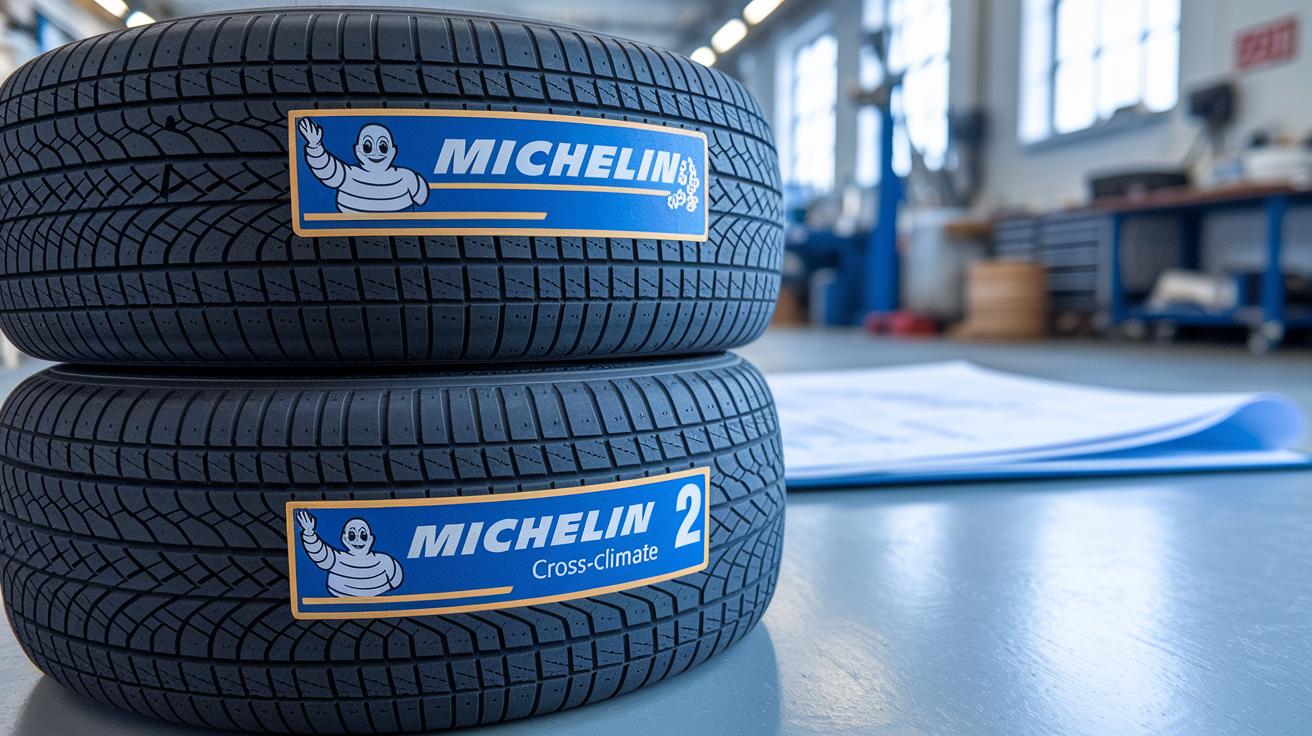
Below is an easy-to-read table that helps you quickly compare some top smart tire brands. The chart shows each brand’s main feature, a key performance number (like how fast they stop or how long the tire lasts), and a few extra notes. It’s set up so you can match a tire’s strengths to your driving style, whether you’re after safety or a smoother ride on different roads.
| Brand | Key Feature | Performance Metric | Notes |
|---|---|---|---|
| Michelin CrossClimate 2 | All-season grip | Only about 0.5 mm tread wear after 9,000 miles | Steady performance in dry, wet, and snowy weather |
| Continental AllSeasonContact 2 | Chili Blend compound | 6% less rolling resistance | Focuses on saving fuel by reducing friction |
| Bridgestone Turanza All Season 6 | Optimized braking | Stops in 27.2 m when going from 80 km/h to 20 km/h on wet roads | Improves mileage by 20% |
| Goodyear Vector 4Seasons Gen 3 | Precise steering | 5% better steering precision | Great in handling slippery roads |
| Pirelli Cinturato All Season SF3 | Balanced performance | Stops in 25.14 m in wet conditions; noise level of 69–72 dB | Built for a quieter ride |
| Vredestein Quatrac Pro Plus | Luxury comfort | About 5% better fuel economy; ratings above 9 out of 10 | Offers a premium, comfortable experience with good fuel savings |
Each tire brand brings its own smart ideas to the road. For example, Michelin CrossClimate 2 is known for its reliable grip in all weather. Continental AllSeasonContact 2 helps cut down energy loss, which means better fuel use. Bridgestone and Goodyear put their focus on stopping power and steering control to keep you safe. Meanwhile, Pirelli and Vredestein mix quiet comfort with extra fuel efficiency. This clear layout makes it simple to see which tire could be the best match for your daily drive.
Smart Tire Reviews: Top Models In-Depth

Pirelli Cinturato All Season SF3 really won over testers on everyday drives. It gives you a smooth ride that feels extra comfortable when the rain surprises you. Experts say its handling is solid and quiet, making it a standout compared to tires that only do well on paper.
-
Pros:
- Brakes consistently on wet roads
- A quiet ride that makes your daily drive more relaxed
- Handles well thanks to its all-season design
-
Cons:
- May not perform as well in extreme conditions
- Not built for heavy snow
- Its premium price might not fit every wallet
Bridgestone Turanza All Season 6 earned applause during real-world tests for its strong grip and improved mileage on day-to-day trips. Reviewers have noticed that its tougher sidewall adds extra durability and a stable feel on long drives.
-
Pros:
- Better mileage compared to older models
- Reliable performance on wet roads
- Reinforced sidewall for extra long-term stability
-
Cons:
- Less capable in very cold, snowy conditions
- Handling on dry roads might not wow everyone
- Comes with a higher price tag than some other models
Michelin CrossClimate 2 got lots of praise from on-road tests for wearing out slowly and having excellent grip on various roads. Both experts and drivers have observed that its tread changes quickly to match the road, showing off its value for everyday driving.
-
Pros:
- Comes with an extended warranty, so you can feel secure for years
- Wears slowly, keeping performance up for a long time
- Provides good traction on snow, wet, and dry roads
-
Cons:
- The higher upfront cost might put some off
- Not made specifically for very high-speed driving
- Offers fewer extra features for unique driving needs
Smart Tire Buying Guide: Expert Tips and Maintenance

If you want the most out of your smart tires, try these six simple tips to find a good mix of price, performance, and how long they last.
-
Pre-purchase research
Start by thinking about what your car really needs. Check how you drive, the roads you travel on, and compare different tire brands. In other words, make sure you pick tires that match your style. -
Compare cost-performance metrics
Look at things like how long the tire lasts (tread wear, which is how fast the tire's surface wears down), grip in wet or dry weather, fuel efficiency, and noise. By putting these facts side by side with the cost, you can find tires that give you good value. -
Understand warranty options
Read the small print on the warranty. This tells you what problems the warranty will cover. A solid warranty can save you from worry later on. -
Sensor calibration checks
Regularly check and adjust your tire sensors. These sensors keep track of important details like air pressure, temperature, and how much the tire has worn down as you drive. -
Smart installation hints
Have a professional put the tires on your car. It also helps to make sure the sensors are set up right so you enjoy all the smart features. -
Upkeep guidelines
Follow a simple car maintenance checklist to keep the tire sensors and the whole system working well. You can check out more tips here: https://unionno.com?p=2698
Future Trends in Smart Tire Technology and Reviews

The smart tire world is gearing up for greener designs and smarter performance. Soon, you might see tires made with biodegradable rubber (a natural material that breaks down over time) that help cut down on waste. Airless tire designs, which could mean fewer punctures and steadier driving, are on the horizon too. These cool innovations aim to make driving safer and more efficient while being kind to our planet.
Soon, your tires might even chat more with your car. Future models will work closely with your vehicle’s tech, sending real-time data that helps keep track of things like traction and wear. Imagine driving with AI-powered traction control that adjusts as road or weather conditions change. These smart systems might even create a custom tire profile for your car, which will help remind you when it’s time for a check-up, keeping safety right on track.
As more people turn to online research and shopping, expect tire reviews and detailed performance insights to be easier to find. New eco-friendly tire brands are stepping up their game, making it even simpler and more cost-effective to choose the right tire for your ride.
Final Words
In the action, we explored top tire brands, comparing smart tire features that boost safety and performance. We talked about sensor-based smart technology and clear side-by-side reviews that show how each brand stands up in real-world tests. Our discussion touched on tips to keep your tires in top shape, along with a peek at future innovations in tire tech. Enjoy this consumer guide to smart tire brands and reviews as you steer your vehicle with confidence and safety on every road.
FAQ
What does the consumer guide to smart tire brands and reviews Michelin cover?
The guide explains how smart tire features work and reviews options like Michelin. It discusses safety, performance, and efficiency, helping you choose tires that suit your vehicle’s needs.
What are the top 10 quietest tires according to Consumer Reports?
The list highlights tires known for reducing road noise and providing a smooth ride. These options are picked based on tests measuring quiet performance and overall driving comfort.
What are the top 20 worst tire brands Consumer Reports flagged?
Consumer Reports identifies brands with lower performance ratings. They point out tires that show poor durability, uneven tread wear, and less balanced performance based on extensive testing.
What does Consumer Reports recommend for the best all-season tires?
Consumer Reports backs tires that do well on dry, wet, and snowy roads. They focus on durability, safety, and comfort so your ride stays solid in changing weather conditions.
How do unbiased tire reviews help you select the right tire?
Unbiased reviews give clear insights by comparing safety, tread life, and fuel efficiency. They provide data-driven advice that makes choosing the right tire easier and more reliable.
What criteria put tire brands in the top 10 by reviews?
Top-rated tire brands earn their spots by showing consistent performance in tread wear, grip, and fuel economy. These factors ensure drivers get tires that deliver both reliability and good value.
How are tire ratings by brand determined?
Ratings come from tests on safety, tread life, and efficiency along with consumer feedback. These scores help you see which brands perform best overall and offer trustworthy quality.
What defines the best tires according to Consumer Reports?
The best tires combine strong safety scores with lasting durability and excellent grip in various conditions. They also offer good value, making them a trusted choice for drivers.
What tires are recommended by Consumer Reports?
Consumer Reports recommends models that have high safety scores and reliable performance. These tires are chosen for balancing durability, effective grip, and consistent driving results.
What is the most recommended tire brand?
Experts often suggest brands like Michelin or Bridgestone. These leaders stand out for their dependable safety features, consistent performance, and long-lasting quality.
What is known as the most reputable tire brand?
Brands such as Michelin and Goodyear are known for their reputation. They have built trust with drivers thanks to reliable performance, strong safety records, and solid quality.
Who makes the best off brand tires?
Off brand tire makers like Hankook and Cooper offer reliable performance without the high cost. They deliver good value with decent safety and durability for everyday driving.

