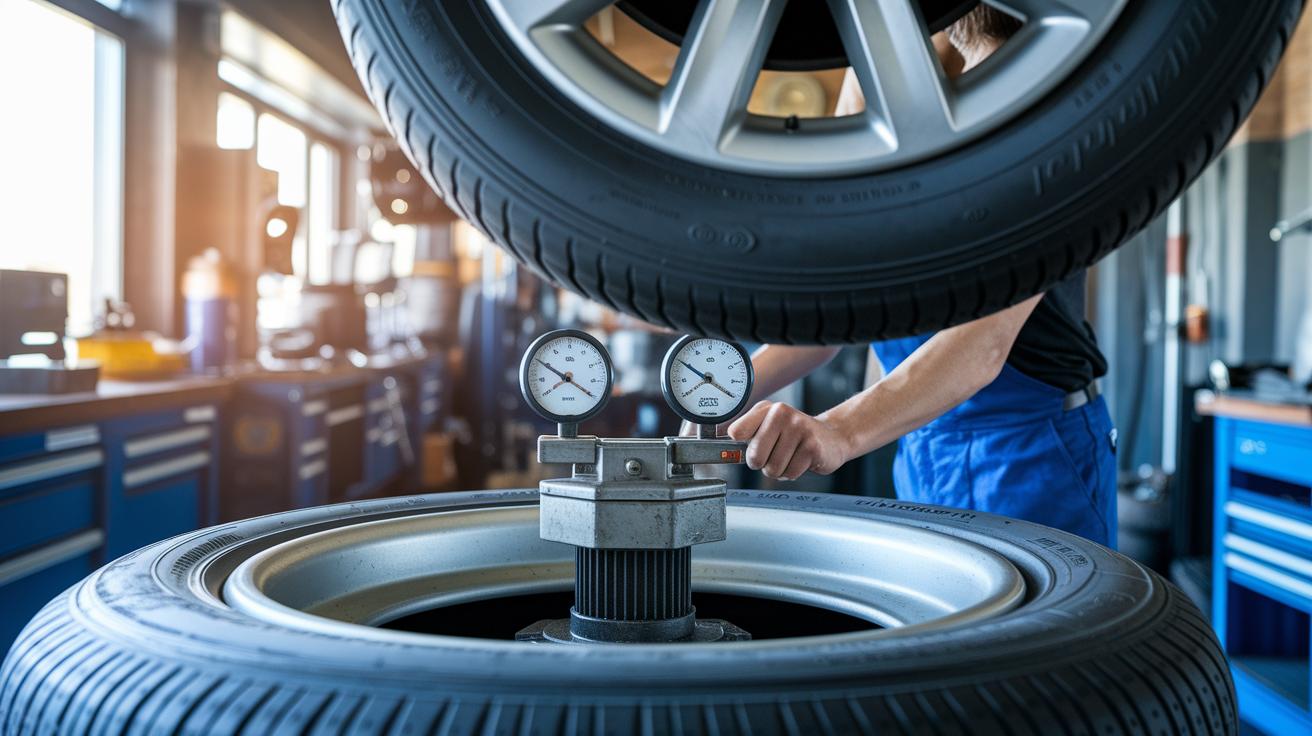


Ever get annoyed by your car shaking more than it should? Maybe you've wondered if there's a quick fix that doesn’t need a mechanic’s magic.
Well, using a tire balancing machine the right way might just do the trick. First, you mount your tire on the machine carefully. Then, you punch in the right details so it knows exactly what to do. After that, you add small weights (little metal pieces that help the tire stay even) to balance it out.
Before you know it, you'll be enjoying a ride that feels smooth and steady. It’s like giving your car a little tune-up that makes every drive feel more confident and calm. Enjoy the journey with this simple, friendly guide.
Step-by-Step Guide for How to Use a Tire Balancing Machine
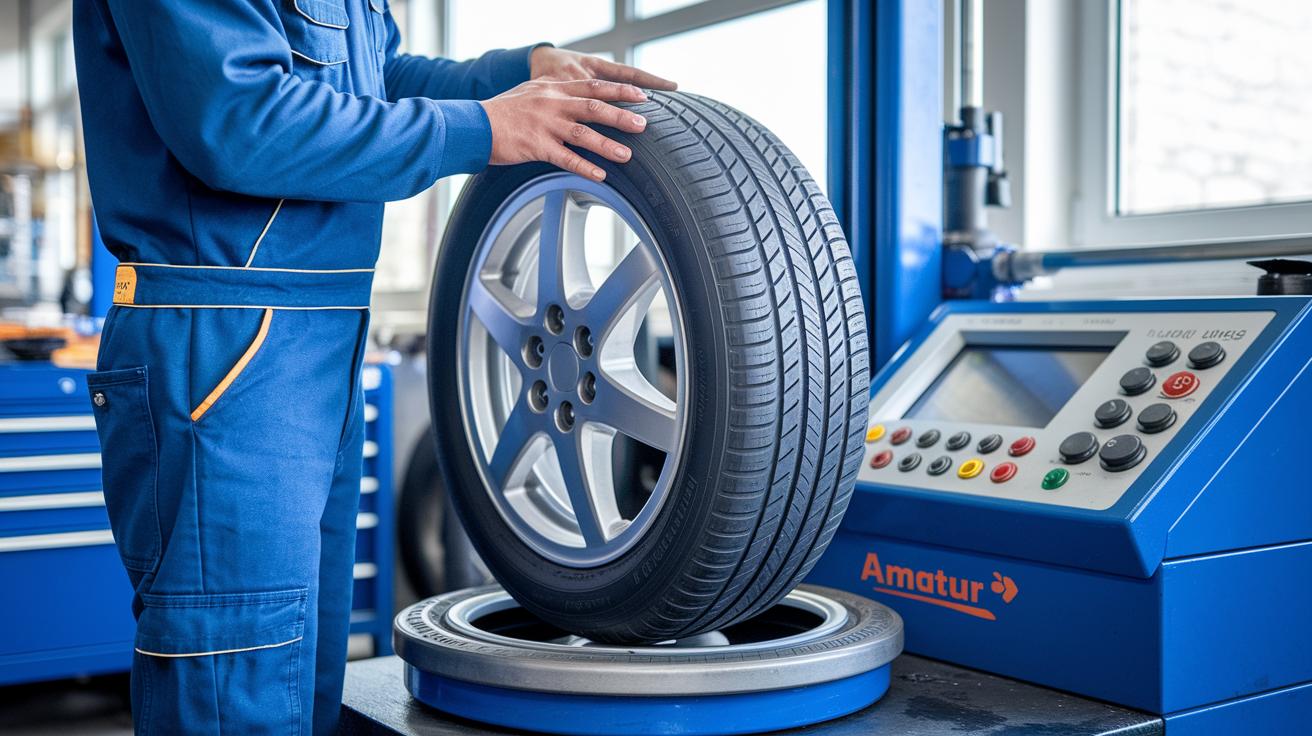
Getting rid of those annoying vibrations starts with using a tire balancing machine the right way. This handy tool checks the tire both when it’s still and when it’s spinning to smooth out your ride, just like tuning up your engine for that perfect drive.
-
Mount the tire.
First, make sure the tire is securely attached. A well-mounted tire helps avoid any off-center issues that could lead to mistakes or hazards. -
Program the machine.
Next, punch in the correct wheel diameter, width, and distance. Accurate details like these tell the machine how much weight to add and where to put it so your tire stays balanced. -
Calibrate the sensors.
Before you move on, run a quick zero-error check. This step makes sure the machine’s readings are spot on, catching even the tiniest imbalance whether your tire is at rest or on the go. -
Apply the corrective weights.
Now, add the proper weights, either clip-on (which you tap on in 1/4-ounce steps) or adhesive weights for alloy rims. The perfect weight placement fixes both the static (at rest) and dynamic (while moving) issues. -
Verify the balance.
Finally, give the tire one last spin and check the digital readout. This step confirms that all the vibrations are gone and that you’re set for a smoother ride.
Taking each of these steps seriously boosts safety, improves handling, and makes your tires last longer. It works for all types of imbalances so you can be confident that your ride will be as smooth as possible. For more details on how proper tire balancing keeps you safe, check out why proper tire balancing is crucial after installation.
Preparing Your Workstation and Tire Balancing Machine
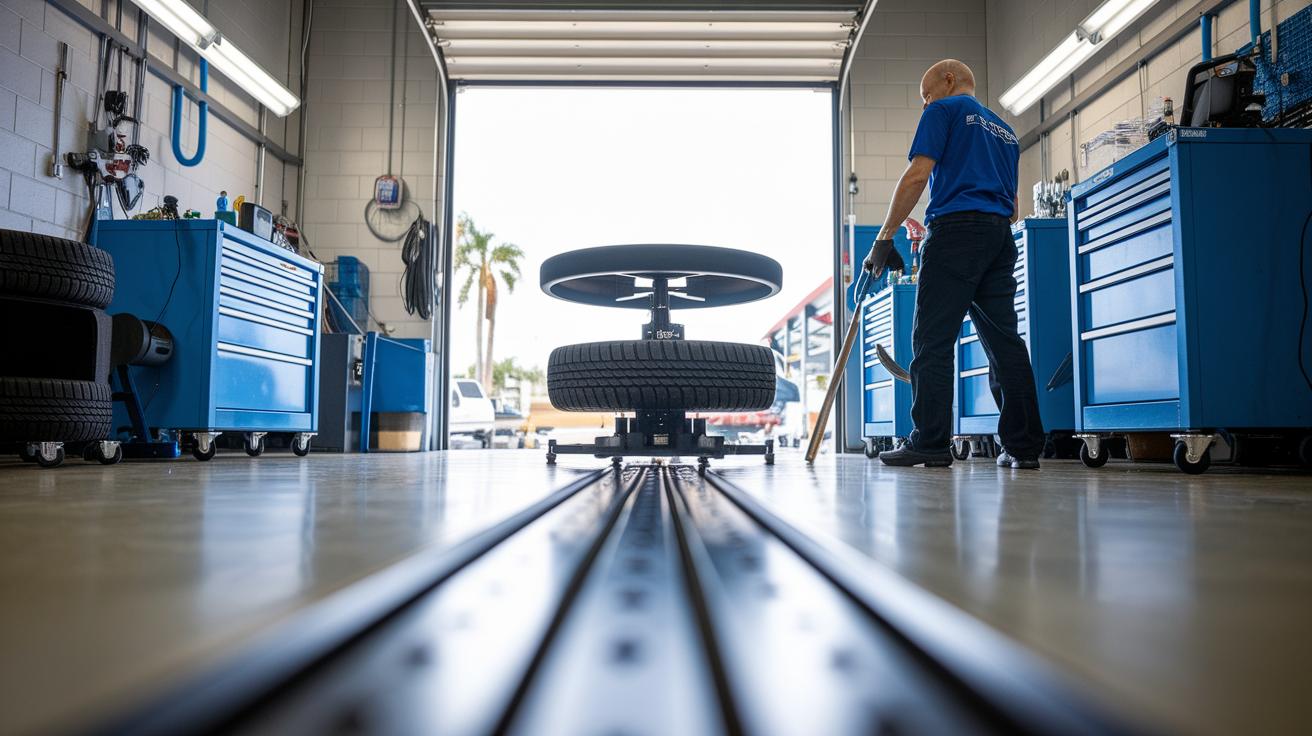
Start by getting your workspace ready so the tire balancing goes off without a hitch. Pick a spot with a level, clean floor that’s free of junk. This way, your balancing machine stays steady while you work. Make sure the machine is hooked up to a reliable power source and properly grounded to keep any electrical problems at bay. Also, check the lighting and layout so you can easily see and reach your tools. This setup helps you avoid unnecessary stops while working on your tire.
Before turning the machine on, give everything a good once-over. Make sure the tire matches what the machine can handle and that any adapters or parts are clean and in good shape. And don't forget your safety gear like safety glasses, gloves, and steel-toe boots. These simple steps keep you safe and help the machine work right. Here’s what you need to do:
- Check that the floor is level, clean, and free of clutter.
- Ensure the machine is connected to a steady, grounded power source.
- Confirm that the tire's specs match the machine’s weight limits.
- Inspect your adapters and mounting parts for cleanliness and good condition.
- Always wear your safety glasses, gloves, and steel-toe boots.
Mounting Wheels on the Tire Balancing Machine

Getting the wheel mounted just right is key for a smooth ride. When you put a wheel on, even a teeny tiny slip-up , like a 0.006-inch error , can tip the balance by a half-ounce on a 36-pound setup. You don’t want that. So, taking your time and doing it step by step not only makes your tires work better but also keeps your drive safe. Whether you’re working with wheels that center on the hub or ones that use bolts (lug-centric), make sure the parts touching each other are squeaky clean. That way, the balancing machine can show you accurate readings.
| Wheel Type | Adapter Required | Key Mounting Steps |
|---|---|---|
| Hub-Centric Wheels | Centering cone | Put a clean centering cone inside the hub; make sure it and the surfaces are free of dirt |
| Lug-Centric Wheels | Adapter plate with adjustable arms | For six-lug wheels, use three arms; for eight-lug wheels, use four arms; clean the adapter and wheel surfaces |
Following the steps the maker suggests is super important. Stick to the recommended method to dodge centering mistakes, keep things neat, and lower the risk of imbalance. When you pay attention to each little detail, you get a tire that balances just right, which means a better ride and longer tire life.
Calibrating and Programming the Tire Balancer
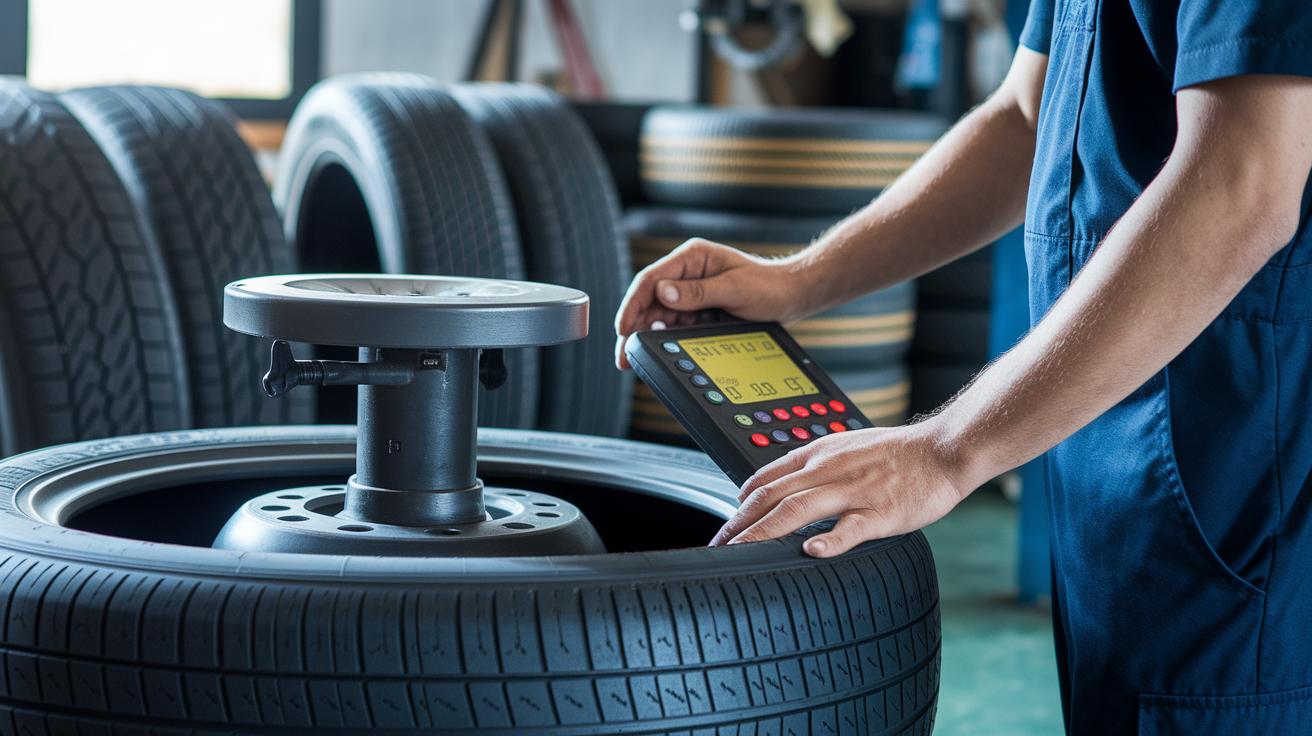
Before you weigh a tire, make sure the machine’s sensors are set exactly to zero. It’s like checking your car’s gauge before hitting the highway. If you see even a little shift, pause and reset the sensor so you get the right reading every time. This careful check helps whether the tire is still (static balancing) or moving (dynamic balancing, which measures forces while spinning).
Next, enter the tire’s details like wheel diameter, width, and offset (this tells you how the wheel sits on the hub). The machine will then show clear digital numbers that tell you exactly how much weight to add and where. If the numbers seem off, take another look at your inputs and do a quick sensor check. Sometimes, an unexpected error means a value was entered wrong or the sensor needs another zero reset.
How to use a tire balancing machine: flawless
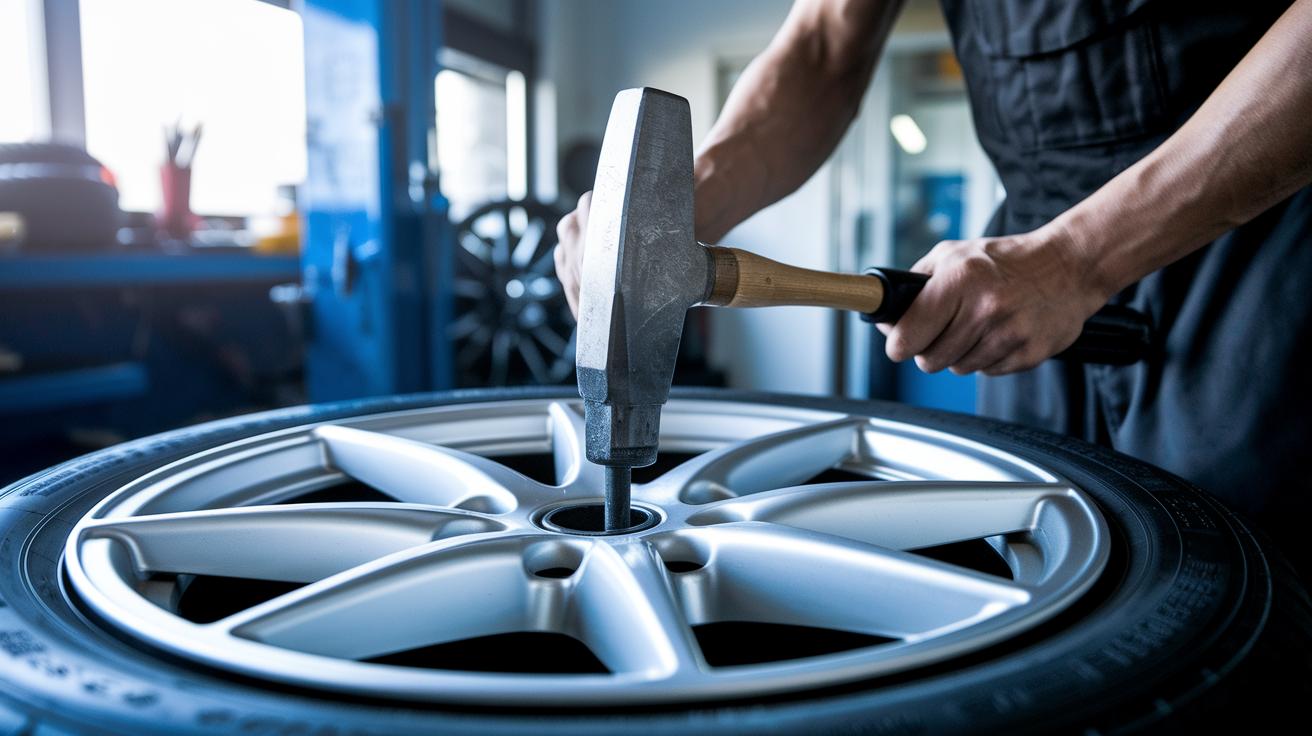
When you fix a wheel that’s off balance, picking the right weight is key for a smooth ride. Clip-on weights are the ones you hammer onto the rim’s curved edge in small, quarter-ounce bites. They give you great control and a rock-solid hold. On the other hand, tape-on weights stick on with a special adhesive. These are best for alloy wheels because they stop rust from forming. Sometimes, you might even see techs hiding these weights on the inner part of the wheel for a neat look. In truth, both styles work well, it just depends on your rim and how sharp you need the balancing act to be.
| Weight Type | Attachment Method | Ideal Use Cases |
|---|---|---|
| Clip-On Weights | Hammered onto the rim | Great for precise fitting on steel and alloy wheels |
| Tape-On Weights | Stuck on with adhesive | Perfect for alloy wheels that need extra care against corrosion and a tidy look |
After you’ve attached the weights, it’s super important to make sure they’re locked in tight. Give the clip-on weights a few taps with a wheel-weight hammer until they’re snug, and press on the tape-on types so that the glue does its job right. Then, spin the tire around to do a spin-out test and catch any that might be loose. This extra check can save you from annoying vibrations later. A little extra care now means a smoother drive and less hassle when it’s time for maintenance.
Maintenance and Safety Tips for Tire Balancing Machines
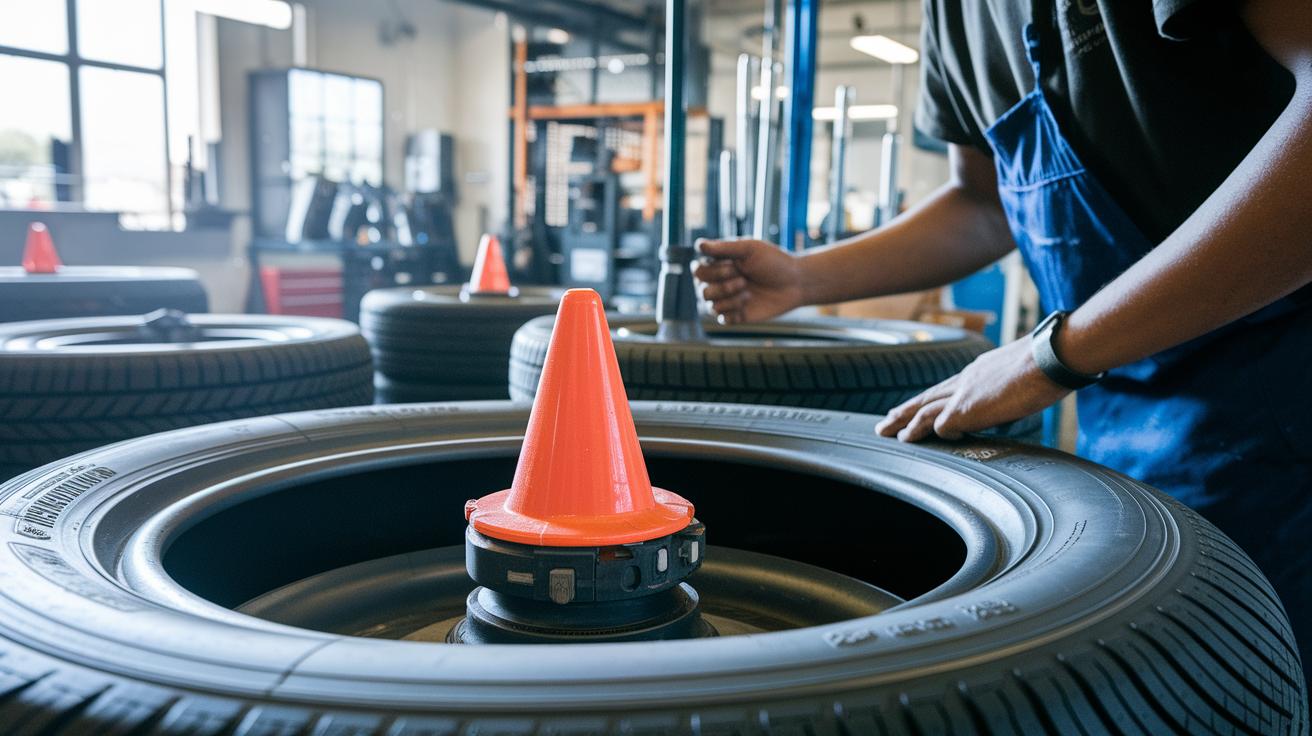
Regular care for your tire balancing machine is key to keeping everything safe and running without a hitch. When you take time to look after your machine, you're not just protecting it; you're also avoiding nasty surprises while doing tire work. A well-cared-for machine gives you clear, reliable readings every single time.
- Check cones, adapters, and sensors often to spot any wear or damage (like scratches or broken parts).
- Wipe down the machine and clean sensor windows to keep dust and dirt from messing up the readings.
- Grease all moving parts as the manufacturer recommends.
- Every week, test the emergency-stop and power-switch to make sure they work when you really need them.
- Confirm that the power supply is steady and that the machine is properly grounded for safety.
- Make sure adapters and mounting fixtures are clean and firmly in place.
Always remember to lock-out/tag-out the balancer before doing any servicing and to wear your personal protective equipment for extra safety.
Troubleshooting Common Tire Balancer Errors
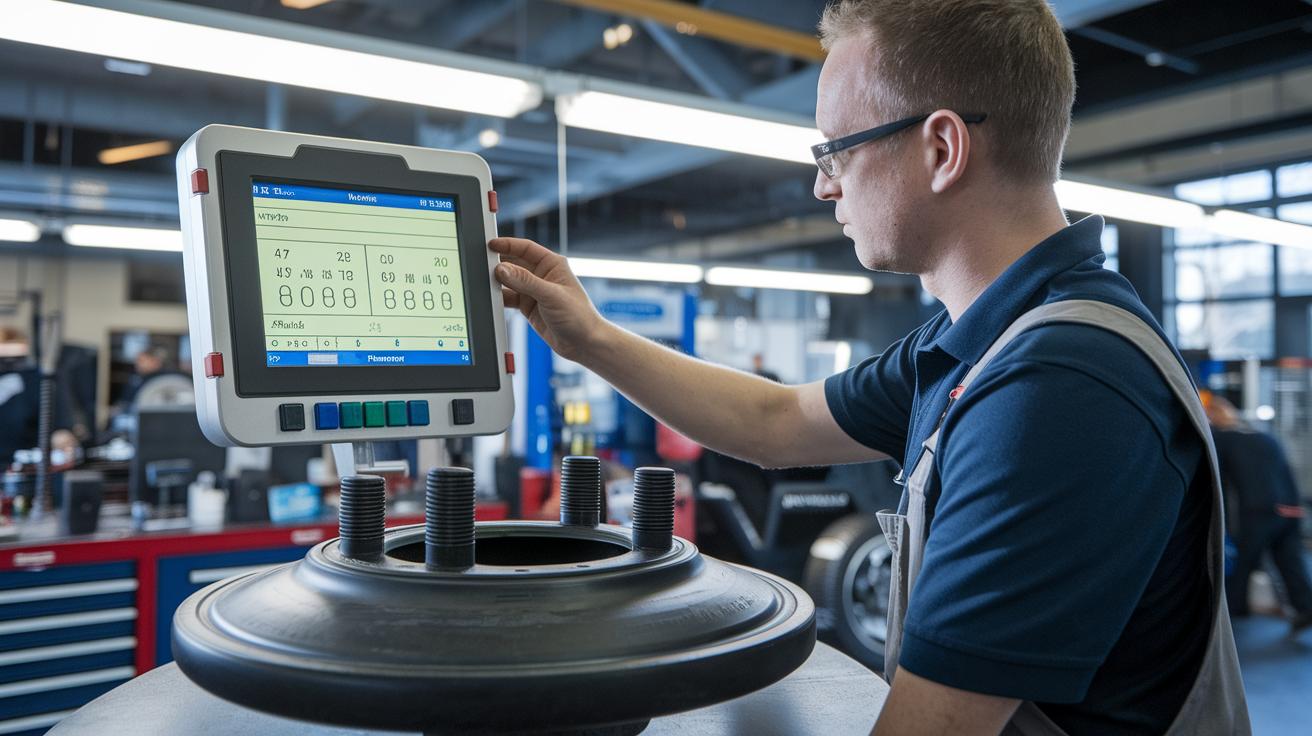
If your tire balancing machine is acting up with odd readings or extra shakes, something isn’t right. These issues can pop up for a few usual reasons, and catching them early helps you fix it before it messes with your ride. Keep an eye on the machine and listen to what it’s telling you.
- When the machine gives odd readings, it usually means the sensors need a quick reset. Check them out and recalibrate if needed.
- Extra shaking might mean the rim is bent or the tire has taken a hit. Give the tire a good look to see if it shows any damage.
- If the mounting error is more than 0.006 inches off center, it can mess with the balance. For more on fixing mounting issues, check out the guide on poorly mounted tires here: signs of a poorly mounted tire and how to fix them.
- Dirty or broken adapters can confuse the sensors too. Clean or swap them out to keep the readings on point.
If these checks don’t sort the problem, it might be a good idea to have a pro take a look. Safety on the road really comes first.
Final Words
In the action, this guide showed how to use a tire balancing machine by mounting the tire, programming the device with accurate specs, calibrating sensors, and carefully applying balance weights. Each step was broken down to help you cut through the clutter and ride smoothly.
The post also touched on setting up a safe workspace and routine maintenance checks. This practical advice leaves you with a clear, effective game plan to boost your tire performance and keep your drive safe and dependable. Enjoy that steady ride!
FAQ
Q: How to use a tire balancing machine on YouTube and at home?
A: Using a tire balancing machine, as seen on YouTube, means securely mounting the tire, inputting wheel specs, calibrating sensors, applying corrective weights, and verifying balance to reduce vibrations on your ride.
Q: What is the wheel balancing procedure step by step?
A: The wheel balancing process involves mounting the tire, programming the machine with details, calibrating sensors, applying proper weights, and testing to ensure even balance and a smoother ride.
Q: How do tire balancing machines work?
A: Tire balancing machines work by measuring static imbalance at rest and dynamic forces while spinning, then calculating the precise weight needed to correct the tire’s balance for a smoother, safer drive.
Q: How can I balance a wheel without a machine?
A: Balancing a wheel without a machine involves using a manual balancer, relying on visual guides and trial adjustments to place weights by hand, which can help reduce vibrations after careful testing.
Q: How do I use a manual wheel balancer?
A: Using a manual wheel balancer means mounting the tire on the device, aligning visual center marks, and adjusting weights by hand until the tire spins evenly to minimize shuddering on the road.
Q: What is the typical price for a wheel balancing machine?
A: The price of a wheel balancing machine varies by features and precision; basic models are more affordable, while advanced digital units with extra functions come at a higher cost.
Q: Where can I find the SBM680 wheel balancer manual?
A: The SBM680 wheel balancer manual typically comes with the machine. If not available, you can check the manufacturer’s website or reach out to their support team for a replacement copy.
Q: How do I operate a wheel balance machine?
A: Operating a wheel balance machine involves securely mounting the tire, entering accurate dimensions, calibrating the machine, applying corrective weights, and verifying balance by testing the tire’s performance.
Q: Can you put too many balancing beads in a tire?
A: Using too many balancing beads can interfere with proper weight distribution; following the recommended guidelines from the tire or machine manufacturer helps maintain an accurate balance for optimal performance.
Q: Should I remove old weights when balancing tires?
A: Removing old weights before rebalancing is important because leftover weights can offset new measurements, leading to improper balance and a less than smooth driving experience.

