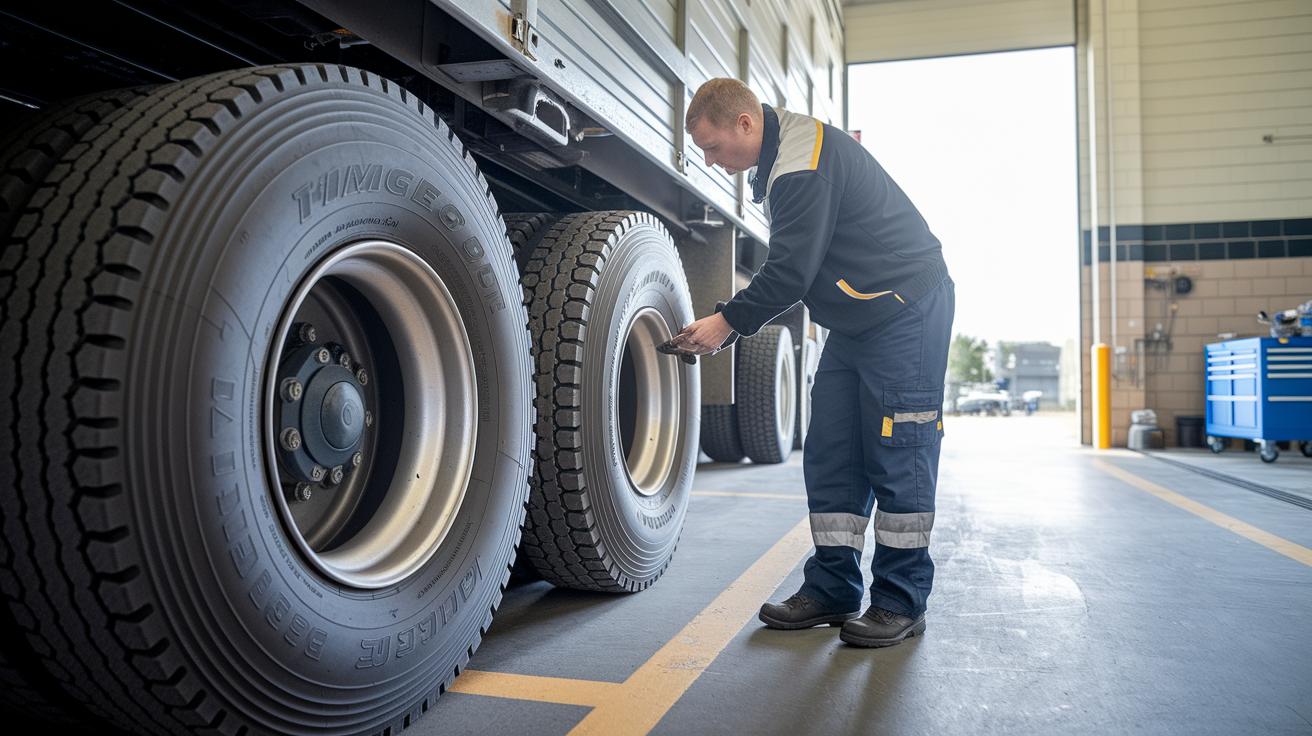


Ever wonder why some trucks skip the big tire headaches while others end up struggling? Tire care isn’t hard, it’s about checking early and fixing small issues that save you time and money.
We’re sharing some easy tips to keep your commercial vehicle tires in top shape. Imagine checking the air pressure just like you’d glance at the fuel gauge before a long drive. A quick look can show you if the tires are uneven, which might signal a need for a simple fix.
Stick with us. With a little routine care, you can keep your tires strong and your ride worry-free.
Comprehensive Troubleshooting and Inspection for Commercial Vehicle Tires

Keeping your commercial vehicle's tires in top shape can really save you time and money. By checking tire pressure, looking for any visible damage, and making sure your trailer load is balanced, you help your tires wear evenly. Regular, quick inspections, both a visual check and a pressure check, can catch issues like underinflation or overloading before they become big problems. A good routine includes simple tips like keeping an eye on tread wear (how fast the tire surface wears down) and doing a more thorough inspection every three months. This way, not only do your tires last longer, but drivers feel safer and more ready for heavy-duty work.
For quick fixes, here are five common tire issues along with easy steps to fix them:
- Underinflation: Check tire pressure with a proper gauge and adjust it to the recommended level.
- Overloading: Look at your trailer’s load distribution and shift cargo to avoid uneven wear.
- Uneven tread wear: Rotate your tires or get an alignment check so wear is balanced across all axles.
- Excessive tread wear: Use a depth gauge (a tool that measures how deep the tread is) to see if your tires meet safety standards.
- Minor puncture damage: Fix small punctures with a patch-plug combo to seal up any holes in the tread.
Staying on top of these checks keeps your tires in good shape and lowers the risk of on-road problems. Ever notice how much better you feel knowing everything’s running smoothly?
Vehicle Tire Inspection Protocols and Pre-Trip Checklists

Keeping your commercial vehicle in top shape starts with a simple, everyday check before you drive and a more detailed look every few months. Follow the FMCSA rules (like keeping at least 4/32" of tread on your front tires) and use a handy checklist for peace of mind. You can even print out our "Commercial Vehicle Tire Maintenance Checklist" to stay on track.
Before you hit the road, walk around your vehicle and look at each tire carefully. Check for any cuts, bulges, or spots where the tread might be coming apart. Use a tire pressure gauge (a tool that shows if your tires have the right amount of air) to make sure everything is in the safe range. Also, take a quick look to see that your load is balanced evenly. A simple visual check can spot problems before they turn into bigger headaches.
Every three months, take a bit more time off-road to give your tires a thorough check. Use a depth gauge (a tool that measures how much tread is left) to make sure your tires are still safe to use. While you’re at it, inspect the sidewalls and inner parts for any hidden damage. This extra step helps you notice if there’s uneven wear that might be a sign of alignment or inflation issues. Think of it like giving your tires a little health check-up that goes beyond the quick glance.
Heavy-Duty Pressure Calibration and Regulation for Truck Tires

Keeping your truck's tires at the proper pressure is key for a safe and smooth ride. For example, the front (steer) tires should be between 100 and 110 psi, the drive tires between 90 and 100 psi, and the trailer tires between 90 and 95 psi. You should check them every day with a good, calibrated gauge to catch any drops or rises early. Remember, tire pressure can change a bit, a shift of about 1 psi for every 10°F change in temperature, so it pays to stay on top of it. This careful tuning not only makes your truck more fuel efficient but also helps the tires last longer, saving you time and money on unexpected repairs.
Sticking to a regular checkup routine that meets strict safety rules is a smart move. The table below breaks down the recommended pressures and how often to check each axle. It’s an easy reference for fleet managers and drivers to keep every tire performing well.
| Axle Type | Recommended Pressure (psi) | Check Frequency |
|---|---|---|
| Steer | 100-110 | Daily |
| Drive | 90-100 | Daily |
| Trailer | 90-95 | Daily |
| Spare | 80-90 | Before use |
Tread Depth Evaluation Methods and Wear Pattern Analysis

Keeping an eye on your tire tread is a smart and simple way to keep your vehicle safe. You can use a depth gauge (a tool that shows how much tread is left) or try the coin test. Just remember that the legal minimum tread is 4/32 inches on front tires and 2/32 inches on drive or trailer tires. This quick check helps you avoid losing grip on wet roads.
The coin test is really easy. You drop a coin into one of the tire’s grooves, and if you see part of the coin, your tire might be too worn. It’s like a little trick that lets you see how healthy your tires are without fancy gadgets. Checking like this now and then can catch problems early so they don’t turn into big issues.
Tire wear patterns also give you important clues. If the center of your tire is wearing down fast, it might mean the tire is overinflated. If the edges are worn, it could be underinflation at work. Other patterns like cupping or feathering can signal issues with alignment or balance. Noticing these signs lets you fix small problems before they lead to expensive repairs.
Alignment, Balance, and Fleet Rotation Scheduling for Tire Longevity

Getting the most out of your tires is easier than you might think. Keeping them aligned, balanced, and rotated on time makes a big difference. These simple steps help prevent uneven wear, reduce vibrations, and extend your tires' life. Even a small issue can turn into a bigger problem later, so taking a few extra minutes to check them really pays off.
Alignment Procedures
When your tires aren’t lined up correctly, the edge (or shoulder) of the tire can wear out faster than the rest. If your car starts pulling to one side or you see uneven tread wear, it might be time to check your alignment. It’s a good plan to get it checked every 50,000 miles or after any major suspension work. Think of it like a tune-up for your car, ensuring everything is set just right. And if you ever notice that your steering feels harder than usual or your vehicle drifts on the highway, it’s a good idea to have a professional look at your wheels.
Balancing Techniques
Balancing is all about making sure the weight in your tire is evenly spread out. There are two main types: static balancing, which deals with the weight on one side, and dynamic balancing, which covers what happens when your tire spins at high speeds. If you feel a slight hum or a gentle shake while driving, it could be a sign that your tires need balancing. A quick check can help keep your ride smooth and comfortable.
Rotation Scheduling
Rotating your tires is key to making sure they all wear evenly. Most experts recommend doing this every 25,000 miles or at least once every six months. Using rotation patterns like cross or forward shifting helps even out the wear, so no tire ends up working too hard. Regular rotation not only meets maintenance guidelines but also keeps your tires in top shape for every mile you drive.
Effective Repair Techniques and Replacement Guidelines for Commercial Tires
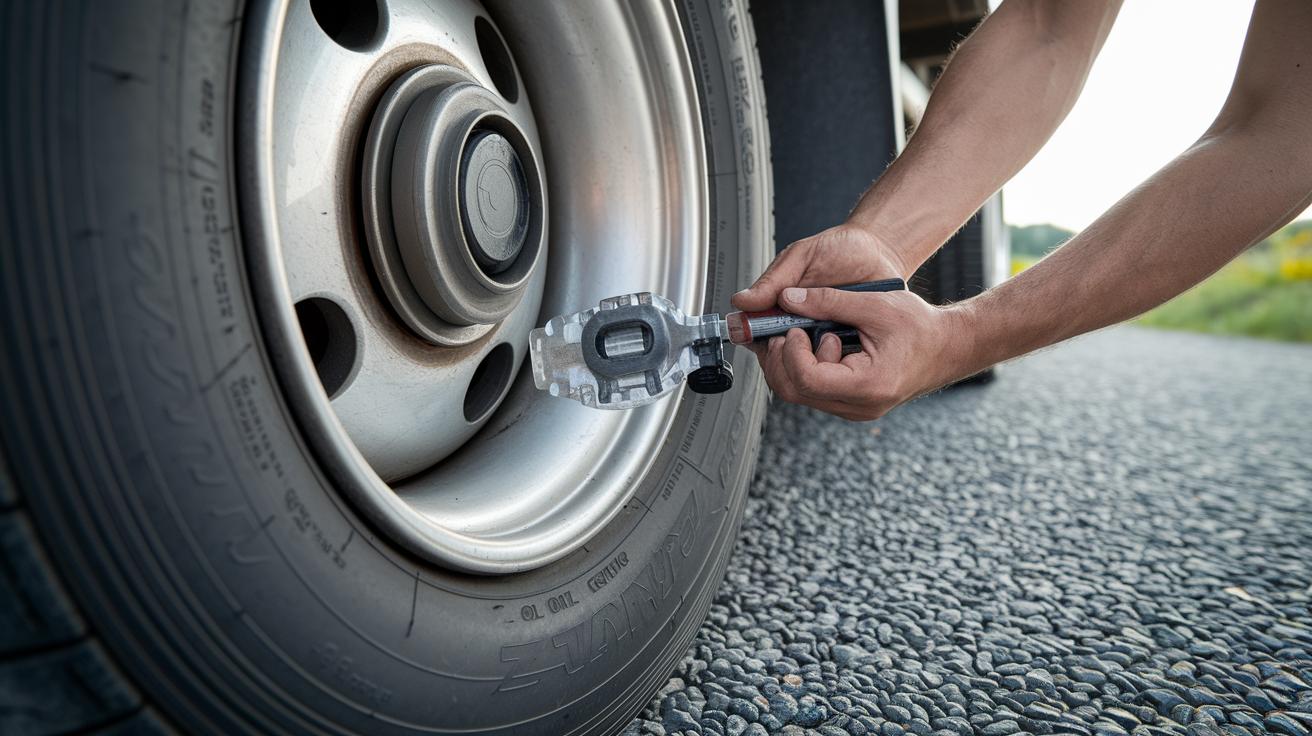
When you're on the road with your truck, knowing a few smart repair tricks can keep you safe. For example, if you spot a small hole in the tire tread (the part of the tire that touches the road), using a patch-plug combo works great for holes that are a quarter inch or smaller. Think of it like putting on a protective bandage that covers the damage from both the inside and outside.
It's really important to follow your truck manufacturer's instructions when doing an internal repair patch. Always check your OEM manual (the original guidelines from the maker) to make sure you’re doing it right. One key tip: the patch should cover no more than 80% of the damaged area. If the hole is too big or the patch would cover most of it, then the tire needs more than just a repair.
And then there are cases where the tire has sidewall damage or cuts along the shoulder. In these situations, replacing the tire is the safest bet. This is because damage in these areas can weaken the tire and might even cause a sudden blowout. While simple fixes are handy for minor wear, knowing when to replace a tire is crucial to keeping you, your vehicle, and your crew safe on the road.
Digital Tracking Solutions and Maintenance Record Keeping for Fleets

Fleet managers have digital tracking and maintenance record systems that make keeping track of tire health easy. These systems record things like tire pressure, tread depth (how quickly the tire’s surface wears out), and service history all in one place. It’s a bit like your car’s dashboard giving you a friendly nudge to check your tires before you hit the road. Predictive models look at past data and alert you to potential issues well before they become big problems.
Digital log tracking tools also help you stay on top of FMCSA rules with real-time alerts and digital audits. This means you don’t have to spend extra hours on paperwork. Every time a tire gets inspected or serviced, the records update automatically, letting you breathe a little easier and drive a little safer.
These digital enhancements are like having a co-pilot whose main job is to help you keep your tires in top shape. With fewer surprises and smoother operations, fleet operators can keep their vehicles running safely and efficiently.
Compliance with Safety Standards and Regulatory Best Practices in Commercial Tire Maintenance

Before you set off on the road, it's key to know that the FMCSA sets clear rules for your tires. They often require a minimum tread depth of about 2/32 inch (that’s when the rubber is starting to wear thin), along with load limits and specific times for checking up on your tires. You might check your tires before each trip, do a more thorough monthly review, and then a deeper check every three months to catch any early signs of wear. One driver puts it simply: "I check my tires before every run to make sure they hit the 2/32-inch mark." Plus, guidelines from SAE and AASHTO offer extra pointers on how to gauge tire performance on everyday roads.
Sticking to these federal standards helps keep your tires in good shape and avoids nasty surprises or costly repairs. Regular inspections, along with smart load distribution, catch wear and tear before they become big problems. This all-in-one approach gives you a straightforward look at the best practices for keeping your tires safe and sound.
Final Words
In the action, we've shared hands-on tips on troubleshooting, inspection, and calibration of commercial tires. We covered everything from pre-trip checks to tread depth evaluation and precise alignment methods.
By following our repair techniques and digital tracking advice, you'll keep your tires in top shape. Stick with proven best practices for tire maintenance for commercial vehicles so you can drive safely and confidently. Embrace these steps and enjoy a smoother, more reliable drive every time.
FAQ
Frequently Asked Questions
Tire maintenance for commercial vehicles PDF, checklist, free and best practices resources?
The commercial tire maintenance resources include PDF guides, checklists, and free tools that outline proper inspections, inflation checks, and service tips for keeping your fleet’s tires in top shape.
DOT truck tire pressure, regulations chart, and rules?
The DOT truck tire pressure guides and charts provide clear pressure ranges and regulatory rules. They support daily checks and help you stay within safe operating standards.
What is the proper maintenance of tires?
The proper maintenance of tires involves regular pressure checks, tread depth evaluations, and addressing wear early. This routine care boosts safety and prolongs tire life while avoiding expensive repairs.
What is a commercial tire technician?
A commercial tire technician is a specialist who inspects, repairs, and maintains tires on large vehicles. They perform balancing, alignment, and other services that keep tires safe for the road.
How much does tire maintenance cost?
Tire maintenance cost varies by service type and vehicle size. Basic inspections may be affordable, while detailed services like alignment or patch repairs usually require a larger budget.

