

Have you ever noticed a letter on the side of your tire? It might look like a random mark, but it's really a speed limit for your tire, showing how fast it can safely roll. Think of it as a guide that helps you get the best performance and a safe, smooth drive.
In this article, we're going to walk through what each letter means for your tire's abilities (like how fast it can go safely). We'll break it down step by step so you know exactly how these ratings can boost your car's performance and keep every drive worry-free.
Ready to learn how these simple letters play a big part in your driving experience? Let's dive in.
How Tire Speed Ratings by Letter Define Maximum Safe Speeds
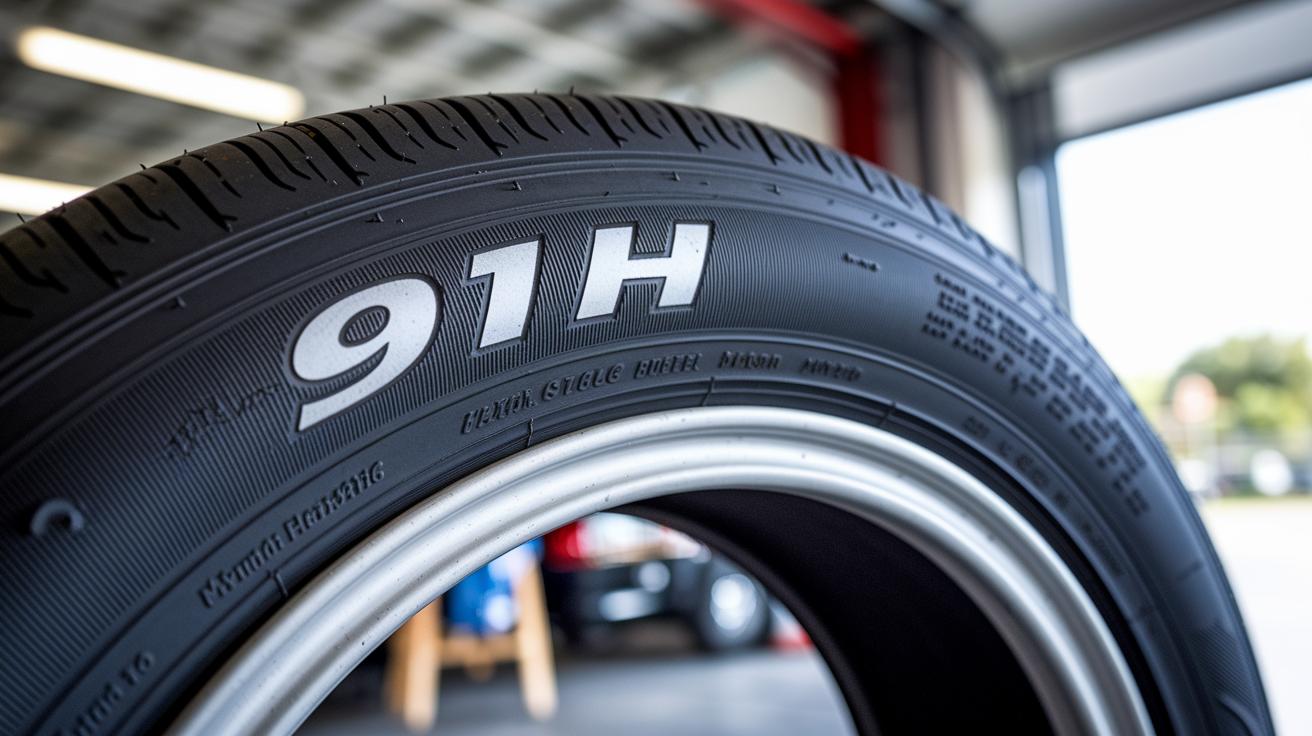
When you look at a tire’s sidewall, you’ll notice a letter that shows its maximum safe speed when carrying the right load. For example, if you see an H following the load index in a code like P225/45R17 91H, that H tells you the tire can safely go up to 130 mph (which is about 210 km/h). The tire industry sticks to this system so it’s easy for everyone to know a tire’s limits.
These ratings really matter for your safety on the road. Tire makers run tests in controlled settings, slowly ramping up the speed to see how the tire handles things like heat, changes in its shape (deformation), and even when its layers start to separate (tread separation). This way, they make sure the tire performs well at or below its rated speed. Using the right tires means your car holds a steady grip, handles predictably, and stops when you expect, all while avoiding fast wear that could be dangerous.
Speed ratings range from very low to very high. For example, trailer tires often sport an A1 rating that tops out at about 3 mph, which is fine for slow-moving tasks. On the flip side, a ZR rating covers speeds over 149 mph; within this group, letters like W and Y signal that some tires are designed for speeds of roughly 168 mph and 186 mph. These high-end tires are built with advanced materials that help them grip the road and stop quickly, though they might wear out faster if pushed too hard. Drive safely and keep an eye on your tire ratings!
Alphabetical Performance Guide: Deciphering Each Letter in Tire Speed Ratings

When you check your tire sidewalls, you might see a letter that tells you how fast the tire can safely go. Each letter shows what the tire is built to handle. For example, if you spot a Q rating, it usually means the tire, often used on 4×4 vehicles during colder weather, is good for speeds up to 99 mph. It's like a quick note letting you know what to expect.
| Letter | Speed |
|---|---|
| Q | 99 mph |
| R | 106 mph |
| S | 112 mph |
| T | 118 mph |
| U | 124 mph |
| H | 130 mph |
| V | 149 mph |
| W | 168 mph |
| Y | 186 mph |
| ZR | Above 149 mph (includes the W and Y classes) |
When picking out new tires, it’s important to match the speed rating with the way you drive. Think of it like this: if you’re cruising down the road or planning for a bit of extra speed, you need a tire that can keep up safely. You want ratings that not only fit your vehicle’s original specs but also work well with your driving habits. Taking a moment to check these letters can help you pick tires that offer the right mix of grip, handling, and long-lasting performance for every journey.
Tire Speed Ratings Chart: Quick Reference Table of Letter Codes
Here's a handy guide that breaks down tire speed ratings by letter code. Whether you're towing a trailer or driving a sporty car, these ratings tell you the top speed each tire can handle.
| Speed Rating Letter | Max Speed (mph) | Max Speed (km/h) | Typical Application |
|---|---|---|---|
| A1 | 3 | 5 | Trailer |
| B | 31 | 50 | Trailer/Low-Speed |
| C | 50 | 80 | Utility/Trailer |
| Q | 99 | 160 | Winter/4×4 |
| R | 106 | 170 | Passenger |
| S | 112 | 180 | Passenger |
| T | 118 | 190 | Passenger |
| U | 124 | 200 | Passenger |
| H | 130 | 210 | High-Performance |
| V | 149 | 240 | High-Performance |
| W | 168 | 270 | Performance |
| Y | 186 | 300 | Ultra-Performance |
This guide mixes the performance data with notes on what each speed rating is usually used for. It’s like having a quick pit stop that helps you decide if you need a tire for a slow-moving trailer or one built for high-speed adventures on the highway. Enjoy choosing the perfect tire for your driving needs!
Testing Standards and Industry Methodology for Letter Speed Ratings
Manufacturers run lots of tests on tires to see how they handle high speeds. In the lab, they let a tire spin at its rated speed in a chamber kept at 100°F for a full hour. While it’s going, experts check for any heat buildup, shifts in shape, or tiny separations in the tire’s belts (the layers that keep the tire together). It’s like pushing a tire to the limit while folks watch closely to make sure everything holds up.
There are many factors that affect whether a tire can truly meet its speed rating. The materials used (and the tread design that helps with grip) play a big role. Even the way a tire is built, whether it’s the radial type or the bias-ply style, can change how well it handles heat and pressure. Picture it like a well-tuned machine where every part, from the rubber compound to the inner fabric, needs to work together just right. Even small changes can shift performance, which is why manufacturers take the time to perfect every detail.
They follow guidelines set by groups like the Society of Automotive Engineers and other global organizations. This means every tire is tested the same way, and when you see a tire’s speed rating marked by a letter, you know it’s passed some pretty tough tests. It’s a trusted check that gives you peace of mind when you hit the road.
Integrating Load Index with Speed Letters: What to Consider
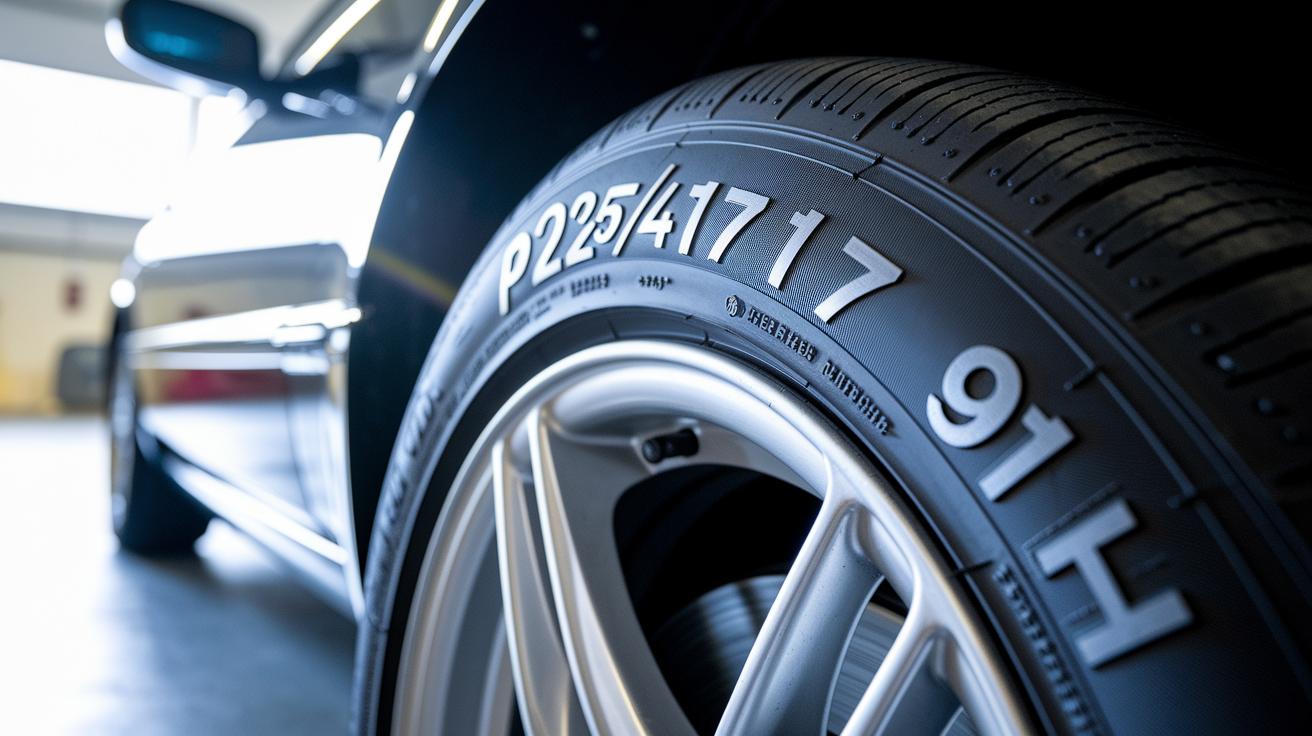
When you read a tire description like P225/45R17 91H, things might seem a bit coded at first. Here, 91 is the load index, that’s the number showing that each tire can support about 1,356 lb (imagine how much weight that is, like a small car’s worth on one tire). And H is the speed rating, telling you the tire is built to handle speeds up to 130 mph.
This code is kind of like a quick snapshot of the tire’s performance. It mixes the tire’s weight capacity with its speed potential so you get a full picture in one simple look. If you want to double-check that your tire meets your car's needs, using a load index chart can help you out.
Choosing tires with the right load and speed ratings is super important for safe driving and smooth handling. When your tires match the weight and speed needs of your vehicle, you'll notice a steadier ride and even tire wear. But if they’re off, you might end up with uneven wear, less grip, and handling that feels a bit off.
So, it’s a good idea to pick tires that stick close to your car’s original specs. This way, every tire works together just right, keeping you safe and ensuring a reliable ride on those long drives.
Choosing the Right Tire Speed Rating by Letter for Your Driving Needs

When you need new tires, it’s important to pick ones that match the speed rating from the car maker (OEM means the original parts used on your car). This helps your car stay safe and easy to drive, just like it was designed to be. Always check that every replacement tire meets or beats the original rating. For more details, you can visit https://tityres.com?p=2845. This way, your ride stays smooth and reliable no matter the road conditions.
Sometimes, you might decide to upgrade your tire rating to get better grip at high speeds. For instance, switching from an H-rated tire to a V-rated one can boost traction. But keep in mind this might also give you a firmer ride and cause the tires to wear out a bit faster. Winter tires usually have lower speed ratings because they use softer rubber to handle the cold, so choose based on your driving habits and the season. And don’t forget, all four tires should have the same speed rating to keep your car balanced and safe on the road.
Final Words
In the action, this blog broke down how tire speed ratings by letter tell you a tire’s max safe speed. We explained the meaning behind each letter, showed you a handy chart, and discussed testing standards and load index pairing for safe driving. The guide also helped you pick the right tire speed ratings by letter for your vehicle. Keep this info in mind and enjoy a smooth, controlled drive on roads where your tires lead the way.
FAQ
Q: All season tire speed ratings by letter
A: The all season tire speed ratings by letter tell you each tire’s top safe speed under normal loads. They help you choose tires that match everyday driving needs and manufacturer recommendations.
Q: Tire speed ratings by letter Michelin
A: The tire speed ratings by letter on Michelin tires follow the same standard system. Each letter marks a tire’s maximum safe speed, ensuring a reliable guide for matching your vehicle’s performance.
Q: Tire speed rating chart
A: The tire speed rating chart serves as a quick reference showing letters like H, T, or V paired with max speeds in mph and km/h. This guide helps drivers compare performance and select suitable tires.
Q: Tire speed rating H
A: The tire speed rating H means the tire is tested for speeds up to 130 mph. It offers a good balance of performance and comfort for common highway and city driving.
Q: Speed rating V
A: The speed rating V shows that a tire is rated for speeds up to 149 mph. It indicates a tire built for high-speed performance, providing enhanced grip and handling at faster speeds.
Q: Tire load index
A: The tire load index signifies the maximum weight a tire can safely support when properly inflated. This indicator pairs with the speed rating to help maintain balanced handling and tire longevity.
Q: Tire speed rating ‘s
A: The tire speed rating ‘s refers to the letter codes shown after the load index on a tire’s sidewall. These letters signal the maximum advisable speed for safe driving performance.
Q: Tire speed rating T
A: The tire speed rating T designates that a tire can handle speeds up to 118 mph. This rating suits everyday passenger tires built for routine road usage and stability.
Q: Is speed rating H or T better?
A: The query of whether speed rating H or T is better shows that H rated tires support up to 130 mph versus T rated tires at 118 mph, making H typically more suitable for higher-speed applications.
Q: What do HT and LT stand for on tires?
A: The terms HT and LT on tires indicate different design purposes; HT stands for high-temperature rating and LT designates tires built for light truck applications with higher load capacities.
Q: Which speed rating is better, S or T?
A: The comparison of speed rating S versus T reveals that S rated tires allow speeds up to 112 mph while T rated tires go up to 118 mph, so T offers a slightly higher performance limit.
Q: Are zr or r tires better?
A: The question of whether ZR or R tires are better highlights that ZR tires cover very high speeds (over 149 mph) and include classes like W and Y, while R tires have lower speed limits suited for standard driving.

