


Have you ever wondered if tiny pieces of metal could be the secret to a smoother ride? Wheel weights help balance your tires (they keep your drive stable by cutting down on vibrations, like the extra bits on a spinning top). With just a little addition, your car can take bumps and turns more easily while reducing tire wear (how fast the tire surface gets worn out). In this post, we'll chat about how these small weights work and why they can really make your ride calmer and more reliable.
Why Wheel Weights Matter in Tire Balancing
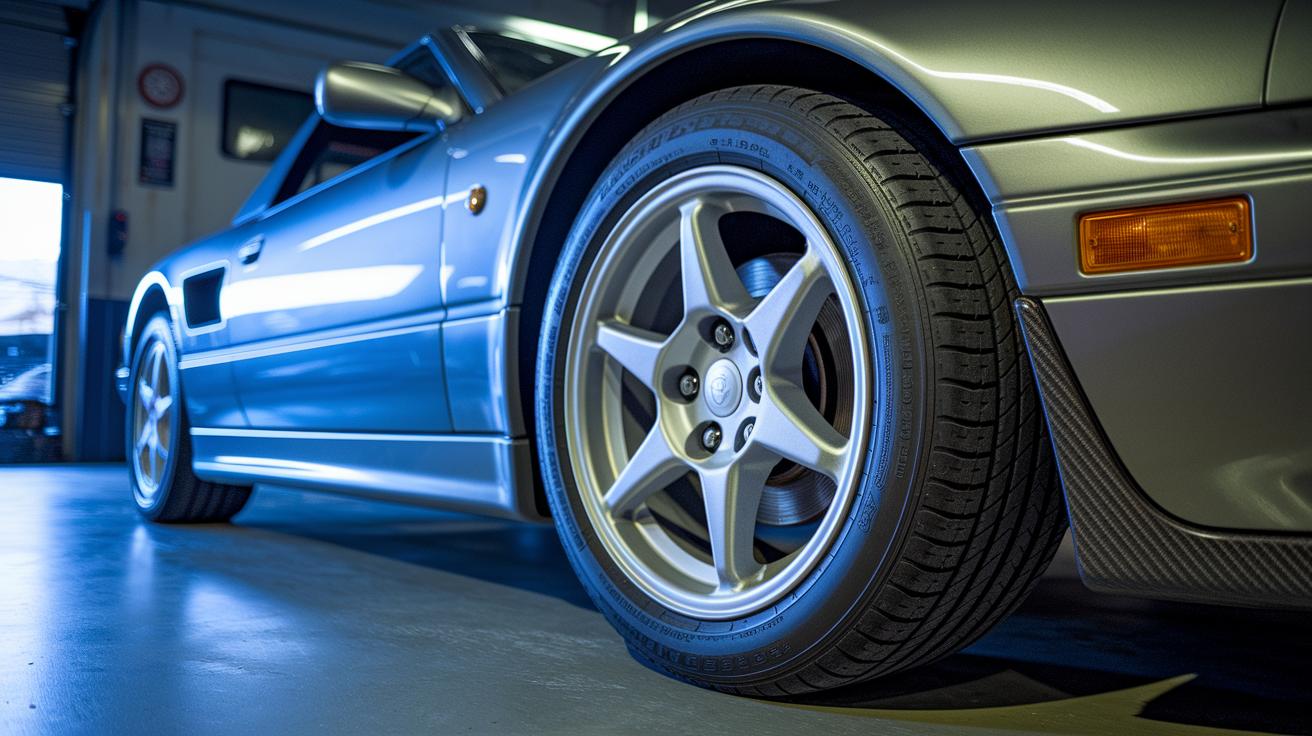
Wheel weights are tiny pieces of metal that help balance your tires by making sure weight is spread evenly around the wheel. When the weight is balanced, you get a smoother ride with less vibration and wear on your tires. It’s a bit like adding counterweights to a spinning top to keep it stable, even on the rough patches of the road.
These weights usually come with a rust-resistant coating, so they can handle whatever weather comes their way. They’re an affordable part of fitting your tires, much like checking your phone before you head out, you don’t want to miss any little detail that could make your drive smoother.
A good technician takes extra care to use the right wheel weights so you don’t end up with uneven tire wear. By making sure the weights fit well, your car stays steady and reliable, giving you peace of mind on every trip.
Types of Wheel Weights for Tire Balancing: Clip-on vs Adhesive

Clip-on Wheel Weights
These weights clip onto the rim flange with strong spring steel clips. They come in different shapes, either rectangular or curved, and have a coating that fights off rust. They work best on steel rims because the strong flange holds the clip-on weight securely. Think of it like snapping on a sturdy piece of gear that stays put even on bumpy roads. Many drivers choose clip-ons because they offer an easy, reliable way to keep tires balanced.
Adhesive Wheel Weights
Adhesive weights stick right onto the inside of the wheel using a powerful glue. Before applying them, the wheel's surface needs a good clean to remove any dirt. They’re perfect for alloy wheels that don’t have a rim flange, giving a smooth, low-profile look. The key here is making sure the surface is spotless so the adhesive bond holds strong. Both clip-on and adhesive weights help keep your ride smooth; picking the right one depends on the type of wheel you have and your design needs.
Material Choices for Wheel Weights in Tire Balancing

Technicians often check how smooth a ride is by comparing wheel weights made from lead, zinc, or steel. They do this to stop any uneven spinning, which can cause vibrations. Lead weights are super dense and easy to shape (malleable means they can be molded without much effort). Because of that, you can use a smaller piece to get the needed mass. This compact size helps fit the tire better and makes for a more precise balance. It's a bit like adding just the right seasoning to a recipe.
Zinc weights are a bit different. They come in a cast shape that looks neat and tidy. But, to hit the same mass as lead, you need a larger piece. And that extra bulk can sometimes shift the center of gravity, making the balance less accurate. Plus, there aren’t many recycling programs for zinc weights, which might worry those of us who care about the environment.
Steel weights are quickly turning heads as a popular choice. They pack a good density and are cost-effective too. Best of all, they come without the health or environmental worries that lead might bring. Their heaviness helps keep the extra mass right where it needs to be – near the ideal balance point. In simple terms, using steel means fewer problems and a tire that’s balanced more accurately.
| Material | Density (g/cm³) | Pros | Cons |
|---|---|---|---|
| Lead | 11.3 | Malleable, highly dense, smaller size needed | Environmental and health concerns |
| Zinc | 7.1 | Attractive cast appearance | Larger weight needed, limited recycling options |
| Steel | 7.8-8.0 | High density, consistent performance, safe | May appear slightly larger in size |
Picking the right material can really help avoid balance issues, making your ride smoother and quieter every time.
How to Install Wheel Weights for Precise Tire Balancing

Start by giving the rim a good cleaning to get rid of any dirt or old glue. Think of it as setting up a blank canvas before a fresh painting. A clean surface helps the weights stick properly, ensuring a smooth ride.
Next, choose the right type and size of weight by referring to a detailed guide. Whether you're using clip-on weights on the rim or adhesive weights inside alloy wheels (sticky weights that need a clean surface), make sure you pick the exact amount needed. Using proper balance equipment to check the weight can make all the difference.
After you have the correct weight, place it on the wheel with care and make sure it sits securely. It’s kind of like double-checking your seatbelt before you hit the road. Then, run a spin test to confirm everything is in balance. This check helps you know if the weight is perfectly placed or if you need to adjust it a bit.
Don’t try doing this on your own if you’re not experienced, as using the wrong technique can lead to annoying vibrations. It’s best to rely on professional help and the right tools so you can enjoy a smooth, vibration-free ride every time.
Choosing Wheel Weights for Tire Balancing: Selection and Compatibility

Have you ever felt that smooth ride can make your day? Picking the right wheel weights helps keep your ride comfy and even. It's all about making sure your car's wheel hardware matches your vehicle's design. Different cars and wheel styles need the right counterweights to balance perfectly. Even the trim rings and wheel design play a big part in choosing the proper weight size, so finding the exact match for your car's needs is key.
Your local tire shop usually offers a few choices like lead, zinc, and steel. Lead weights are super dense and small, which means you can get away with using less material. Still, many places have strict rules about using lead. Zinc weights look nice with their neat cast finish, but they tend to be a bit bulkier and might not hit the exact balance you need. Steel weights, on the other hand, are affordable and work well without raising many environmental concerns. It’s always a good idea to check if your selection follows state rules and is right for your vehicle.
Here are a few tips when picking these weights:
| Tip | Why It Matters |
|---|---|
| Match the Weight | Ensure it fits both your wheel material and vehicle type |
| Check the Costs | Balance your budget and the quality of the weight |
| Use Certified Kits | Get professional, consistent fitment every time |
Choosing the right wheel weights means saying goodbye to unwanted vibrations and enjoying a smooth, confident drive every time you hit the road.
Troubleshooting Common Issues with Wheel Weights for Tire Balancing
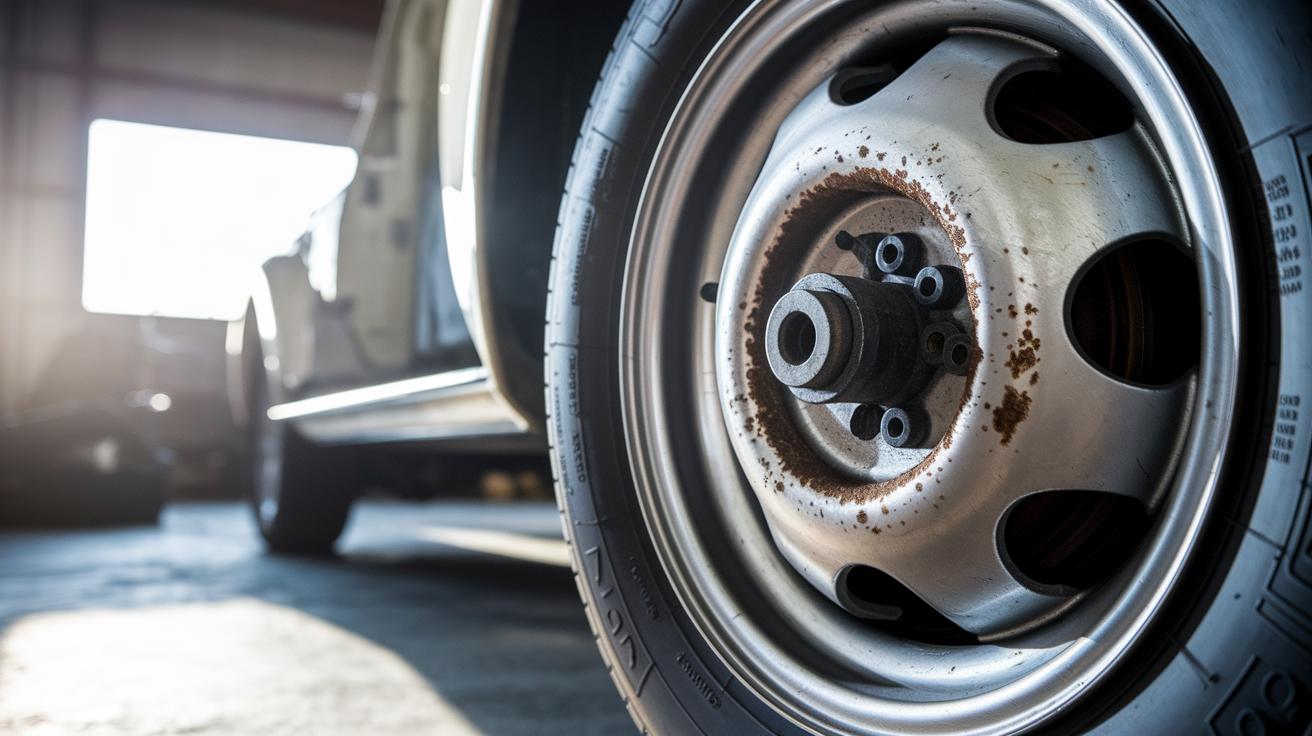
If your ride starts feeling bumpy, it could be because the wheel weights aren’t staying where they should. Sometimes these weights come loose due to rust or not sitting snugly. Think of it like a puzzle missing a small piece – your tire just won't roll as smoothly.
Low-density weights (lighter materials) might force extra bits of metal to be used to hit the right weight, shifting the balance off center. This often causes the very vibrations you were hoping to avoid. And when you mix a small weight with a bigger one, they don’t keep each other balanced correctly.
Start by taking a look at each weight for any signs of corrosion or damage. If you spot any rough edges or rust spots, replace those weights with high-density steel options that pack more mass into a smaller space. Then, give your tires a proper rebalancing test to make sure everything is secure.
A few simple checks like these can help keep your vehicle running smooth and steady on the road.
Final Words
In the action, we explored how wheel weights for tire balancing keep your ride smooth and steady. We covered everything from types like clip-on and adhesive to material choices and proper installation steps. Each section showed how the right weight improves tire performance and minimizes vibrations. Simple steps and expert tips can boost vehicle stability and safety. It all adds up to smart tire care that makes every drive feel secure and confident. Enjoy the reliable performance these balanced tires offer!
FAQ
Wheel weights for tire balancing near me
The phrase “wheel weights for tire balancing near me” refers to local services and retailers that offer tire balancing by using weights to correct imbalances, resulting in a smoother ride.
Tire balance weights falling off
Tire balance weights falling off indicate that the counterweights are not staying in place, which can lead to uneven mass distribution and unwanted vibrations. It’s best to have them inspected and reinstalled properly.
Used wheel weights for tire balancing
Used wheel weights for tire balancing are pre-owned counterweights that can be cost-effective if they are in good condition and meet safety standards for balanced performance.
Best wheel weights for tire balancing
The best wheel weights for tire balancing are made of high-density materials such as steel, which provide reliable attachment, accurate mass distribution, and long-lasting performance on your tires.
Wheel weights types
Wheel weights types come mainly in two styles—clip-on and adhesive. Clip-ons attach to the rim via a spring clip, while adhesive weights bond to the inside of the wheel for a secure fit.
Wheel balancing weights for alloy wheels
Wheel balancing weights for alloy wheels are typically adhesive types that stick to the wheel’s interior surface, offering a neat solution that maintains the wheel’s smooth look and effective balance.
Wheel weights for steel wheels
Wheel weights for steel wheels usually come as clip-on units that attach securely to the rim flange, providing reliable counterbalancing to keep your ride smooth and vibration-free.
Wheel Weight Assortment
A wheel weight assortment is a set of various weight sizes and types designed to fit different wheel dimensions, helping you choose the right counterweights for precise balancing on your vehicle.
Do tires need weights to be balanced?
Tires need weights to be balanced because the added weights evenly distribute mass around the wheel, reducing vibrations and promoting a smoother, more comfortable drive.
Which is better, balancing beads or weights?
Balancing beads and weights both serve to distribute mass evenly. Beads mix with the tire material while weights offer a fixed counterbalance; your choice depends on the tire design and your personal preference.
Where do weights go when balancing tires?
When balancing tires, weights are placed strategically on the inner rim edge or attached to the outer flange so that the mass is evenly spread, which minimizes vibrations during driving.
What states have banned lead wheel weights?
Some regions have switched from lead wheel weights to alternatives like steel or zinc due to environmental and health concerns. It’s a good idea to check your local guidelines for the most current regulations.

