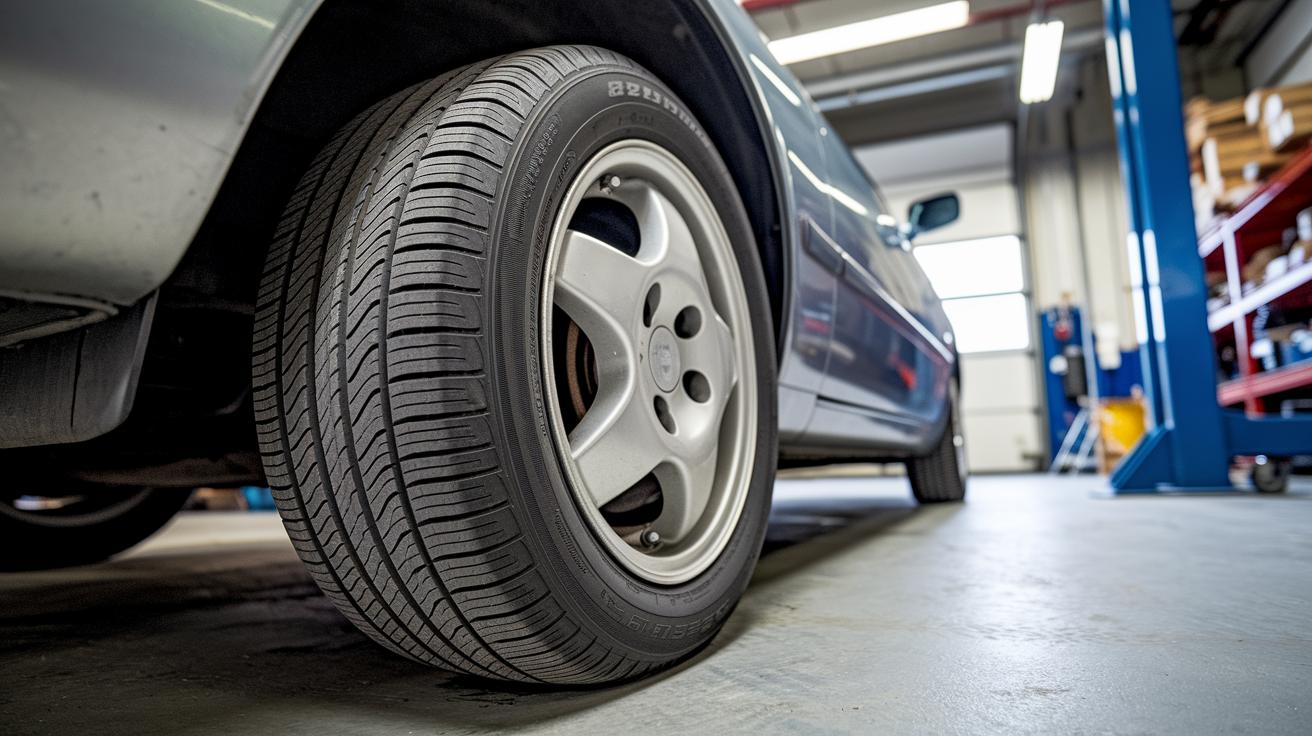


Have you ever noticed your tires wearing down unevenly? It might feel like just a quirk, but it can cost you extra gas and make your ride feel a bit off. Often, this happens because your wheels aren’t lined up right, your tires aren’t filled with enough air, or your suspension parts are getting old.
I know it sounds like a lot, but don’t worry, I’m here to share some simple fixes that can help your tires last longer and keep your car handling smoothly. Ever notice how a smooth ride can really brighten your day? Let’s dive in and see what might be causing those wear patterns and how a few easy steps can keep you safely on the road.
Uneven Tire Wear Causes and Solutions: Quick Fixes
When your tire’s tread wears down unevenly, whether it's the inner side, outer side, center, or even little patches, it can really mess with your ride. Not only can uneven wear cut your fuel economy by as much as 10%, but it can also make your car handle and brake less safely. It’s a good idea to know what might be causing this and the simple fixes you can try.
Common causes:
- Wheels that aren’t properly aligned (meaning they are not set to the manufacturer’s specs)
- Tire inflation that isn’t right (too little or too much air)
- Old or worn suspension parts like shocks or struts
- Brakes that drag, causing patches of flat spots
- Being hit by road hazards
What you can do:
- Have a professional check and adjust your wheel alignment
- Keep your tires inflated to the pressure recommended on your door sticker or in your manual
- Rotate your tires regularly to even out the wear
- Repair or replace worn suspension parts as soon as you can
- Get any brake issues fixed so your tires aren’t constantly dragging
Taking care of these issues as soon as you spot them can help your tires last longer, keep your ride safe, and make sure your car performs at its best.
Diagnosing Uneven Tire Wear Patterns
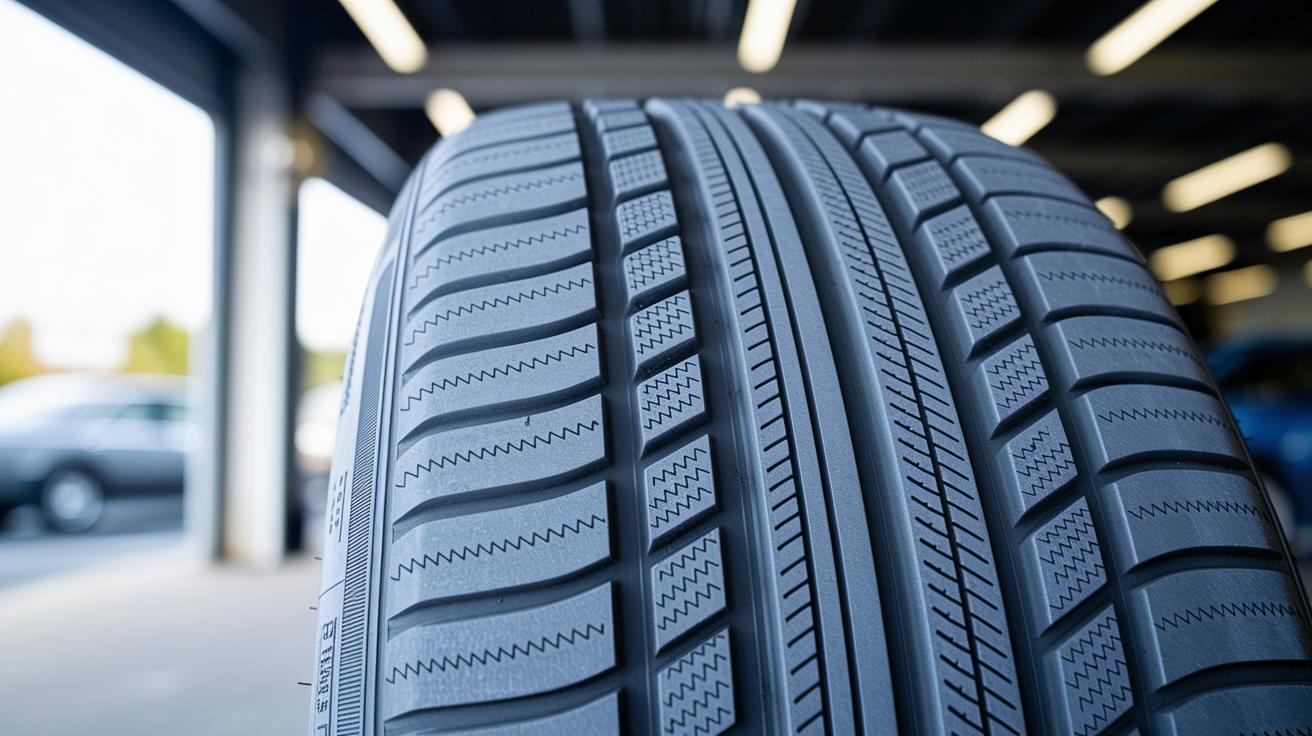
It’s a good idea to check your tire treads often because different wear marks tell you about different issues. By keeping an eye on these patterns, you can catch problems early before they affect your safety. For a quick look at various wear patterns, check out the explanation at tire wear patterns explained.
Camber Wear
Camber wear happens when the inner or outer edge of your tire wears out quicker than the rest of the tread. This type of wear often means your car’s alignment or suspension might be off, which stops the tire from touching the road evenly.
Center Wear
Center wear shows up when the middle of the tire thins out faster. This usually occurs because of overinflation (when there’s too much air in the tire, causing it to bulge in the middle), leading to a rougher ride and reduced grip on the road.
Edge Wear
Edge wear is when the sides of your tire wear out more quickly than the middle. This is commonly caused by underinflation (low air pressure) that makes the tire spread out unevenly, so the edges lose tread faster than they should.
Cupping or Scalloped Wear
If you notice wavy, cup-like dips in your tire, you might be seeing cupping or scalloped wear. These marks are often linked to worn shocks or struts that stop the tire from staying in consistent contact with the road.
Feathering
Feathering is when the tread has uneven, block-like edges, almost like it’s being sliced on one side. This can be a sign that your wheels aren’t aligned correctly (a condition often called toe misadjustment).
Regularly checking your tire tread depth and noting any changes each month can help you keep track of these patterns. It’s a smart way to spot issues early so you can get the right service before they get worse.
Wheel Alignment and Balancing to Correct Uneven Tire Wear
Alignment is all about tweaking how your tires sit on the road. It adjusts things like camber (the tilt of the tire), caster (the angle of the steering pivot), and toe (the direction the tires point) so that every part of the tire touches the road evenly. Balancing, on the other hand, spreads the tire’s weight out evenly so no spot is too heavy. When the weight is even, your tire won't get hot spots or start to vibrate as you drive.
If your car feels like it's pulling to one side or you spot uneven wear along the edges of your tires, the alignment might be off. A technician will check your car using an alignment rack, comparing your car's numbers with what the maker recommends. They usually suggest getting an alignment every 12,000 miles or once a year, even if everything seems fine. Sometimes a quick check can show that your camber is a bit off, which might be causing that worn edge.
Balancing is just as important for a smooth ride. There are two main methods: static balancing, which fixes weight issues on one side of the tire, and dynamic balancing, which keeps the tire balanced as it turns. Technicians add small weights to the rim to fix any heavy spots. This helps prevent uneven wear patterns like cupping and keeps your ride smooth at highway speeds. Regular balance checks during tire rotations help your tires wear evenly and keep your drive quiet and calm.
Tire Inflation Management for Even Tread Wear
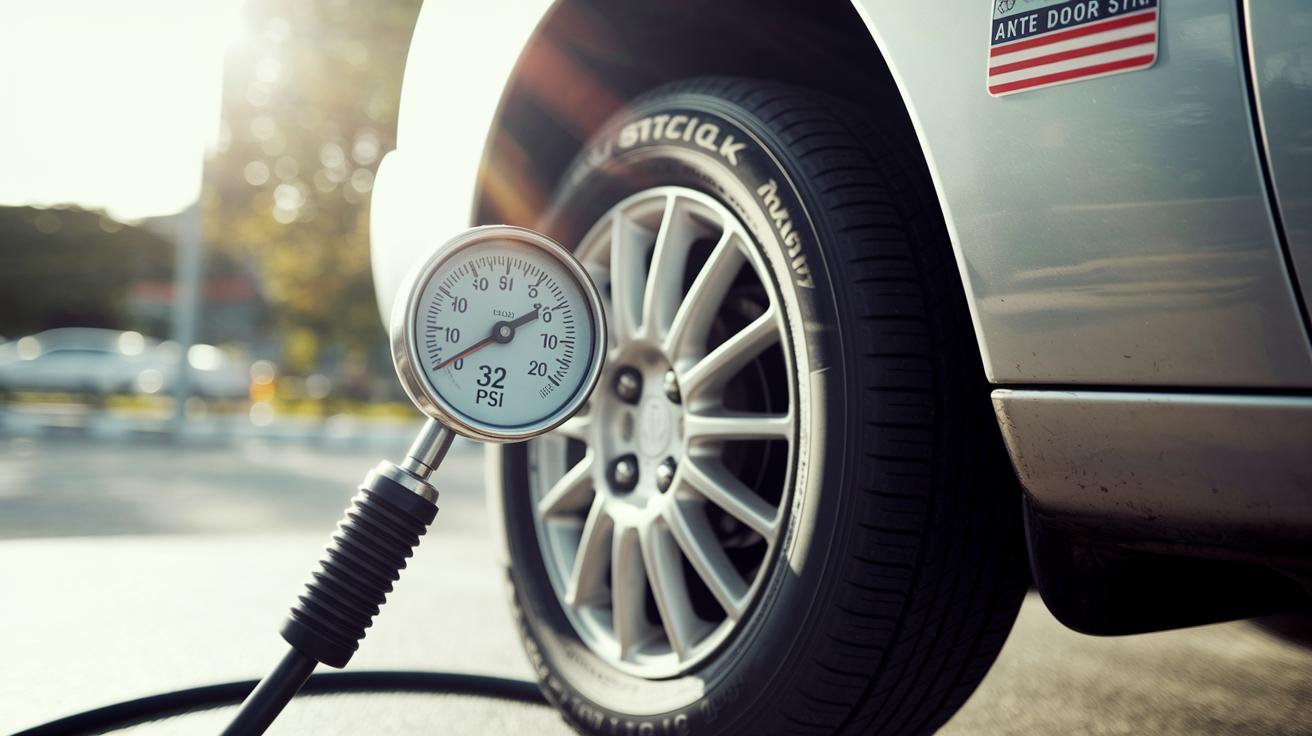
Keeping your tires filled with the right amount of air is key to a smooth ride and even tire wear. When your tires are properly inflated, they meet the road evenly, which helps avoid extra wear on the edges or the center. A wrong pressure might even make your ride rough and lower your gas mileage by increasing rolling resistance.
Here are some friendly reminders:
- Check your owner’s manual or the sticker on your door for the right pressure.
- Use a good tire pressure gauge (a simple tool to measure air pressure) to stay on track.
- Take a look at your tire pressure every month and before you set off on long trips.
- If you’re carrying extra stuff, adjust the tire pressure a bit.
- Keep an eye on temperature changes, as they can shift the pressure.
- And if you spot any slow leaks, fix them quickly. You can even check out a tire maintenance checklist for more ideas.
When your tires are pumped up just right, they not only last longer but also give you better traction on the road. This means a safer and more fuel-efficient drive. So, make checking your tire pressure a part of your routine, and enjoy a smoother, safer ride every time.
Addressing Suspension and Brake Issues to Prevent Wear
Your car's suspension helps keep your tires pressed firmly against the road. When shocks, struts, ball joints, or bushings (the small parts that cushion your ride) start to wear out, your tires can bounce more than they should, which may cause uneven wear like cupping or scalloping. This can make your ride feel a bit wobbly and show uneven tire treads.
Try a simple bounce test by pressing down on each corner of your tire. If the tire takes too long to settle, that could mean the shocks or struts are worn. Also, listen for any clunks when you turn or drive over bumps, they might be hinting at problems with ball joints or bushings. A visual check for cracked or frayed bushings or measuring the ride height can also point you toward any issues. When the suspension doesn’t hold the right angles, the tire doesn’t touch the road evenly, which speeds up wear in certain spots.
Brakes play a big part in how your tires wear out too. If brake calipers (the parts that squeeze the brakes) stick or drag, they can make flat spots on your tire where the tread looks worn down. It’s a good idea to check that the calipers move smoothly and that the pads wear evenly. Keeping them well-lubricated prevents sticking that might cause extra wear. And if you hear a repeating clunk when you brake, it might be time to see a technician.
Regular maintenance keeps your car in top shape. Getting both your suspension and brakes checked once a year can help catch problems early. This way, small issues don’t turn into bigger ones that could lead to uneven tire wear and reduced safety.
Scheduled Maintenance and Preventive Strategies for Uneven Tire Wear
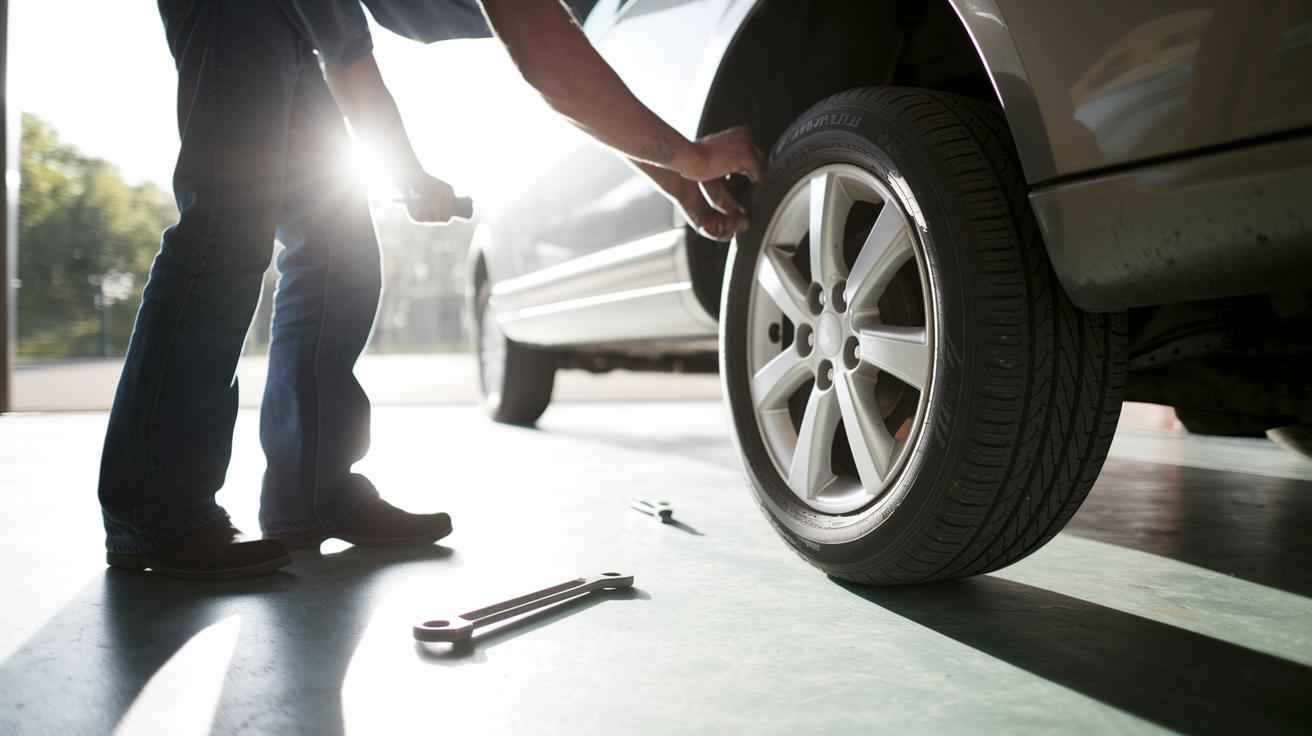
Keeping your tires in good shape starts with regular care. Rotating your tires every 5,000 to 7,500 miles helps even out the wear (that means the tread wears down equally on all tires). Doing a monthly pressure check and an annual alignment inspection, along with checking your suspension or brakes, can help you find problems early. Sticking to a maintenance routine makes your car handle better, saves gas, and keeps you safe by preventing uneven tire wear.
| Maintenance Action | Frequency | Benefit |
|---|---|---|
| Tire Rotation | 5,000–7,500 miles | Even tread wear |
| Pressure Check | Monthly | Better contact and fuel economy |
| Alignment Inspection | Annually/12,000 miles | Correct camber/toe (these help your tires point straight) |
| Suspension/Brake Check | Annually | Avoids cupping and flat spots (problems from uneven pressure) |
| Visual Wear Inspection | Monthly | Finds issues early |
Being mindful of your driving habits also helps. Try to avoid sharp turns, potholes, and hard braking, you know, just drive smoothly. Many cars now come with systems that alert you if your tire pressure drops or if something is wrong with your suspension. These alerts, mixed with regular check-ups, help catch any changes in tire wear early, which means a safer ride and longer-lasting tires.
Final Words
In the action, this article broke down uneven tire wear causes and solutions, highlighting how issues like misalignment, improper tire pressure, and suspension faults can affect tire performance and safety.
We reviewed the benefits of proper wheel adjustments, regular tire rotations, and consistent pressure checks. Tackling these matters early can keep your tires in prime condition and support a safe drive.
This practical guidance builds confidence as you keep your vehicle ready for every mile ahead.
FAQ
What causes uneven tire wear in Nissan vehicles and how can it be fixed?
The uneven tire wear in Nissan vehicles arises from issues like misalignment, incorrect tire pressure, or worn suspension parts. Fixing it involves checking alignment, adjusting pressure, and repairing suspension components.
What symptoms indicate uneven wear on tires?
Uneven wear on tires shows signs such as vibration, pulling to one side, or unusual road noise. These symptoms hint that there could be misalignment, improper air pressure, or failing suspension parts.
What causes uneven tire wear on the inside edge?
Uneven tire wear on the inside edge primarily occurs due to misaligned wheels or suspension issues. This misalignment forces extra pressure on the inner tread, leading to faster wear on that side.
What does a tire wear patterns chart show?
A tire wear patterns chart outlines different wear types like center wear, edge wear, cupping, and feathering. Each pattern helps point to issues such as misalignment, pressure errors, or worn shocks and struts.
What is uneven tire wear cupping and what does it mean?
Uneven tire wear cupping means the tire has wavy or scalloped tread marks. This happens when shocks or struts wear out, causing the tire to bounce and lose even contact with the road.
What is the #1 cause of irregular tire wear?
The number one cause of irregular tire wear is misalignment. When wheels are not properly aligned, they stress the tire unevenly, leading to faster wear in certain areas.
What is the 3% tire rule?
The 3% tire rule means that if one tire wears 3% faster than its partner, it signals a problem like misalignment or incorrect tire pressure, suggesting it’s time for a maintenance check.
Which component may lead to uneven or excessive tire wear?
Worn suspension components, like shocks, struts, or bushings, may lead to uneven tire wear by reducing tire stability and proper road contact, causing abnormal wear patterns.
Could a bad rear wheel bearing cause uneven tire wear?
A bad rear wheel bearing can cause uneven tire wear by impacting wheel alignment and creating extra vibration. This additional stress on the tire area can accelerate localized wear.

