


Ever notice not every Michelin tire is the same? Some give you a steady grip on the road, while others help you save gas and last longer.
In this guide, we take a friendly look at some of the best Michelin models to see how they stack up. We explain each tire's standout traits and how they can boost your everyday driving experience.
Whether you need a tire that handles high speeds or one that can take on tough loads, our guide is here to help you find the right match for your ride.
Comparing Michelin Tire Models at a Glance

Michelin offers a range of tires that are ready for nearly every kind of drive. They’re built to keep you safe whether it’s wet, dry, or snowy outside, while also saving fuel and lasting a long time. You get a quick look at what each tire is meant for, its best features, and how durable it is. So, whether you drive a heavy truck or need tires for a high-speed ride, this guide makes it easy to see the differences and pick what suits you best.
| Tire Model | Primary Use | Key Performance Metrics | Durability Rating |
|---|---|---|---|
| Defender LTX M/S | Truck / Off-Road | Features a tough tread with deep grooves for better mud and gravel grip | High durability; comes with up to a 70,000-mile warranty |
| Agilis CrossClimate | Truck / Heavy Vehicle | Strong sidewalls and all-weather traction good for both city loads and rough roads | Built tough; excellent tread-life performance |
| CrossClimate2 | All-Season | Uses a 3PMSF-certified compound (a seal of safety for snowy conditions); balanced for wet, dry, and snowy driving along with saving fuel | Lasts up to 60,000 miles |
| Primacy Tour AS | All-Season | Designed with comfort in mind and siping (small cuts in the tire) for better wet grip and braking | Reliable 60,000-mile tread-life warranty |
| Pilot Sport 4S | Summer / High-Performance | Stays steady at high speeds with a continuous central rib for strong dry braking | Built for speed and performance with fair tread durability |
| Pilot Alpin PA5 | Winter | Offers excellent cold-weather flexibility and better ice braking for snowy days | Optimized for winter use with robust grip |
This table neatly sums up the top Michelin tire models. It shows key features and durability so you can easily decide which tire fits your driving needs and the weather conditions you often face.
All-Season Michelin Tire Model Comparative Analysis

If you're on the road day in and day out, you need tires that know how to handle both wet and dry conditions. Little design tweaks can make a big difference when the weather shifts.
Primacy Tour AS
The Primacy Tour AS is all about a comfy ride. It uses special siping (tiny cuts in the tire that help improve traction on wet roads) so you get smoother braking in the rain. Many drivers say the tread feels relaxed and easy on slippery roads. And with its 60,000-mile warranty, you can feel secure about its long-lasting performance.
CrossClimate2
CrossClimate2 really stands out when it comes to snowy days. Its tire compound, basically the mix of materials in the tire, is made to grip better in the snow. Testers have noticed a firmer ride that helps keep things steady on icy roads. Experts believe that this extra grip in winter weather can be a real game-changer.
Agilis CrossClimate
Designed for light trucks and SUVs, the Agilis CrossClimate comes with extra-strong sidewalls and a modern tread compound that boost stability even when the load is heavy. In real-world driving, it consistently holds up in all kinds of weather, making it a smart choice for mixed conditions and city driving.
- Primacy Tour AS focuses on comfort with siping and backs it up with a 60,000-mile warranty.
- CrossClimate2 meets snow grip standards and offers a firmer ride for icy conditions.
- Agilis CrossClimate is built tough for heavier vehicles with reinforced sidewalls.
- All models are crafted to perform well in everyday driving, regardless of the weather.
- Even small design differences can have a big impact on your safety and control.
Seasonal Performance Review of Michelin Summer and Winter Tires

Michelin tire tests show that each tire really loves its own season. They ran tests on highways and in tough weather and found that summer tires give quick stops and sharp handling, while winter tires are built for cold conditions. This review talks about how they perform in dry and wet stopping, on highways, and with overall ride comfort, so you can pick the tire that fits your driving style and the weather you face.
Michelin Summer Tire Performance
The Pilot Sport 4S really shines in summer. It tops dry braking tests and stays steady at high speeds thanks to a solid center rib (a design detail that helps move power efficiently). Even in wet weather, its firm yet flexible feel gives you reliable stops and a comfy ride, even on slick roads. Many drivers have noticed that its design fine-tunes both braking and steering. With these features, it’s a great pick for sports cars and performance sedans cruising on bright, sunny roads.
Michelin Winter Tire Capabilities
When cold weather hits, the Pilot Alpin PA5 and X-Ice Snow are built to excel. The Pilot Alpin PA5 stays flexible even in freezing temperatures and helps with braking on ice (which means better control on slippery snowy roads). Meanwhile, the X-Ice Snow keeps its rubber soft even when the temperature dips below 20°F, giving you a solid grip on icy roads. These tires are made to handle chilly and mixed winter conditions, cutting down stopping distances and boosting your confidence when the mercury drops.
So, when you compare them, summer tires like the Pilot Sport 4S offer quick, agile braking and handling in warm weather, while winter models focus on keeping their grip and flexibility on ice and snow. The best choice depends on what kind of driving and weather you usually face.
Michelin Defender vs. Agilis Series: Durability and Value Metrics
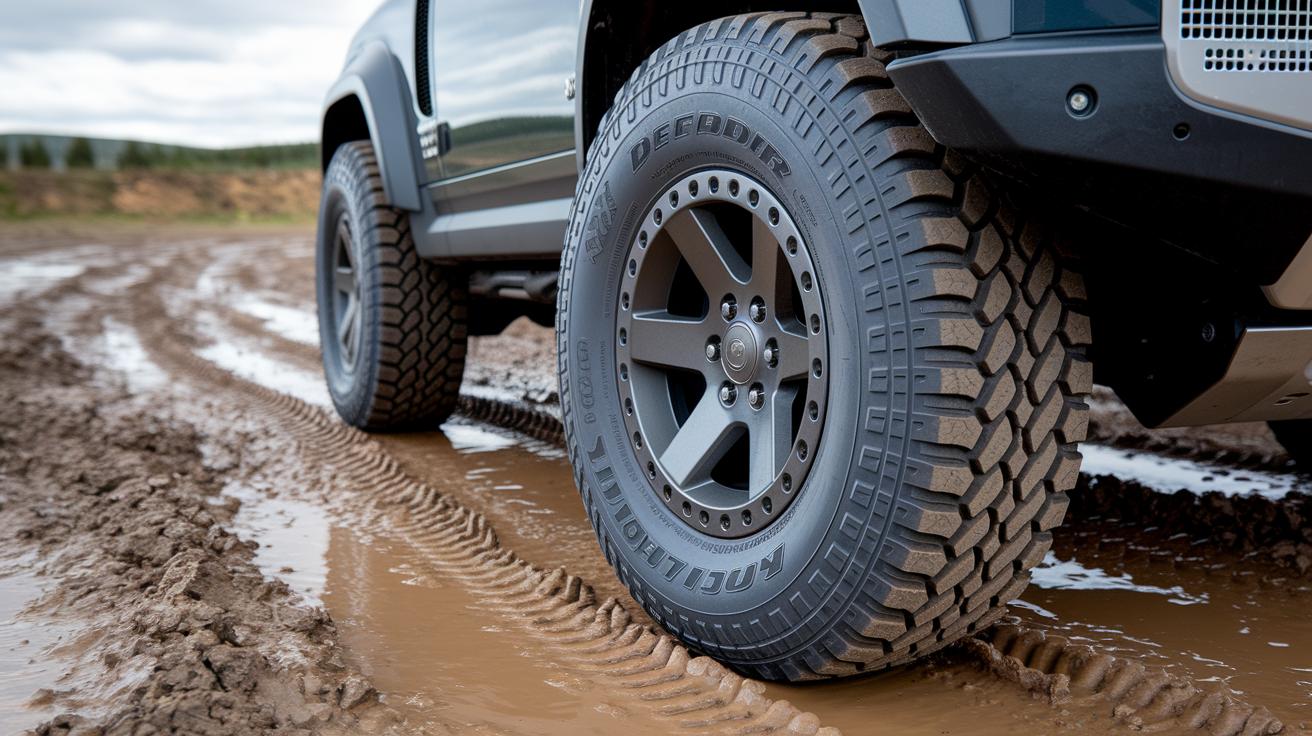
The Defender LTX M/S really stands out when facing tough, off-road conditions. Lab tests even showed it kept 95% of its grip in muddy settings, which is pretty impressive. One truck driver mentioned that the Defender handled those rough, muddy spots with unbeatable strength. It has bold tread patterns and deep grooves (the parts that help with grip) and comes with a 70,000-mile warranty, with independent tests backing up its rugged performance on harsh trails.
On the flip side, the Agilis CrossClimate has won over city drivers by doing well under heavy loads. One fleet manager shared that the Agilis always provided a smooth ride, even when facing long hours of city driving. Its tough, reinforced casing and heat-resistant material (designed to handle daily urban stress) help it perform well and lower the cost-per-mile. This makes it a reliable choice for those everyday challenges on the road.
Performance Scoring System and Comparison Tools for Michelin Tires

Michelin uses a simple scoring system that rates tires in wet, dry, snow, and noise situations on a scale from 1 to 10. This lets you know what to expect without guessing. For example, if a tire scores an 8 for wet grip and a 9 for dry braking, you can quickly decide if it fits your driving style. It really takes the mystery out of all those technical details.
They also use performance charts, like spider diagrams, to show how a tire does in areas like grip, tread durability (how long the tire lasts), and comfort. These charts make it easy to see where a tire shines or falls a bit short. Imagine a spider diagram where one tire’s line goes farther in the grip area than another's, that’s your hint on which tire performs better. It’s a clear and handy visual for everyone, from everyday drivers to tire enthusiasts.
Online, there are digital tools that let you compare tires side by side. These tools let you filter by vehicle type and driving conditions, and they highlight details like fuel efficiency, braking distance, and expected tread life. For instance, you could compare a tire’s efficiency against its wear with just a few clicks. These easy-to-use features give you confidence that you’re picking the tire that’s right for your needs.
Pricing, Cost Comparison, and Value Assessment of Michelin Tires
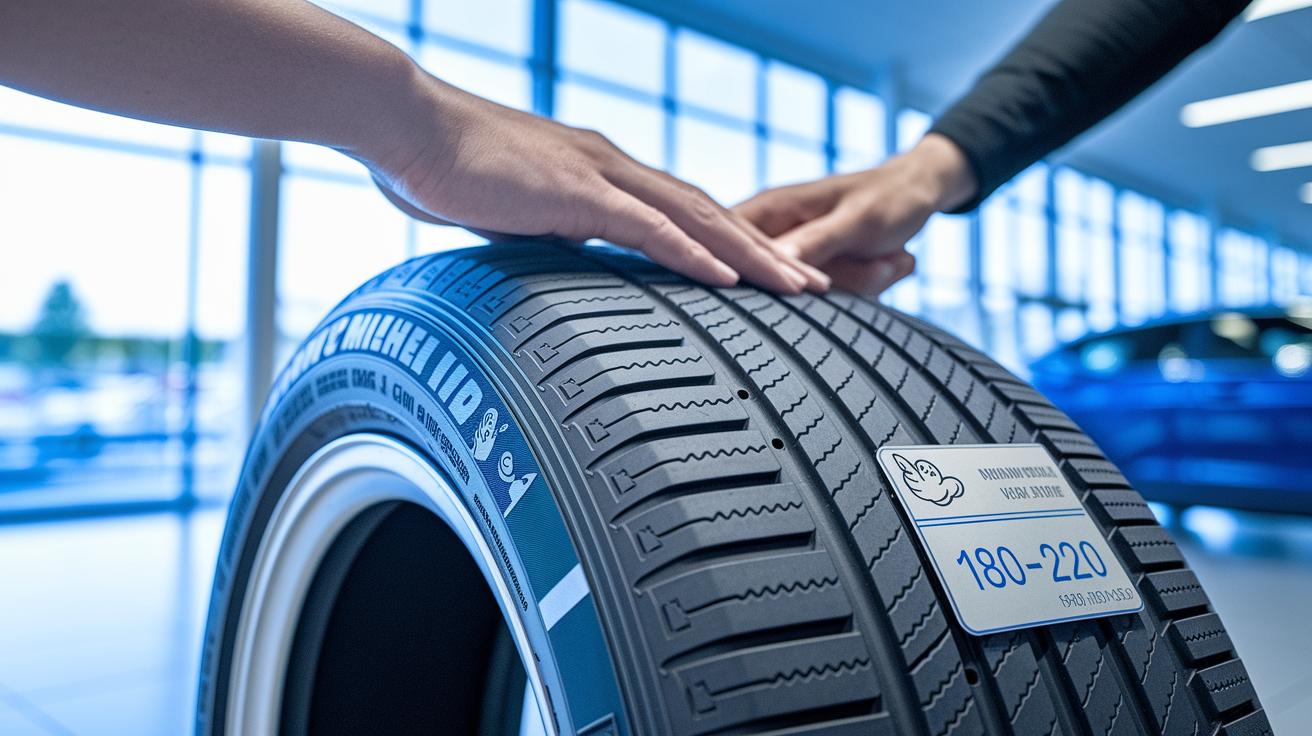
Michelin offers many tire price options to meet different driving needs. You can expect to pay between $150 and $250 for an all-season tire, while summer and winter tires usually cost between $180 and $320 each. For instance, the Defender LTX M/S is generally around $200, and the Agilis CrossClimate falls in the $180 to $220 range. In other words, you're not just paying the upfront price but also investing in value over time.
One reason many drivers appreciate Michelin is their cost-per-mile insight. They consider factors like the tread-life warranty (a promise on how long the tire will last) and how much tread wears down after every 10,000 miles. So even if the price tag is a bit higher at first, the tire can save you money in the long run by lasting longer and even helping with fuel savings. Think of it like planning a road trip: you might spend more at the start, but fewer stops for repairs and refueling make the trip smoother.
When you put Michelin side by side with brands like Goodyear, the extra cost often makes sense. Even though you pay more initially, the durability and fuel efficiency of Michelin tires mean you spend less on maintenance and replacements later on. This cost-per-mile approach shows that Michelin tires deliver real value, making them a smart and practical choice despite the higher upfront investment.
Consumer Ratings, Expert Opinions, and Warranty Insights in Michelin Tire Comparisons

Michelin’s tires get a big thumbs-up from both experts and everyday drivers. Experts and reports, like those from Consumer Reports Tire Ratings, show that Michelin’s all-season tires excel at wet braking (stopping safely on wet roads) and have low rolling resistance (helping save fuel). Models such as the Pilot Sport 4S are praised for their smooth ride and nimble handling. In fact, drivers rate the Pilot Sport 4S at about 4.8 out of 5, which speaks to its responsive feel and comfort on every trip.
Driver comments go beyond just the high-performance sports models. For example, the Defender LTX M/S earns a strong 92 for treadwear (how long a tire holds up over time), so it keeps a good grip even when the going gets tough. Similarly, the Agilis CrossClimate scores an 89 for structural integrity (how sturdy a tire is), which helps drivers feel sure about using them in daily city driving, even with heavy vehicles. These scores show that many users trust and appreciate the quality and careful design behind Michelin tires.
Warranty info adds another layer of confidence. Michelin’s standard warranties cover manufacturing defects for 5 years with unlimited miles, plus there’s prorated coverage for treadwear. This solid warranty backs up the brand’s promise of quality and gives drivers real peace of mind on the road. Drawing on expert opinions and regular driver feedback, Michelin’s performance and warranty options build a strong case for anyone looking for reliable tires in all kinds of driving conditions.
Regional Availability and Local Dealer Strategies for Michelin Tire Comparisons

Michelin tires aren’t available the same everywhere. Knowing where to find the right tire in your area can save you both time and money. If you live up north, you might see the CrossClimate2 a lot because it works well in colder weather. In rural areas, many drivers prefer the Defender LTX M/S since it’s built tough for rough roads. Meanwhile, in places like California and Texas, local dealers often stock winter tires like the X-Ice Snow for seasonal changes, while many northern chain stores keep the Agilis CrossClimate in stock all year.
Prices online can be about 5-10% different from the prices in stores. Plus, shipping charges might add extra cost to a full set of all-weather tires. Sometimes, seasonal deals like spring tire sales can lower the price by as much as $50 per tire. So, it helps to check with local dealers and online listings to find a Michelin tire that fits your driving needs and your budget.
Final Words
In the action, we explored the highlights of Michelin’s tire lineup, from a quick model overview to detailed seasonal performance and pricing breakdowns. We talked about tire durability, cost benefits, expert reviews, and local buying tips. Each section helped clear out how different models stack up in real-world tests and everyday use. The info lets you feel more confident when picking tires and keeping them rolling safely. Keep these insights in mind as you compare and shop with michelin tire comparisons.
FAQ
What does the Michelin tire comparisons chart and comparison chart PDF show?
The Michelin tire comparisons chart and its PDF offer a clear guide on various Michelin models by listing their features, performance stats, and durability ratings so you can quickly find the tire that fits your needs.
Which are the best Michelin all-season tires?
The best Michelin all-season tires deliver reliable grip in wet and dry conditions and offer long-lasting tread. Options like the Primacy and CrossClimate models give steady performance in varying weather.
What are the average Michelin tire prices at Costco?
The prices for Michelin tires at Costco are competitive and vary by model and size. They offer solid value along with cost-saving benefits that make it easier for drivers to shop confidently.
Which Michelin tires are ideal for SUVs?
The Michelin tires for SUVs are built for durability and strong traction, especially on mixed roads. Models such as the Defender and Agilis series are designed to handle heavier loads and offer stable performance.
What are the typical prices for Michelin tires in size 225/65R17?
The typical prices for Michelin tires in the size 225/65R17 hit a mid-range mark, balancing premium performance with value, so drivers can expect solid mileage and trusted handling without a high price tag.
Which Michelin tires work best for sports cars?
The best Michelin tires for sports cars provide high-speed handling and excellent braking. Models like the Pilot Sport series are engineered for tight grip and precise response, perfect for energetic driving.
What is considered the best tire comparison website?
The best tire comparison website offers clear charts, detailed performance metrics, and easy filtering by tire type so you can quickly compare options based on tread life, grip, and price for a confident choice.
Which Michelin tire is best overall?
The best Michelin tire varies based on your needs, but many drivers rate models like Pilot Sport and Defender highly for their balanced mix of performance, durability, and value on a variety of road conditions.
Which Michelin tire gives the smoothest ride?
The Michelin tire known for a smooth ride emphasizes comfort and low road noise. Models such as Primacy and Latitude Tour HP are designed to provide a quiet, cushioned experience for everyday driving.
How does Michelin Primacy compare to Defender?
The Michelin Primacy model is built for a quiet, comfortable ride while the Defender series excels in durability and off-road performance. Each has its strengths depending on whether comfort or rugged use is your priority.
What do model names like Michelin Defender2, Defender LTX M/S, Michelin CrossClimate2, Michelin Primacy A/S, and Latitude Tour HP represent?
These model names show Michelin’s range of tires designed for different driving needs. Each name represents a unique line, from off-road toughness and best weather performance to quiet, comfortable highway rides.

