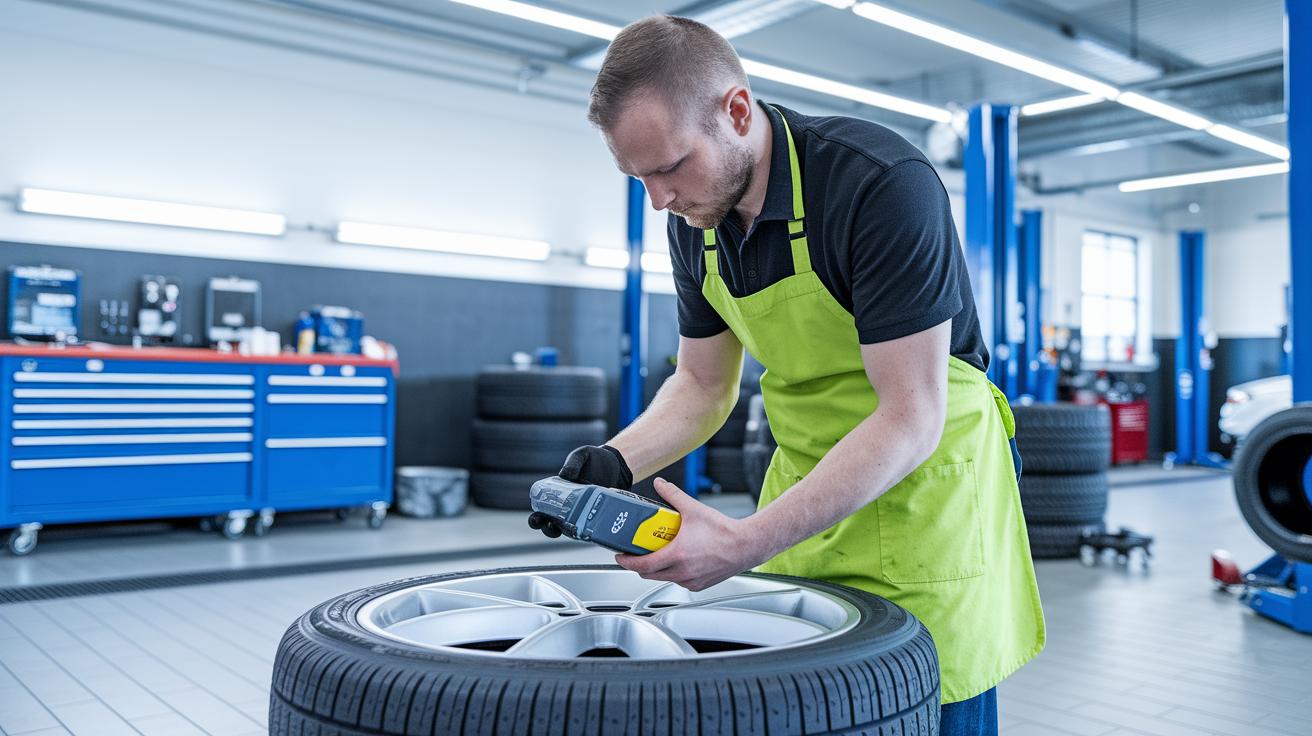


Ever wonder why your tire light stays on even after you pump them up just right? It’s like your car is giving you a little nudge. Calibrating your tire sensors is a bit like tuning a guitar to get that smooth hum on the road.
In this guide, we break down each step so you know exactly how to adjust your sensors and keep your drive safe and mellow. Ready to reset the system and hit the road with confidence?
Step-by-Step Guide to Calibrate Tire Sensors
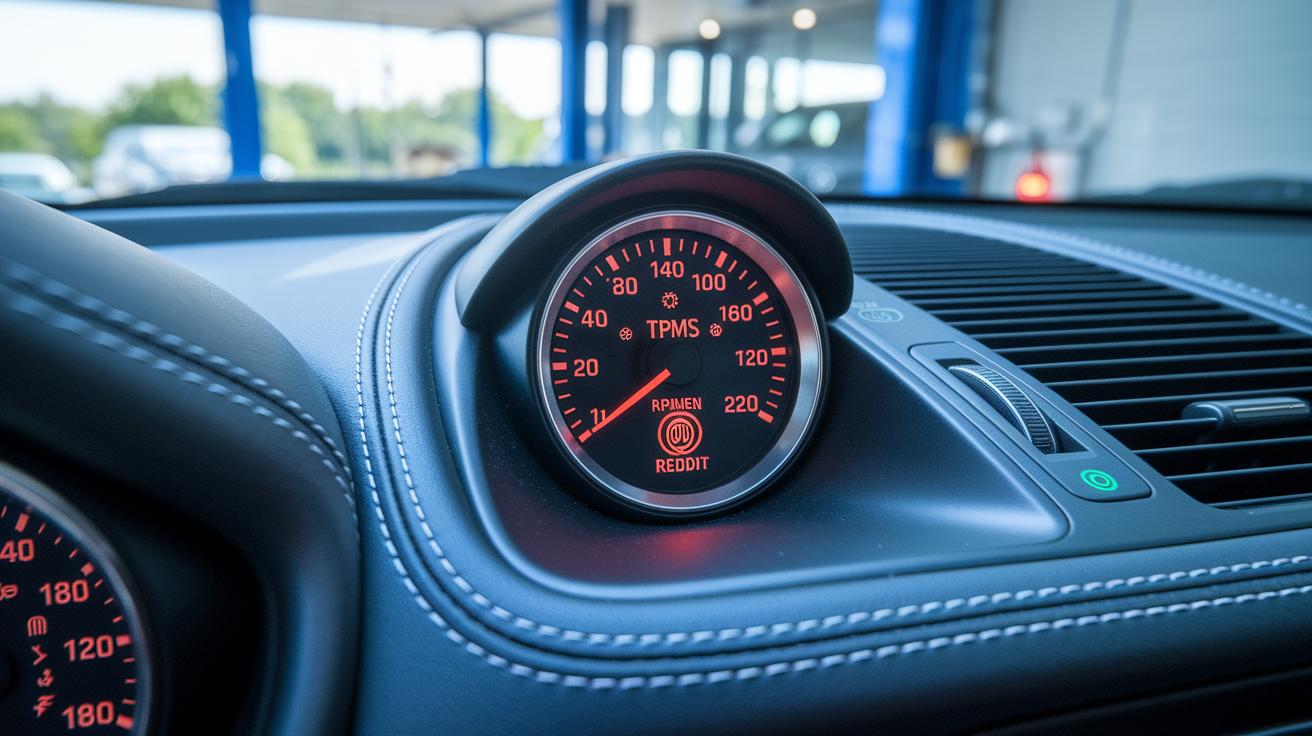
Sometimes you need to recalibrate your tire sensors after adding air, rotating your tires, or replacing them. Even when you fill them to the right pressure, the TPMS (Tire Pressure Monitoring System) light might still show up until the system resets. This is because new cars follow rules set in 2008 to keep your ride safe and prevent tire problems.
- Inflate each tire to the pressure listed in your manual. Think of it like following a recipe to ensure everything works just right.
- Turn your key to the "On" position without starting the engine. This wakes up the sensor system so it’s ready for a reset.
- Find the TPMS reset option in your car’s menu or use an OBD2 tool. You might see a prompt like "TPMS Calibration" on the display.
- Listen for a beep or check your dashboard for a message. That sound or display tells you that the system is set and ready.
- Hit the road! Drive for at least 30 minutes at speeds above 50 mph. As you drive, your sensors will reset automatically while you enjoy the steady hum of your engine.
Once you’ve finished these steps, double-check that the TPMS light turns off. If it’s still on, make sure the tire pressures are correct and try the calibration process again. This keeps your tire pressure monitoring accurate so your tires perform their best on every trip.
Why TPMS Calibration Matters for Tire Sensors

When your car’s tire pressure system gives you the right numbers, you’re not only dodging a sudden tire problem, you’re also keeping your ride safe and saving on gas. It alerts you early if tire pressure is off, which can help stop a tire from bursting. Since 2008, laws have required a working tire pressure system on light vehicles to avoid accidents from wrong tire pressure. Even if you fill your tires just right, changes in temperature or the road can shift the pressure. Think of it as checking your car’s heartbeat to catch problems before they get serious.
Getting your TPMS calibrated also means you’re squeezing the best mileage and handling out of your tires. A well-tuned sensor system stops you from wasting gas when your engine works too hard because of uneven pressure. Plus, a little extra check, like using our tire pressure tips at https://tityres.com?p=3133, can make sure everything runs smoothly. That small step can save you money and help your tires last longer.
- Extended tire life
- Improved handling
- Lower risk of accidents
Tools and Equipment for Tire Sensor Calibration
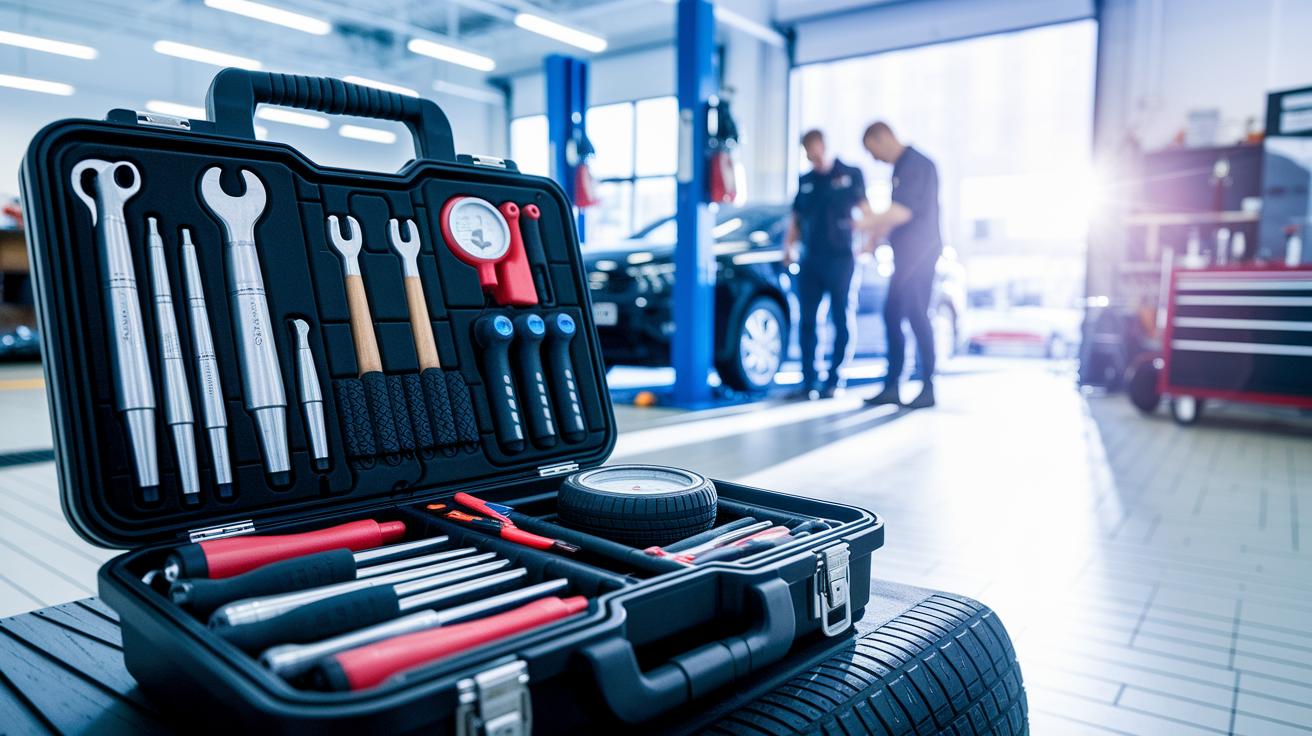
Calibrating your tire sensors is a lot easier when you have the right tools by your side. Whether you’re using a digital TPMS recalibration gadget (that’s a tool to help read your tire pressure) or a simple tire gauge setup, having quality equipment really makes all the difference. It’s kind of like having the perfect playlist for a long drive. Check out the list below that shows the common tools used to reset your tire pressure monitors and ensure your readings are just right.
| Tool Name | Purpose | Notes |
|---|---|---|
| TPMS Reset Tool | Starts the sensor relearn process | Available as handheld or OBD2-based options |
| Tire Inflator with Pressure Gauge | Checks and adjusts tire pressure | Gives readings that match manufacturer specs |
| Diagnostic Scanner | Reads and confirms sensor data | Works best on select manufacturer models |
| Smartphone App | Helps with sensor relearn on aftermarket systems | Make sure it’s compatible with your vehicle |
Before you get started, make sure each tool is properly calibrated and that batteries are fully charged. Keeping your gear in top shape means you’ll get accurate readings and every recalibration goes smoothly.
Vehicle-Specific Calibration Procedures for Tire Sensors
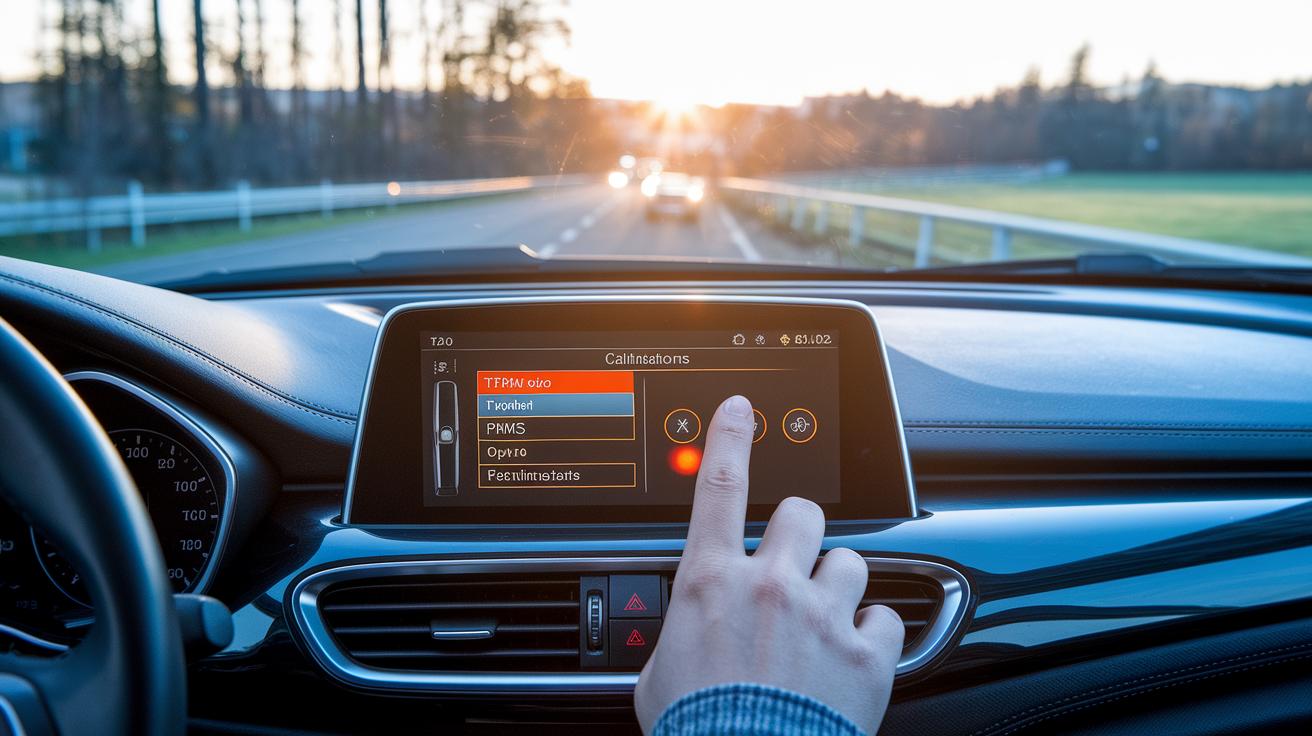
Calibrating TPMS on Touchscreen-Equipped Vehicles
For touchscreen models, the steps are pretty simple. First, turn your key to the "On" position without firing up the engine. Then, head into your car’s infotainment system and go to Menu → Vehicle Settings → TPMS Calibration. You might see a message or hear a beep confirming the reset is starting. Think of it like setting your phone’s alarm, just a few taps and you’re ready to roll. As you follow the easy prompts on the screen, you might need to confirm that you want to activate the reset or watch a progress bar showing you the update process. Once you get the signal that the system's active, take your car on a drive for about 30 minutes at speeds over 50 mph. This drive helps the sensors adjust and relearn the correct pressure readings all while you enjoy the smooth hum of a well-tuned engine.
Calibrating TPMS on Non-Touchscreen Models
If your car doesn’t have a touchscreen, the reset relies on a physical button. First, locate the TPMS reset button, usually tucked under the dash near the steering column. Press and hold this button until the TPMS light blinks three times. Those three blinks tell you that the manual reset mode is engaged. After the blinking, let go of the button and get ready for your driving cycle. Like the touchscreen method, you will need to keep driving for about 30 minutes at speeds above 50 mph. During this drive, the sensors recalibrate based on the current tire pressure and outside conditions, and you may notice a light turning off as a sign of success. If the TPMS light still appears after your drive, simply repeat the process to be sure everything is reset properly.
Quick tip – When I first used my car’s manual reset button, it felt kind of like restarting a tricky video game, you have to follow the steps exactly to get it right.
Common Errors in Tire Sensor Calibration and Troubleshooting
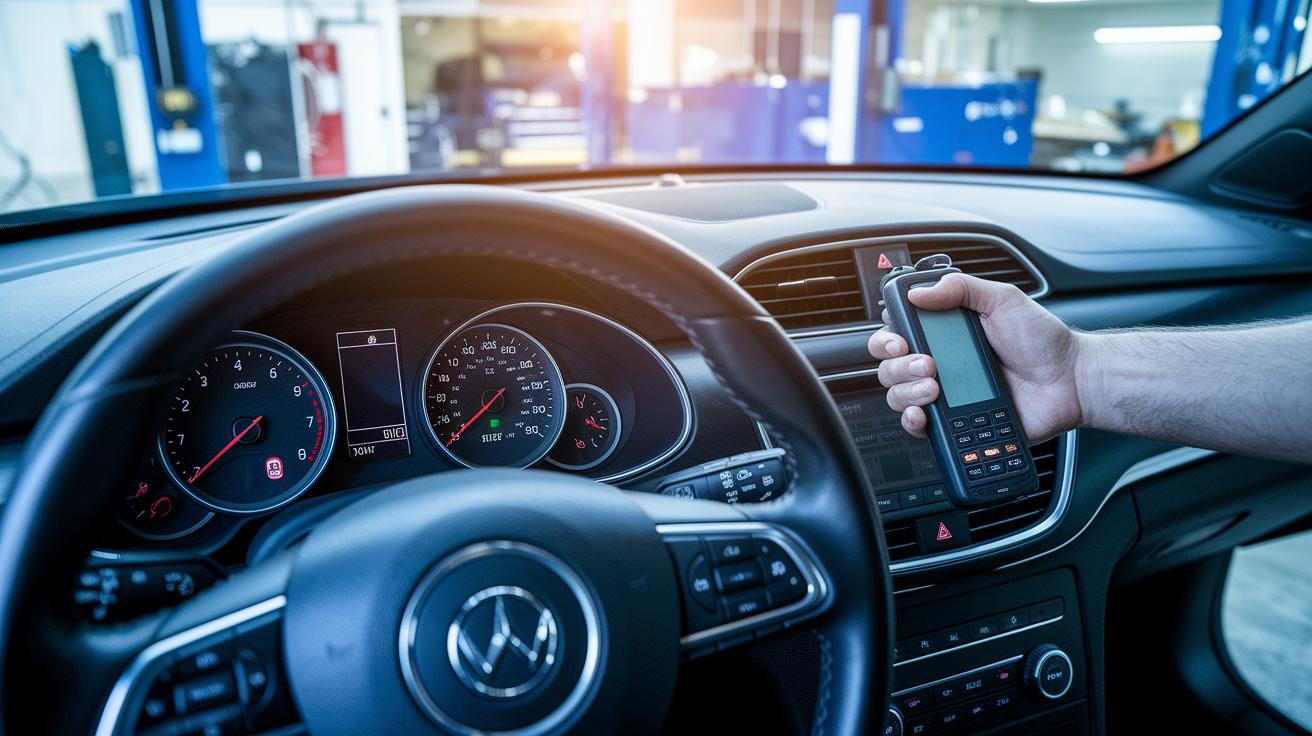
Ever notice how a small glitch can make your TPMS light blink or even stay on? Sometimes it’s just a dead sensor battery, tires that aren’t pumped up right, or an incomplete relearn sequence (that’s when the sensor hasn’t fully refreshed its connection with your car). At times, the light might flash non-stop, a sure sign that something’s off. If you have an OBD2 scanner handy, it can help you check each sensor ID to see if one isn’t chatting properly with your system.
- Low sensor battery – Swap out the battery or the whole sensor unit to get things working again.
- Wrong pressure – Make sure your tire pressures match the manufacturer’s guidelines, just like checking your fuel gauge before a long drive.
- Incomplete reset – Run the TPMS relearn sequence again until you hear that confirmation beep or see the prompt on your dashboard.
- Faulty sensor – Give the sensor a once-over for any physical damage and replace it if it keeps misbehaving.
By keeping an eye on these issues, you can quickly figure out what’s wrong and fix it. Each problem sorted means your tire sensors will keep giving you accurate readings, helping to keep your ride safe and your tires in top shape.
Verifying Tire Sensor Calibration and Ongoing Maintenance
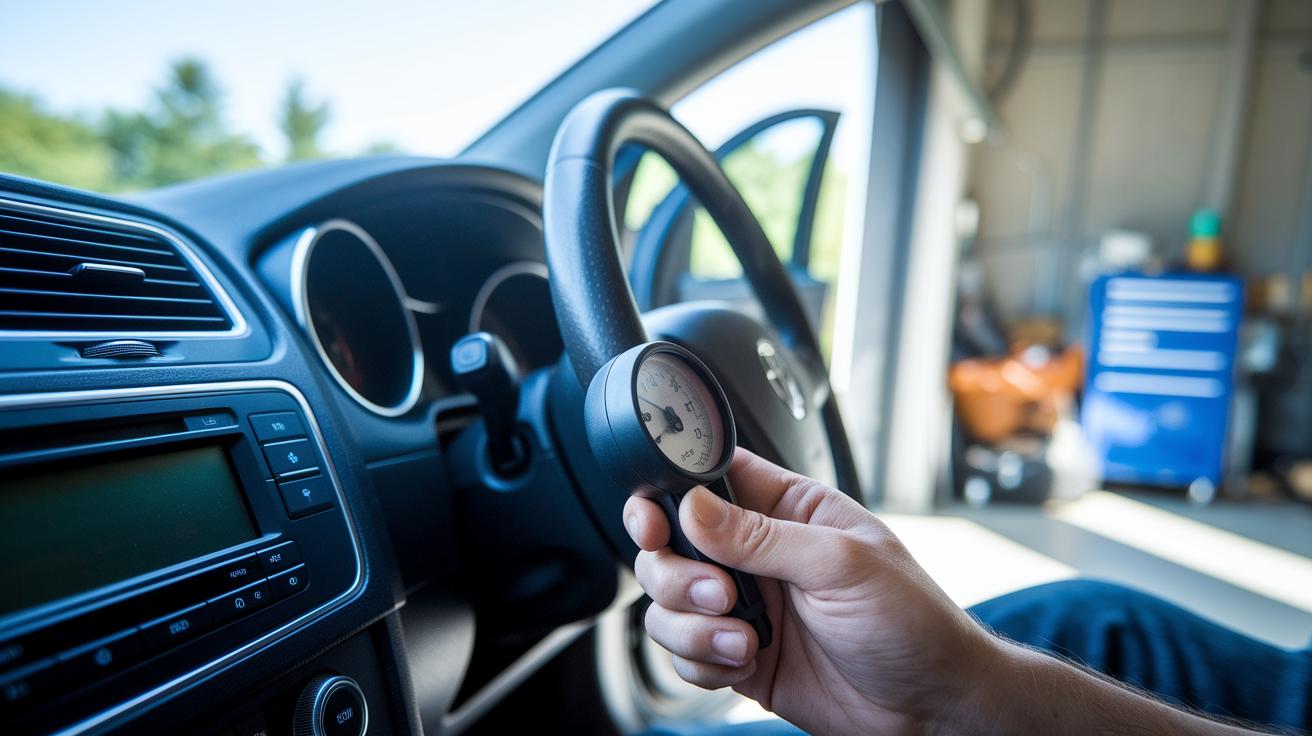
After you’ve rotated or replaced your tires, take a minute to check that your tire pressure monitoring system is working just right. Look at your dash to see if the TPMS light is off and use a small handheld gauge to check the air pressure at each valve stem. This quick check tells you that the relearn process worked and your car’s sensors now match the correct pressures. It’s a bit like making sure your car’s heartbeat is steady before you hit the road.
Keep your sensors in great shape by scheduling regular maintenance checks. Regular inspections can spot any signs of corrosion (rust on the sensor) or damage before they turn into bigger problems. I like to think of it as a simple quality-check routine that helps you know your tire pressure readings are always on point.
- Monthly manual pressure check
- Visual sensor inspection
- Record pressures after each service
Safety Precautions and Best Practices for Calibrating Tire Sensors
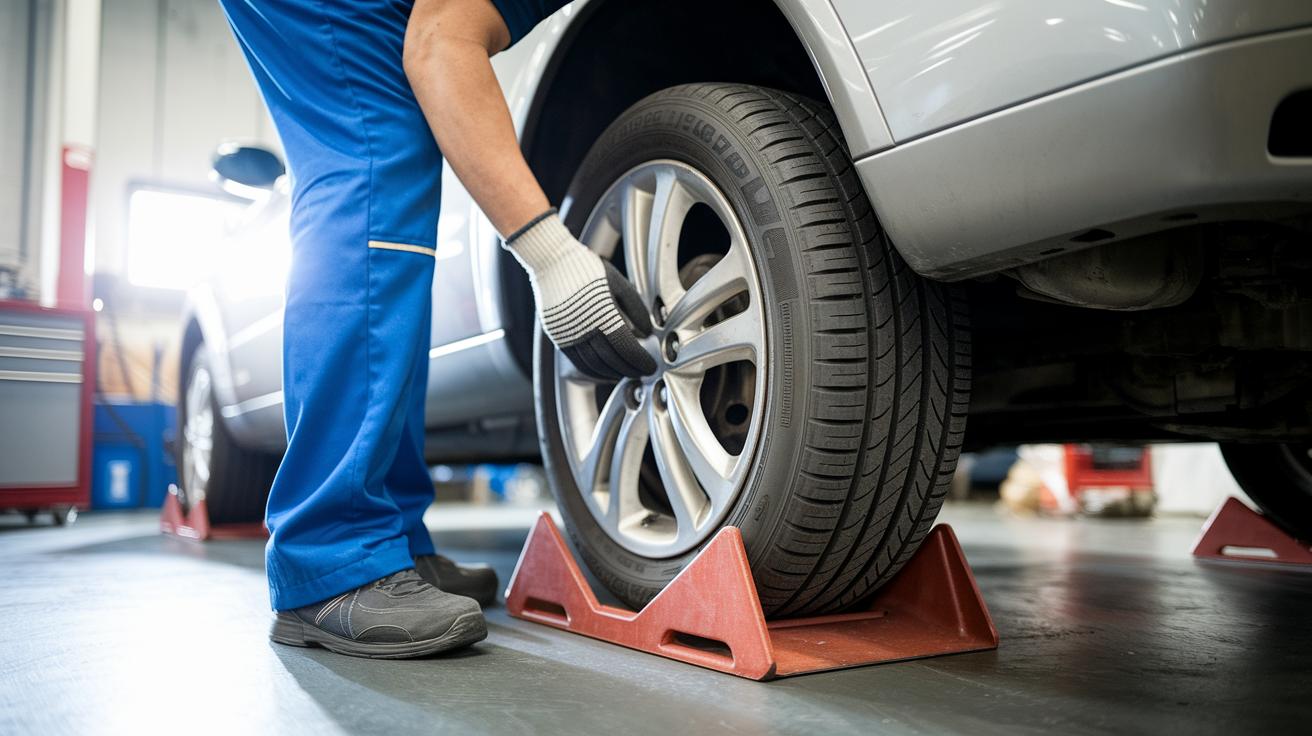
When you're setting up your tire sensors, safety always comes first. Make sure you work on a flat surface with the parking brake on so your vehicle stays still. It’s a good idea to wear protective gloves when you're handling the valve stems and sensors, just like you would when working around a hot engine. These simple tips help keep you safe and prevent accidental injuries while you fine-tune your sensors to keep the tire pressure spot on.
Also, remember to secure your vehicle by chocking the wheels before you start. And double-check your hand-tools to avoid any surprise sensor damage.
Final Words
In the action, we walked through a clear guide on calibrating tire sensors, showing how to calibrate tire sensors properly with hands-on steps, tools, and troubleshooting tips. We covered everything from inflation to calibration techniques and safety checks. The guide shared steps for different vehicle interfaces, highlighted maintenance routines, and handled common errors. Each point helps you drive with confidence, knowing you can check and optimize your tires for unmatched performance and durability. Enjoy smooth rides and keep your vehicle in top shape!
FAQ
What does a TPMS calibration tool do?
A TPMS calibration tool resets and recalibrates tire sensors after tasks like inflating or rotating tires. It communicates with your vehicle’s system to ensure accurate readings and help reduce risks linked to improper tire pressure.
Where is the TPMS reset button typically located?
The TPMS reset button is usually found around the steering column or under the dash. Checking your owner’s manual is a smart move if you need to start a sensor recalibration manually.
How do I calibrate tire pressure sensors on vehicles like Toyota, Honda, or Chevy Silverado?
Calibrating these sensors involves inflating tires to the manufacturer’s specs, initiating reset mode via the in-car menu or a physical button, then driving about 30 minutes so the system can complete recalibration.
How does calibrating TPMS improve vehicle safety and efficiency?
Calibrating TPMS keeps tire pressure readings accurate, which extends tire life, improves handling, and lowers accident risks, boosting overall driving safety and fuel economy.
Is it possible to relearn TPMS sensors without using a tool?
Yes, many vehicles let you relearn TPMS sensors using the in-car options or a physical reset button, letting you trigger the sensor relearn process without needing an extra tool.
How long does it typically take for a TPMS system to recalibrate?
After adjustments, the TPMS system usually recalibrates in about 30 minutes of moderate driving, ensuring your tire pressure readings become accurate shortly after setup.
How much does it cost to calibrate a tire pressure sensor?
Calibrating tire pressure sensors typically costs between $100 and $150, although the exact price depends on the service center and your vehicle’s requirements.

