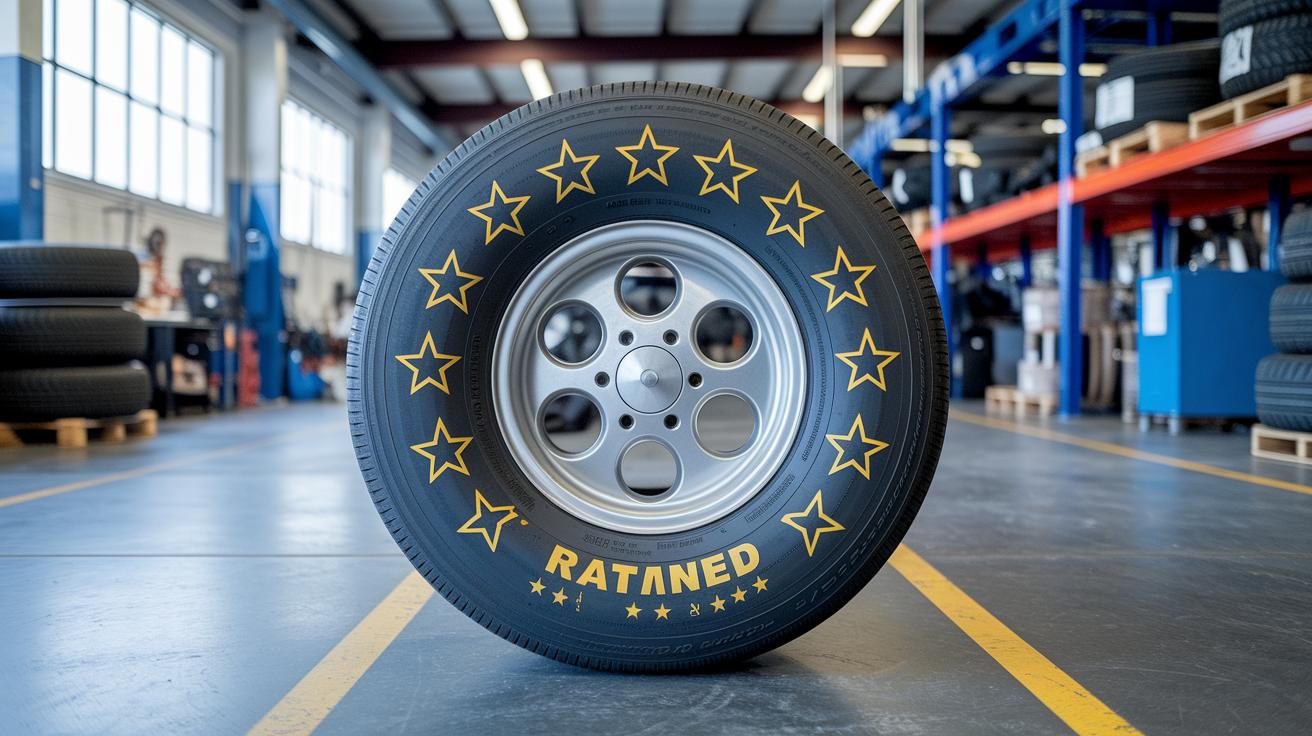


Have you ever noticed the numbers on your tires and wondered what they really mean? Tire ratings might seem a bit confusing at first, but they actually give you important details like tire size, how much weight they can handle (load capacity), the top speed they are built for, and even how long the tire might last.
These numbers are like little hints that help you understand your tire’s performance. Imagine checking your tire details before a long drive, it’s a bit like making sure you have a full tank of gas. When you know what each number means, you can feel more confident selecting the right tire for your car.
Next time you see these ratings, remember they aren’t random at all. They tell a clear story about safety and performance on every road you travel.
Comprehensive Overview of Tire Ratings Systems

When you check out a tire, you might spot a code such as "205/55R16." Here, 205 is the tire's width in millimeters, 55 tells you the sidewall height as a percentage of that width, and R16 shows the rim's diameter in inches. Plus, you'll see a load index that could range from 71 to 110. For example, an index of 91 means the tire can handle up to 1,356 lbs. Speed ratings are given by letters, from Q (which means about 99 mph) to Y (up to 186 mph), so you know the highest speed the tire can safely handle.
Then there’s the UTQG rating, which gives you even more info about how the tire will perform. The treadwear number starts at 100 and gives a rough idea of how long the tire might last. To put it simply, a tire with a treadwear rating of 400 should last about twice as long as one with a 200 rating when tested under the same conditions. Traction ratings, marked from AA down to C, help you understand how well the tire grips wet roads. Temperature ratings (from A to C) show how well the tire can handle heat during heavy driving.
- Tire Size Code
- Load Index
- Speed Rating
- Treadwear Grade
- Traction Grade
- Temperature Grade
Knowing these ratings is super important because they help you choose tires that fit your driving style and needs. With clear details about tire size, load power, and performance, you can pick tires that offer both a solid grip and a long life. It all makes following safety tips easier, letting you drive with extra peace of mind.
Breaking Down Load Index and Weight Ratings

The load index is a number you’ll find on your tire’s side, and it tells you the heaviest weight that tire can handle. It runs from 71 up to 110. For instance, a tire with an index of 91 is built to support up to 1,356 lbs. This helps you know whether a tire is good for your everyday ride or if it’s built tougher for heavier loads like those on pickup trucks or SUVs. There are two types of tires when it comes to load: standard-load (SL) and extra-load (XL). XL tires are made to carry a bit more weight, even though they keep the same size.
Many drivers don’t realize that picking the right load index can boost both safety and performance when you’re hauling heavy loads.
It also helps to convert these numbers into metric units for easier comparisons. One pound is about 0.454 kg, so if you want to convert, just divide the pound amount by around 2.205. The table below shows some examples of load index ratings together with the maximum weight in both pounds and kilograms.
| Load Index | Max Load (lbs) | Max Load (kg) |
|---|---|---|
| 85 | 1,135 | 515 |
| 91 | 1,356 | 616 |
| 94 | 1,477 | 670 |
| 100 | 1,764 | 800 |
| 116 | 2,144 | 972 |
Interpreting Speed Rating Charts for Performance

For everyday driving, standard tire ratings are all about keeping you safe and comfortable. Q-rated tires can handle speeds up to 99 mph, while T-rated ones let you drive around 118 mph. It’s like picking a reliable car for your daily errands, giving you steady performance without any fuss.
If you’re looking for a bit more pep in your ride, high-speed ratings have got you covered. H-rated tires are built to go up to 130 mph, and V-rated tires can handle speeds around 149 mph. They’re a great choice if you enjoy a sportier feel on the road, providing a firm grip and a lively response when you push your ride a little further.
Now, if you’re chasing peak performance, ultra-high-speed ratings are where it’s at. W-rated tires are designed to cope with speeds as high as 168 mph, and Y-rated ones can support up to 186 mph. These tires are engineered for cars that need superior handling and extra heat management (a way to keep tires from overheating). Imagine the smooth control you feel on a fast highway, these tires deliver that extra confidence for when you really need to push the limits.
UTQG Ratings Explained: Treadwear, Traction & Temperature

Treadwear Ratings
UTQG treadwear ratings show up as a three-digit number from tests designed to measure how long a tire might last. For example, if one tire is rated 400 and another 200, the 400 tire should keep going about twice as long. But remember, these tests are done under steady, controlled conditions that might not match everyday driving. It’s like checking your fuel gauge before a long trip, clear and helpful, even if real life might bring a few surprises.
Traction Grades
Traction grades go from AA down to C and tell you how well a tire sticks to wet roads based on lab tests. Sure, a tire with an AA rating is built to grip water really well, but real roads can throw a few challenges your way, like changes in tire pressure or a bumpy surface. Think of it as a handy guide when you’re choosing tires to keep you secure on slick pavement.
Temperature Grades
Temperature ratings, ranging from A to C, reveal how well a tire handles heat under heavy use. A tire that earns an A is tested to control heat better, which can be a big plus on hot roads. Just keep in mind that real-world conditions might not match the test environment exactly. For a closer look at how heat can impact your tires, you can visit https://tityres.com?p=3020.
Locating Tire Ratings on the Sidewall
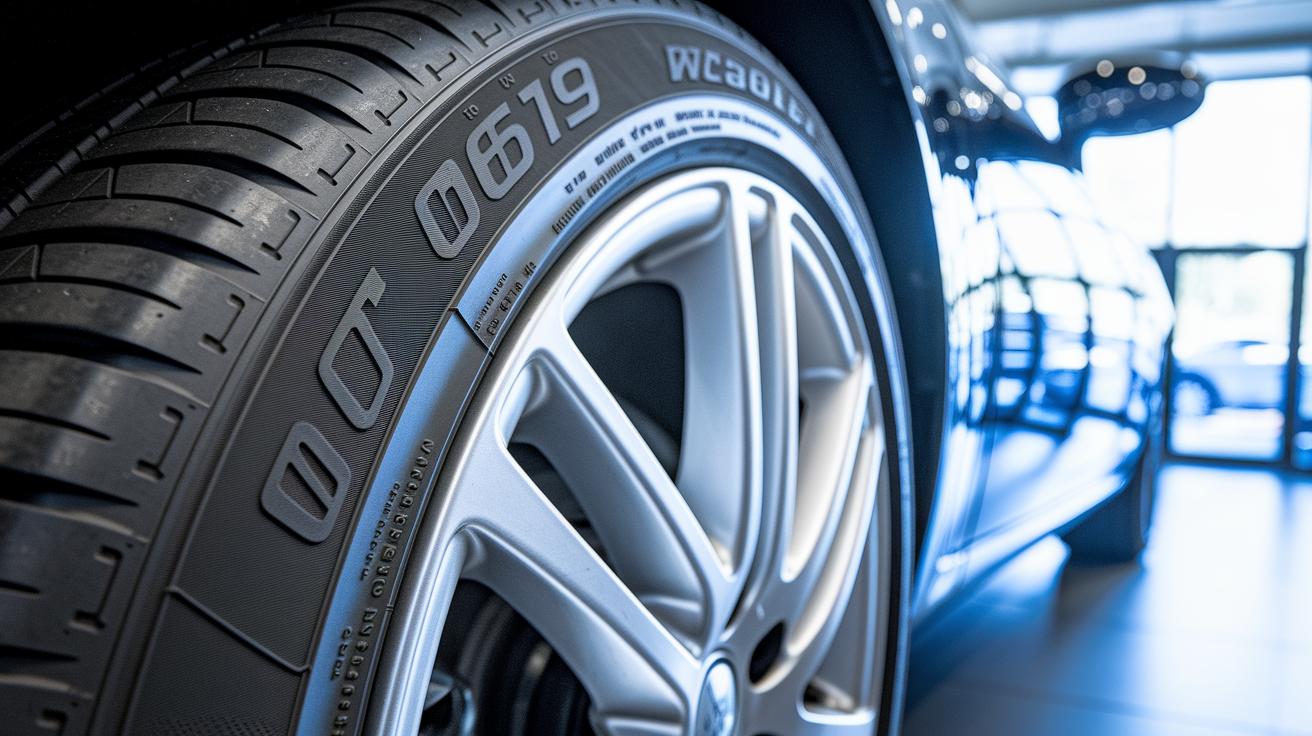
When you want to know more about your tire's details, check other parts of the article for things like its size, load rating, speed rating, and UTQG (tread wear rating, which tells you how fast the tire's surface might wear down). Here, we're focusing on the DOT manufacturing code. Just take a look along the tire’s sidewall for a string of letters and numbers that starts with DOT. The last four numbers, for example, 0619, tell you that the tire was made in the 6th week of 2019.
So, if you see a code like 1218, it means your tire was made during week 12 of 2018.
Choosing the Right Tire Ratings for Your Vehicle
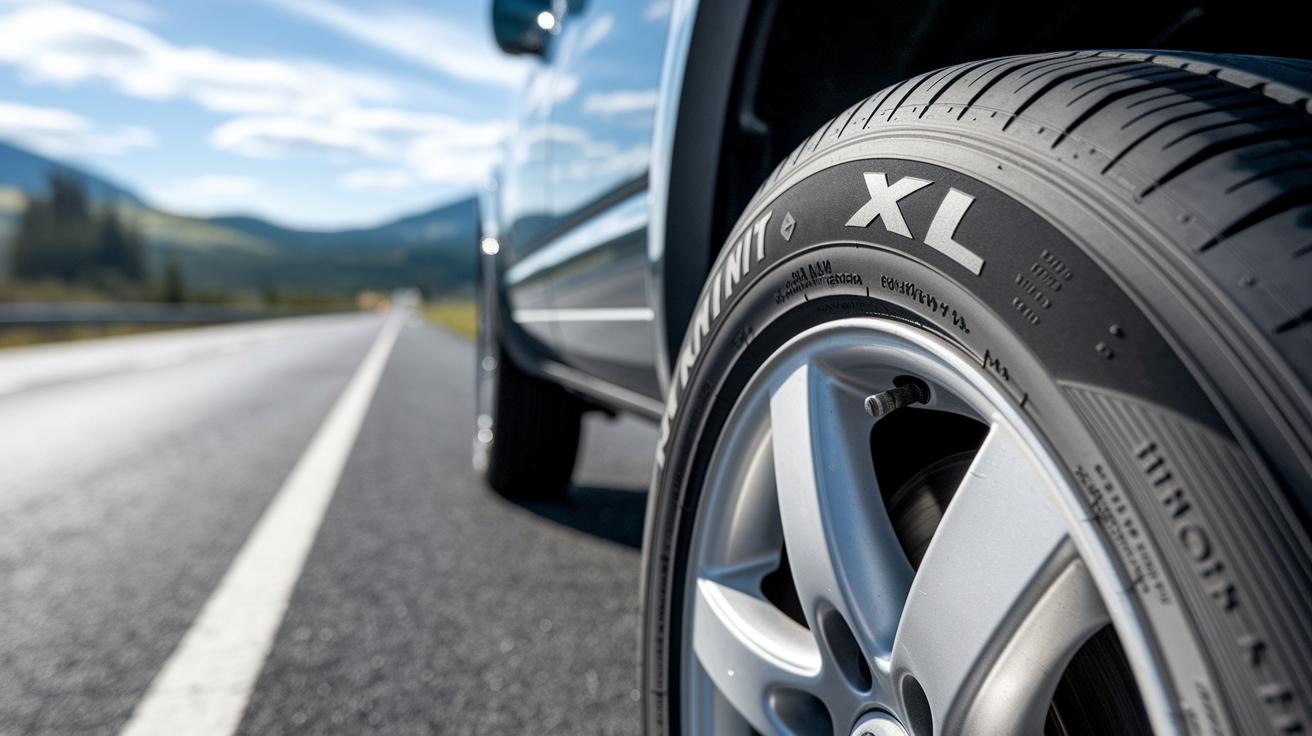
When it comes to choosing new tires, start by checking your car's original guidelines to match the tire's rated load (how much weight a tire can safely carry) and speed specs. For example, XL-rated tires can carry more weight, making them a smart pick if you often haul extra stuff. And if you're looking for a bit more kick on the road, switching from H to V speed grades can help your tires handle higher speeds without losing that steady grip. It's always a good idea to follow or even exceed what the manufacturer suggests to keep your ride smooth and safe. If you're curious about how different brands stack up, you can check out the tire brand ratings for a clear picture of what each offers.
Thinking about whether to go with all-season or performance tires? It helps to consider what you really need day-to-day versus those moments when you push the pedal on the open road. All-season tires are a solid all-around choice, giving you comfort and durability in different weather. But if you love that extra bit of speed and precision, performance tires might be the way to go. Matching your tire’s ratings to your driving style and environment makes sure you get the best of both load capacity and speed capability.
Final Words
In the action, we dug into how tire ratings explained can tell you everything about your tires, from size codes and load capacities to speed limits and UTQG details. We broke down different rating systems, made sense of letters and numbers, and showed where to find these clues on your tire. Every bit of info guides you in picking the right tires and keeping them in top shape. Here's to safe rides and smart choices on the road ahead!
FAQ
What do tire load ratings mean?
Tire load ratings explain how much weight a tire can carry. For example, a load index of 91 means the tire can support about 1,356 lbs, helping you pick tires that match your vehicle’s weight needs.
How are tire speed ratings indicated and compared?
Tire speed ratings use letters to show a tire’s maximum safe speed. For instance, H means about 130 mph, V around 149 mph, and Z ratings apply to very high speeds. Charts also convert these limits to km/h for clear guidance.
What does a UTQG tire rating indicate?
The UTQG rating covers treadwear, traction on wet surfaces, and heat resistance. A higher treadwear number means longer wear, while the traction and temperature grades help you gauge overall tire performance.
Is it safe to use regular air in tires meant for nitrogen?
Regular air in tires designed for nitrogen is generally acceptable. Nitrogen may offer steadier pressure, but keeping your tire pressure properly checked with regular air works just fine.
What do the abbreviations HT and LT stand for on tires?
HT usually signals high-performance or high-temperature tires, while LT stands for light truck tires. These codes help you identify tires built for specific driving conditions or vehicle types.
How do tire speed ratings like H, T, and S compare?
Tire speed ratings compare maximum safe speed limits. For example, an H rating supports higher speeds (about 130 mph) compared to T (around 118 mph) or S (usually 112 mph), letting you match tires to your driving style.

