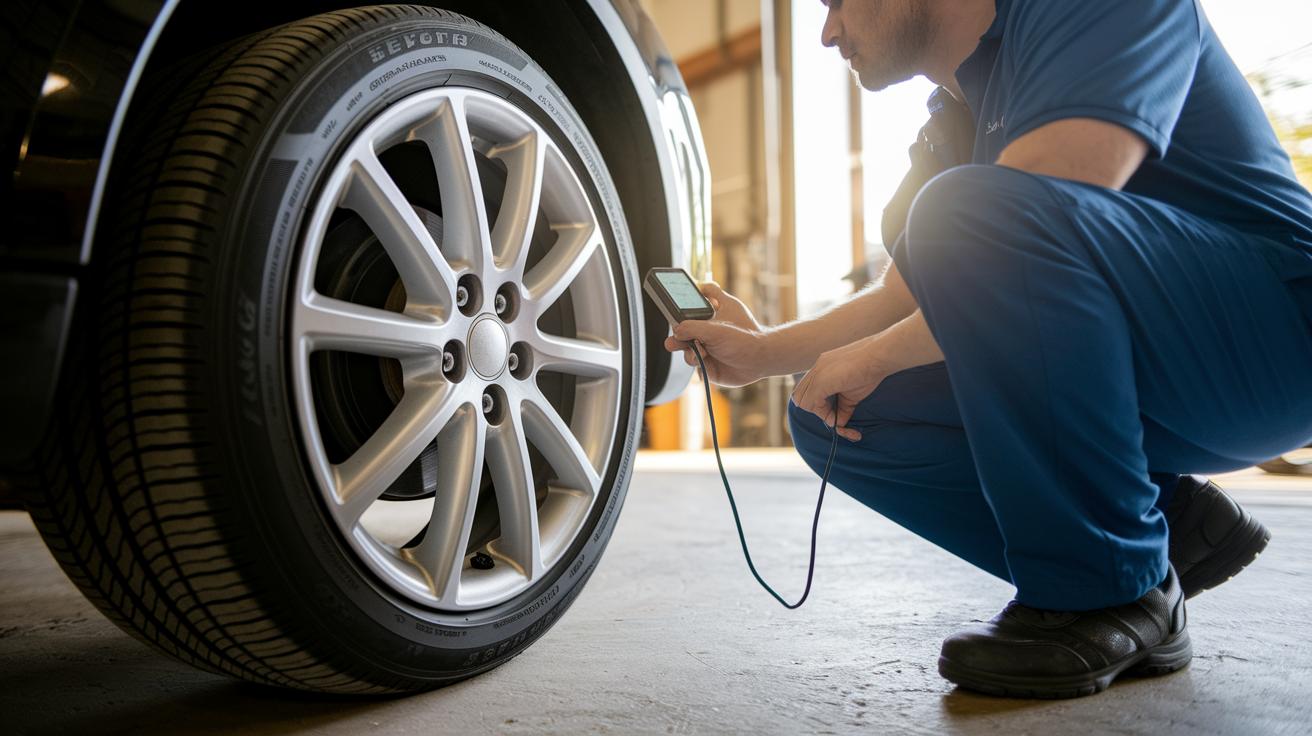


Ever wonder if your tire sensor is telling the whole truth? You might think checking it sounds hard, but it’s really not. In this guide, we walk you through the simple steps to see if your tire sensor (the gadget that checks how much air is in your tires) is accurate.
Think of it like quickly glancing at your fuel gauge before a long drive, fast and clear. A brief stop with a pressure gauge can help confirm the numbers, giving you a sense of security for a smoother, safer ride ahead.
how to test tire sensor accuracy: Simple Results
Park your car on a flat, even surface and let it sit until the tires cool down to room temperature. This way, you get true tire pressure readings without extra heat from driving. There are two kinds of tire sensors: one type sits inside each tire (a direct sensor) and the other type checks tire pressure using the wheel speed from the ABS (an indirect sensor). Knowing which sensor your car has helps you test it the right way.
First, park your car and let it rest for about three hours. This pause makes sure that heat from driving doesn't change the pressure numbers.
Next, grab a digital tire pressure gauge that is accurate to within 1 to 2 psi. Use the gauge on each tire, just like you would check the fuel gauge before a long trip.
Then, write down the pressure for every tire from your gauge and check the reading on your dashboard. The numbers should match closely.
Repeat this for all four tires. If one tire’s number is very different, it might mean a sensor or valve is having trouble.
Finally, compare all the readings. If any tire’s measurement is off by more than a little bit, it might be a good idea to have a professional take a look.
This step-by-step method helps you confirm your tire sensor is working right and keeps you safe on the road.
Understanding TPMS System for Tire Sensor Accuracy Verification
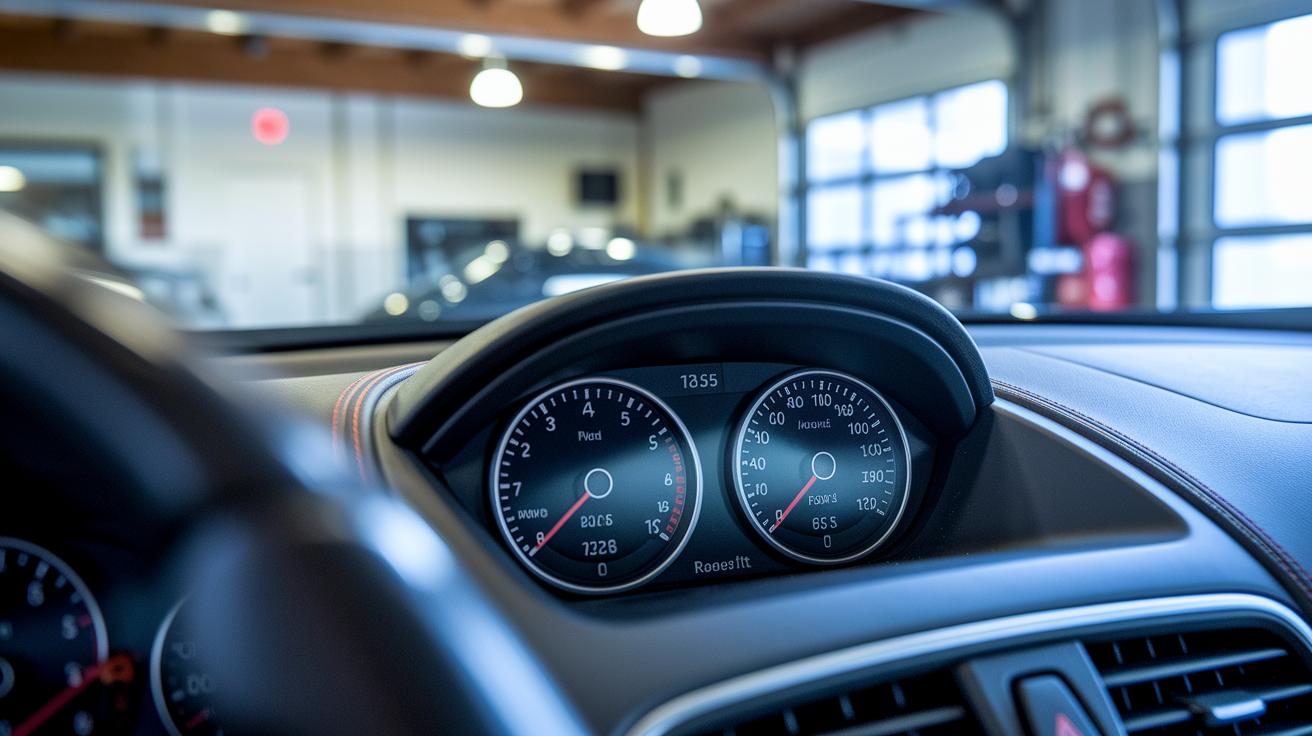
Direct TPMS uses little radio transmitters (RF transmitters, which send pressure details via radio waves) in each tire to give you real-time pressure updates. Indirect TPMS, on the other hand, watches how fast each wheel spins (rpm, or revolutions per minute, a measurement of wheel speed) to guess the pressure. When you glance at your dashboard, the psi numbers you see come straight from these sensors. It’s kind of like checking your speedometer, you get the info fast and simple.
Your car gathers signals from each tire and shows them on your screen. This quick check can give you a clear look at what your tire health is like. If all your tires show similar psi readings, that’s a good sign. But sometimes a big difference might mean there’s an issue with a sensor or that a battery might be running low.
Sensor batteries usually last about 5 to 10 years. And, if a battery is running out, the signal might get a bit weak, which can lead to a small error in the psi reading. When you understand how your TPMS works, it helps you figure out when a sensor might need a closer look or even a replacement.
So next time, take a moment to open your car’s interface and check the TPMS details. It only takes a minute, and it can tell you if one tire is acting up with an odd psi value.
Essential Tools and Calibration for Tire Sensor Accuracy Tests
First off, make a clear list of what you need. Grab a digital tire pressure gauge that reads within ±1 psi. This handy tool lets you check your tire pressure fast and reliably, much like glancing at your fuel gauge before a drive. For instance, if your gauge reads 32 psi, write it down and compare it with your TPMS display.
Next, you should have a calibrated pressure module or inflation station. This tool gives a steady output so you can see if your digital gauge is in line. Remember to recalibrate your device every 12 months, just like your car gets its tune-up, to keep everything running smoothly.
Don’t forget an OBD-II scan tool, which lets you pull up real-time TPMS data from your car’s computer. Use this tool to double-check that your tire pressure readings match those shown on your manual gauge.
Also, a valve-core wrench is important for checking and taking care of the tire valve. A little tip: look up the tire valve maintenance guide for advice on how to care for the valve cores before you measure anything.
By taking the time to inspect each tool, you can avoid mistakes and trust that your tire sensor readings are spot-on.
Static vs. Dynamic Testing Methods for Tire Sensor Accuracy

Static tests are simple. You park your car on a flat spot and let it sit for at least three hours so the tires get to room temperature. This way, you get readings that show what the tire pressures are like without extra heat interfering. Then you use a digital gauge to check the tire pressure and make sure the numbers match up with the TPMS data.
On the other hand, dynamic testing mixes things up by putting your car in motion. For these tests, drive at a steady pace of 25 to 35 mph for five or ten minutes. It lets you compare what the TPMS shows while you’re actually driving against readings from your portable gauge. It’s a way to see how things work under normal driving conditions and catch any differences that might not show up when you’re parked.
Another important part of these checks is frequency response testing. Basically, you want the sensor to update every 30 to 60 seconds so you always know what’s going on. When the readings stay on schedule, it means the TPMS gives reliable info even when conditions change. Comparing static and dynamic results helps you figure out if a sensor’s accuracy changes with motion or weather, keeping your tire system dependable for everyday driving.
Interpreting Data and Troubleshooting Tire Sensor Accuracy Issues
If your tire sensor is off by more than ±2 psi compared to your gauge, start by taking a good look at the dashboard readout. When you notice one tire’s number suddenly jumping or dropping, it might be because of RF interference (that’s just a fancy way of saying unwanted radio signals are interfering). It’s a clear sign to kick off your troubleshooting.
Next, check your valve stems for any dirt or debris. Clogs here can cause the sensor reading to drift. Give the valve seats a quick clean and then peek at your readings again. If they’re still off, try resetting the TPMS ECU (this step helps clear any little electronic glitches, kind of like rebooting your phone).
If problems still linger, the sensor’s battery might be running low. In that case, you might need to reprogram or even clone the sensor, a solution that comes in handy when cleaning isn’t enough. Compare your manual gauge’s numbers with the TPMS output to see if there are any differences. Finally, review the dashboard readout once more to make sure your troubleshooting has set things right. Regular checks like these help keep your tire system running smooth and steady.
Calibration Best Practices and Maintenance for Tire Sensor Accuracy
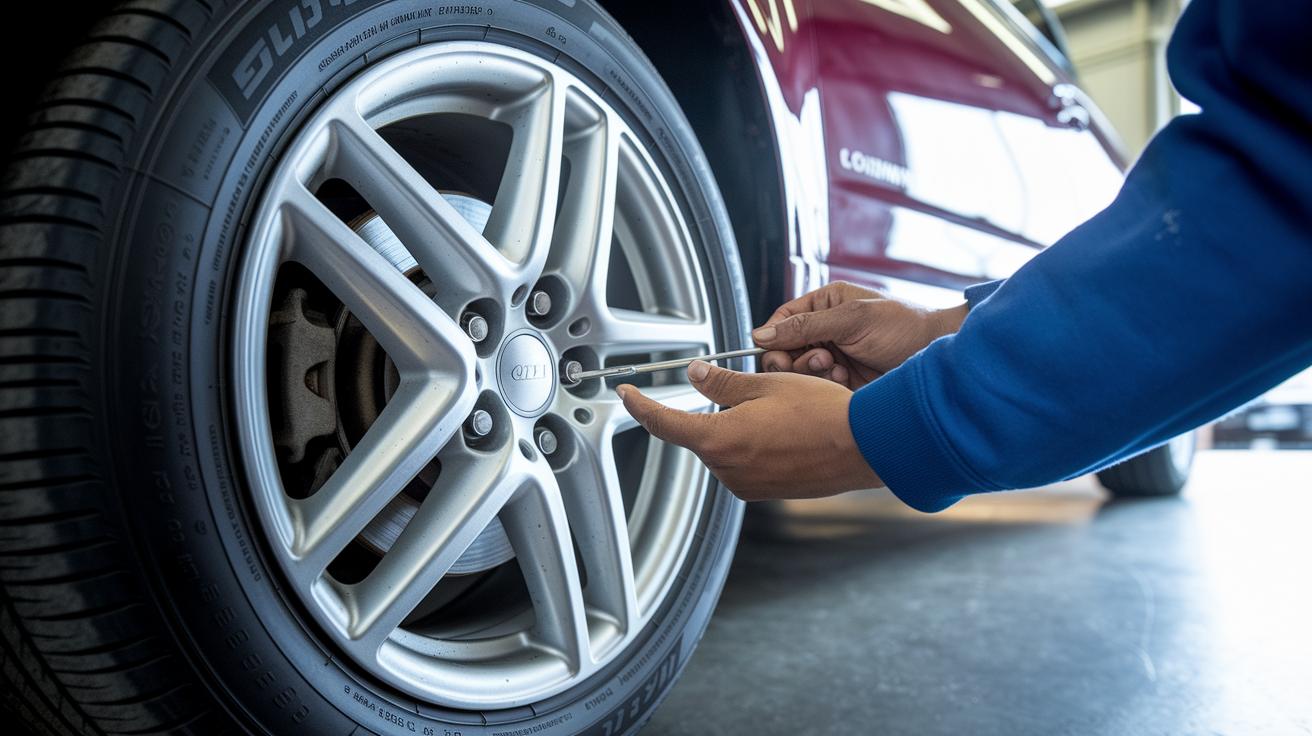
Keeping your tire sensor in good shape is really like making sure your car is running smooth. It's a good idea to check your sensor every six months or every 6,000 miles, so you know it's giving you the right readings after a long drive or even over half a year.
When your car has its monthly service, you might want to update the sensor firmware using a dealer scan tool. This little update fixes small issues with RF performance (RF stands for radio frequency, which is just how your sensor talks to your car). A quick firmware check can save you a lot of hassle later on.
Another simple trick is to clean the sensor valve and wipe it down regularly. Think of it like giving your tires a quick shower, keeping dirt away helps your sensor keep working accurately.
Also, keep an eye on sensor readings and look for any changes. If anything seems off, a professional can recalibrate your tires, usually for about $20–$40 per tire. With these handy steps, your tire sensor stays tuned and reliable, ensuring safe and smooth rides every time.
Final Words
In the action, this article walked through checking TPMS accuracy with a clear, step-by-step procedure. We covered everything from using a calibrated gauge to comparing sensor readouts, plus explained both static and dynamic methods. The guide also touched on troubleshooting common issues and outlined proper calibration practices. All these tips guide you on how to test tire sensor accuracy while keeping your vehicle safe. With these simple, reliable methods, you can keep your tires performing at their best and drive with peace of mind.
FAQ
How to test tire sensor accuracy with a multimeter and at home?
Testing tire sensor accuracy at home with a multimeter means using the meter to check sensor voltage and resistance, then comparing results to a manual gauge reading to spot any deviations.
How to test tire sensor accuracy on Chevy and Ford models?
Testing tire sensor accuracy on Chevy or Ford involves following the vehicle’s specific procedures by comparing manual gauge measurements with TPMS readouts to see if sensor outputs match.
How to tell which TPMS sensor is bad without a scanner and check for a faulty tire sensor?
Determining a bad TPMS sensor without a scanner means looking for sensors that show irregular psi readings or sensor drift beyond an allowed range when you compare them to a reliable manual gauge test.
Is there a way to perform a free TPMS sensor check using a TPMS sensor tester?
A free TPMS sensor check can be done by using a home diagnostic tool or visiting service centers with tester equipment that compares sensor data against manual readings to flag discrepancies.
How do I recalibrate my tire sensors?
Recalibrating tire sensors means resetting the TPMS system—often by following the vehicle’s specific recalibration steps—and confirming with a manual gauge that sensor readings quickly align with actual tire pressure.
Can a tire sensor give false readings?
Tire sensors can give false readings if issues like sensor drift, low battery, or interference affect their performance, leading to psi values that don’t match actual tire pressure levels.

