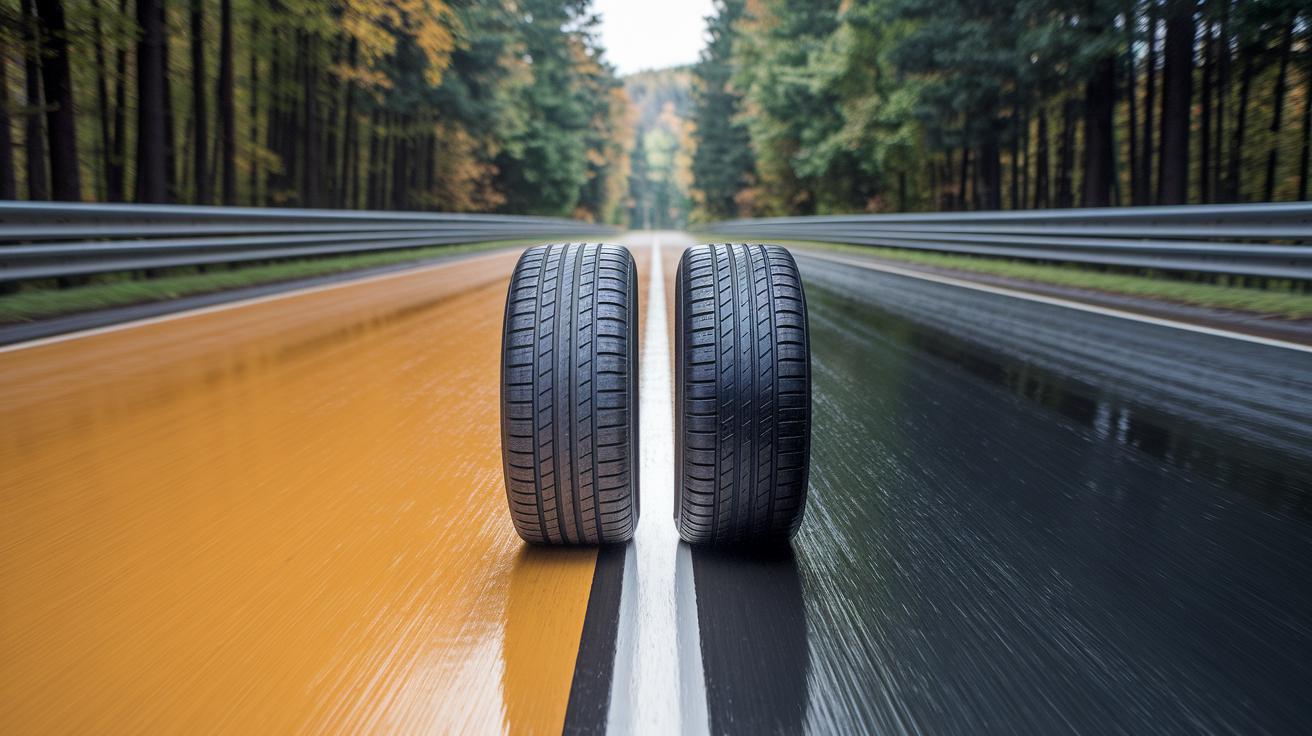


Ever been torn between a super smooth ride and the need for tires that can handle any weather? Touring tires deliver a quiet, comfy drive over long highways, almost like a soft hum in the background. And then there are all-season tires which give you steady control in rain, snow, or shine, making them a wallet-friendly option for everyday trips.
Today, let's chat about these two types so you feel confident when choosing your tires. We'll walk through what each one offers and why your final pick might surprise you in the best way.
Key Differences and Considerations: Touring Tires vs All-Season Overview

Touring tires are made for those long drives when you crave a smooth, quiet ride. They focus on reducing road noise and boosting comfort so you can relax on long highway stretches. Plus, they are built tough to last a long time, with tread patterns (like asymmetrical designs) that help with performance and even fuel economy.
All-season tires, on the other hand, are the versatile choice for everyday driving. They balance grip on wet roads, dry pavement, and even light snow. They work well if you’re in a spot with moderate weather and want a less pricey option. However, if you face heavy snow or extreme heat, they might not perform at their best.
- Touring Tires: Provide a quiet ride and extra comfort for long journeys.
- Touring Tires: Use tough materials that can last up to 80,000 miles.
- Touring Tires: Designed to reduce rolling resistance, which can boost fuel economy.
- Touring Tires: Typically come with a higher price tag compared to all-season options.
- All-Season Tires: Deliver balanced grip across wet, dry, and light snowy roads.
- All-Season Tires: Often come with warranties covering 40,000 to 65,000 miles.
- All-Season Tires: Offer a more budget-friendly option for everyday drivers.
- All-Season Tires: May struggle in extreme weather conditions like heavy snow or intense heat.
If you love a peaceful, quiet ride over long distances, touring tires might be the way to go. They really shine on highways when you want to minimize noise and maximize comfort. But if you’re looking for a tire that does a bit of everything and keeps costs down for regular driving, all-season tires could be your best bet.
Performance Breakdown: Touring vs All-Season Traction and Handling
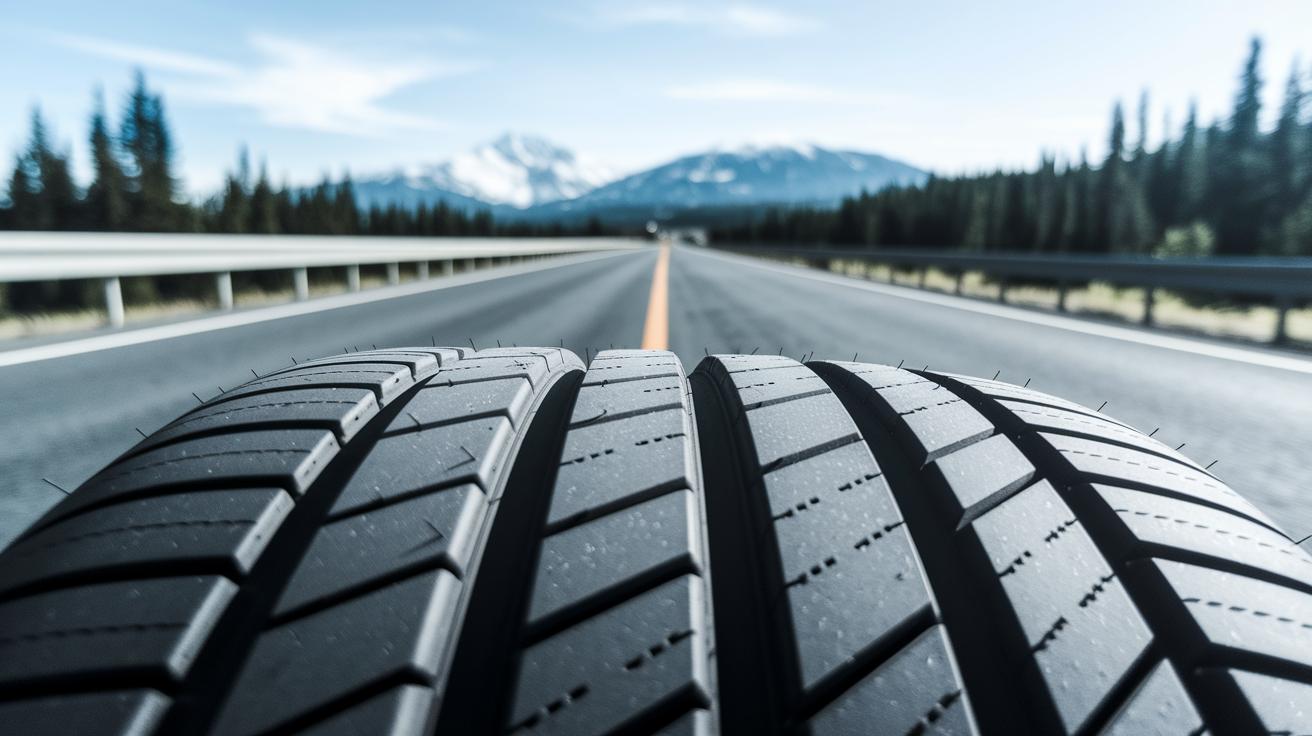
On dry roads, touring tires mix firm compounds with a smoother ride feel, almost like a quiet chat with your car. They usually have a neat pattern in the tread that helps cut down on vibrations when you're cruising on the highway. All-season tires, though, are built with a blend of flexible and sturdy parts so that no matter how dry the road is, they hold steady. It’s like enjoying the steady grip of your tires on a smooth road, making your drive feel calm and controlled.
When the pavement gets wet, touring tires often use side-by-side tread patterns to push water away from where the tire touches the road, making it less likely to slip. All-season tires work hard too; they use detailed groove designs to move water off the tire, keeping a good grip even when it rains. Both types are designed to stop water from building up, so your ride stays safe and on track.
For light snow, all-season tires usually have an edge. They meet the Three-Peak Mountain Snowflake (3PMSF, a test for light snowy conditions) standard, which means their materials stay soft in the cold. They even add extra tiny cuts (siping) to boost traction in chilly weather. Touring tires, on the other hand, are all about a comfy, smooth ride and may not be as adapted to the cold-weather challenge.
Ride Comfort and Acoustic Performance: Touring Tires vs All-Season

Touring tires come with cool noise-cutting features that keep your car really quiet on long drives. They use smart tread designs and inside barriers (like those in the Bridgestone Turanza QuietTrack) to soften road sounds and lessen vibrations. Picture yourself on a smooth highway with just a gentle hum of your tires, barely interrupting your chit-chat.
On the other hand, all-season tires are made to work well in many conditions. Their open shoulder grooves help channel water away, which sometimes means you might hear a bit more tire noise when you're speeding down the highway. They still give a comfy ride, but you could notice a louder roar compared to the whisper-quiet touring tires.
If you love a peaceful drive on those long trips and want fewer vibrations and less tire noise, touring tires could be your best bet. It’s a little upgrade that makes your ride feel much more refined and relaxing.
Tread Life and Durability: Touring vs All-Season Designs
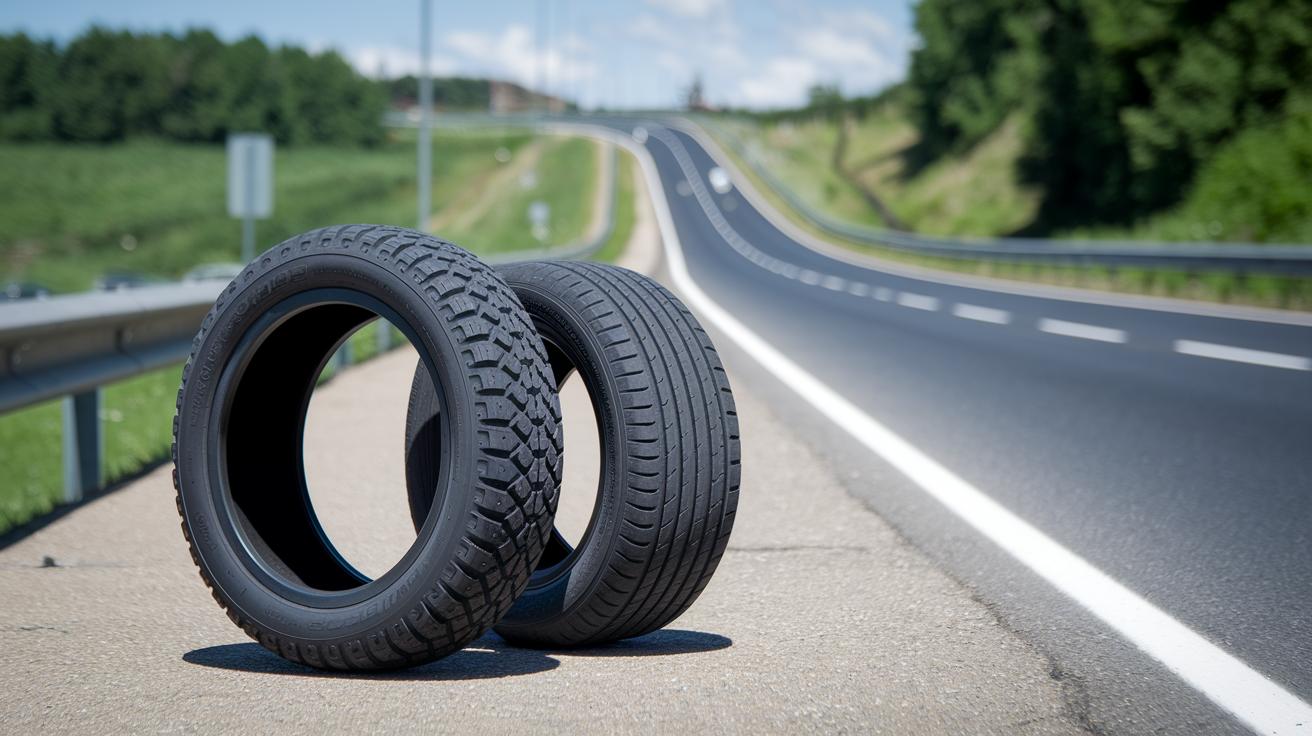
Touring tires are built with tougher compounds that stand up well during long, fast drives. They’re designed to keep your ride smooth on the highway while holding off wear over time. Think of them like a marathon runner built for the long haul, steady and reliable even when the miles add up.
All-season tires, meanwhile, are made to be flexible and handle a mix of road conditions. They blend softer materials with tougher additives to work well in different weather. Imagine a tool that adapts to everyday driving, even if it isn’t built just for long-distance endurance.
Fuel Economy and Rolling Resistance: Touring vs All-Season Efficiency
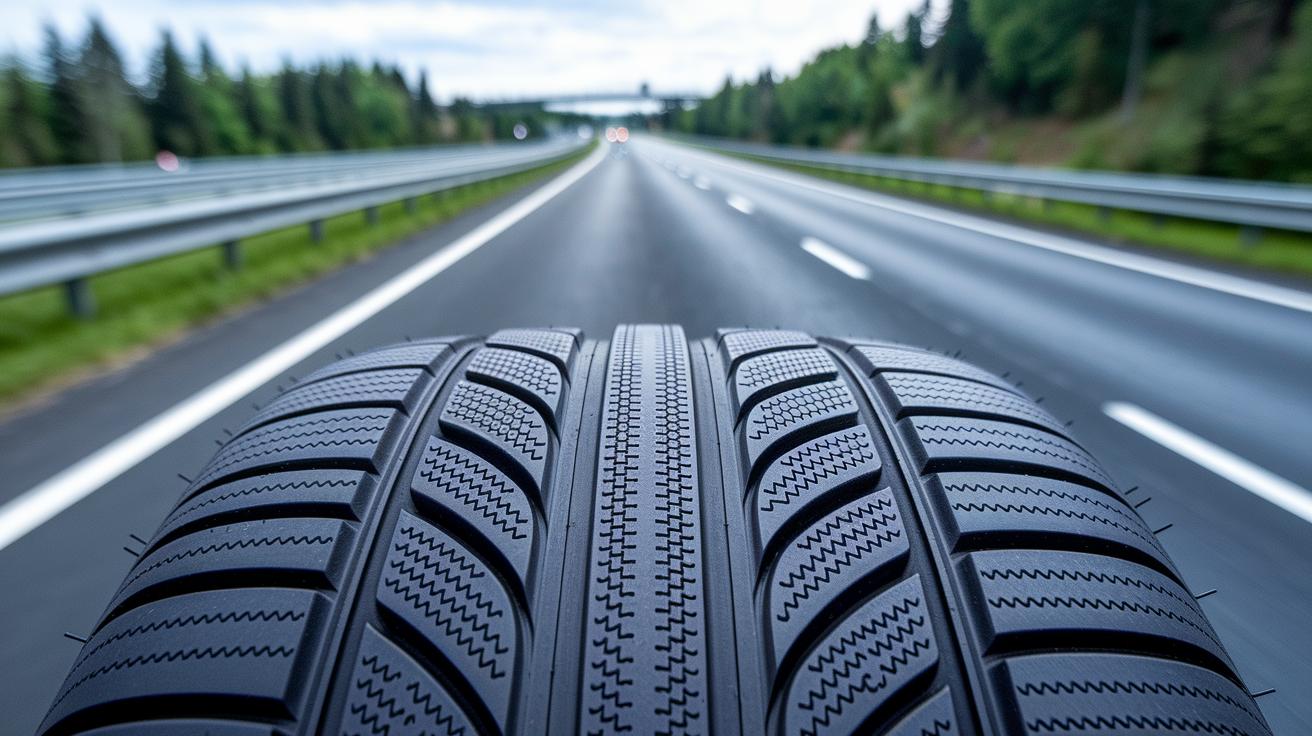
Touring tires use special tread patterns and silica-rich materials (silica is like a helper that keeps the tire rolling smoothly) to reduce energy loss. This means they roll with less resistance, which can boost your fuel economy by about 1–2 mpg or save you up to 7% on fuel. Imagine being on a long highway drive where every mile counts, the smooth roll feels like a little boost with each turn of the wheel.
On the other hand, standard all-season tires come with a design that works for many conditions. Their tread is more general, which might add a bit more resistance. While that extra drag usually isn’t a big deal for everyday drives, if you plan long trips and want to squeeze every bit of fuel efficiency, touring tires really step up to the challenge.
Seasonal Adaptability: Climate Suitability of Touring vs All-Season
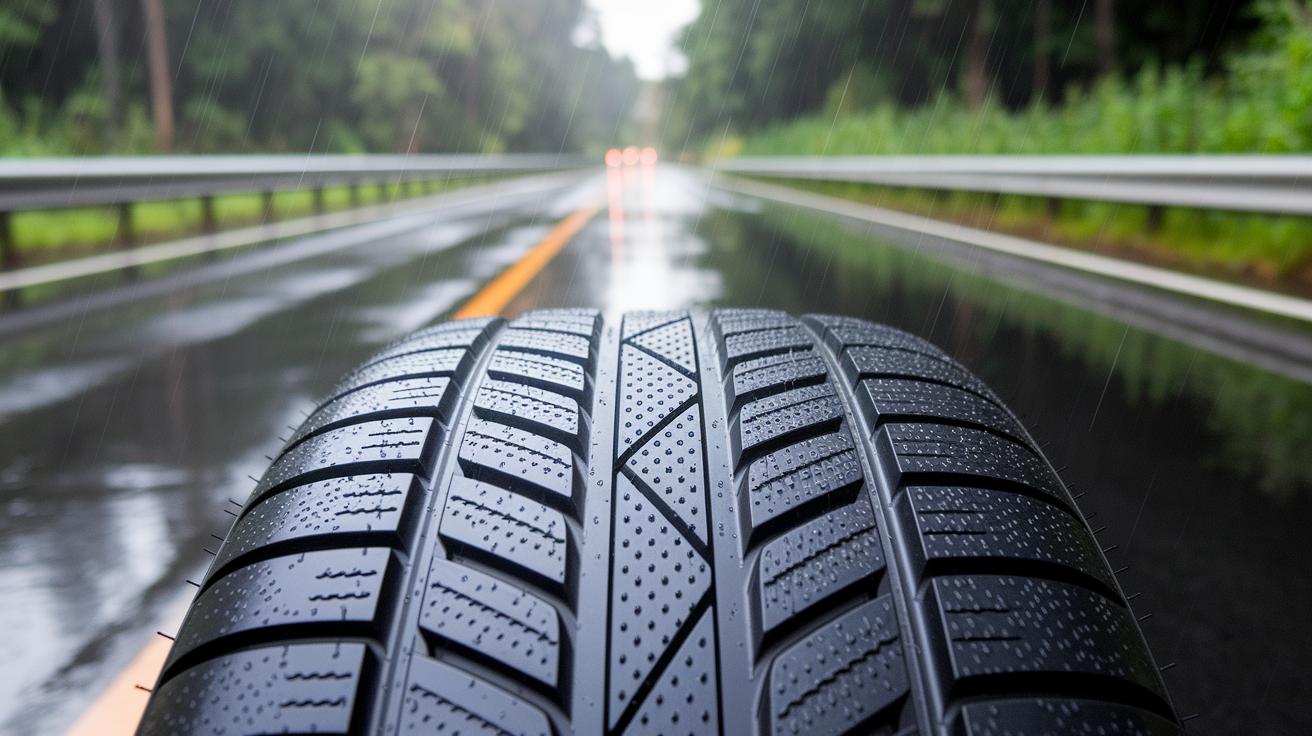
All-season tires do a great job on wet roads by moving water away from where the tire touches the pavement. Their grooves push water aside so you’re less likely to slide when roads get slick. A lot of these tires even carry the 3PMSF sticker (a certification that shows they can handle a bit of light snow and rain). Picture yourself driving through a soft drizzle, feeling secure with every turn.
When the weather turns chilly, all-season tires still hold up well. Their rubber stays soft even when it nears 28°F, which helps them grip better in mild winter conditions. Touring tires, on the other hand, have rubber compounds that can get a bit stiff once temperatures drop below 40°F, meaning they might not hold as tight when roads are cool and damp.
For those freezing days with heavy snow, touring tires aren’t your best friend. Their tougher, firmer rubber isn’t made for extreme cold or deep snow. So if winter is harsh where you live, it’s smart to choose tires that keep their flexibility in cold weather to help you stay safe on slippery, snowy roads.
Recommended Choices: Touring Tires vs All-Season by Vehicle Type
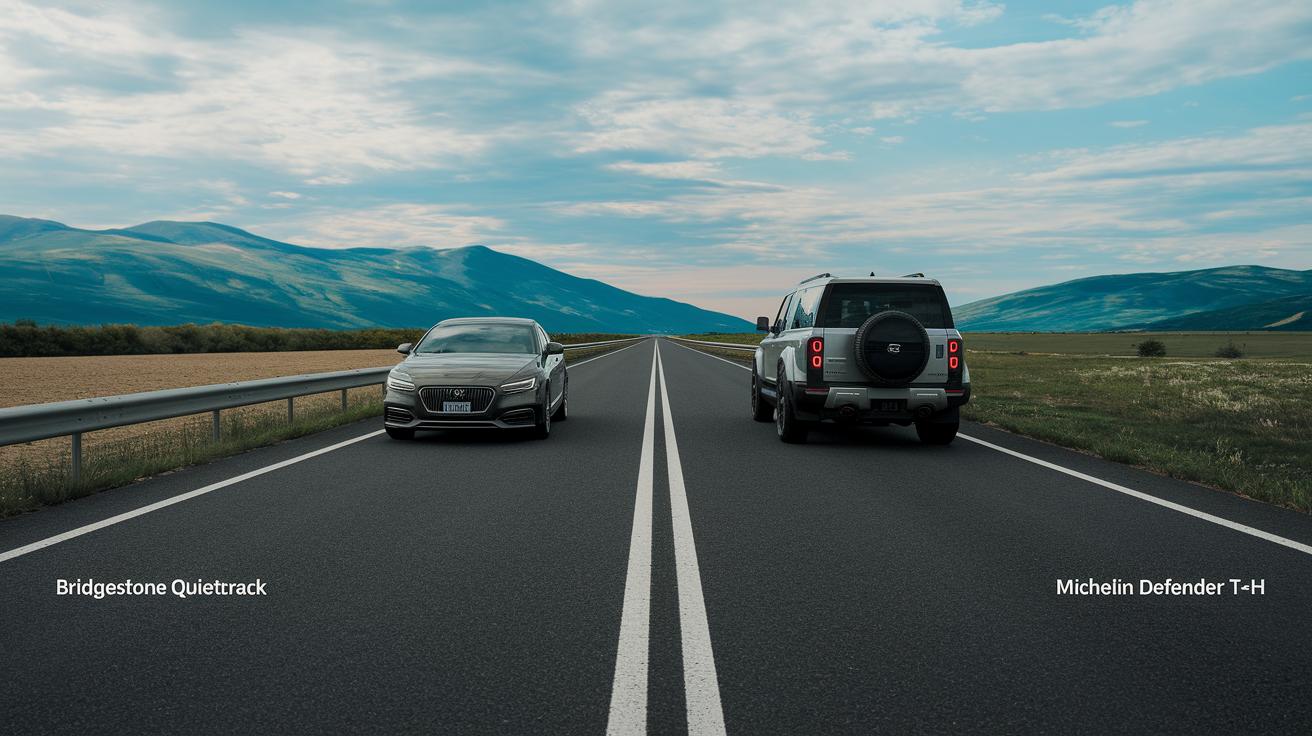
If you drive a sedan and love a quiet, smooth ride on long highway trips, touring tires might be just the ticket. Think about models like the Bridgestone Turanza QuietTrack or Michelin Defender T+H. They’re built to keep road noise down, so you can enjoy a calm, comfortable journey even on long drives. Plus, these tires are designed to last and handle well, adding a stylish touch along with reliability.
SUV drivers often face a mix of weather and road conditions. That’s why all-season tires are a popular choice here. Tires such as the Michelin CrossClimate2 and Goodyear Assurance WeatherReady do a great job on wet roads, light snow, and even busy city streets. They give you confident grip and steady performance in all types of weather, perfect for your SUV’s versatile needs.
For those driving crossovers, balancing comfort and all-weather reliability is key. Imagine having the best of both worlds: the quiet and smooth feel of touring tires with the all-season strength to cope with everyday surprises. Knowing your vehicle’s details like make, model, and tire size helps you pick the ideal tire, whether you’re after better fuel economy or extra traction.
| Vehicle Type | Recommended Touring Tire | Recommended All-Season Tire |
|---|---|---|
| Sedan | Bridgestone Turanza QuietTrack / Michelin Defender T+H | N/A |
| SUV | N/A | Michelin CrossClimate2 / Goodyear Assurance WeatherReady |
| Crossover | Touring variant matching comfort needs | All-season model balancing performance |
touring tires vs all season tires – https://tityres.com?p=3254
FAQs on Touring Tires vs All-Season Decisions

What makes touring tires different from all-season ones?
Touring tires are made for a smooth and quiet ride on highways. They keep vibrations low, so your ride feels calm. All-season tires, on the other hand, are built to handle changing weather conditions. One driver once said that touring tires made highway trips feel extra peaceful, while all-season tires worked great no matter what the weather was like.
Can I use touring tires when it's cold outside?
Touring tires can work in mild winter weather, but they might get a bit hard in really cold temperatures, which can lower their grip. One driver found that their touring tires lost some traction in freezing conditions and decided to switch to tires made specifically for cold weather. So if you live in a colder area, touring tires might not be the best choice.
Are all-season tires comfortable enough for long trips?
All-season tires do a good job keeping you comfortable on long drives. They perform reliably in different conditions, although they might create a little more road noise compared to touring tires. A regular traveler shared that, despite the extra noise, the ride stayed comfortable and the tires maintained a steady grip, making them a solid pick for long journeys.
Final Words
In the action, this blog broke down the differences in comfort, performance, and durability between touring and all-season tires.
We explored how each tire type fares on various roads and weather conditions, while unpacking ride comfort, tread wear, and fuel efficiency.
The insights on touring tires vs all season help you pick what fits your driving needs. Enjoy the smooth ride ahead and drive with confidence every mile on the road.
FAQ
What is the main difference between touring and all-season tires?
The main difference is touring tires focus on delivering a smooth, quiet ride with enhanced comfort on highways, while all-season tires offer balanced performance in wet, dry, and light snow conditions.
Can I use touring tires in winter conditions?
Using touring tires in winter conditions means you enjoy a comfortable ride, but they can underperform in heavy snow compared with tires specifically built for winter use.
Do all-season tires offer enough comfort for long trips?
All-season tires provide balanced performance and enough comfort for long trips, though they may produce slightly more road noise compared to touring tires engineered for a quiet ride.
What does it mean when a tire is touring?
A touring tire is built for a smooth, refined ride that cuts road noise and resists wear, making it perfect for regular highway driving rather than extreme weather.
Are touring tires noisy?
Touring tires are designed with noise reduction features that help minimize road sounds, offering drivers a quieter and more comfortable experience than standard tire options.
Is touring a good tire brand?
Touring tires aren’t a brand but a style of tire that emphasizes comfort and longevity; many reputable tire brands include touring models in their selections.
Where can I find touring tires?
You can find touring tires at major retailers like Discount Tire, Tire Rack, Tire Discounters, Les Schwab Tire Centers, Costco, and Goodyear service centers.
What does performance vs touring tires mean?
Comparing performance and touring tires shows that performance models focus on grip and handling for spirited driving, while touring tires prioritize a smooth, comfortable ride on everyday highways.

