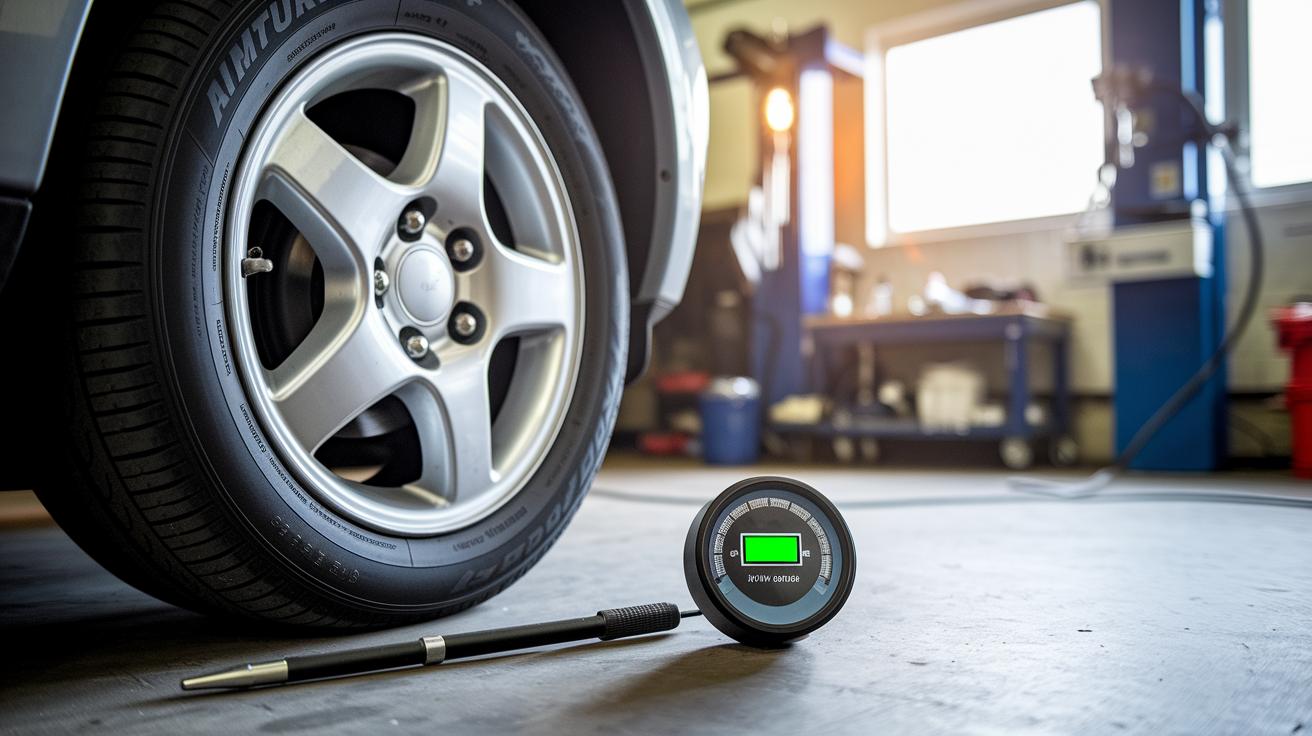


Ever think your tire sensor battery might run out sooner than you expect? These small devices work hard to tell you your tire pressure (how much air is in your tires), but their batteries can wear out pretty fast, especially if you drive a lot or in tough weather.
In this post, we’ll chat about how long these batteries generally last. We’ll also look at what makes them drain faster and share some smart tips for replacement. Stick with us and keep your ride safe on every twist and turn.
How Long Tire Sensor Batteries Last and What Affects Their Lifespan
TPMS sensor batteries usually stick around for about 5 to 10 years or roughly 60,000 to 100,000 miles. In simple words, as you drive, the sensor sends tire pressure updates, so more frequent or longer trips can use up the battery faster.
Several things can affect how long your sensor battery lasts. For example, driving a lot or taking long trips puts extra strain on the battery. Extreme temperatures, whether really hot or bitterly cold, can also make the battery lose power quicker. The overall quality of the sensor’s parts, bumpy roads, and constant vibrations also play a big role.
Keeping an eye on your tire pressure readings and any alerts on your dashboard can really help you catch battery issues early on. I’ve noticed that when sensors work harder in busy traffic or are exposed to harsh weather, their batteries seem to run out sooner. It helps to choose sensors made with tougher parts, as they often have batteries that hold up longer.
Regular checks during your usual car care routine make spotting any changes easier. By monitoring your tire sensor’s performance, you can plan for a battery change just when it’s needed. This not only keeps your tire pressure readings accurate, but it also helps keep your ride safe and smooth.
TPMS Sensor Types and Their Battery Configurations
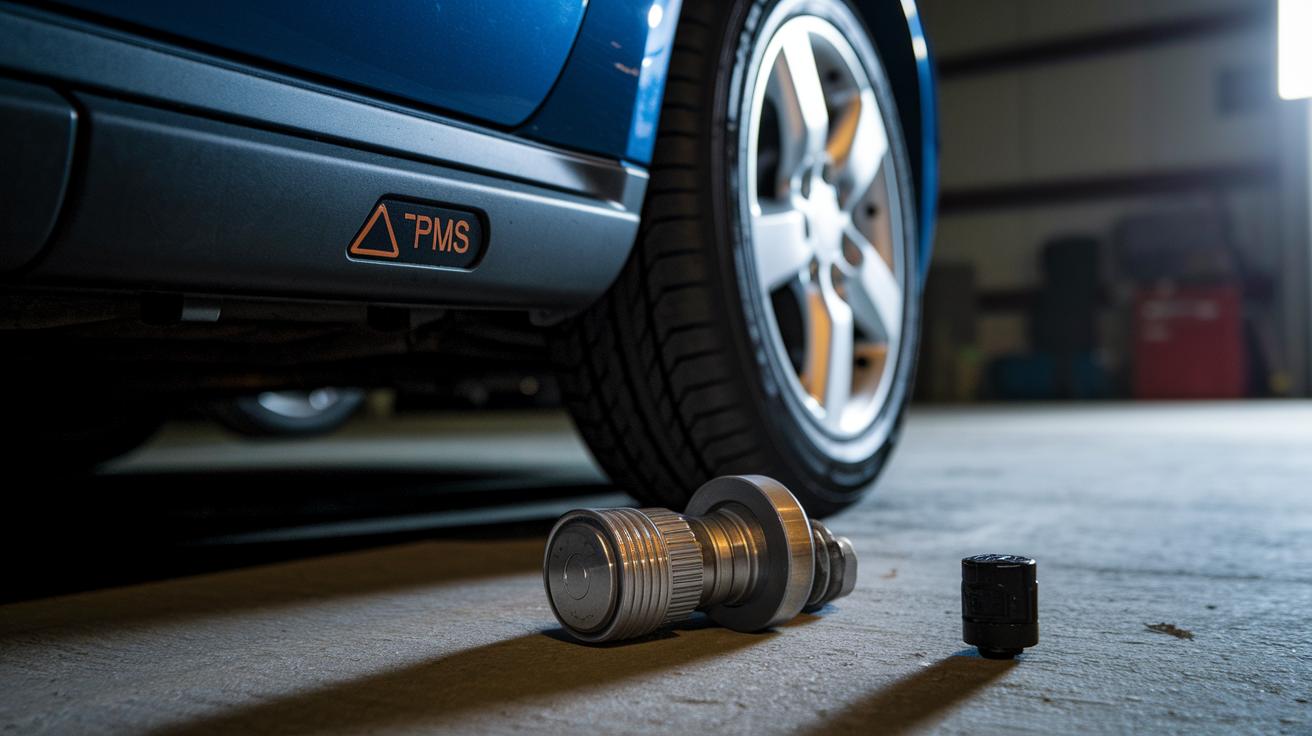
Direct TPMS sensors have a built-in pressure detector in each tire that instantly tells you if the tire pressure is off. On the other hand, indirect TPMS gets its clues from your car's ABS system and the way your wheels are turning. Direct systems tend to give clear, accurate readings so you know right away if something's not right with your tire pressure.
Many of the original equipment sensors come with a sealed battery inside. When that battery runs out, you need to replace the whole sensor. But with aftermarket direct sensors, you can often change just the battery. This lets you easily swap the cell and reset the system with the right tools, meaning upkeep can be easier and cheaper.
| Sensor Type | Battery Configuration | Replaceable? | Notes |
|---|---|---|---|
| Direct, Sealed OE | Built-in | No | You must replace the entire sensor. |
| Direct, Aftermarket | User-swapable | Yes | You swap the cell and do a quick reset. |
| Indirect (ABS) | No cell | N/A | This system relies on wheel speed information. |
Choosing which sensor type to use can affect your future costs. Sensors with sealed batteries need to be completely replaced when the battery dies, and that can cost more in the long run. But if you pick a sensor with a replaceable battery, even though you might have to calibrate it after the swap, you could save money by just replacing the cell. In truth, picking the right sensor not only eases maintenance but also helps you take care of your tires more simply over the many miles ahead.
Recognizing Signs of a Failing Tire Sensor Battery
Sometimes your dashboard might keep showing tire warning lights even after you've fixed your tire pressure. You know how it is when the tire pressure numbers bounce around unexpectedly? That could mean the sensor battery (the little power source for your tire sensor) is running low. It's like trying to listen to your favorite song on a radio that keeps losing signal.
Another clue is when the sensor starts giving delayed or no tire pressure updates at all. This happens because the battery is fading, causing a drop in voltage (a quick fall in electrical pressure). Your car's onboard system can even catch these voltage drops and warn you that the sensor might fail soon. If you see these signs, it's a smart idea to check the sensor right away to avoid any future tire pressure problems.
Step-by-Step TPMS Sensor Battery Replacement Guide
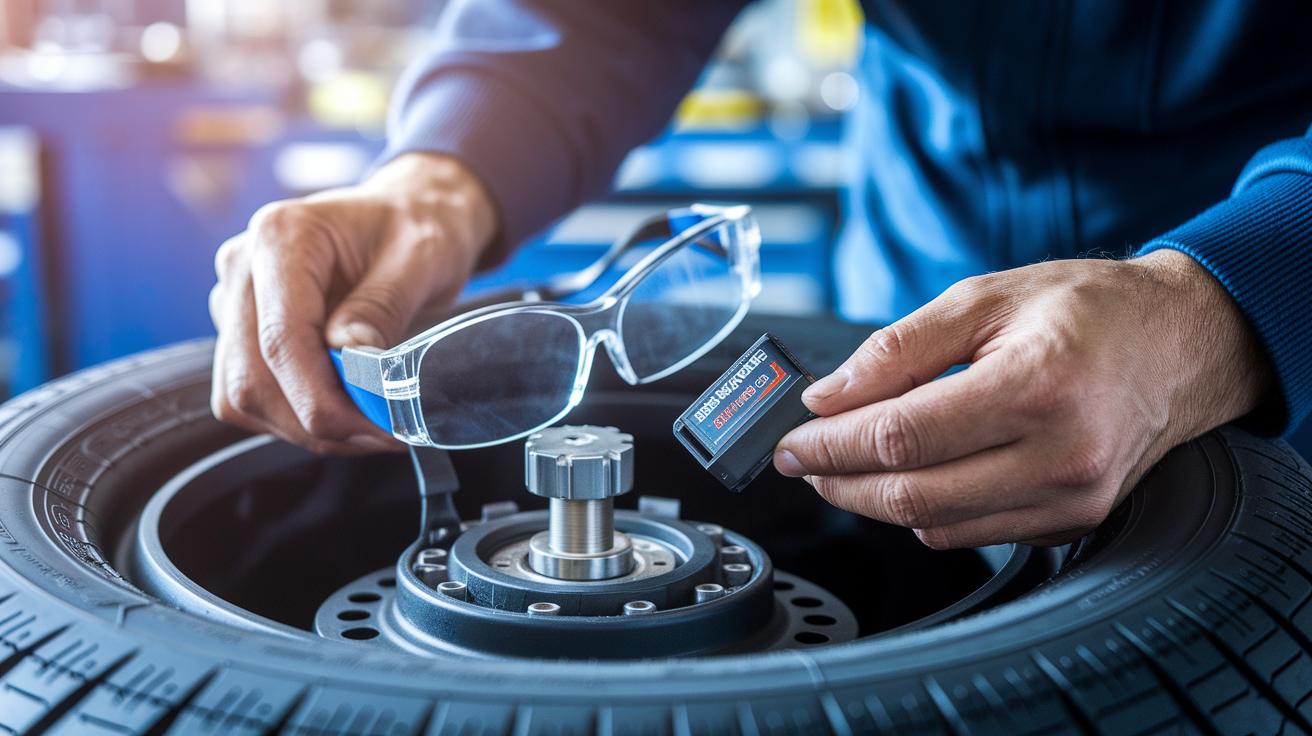
First, get all your tools ready. You'll need a valve-core tool (to deflate the tire and remove the valve-core), some safety glasses to protect your eyes, and a tool to open the sensor housing. Having these on hand makes everything safer and a lot simpler.
Start by deflating the tire and carefully taking out the valve-core. Next, loosen the tire bead so you can remove the tire from the rim. Then, open the sensor housing by following the manufacturer’s instructions. If your sensor lets you replace the battery, you'll see the CR2032 cell waiting inside.
Now, swap in your new battery, making sure you put it in the right way with the positive and negative sides aligned correctly. Once that's done, reseal the sensor housing, put the tire back on the rim, and inflate it to the proper PSI.
Lastly, use a TPMS reset tool or follow your vehicle's relearn process to recalibrate the system. After all these steps, double-check that the sensor is talking properly to your car's computer. A quick test drive is a smart idea to confirm everything works right. And remember, keep an eye out for any extra instructions from your car's manual or sensor maker so that your readings stay spot on.
Ensuring Safety and Proper Calibration After Battery Swap
Before you start, put on your gloves and eye goggles. It’s a good idea to ground the sensor module so static electricity won’t hurt the electronics.
Once the battery is changed, follow the maker’s guide or use a tool to reset the sensor (this means the sensor adjusts to the new battery). Then, take a short drive for about 10 to 15 minutes until the dashboard shows a "sensor learned" message, confirming that everything is set and working just right.
Cost Insights and Choosing the Right Battery or Sensor
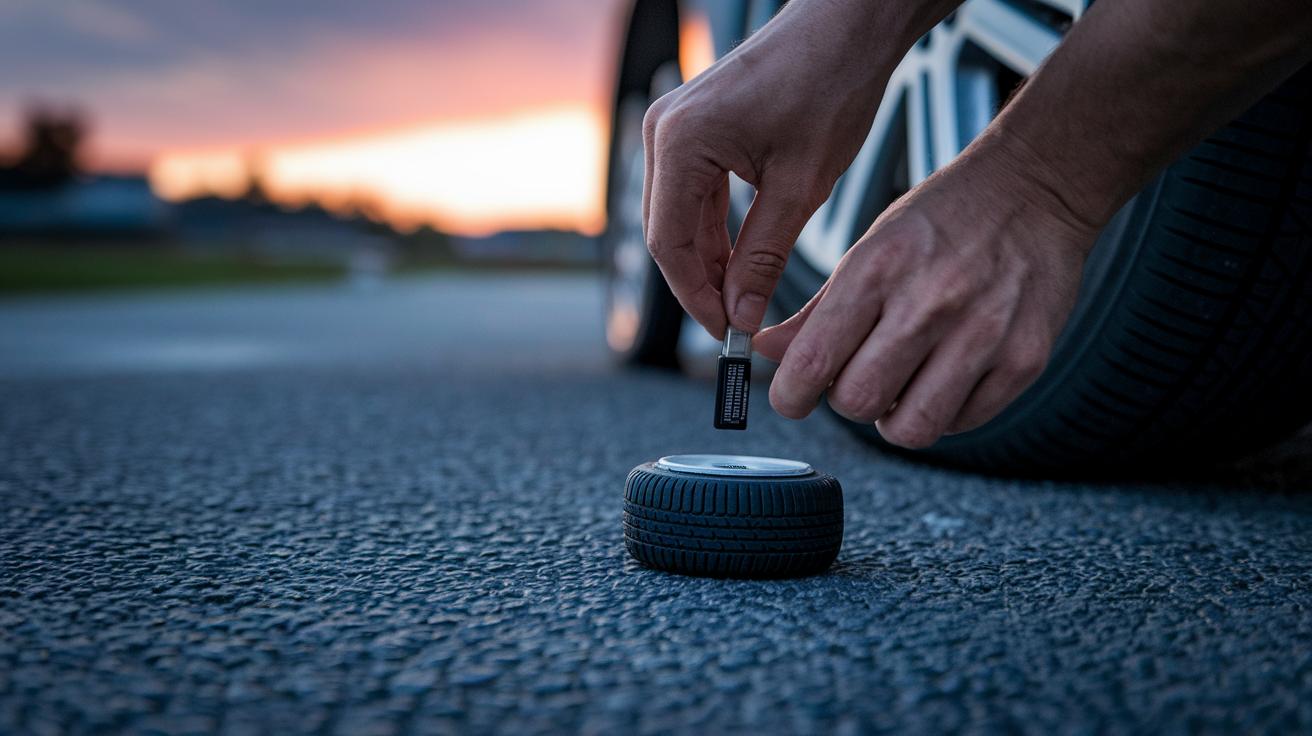
Sealed OEM sensors need to be replaced entirely when the battery dies, which can cost nearly twice as much as just swapping out a battery cell. Imagine paying close to $40 for a whole sensor when a simple battery swap might only be around $10. This cost difference can really add up if you're on the road a lot or if your batteries tend to drain more quickly.
On the other hand, aftermarket sensors with user-replaceable batteries offer great long-term savings. With these, you just change out the battery, usually for under $10 each time. High-quality replacement cells also help keep your tire pressure readings accurate, ensuring a safer drive. It's a smart choice for many drivers looking to keep repair bills low while staying comfortable and confident on the road.
Final Words
In the action, the blog post broke down the importance of knowing your tire sensor battery life and replacement, from average lifespans to key factors like driving habits and temperature shifts. It also compared sensor types and walked you through swapping out batteries safely.
Proactive checks and proper safety steps can help keep your sensor in tip-top shape. Taking care of your sensors now means a smoother, safer ride later. Happy driving and stay safe out there!
FAQ
What is the cost for tire sensor battery replacement?
The cost for tire sensor battery replacement depends on the sensor type. Aftermarket sensors with replaceable batteries are often budget-friendly, while sealed OEM sensors require a full sensor swap, which is more expensive.
How long do TPMS sensors and their batteries last, including Toyota and Chevy models?
TPMS sensors and their batteries usually last 5–10 years or 60,000–100,000 miles. This applies to Toyota, Chevy, and most other models when used under typical driving conditions.
What happens when a TPMS battery dies?
When a TPMS battery dies, the sensor stops transmitting accurate tire pressure data. This results in persistent warning lights and erratic dashboard readings, meaning it’s time for a sensor check or replacement.
How do you test a TPMS sensor battery?
Testing a TPMS sensor battery means using a scan tool or diagnostic device to check for voltage drops. This method confirms whether the battery is still holding a proper charge for reliable sensor performance.
How often should tire pressure sensors be replaced?
Tire pressure sensors generally need replacement every 5–10 years or after 60,000–100,000 miles. This interval can vary based on driving frequency, weather extremes, and overall sensor quality.
Can you replace just the battery in a TPMS sensor?
Replacing just the battery depends on the sensor design. Many aftermarket sensors allow a cell swap, but most OEM sensors have sealed batteries and require a complete sensor replacement.
Can AutoZone reset a TPMS sensor?
AutoZone can often reset a TPMS sensor using their specialized tools, though availability varies with vehicle models. It’s a good idea to call your local store to confirm if their reset service meets your vehicle’s needs.

