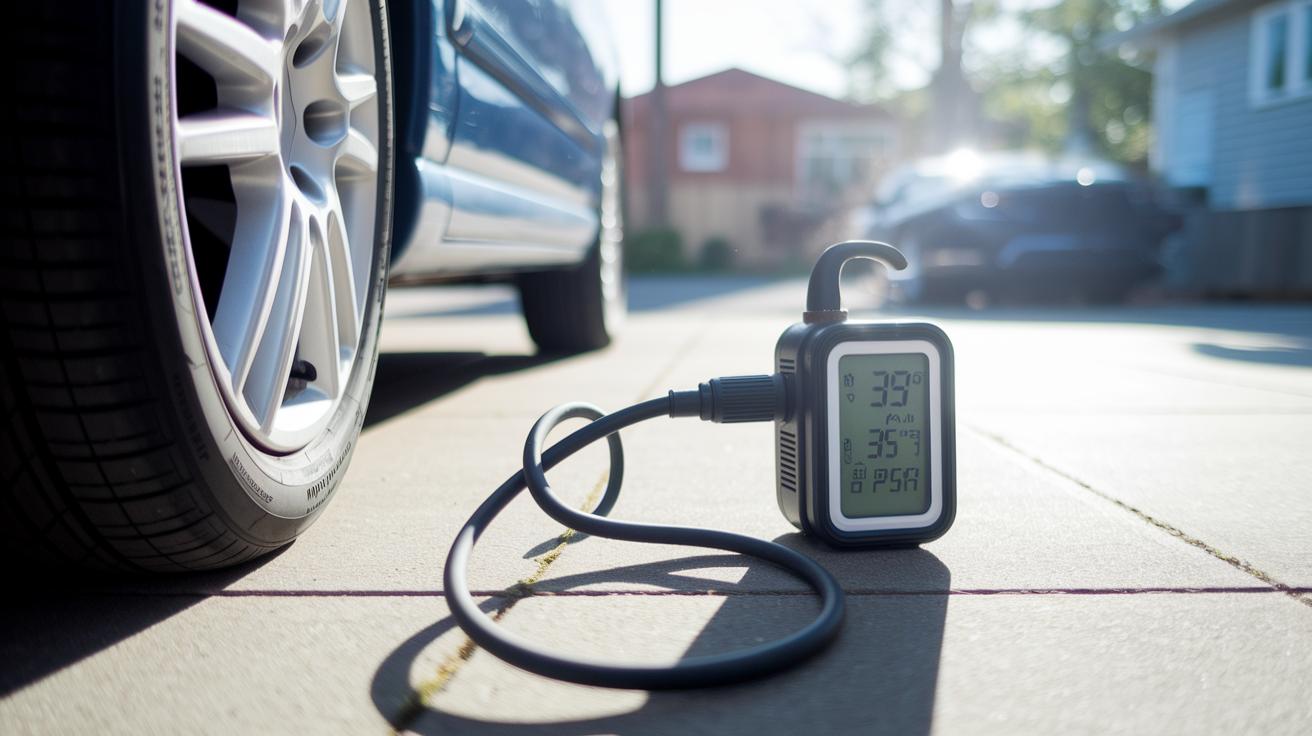


Have you ever been stuck with a flat tire when you really needed to hit the road? A trusty tire pressure pump can save you from waiting forever and get you moving in just minutes.
These pumps come with a clear digital gauge (a small screen that shows tire pressure) and smart shut-off features that stop the pump automatically when you’re done. It’s like having a mini pit stop right in your car.
Our top picks for 2025 are really impressive. They run on battery power and pack extra features to keep tire care simple, whether you’re at home or on the go. Even a little pump like this can make a big difference on your drive.
Top Car Tire Pressure Pumps of 2025: Expert Recommendations
We picked these tire pumps after checking for those that quickly and reliably fill your tires. We focused on easy-to-read digital gauges, battery power for when you're on the go, and adapters that fit many tire valves. Some models even come with cool extras like built-in LED lights, drill-style designs, and extra-long hoses. Plus, we liked the ones that automatically stop when the desired tire pressure (PSI) is reached, which helps keep your tires in top shape.
| Model | Power Source | Max PSI | Inflation Time (0→35 psi) | Key Feature |
|---|---|---|---|---|
| Slime Cordless Tire Inflator | Rechargeable lithium-ion battery | 120 | ~5 min | Built-in LED flashlight and dual adapters |
| Avid Power 20V Cordless | 20V battery | 150 | ~4 min | Drill-style design with auto shut-off |
| Fanttik X8 Apex | Lithium-ion battery | 120 | ~5 min | 18-inch rubber hose and USB-C charging |
| DeWalt 20V MAX | 20V battery/12V DC | 160 | ~3 min | Dual-screen display with tapered nozzles |
| Milwaukee M18 | Battery-only | 150 | ~4 min | Fast fill with hose attachment storage |
| Viair 88P | 12V DC | 175 | <7 min | Fastest inflator for trucks and SUVs |
These pumps work well in different setups. Whether you’re at home getting ready for the day, off to a tailgate party, or needing a quick fix on the side of the road, there’s a pump here that fits what you need. The Slime and Avid Power models are super portable and easy to use, while the sturdy builds of DeWalt and Milwaukee are great when you need something you can really count on. And if you drive a bigger vehicle, the Viair 88P is your go-to for a fast, hassle-free tire fill-up.
How to Operate Your Car Tire Pressure Pump Safely
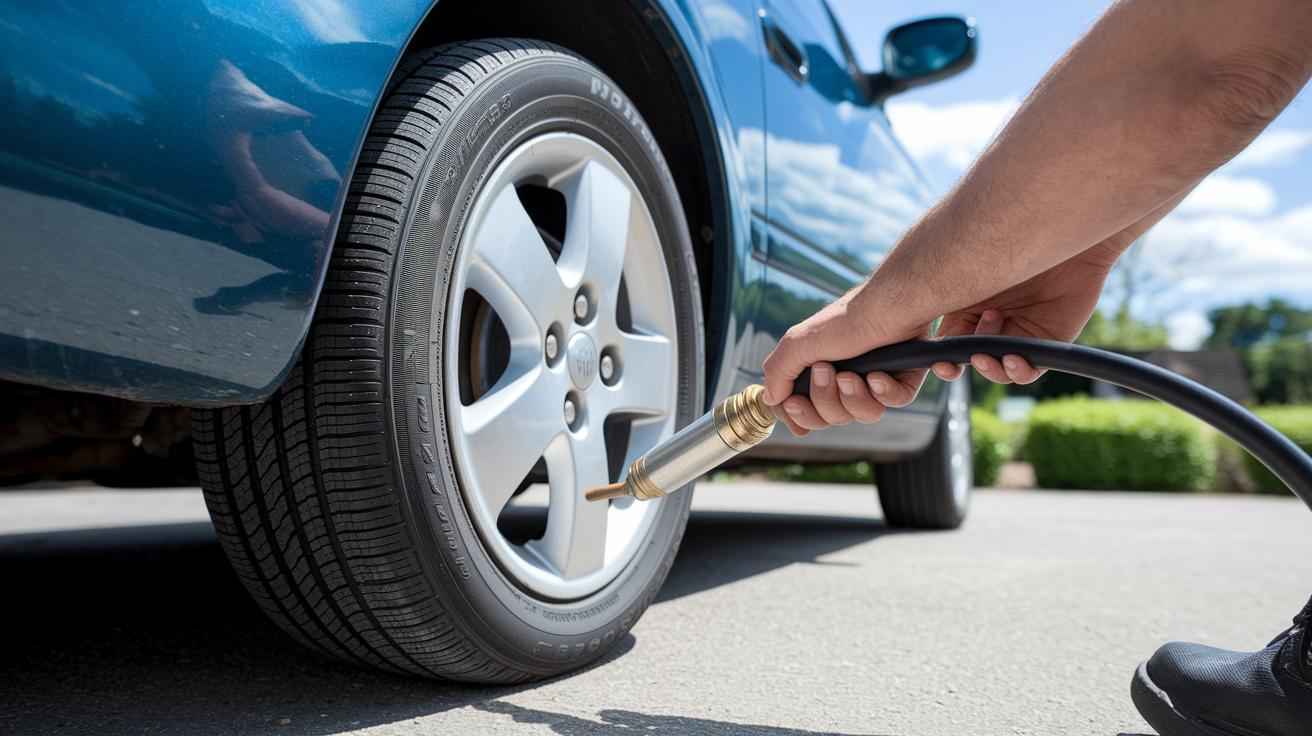
Using your tire pressure pump is a breeze if you follow a few basic steps. First, check your car’s placard or manual to know the right tire pressure, which is usually between 25 and 35 psi (that’s the measure of air your tire needs). Think of it as checking your fuel gauge before a long drive.
- Start by looking at your car’s placard or manual to learn the proper tire pressure. It’s like getting your bearings before you set off.
- Charge the pump fully before you use it for the first time. A fully charged pump fills your tire consistently without having to pause in the middle.
- Connect the hose snugly to the tire’s valve (known as a Schrader valve, the small valve on your tire). A tight, leak-free fit keeps the air right where it’s needed.
- Set the desired pressure on the digital gauge. The pump will automatically stop when your tire hits the correct PSI.
- With your engine off, let the pump run until it shuts off on its own. Then, carefully remove the hose and check your tire pressure to be sure.
- Finally, put the pump away in a cool, dry spot and coil the hose neatly so it’s ready when you need it next.
Taking a few extra moments to double-check everything can save you from any unexpected mishaps later on. Always make sure your tire pressure is spot on before you hit the road.
Key Features of Car Tire Pressure Pumps Explained
Digital displays on these pumps work like a trusty co-pilot, making sure your pressure readings are clear and easy to understand. Many of them show numbers that are spot on within about ±1.5 psi, so you can hit your target without worrying about overdoing it. Models like the Avid Power and AstroAI even have an auto shut-off feature that stops the pump once your tire has the perfect pressure.
Figuring out which power source fits best might seem tricky at first, but it's all about what works for you. Some pumps run on lithium-ion batteries, known for their steady performance, while others use a 20V battery pack or even a 12V DC connector. So whether you're at home, in your garage, or out on a road trip, you'll always have a pump that suits your needs.
Another great thing is the range of adapters and hose options that come with these pumps. They include multiple attachments for tires, balls, and even Presta valves (small valves for bike tires). This variety gives you the ultimate flexibility, ensuring you're ready for any quick fill-up when you need it most.
Maintenance and Troubleshooting for Your Car Tire Pressure Pump
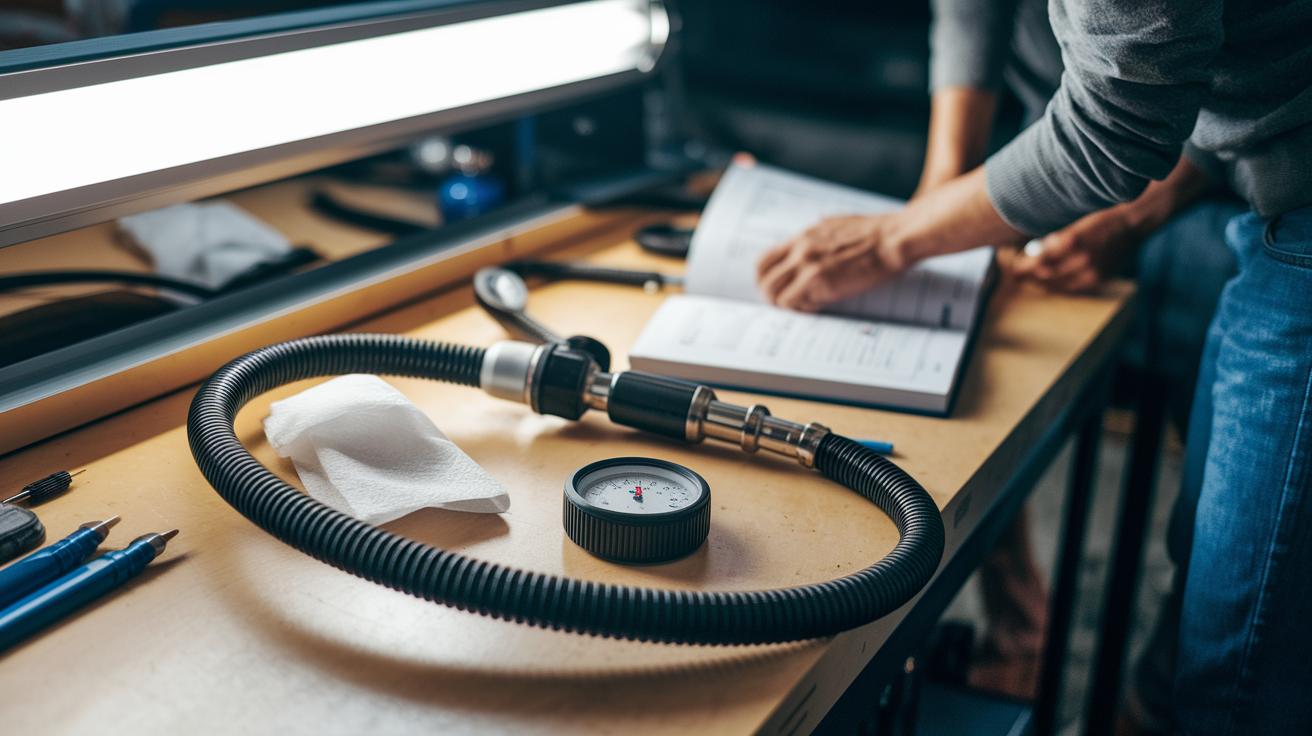
After each use, take a minute to clean your pump. Wipe the hose and connectors to brush off any dirt and moisture. Then, give it a quick once-over for cracks or other small damage (even little flaws can affect how well it works). And if you aren’t using it often, remember to charge it every three months. It’s like a little check before a long drive, simple work now saves you from hassle later.
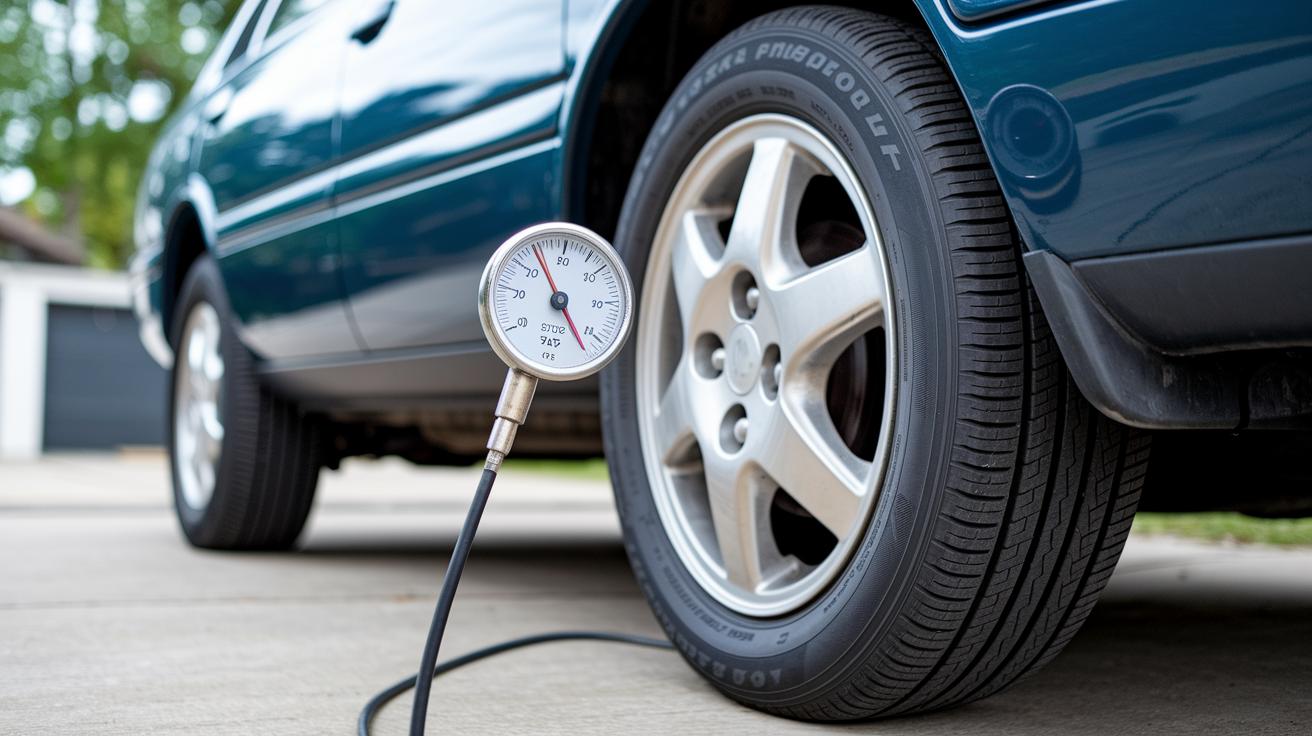
Get your digital gauge checked once a year, or anytime you notice it acting off. A true reading helps you set your tire pressure just right. When the gauge is off, you might end up with underinflated or overinflated tires, which neither gives you a smooth ride. Think of tuning up your gauge as giving your pump a friendly tune-up, so every run is spot on.
If the pump won’t start, first check the battery level. For 12V models, look at the fuse too. If the inflation feels slow, make sure the battery pack is charged or try switching to the DC input. And if it stops too early, set the target pressure again and test it. These quick fixes can help you get back on the road in no time. For more ideas, check out these DIY tire repair tips for minor punctures.
Where to Purchase Your Car Tire Pressure Pump
Online marketplaces have a wide range of pumps from trusted names like Slime, DeWalt, and AstroAI. You can easily check out different features, prices, and reviews to make sure you pick the one that suits your ride best. It's like browsing a friendly shop right from your cozy couch.
Auto parts stores such as AutoZone and O'Reilly are also great stops. They offer 12V inflators (pumps that run on your car’s battery) and battery-powered units. The best part? You can chat with knowledgeable staff, try out the equipment, and get advice on which pump is perfect for your vehicle.
Big-box retailers like Home Depot and Walmart carry several models, including options from Craftsman and Ryobi. They often have competitive deals and seasonal discounts. Plus, you get to grab your pump straight away, sometimes with extra warranty benefits.
For those who need something a bit tougher, specialty off-road shops are worth a visit. They typically stock heavy-duty compressors like Viair models. And if you need to check things like warranties or return policies, visiting your local car servicing center near me can give you the added help before you commit.
Car Tire Pressure Pump: Frequently Asked Questions
Should I Charge the Pump Before First Use?
Yes, you should fully charge your pump following the manufacturer's directions. This lets the sensor tune itself and gives you a steady start, much like fueling up before a long drive.
Can I Run the Inflator With the Engine On?
It’s best to run the pump while your engine is off so you don’t drain your battery. Some 12V models might let you use it with the engine running, but keeping the engine off ensures all the power goes into inflating your tires.
What PSI Should I Set For My Tires?
Check your car’s placard or manual for the right tire pressure, which is usually between 30 and 35 psi for most cars. This helps your tires work well under different road conditions, keeping your ride safe and smooth.
Why Does My Pump Shut Off Too Soon?
If your pump stops too quickly, it might be due to a low battery, a loose hose, or a need to recalibrate the gauge (this means adjusting the sensor so it reads correctly). If you’ve tried these fixes and it still shuts off early, take a closer look at the sensor.
How Should I Store the Pump Between Uses?
Keep your pump in a cool, dry spot when you’re not using it. Coil the hose and pack the adapters safely, similar to how you’d carefully store your favorite travel gear for the next road trip.
Final Words
In the action, we covered the best models, safe operation steps, helpful features, routine care, and purchasing tips for your tire tools. We broke down each part into easy steps so you can feel confident using your pump. This guide shares clear tips to boost your safety and keep your ride smooth every time. Enjoy the peace of mind that comes with knowing you have a reliable car tire pressure pump by your side.
FAQ
Should I Charge the Pump Before First Use?
Charging the pump before first use is recommended because doing so powers up the battery fully and ensures smooth performance when you inflate your tires.
Can I Run the Inflator With the Engine On?
Running the inflator with the engine on can drain your battery unexpectedly. It’s best to keep the engine off during use to help the pump perform reliably.
What PSI Should I Set for My Tires?
The PSI you set should match your vehicle’s placard recommendation, usually around 30–35 psi for most passenger cars, to help maintain tire performance and safety.
Why Does My Pump Shut Off Too Soon?
If your pump stops early, it may have reached the preset pressure. It could also signal a low battery, a leak, or a calibration issue with the gauge.
How Should I Store the Pump Between Uses?
Storing the pump in a dry, cool spot and coiling the hose neatly will protect it and keep it ready for the next use while maintaining its accuracy.

