

Ever thought about whether your tires can handle any kind of weather? Allseason tires are built to help keep you safe no matter if it's raining, sunny, or even snowy outside.
Today, we're taking a closer look at a few top tire models. They can help cut down stopping distances, adjust their grip as the weather changes (think of it like having a tire that adapts to wet roads or dry stretches), and even improve your gas mileage.
Every tire brings its own special benefits. In truth, picking the right tire is key to a smoother, safer ride.
Comparative Overview of Leading All-Season Tires
Michelin CrossClimate2 stands out with its clever V-Formation directional tread and a Thermal Adaptive compound (a special mix that helps the tire stop faster). This design helps cut stopping distances by up to 56 feet compared to four other models. Prices range from $137 to $420 per tire, which puts it in the premium category but makes up for it with top-notch braking.
Goodyear Assurance WeatherReady uses Weather Reactive Technology to adjust its grip in changing weather. Its evolving traction grooves and 3D TredLock Technology (features that help the tire hold the road in rain or shine) give it a dependable performance. With a 96% satisfaction rate over 13 million miles, these tires are well-loved. You can find them priced from $164 to $285 per tire, with a newer series ranging from $183 to $443. For more details, check out goodyear all season tires.
Continental PureContact LS comes equipped with EcoPlus technology, which not only helps improve fuel economy but also shortens stopping distances and boosts side grip on dry roads. Starting at $199 for a popular size like 245/45R17, this tire is a balanced pick for everyday driving.
Pirelli Cinturato All Season SF3 features adaptive 3D sipes (small cuts in the tire that adjust as it wears) that help maintain grip on wet roads, achieving a braking distance of 25.14 meters. It sells in sets for about €710 for 16 to 20-inch sizes, making it a standout choice with precise engineering.
Vredestein Quatrac Pro gets high marks with a 94% recommendation based on 26 million miles. Its asymmetric tread design helps it earn a wet performance score of 9.1, and it’s competitively priced between $161 and $272.
Each tire brings its own strengths to the table. Whether you’re looking for shorter stopping distances, improved fuel economy, or reliable grip in all kinds of weather, there’s an option here that can help make every ride a bit safer and more comfortable.
Performance Comparison of All-Season Tires in Wet, Dry, and Light Snow
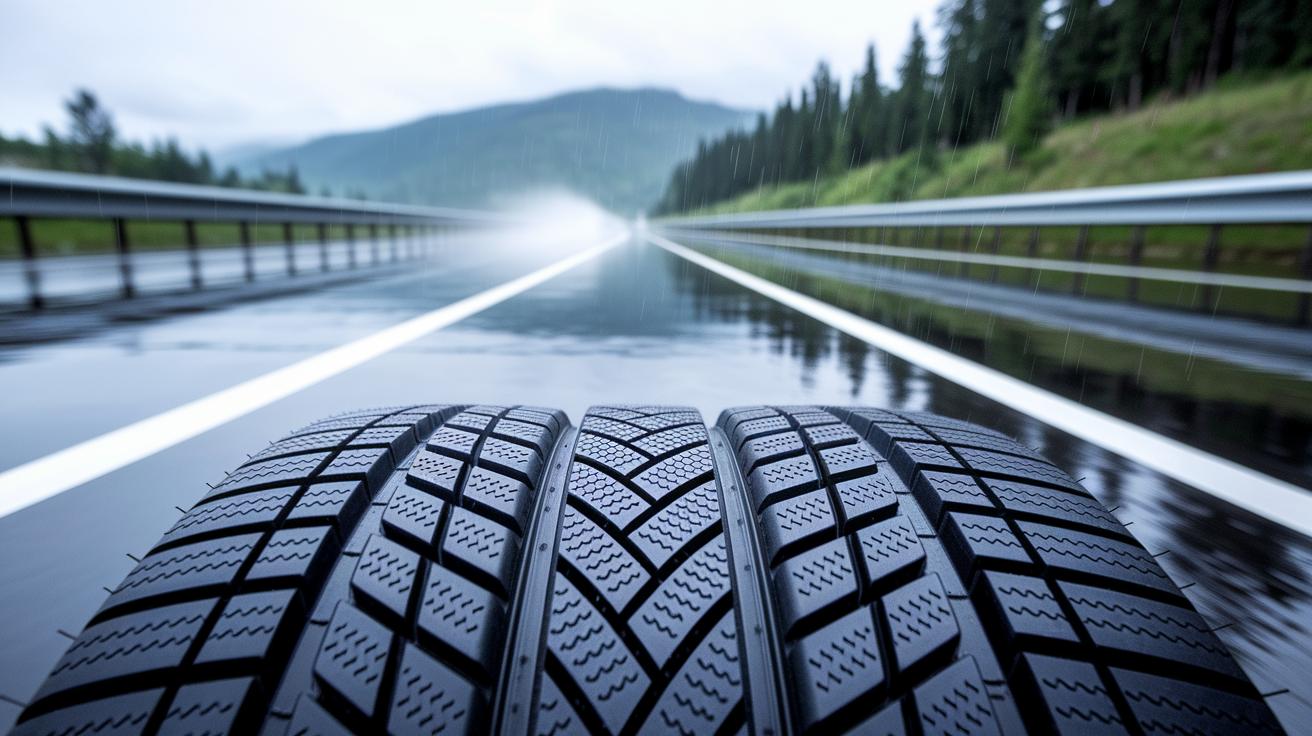
All-season tires are made to perform on many types of roads. Tests show that some tires really shine when you need to stop quickly on wet pavement, offer a steady grip on dry roads, and even handle light snow with ease. For example, the Michelin CrossClimate2 has a special design that helps prevent hydroplaning (when a layer of water makes the tires lose contact with the road) and can cut wet stopping distances by up to 56 feet. In the same way, the Goodyear WeatherReady features evolving grooves that quickly push water away, keeping you feeling safe during a downpour.
Then there’s the Vredestein Quatrac Pro, which earns a wet traction score of 9.1 out of 10, meaning it grips the road exceptionally well when things get slick. Nokian SeasonProof impresses with a snow braking score of 99.43%, so it’s great when you’re driving on light snow-covered roads. And let’s not forget the Hankook Kinergy 4S2, known for its perfect resistance to aquaplaning (when water makes you lose control) along with solid dry performance. Finally, the Bridgestone QuietTrack scores 8.7 in wet conditions while its dry handling score goes over 9, showing its all-around reliability.
| Tire Model | Key Performance Points |
|---|---|
| Michelin CrossClimate2 | Superior hydroplaning resistance with up to 56 ft shorter stop on wet asphalt |
| Goodyear WeatherReady | Evolving grooves quickly push water away for a secure ride in the rain |
| Vredestein Quatrac Pro | Excellent wet traction with a rating of 9.1/10 |
| Nokian SeasonProof | Outstanding snow braking score of 99.43% for light snow conditions |
| Hankook Kinergy 4S2 | Complete aquaplaning resistance paired with strong dry handling |
| Bridgestone QuietTrack | Reliable with an 8.7 wet score and dry handling rating above 9 |
All-Season Tire Durability and Tread Wear Evaluation
When you hit the road, your tires need to be ready for everyday driving. Most all-season tires keep up well, often lasting between 60,000 and 80,000 miles (that means the part of the tire that touches the road wears out within that range). Take the Bridgestone QuietTrack, for example, it comes with an 80,000-mile warranty, giving you a little extra peace of mind on long trips.
Then there’s the Continental PureContact LS, which uses EcoPlus technology (it’s a special design that helps the tire last longer and can even save you some fuel). And if you’re looking at the Michelin CrossClimate2, it’s made with a compound designed to stay stable and strong so you can keep driving safely for a long time.
Performance all-season tires often provide better grip and handling but sometimes don’t last as long as the more durable ones. So, if you are on the road a lot or just want a tire that can go the distance, these details can really help you pick the right tire for your ride.
| Tire Model | Mileage Warranty | Estimated Tread Life |
|---|---|---|
| Standard All-Season Tires | N/A | 60,000–80,000 miles |
| Bridgestone QuietTrack | 80,000-mile warranty | 60,000–80,000 miles |
| Continental PureContact LS | N/A | Extended due to EcoPlus technology |
| Michelin CrossClimate2 | N/A | Engineered for long-term stability |
Price vs. Performance in All-Season Tire Comparisons
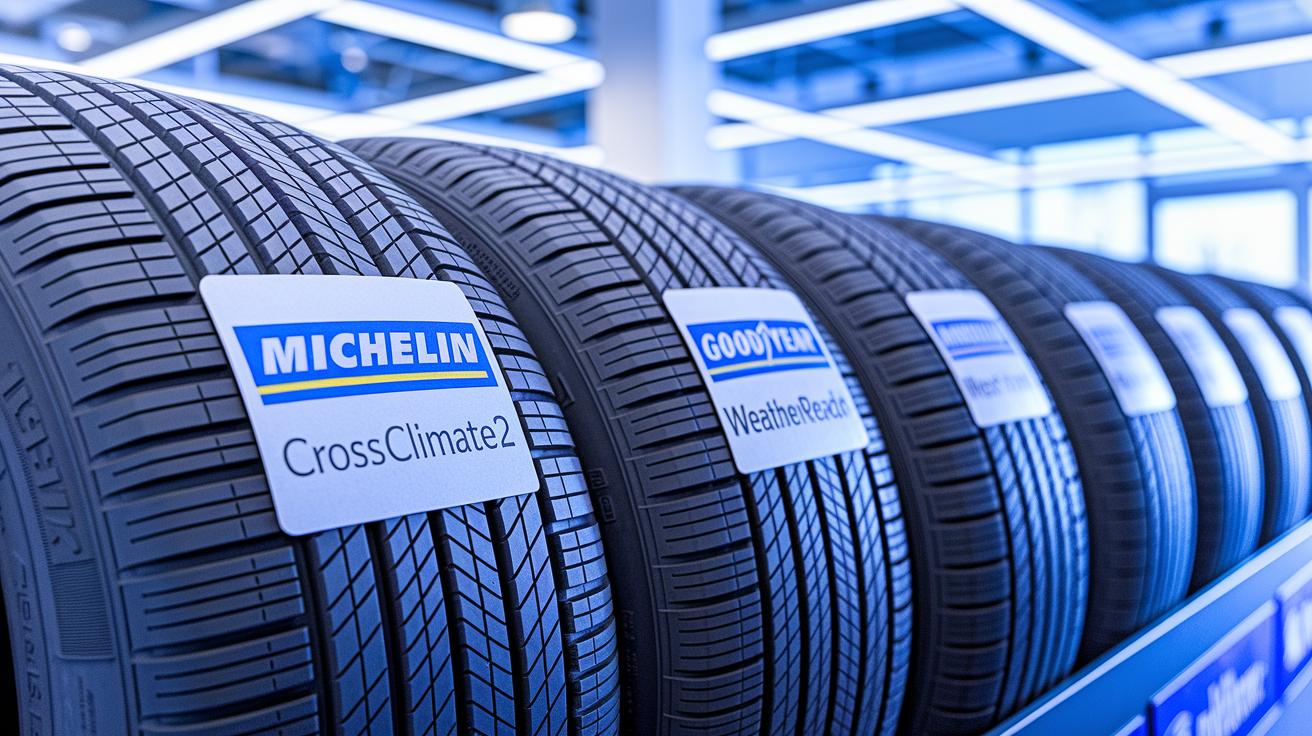
This overview gives you a friendly snapshot of our in-depth tire reviews. We looked closely at each model and added new details for options like the Hankook Kinergy 4S2 and Bridgestone QuietTrack, which we hadn't covered before.
| Tire Model | Price Range | Key Performance |
|---|---|---|
| Michelin CrossClimate2 | $137–$420 | Offers premium performance for safe, confident stops |
| Goodyear WeatherReady | $164–$285 | Handles well in various weather conditions |
| Hankook Kinergy 4S2 | $84.99–$181 | Known for award-winning resistance to aquaplaning (when water makes a tire slide) |
| Bridgestone QuietTrack | $133–$298 | Engineered for a much quieter ride |
| Vredestein Quatrac Pro | $161–$272 | Delivers reliable wet traction with balanced handling |
This clear comparison lays out how each tire stacks up in cost and performance. It helps you easily match your budget with the features that matter most to you on every drive.
User and Expert Ratings in All-Season Tire Comparisons
Drivers and experts agree these tires perform reliably. Many users of the WeatherReady mention they’re very happy (a 96% satisfaction rate) because it holds a steady grip whether the road is dry or drizzly. One driver shared, "Before a heavy downpour, I felt safe knowing the WeatherReady kept a strong hold, easing my worries about slick roads."
The Quatrac Pro gets a 94% thumbs-up from drivers who enjoy its agile handling in wet conditions. Experts praise its quick grip, which gives you extra confidence on twisty roads during light showers.
Fans of the QuietTrack love how quiet it is. It nearly mutes the usual highway sounds, making long trips feel a lot more relaxing. One reviewer said, "The soft hum of the QuietTrack turned a rainy drive into something almost serene, setting it apart from other options."
Budget-minded drivers find the Kinergy 4S2 to be a win. Both user feedback and expert tests show it handles well and resists aquaplaning (when water on the road makes you lose control). It’s like finding a tire that perfectly balances cost and performance, leaving you feeling safe even on surprise wet roads.
The CrossClimate2 stays at the top of expert lists, with everyday drivers saying it’s comfortable and reliable no matter the weather. Experts see its steady performance as a mark of true quality, and drivers feel the difference each time they hit the road.
Selecting the Right All-Season Tire: A Model-Specific Guide
Finding the perfect all-season tire is a bit like picking the right shoes for the weather. You want a tire that handles wet roads and light snow well, think of wet braking (how quickly a tire can stop on wet roads) and a good grip in light snow. If you live in an area with heavy rain and just a little snow, a tire that moves water away quickly might be just what you need.
Also, keep in mind your vehicle type. A car and an SUV are different animals, so their tire load (the weight they carry) and speed ratings can be different too. Always double-check these details to make sure your tire fits just right. And if you’re a daily commuter or someone who loves a bit of spirited driving, the tire’s performance in both wet and dry conditions can really change your driving experience.
Driving Condition Matching
Start by writing down the kind of weather you see most. If rainy storms are a regular issue, go for tires that excel in wet braking. For light snow, look for tires with a design that gives reliable snow traction (how well the tire sticks to snowy roads). Matching your tire to your local weather is a simple way to boost both safety and performance.
Budget vs. Premium Trade-Offs
It often comes down to what matters more to you. Budget-friendly tires usually deliver solid everyday performance and last a long time, while premium tires might offer extra features like smoother handling or a quieter ride. These extra benefits can even save you money over the long run by reducing maintenance costs. Compare the price at first with how long the tire will last and how well it performs, and then decide if spending a little more up front is worth the extra benefits for your drive.
Final Words
In the action of our overview, we covered everything, from side-by-side stats on key tire models to how wet, dry, and light-snow tests shape results. We explored how tread wear and durability, along with price versus performance, affect your options.
We also shared real user and expert ratings along with tips on matching tire strengths to your car and driving needs. All-season tire comparisons guide you toward smart choices so you can drive with safe, steady confidence.
FAQ
Frequently Asked Questions
What are the best all-season tires for SUVs?
The best all-season tires for SUVs offer reliable grip in wet, dry, and light snow conditions, solid durability, and excellent user satisfaction ratings, making them a trusted choice for many SUV drivers.
How do Michelin all-season tire comparisons measure up?
Michelin all-season tires, such as the Michelin CrossClimate2, show strong wet braking and balanced performance across different surfaces, backed by rigorous tests and positive consumer feedback.
What defines ultra high performance all-season tires?
Ultra high performance all-season tires provide enhanced grip, responsive handling, and quicker braking in various road conditions, making them ideal for drivers seeking dynamic performance.
Which models are considered the best all-season tires for 2025?
The best all-season tires for 2025 include models that excel in test performance, durability, and safety under mixed weather conditions, earning high marks from users and experts alike.
What do Consumer Reports say about the best all-season tires?
Consumer Reports praises top all-season tires for their consistent track records in safety, longevity, and performance under wet and dry conditions, offering a dependable option for everyday driving.
How do all weather tires differ from all-season tires?
All weather tires enhance standard all-season designs by offering improved traction in harsh winter conditions, especially on snow and ice, while still maintaining solid performance in wet and dry environments.
What information does a tire brand ratings chart provide?
A tire brand ratings chart displays key performance numbers, durability, and user satisfaction scores side by side, helping you compare models quickly to find the best value for your needs.
Which all-season tires work best for snow in SUVs?
All-season tires designed for snow in SUVs deliver improved grip on snowy and icy roads with enhanced traction technology, balanced with safety features that ensure stable handling.
What is better, LT or P rated tires?
LT rated tires are often better suited for heavier vehicles like trucks and SUVs due to their higher load capacity, whereas P rated tires target passenger cars with a focus on comfort and handling.
How does the Pirelli Cinturato Weatheractive compare?
The Pirelli Cinturato Weatheractive stands out for its advanced grip technologies and adaptive design, offering solid performance in varied weather conditions that many drivers appreciate.
What makes the Michelin CrossClimate2 reliable?
The Michelin CrossClimate2 is reliable because its V-Formation directional tread and thermal adaptive compound contribute to superior hydroplaning resistance and shorter stopping distances on wet roads.
How does the Bridgestone Weatherpeak perform?
The Bridgestone Weatherpeak delivers key benefits such as consistent handling and safety across different weather conditions, allowing drivers to enjoy both dry road stability and improved wet traction.
What does the Pirelli Pzero All Season Plus 3 offer?
The Pirelli Pzero All Season Plus 3 offers adaptive 3D sipes for enhanced wet braking and dry road performance, making it a strong performer under a variety of driving conditions.
What distinguishes the Goodyear Assurance WeatherReady?
The Goodyear Assurance WeatherReady features evolving traction grooves with Weather Reactive Technology, which adapt to changing conditions and deliver high user satisfaction for everyday driving.
How does the Nokian Remedy WRG5 perform?
The Nokian Remedy WRG5 stands out for its steady performance in winter conditions, combining enhanced traction and stability in wet and light snow, making it a reliable choice for colder climates.

