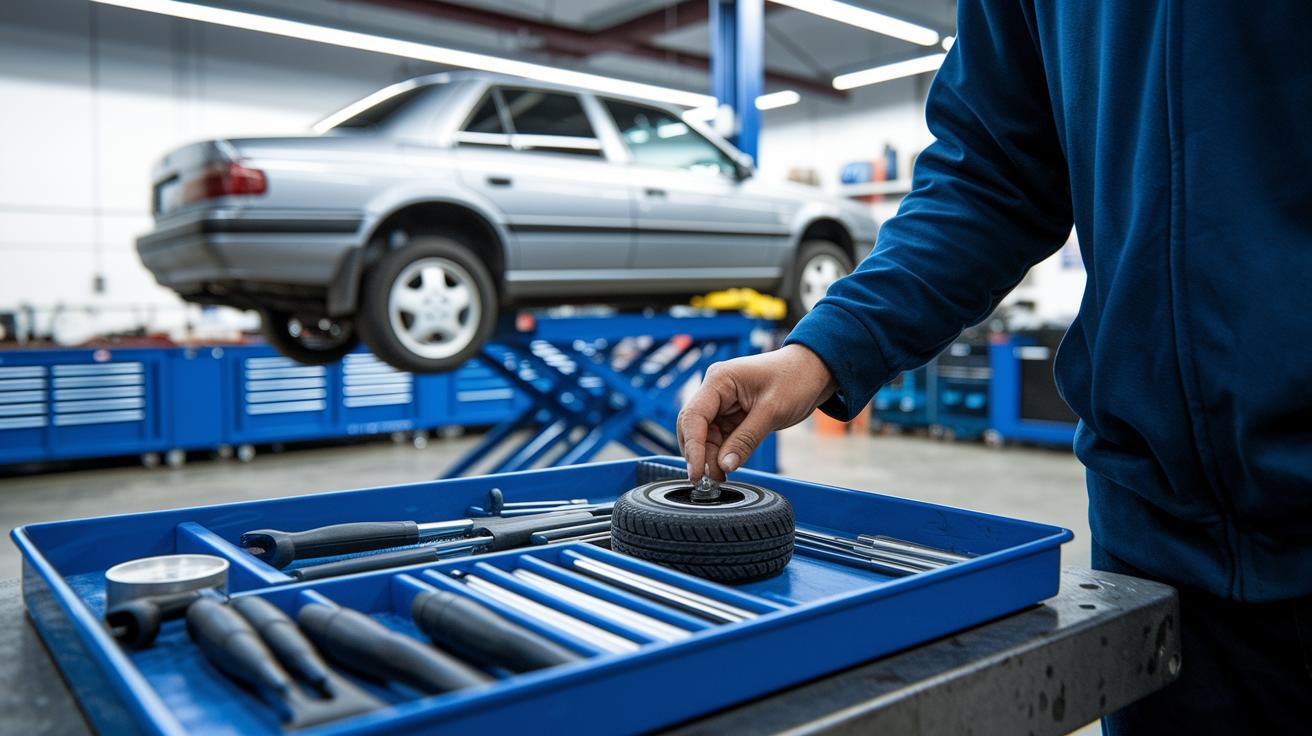


Ever wonder if you really keep an eye on your tires? A smart tire sensor is like a friend who gives you a heads-up about tire pressure and heat (when the tire’s surface gets too warm) before little problems turn big. It might seem tricky at first to pick the right sensor, but once you do, it can make your ride safer and smoother. Think of it as choosing your favorite tool from a trusted kit. In this article, we break things down so you can keep your car stable on every trip.
Essential Factors in Choosing the Right Tire Sensor

Tire sensors are like a friendly helper in your car. They keep an eye on tire pressure and temperature in real time (tire pressure means the amount of air in your tires and temperature is how hot they get), alerting you if something seems off. It’s like having a built-in safety buddy that gives you a heads-up when conditions aren’t right.
When you’re picking a sensor monitor, think about how many tires it can handle. Some work for just 4 tires, while others can cover up to 34. This means you can find one that fits everything from your regular car to a trailer, truck, or even an RV. And yes, the display matters too. A simple LCD gets the job done, but a full-color touchscreen offers clear, quick signals, making it easier to see what’s happening with your tires.
At the end of the day, choosing the right tire sensor is all about making sure it’s easy to use, the system can cover all your wheels, and it shows the tire info clearly and instantly. Imagine checking your tires as simply as glancing at your fuel gauge, quick, simple, and right when you need to know. This mix of convenience and performance makes a tire sensor a must-have for any careful driver.
Comparing Direct and Indirect Tire Sensor Types

Direct sensors stick right onto your tire and give you live updates on things like pressure and temperature (like knowing exactly how well your tire is gripping the road at that moment). On the other hand, indirect sensors work indirectly by using your car’s ABS wheel-speed sensors to guess tire pressure. This approach saves money but isn’t as precise.
| Comparison | Direct Sensors | Indirect Sensors |
|---|---|---|
| Sensor Type | Mounted on the tire’s valve stem or rim so you get exact, real-time numbers | Relies on wheel speed info from the ABS to estimate pressure, so it’s a bit less spot-on |
| Installation Location | Placed inside the tire (done by a pro) or outside if you’re doing it yourself, though the outside option can be risky | Built into your vehicle’s system, which means less hassle during setup |
| Accuracy and Cost | High accuracy but comes at a higher price and might need extra attention now and then | Cheaper and easier to install, yet the numbers it gives aren’t as finely tuned |
Choosing between the two depends on what’s most important to you. If you value precise readings and quick alerts and don’t mind spending a bit more, a direct sensor might be your best bet. But if you’re looking for a simpler, more budget-friendly option, then an indirect sensor could be just right. Think about what matters most on your drive and choose the sensor system that helps you stay safe on the road.
Ensuring Sensor Compatibility with Your Vehicle

When you're checking out tire sensors, it helps to know exactly what your vehicle needs. Cars, trailers, trucks, and RVs all need different sensor setups. Some systems watch just a few tires, while others can keep an eye on as many as 34. The sensor comes with settings you can adjust and a way to pair with your car's system (think of it like matching a key in a lock). This makes sure your readings stay spot-on and your ride is smooth.
Another big thing is making sure the sensor fits just right. The valve stem type (that small bit on the tire where you add air) and the bore diameter (the size of the opening) need to match your vehicle perfectly to seal in the air and give you clear pressure readings. Before you pop on a sensor, double-check that it fits your car’s specs. And if you’re not 100% sure, a quick look at the tire valve maintenance guide should help clear things up.
- Verify the sensor is designed for your vehicle type and tire count.
- Check if the sensor system lets you add more sensors later if you want to upgrade.
- Confirm that the sensor’s pairing method matches your vehicle’s onboard system.
- Inspect the valve stem type and bore diameter (see the tire valve maintenance guide here) for a proper fit.
Evaluating Performance: Accuracy, Range and Battery Life

When you're out on the road in a long-wheelbase vehicle, having real-time, spot-on data is a must. Imagine a sensor that gives you clear readings on things like pressure and temperature right when you need them. Its long range means you’re always in the loop, even when your truck or RV stretches out over a long distance. This constant stream of data helps you keep your tires in top shape and your ride safe.
Now, think about how easy it is to check your tire status. A full-color touchscreen, like the one on the GT80 model, shows you the sensor information quickly and clearly. The graphics and responsive controls make it simple to notice any tire that isn't doing its job. And with models like the solar-powered GT40, you can even charge the device using sunlight, so you’re not stuck worrying about dead sensors or recharging batteries by hand.
Taking good care of your sensor’s battery means it could last anywhere from five to ten years. Just a bit of regular maintenance, keeping it clean and checking for signs of wear, ensures steady performance. With reliable range and long-lasting battery life, these tire sensors are a smart choice for anyone who wants to stay ahead on every journey.
Installation and Calibration Best Practices for Tire Sensors
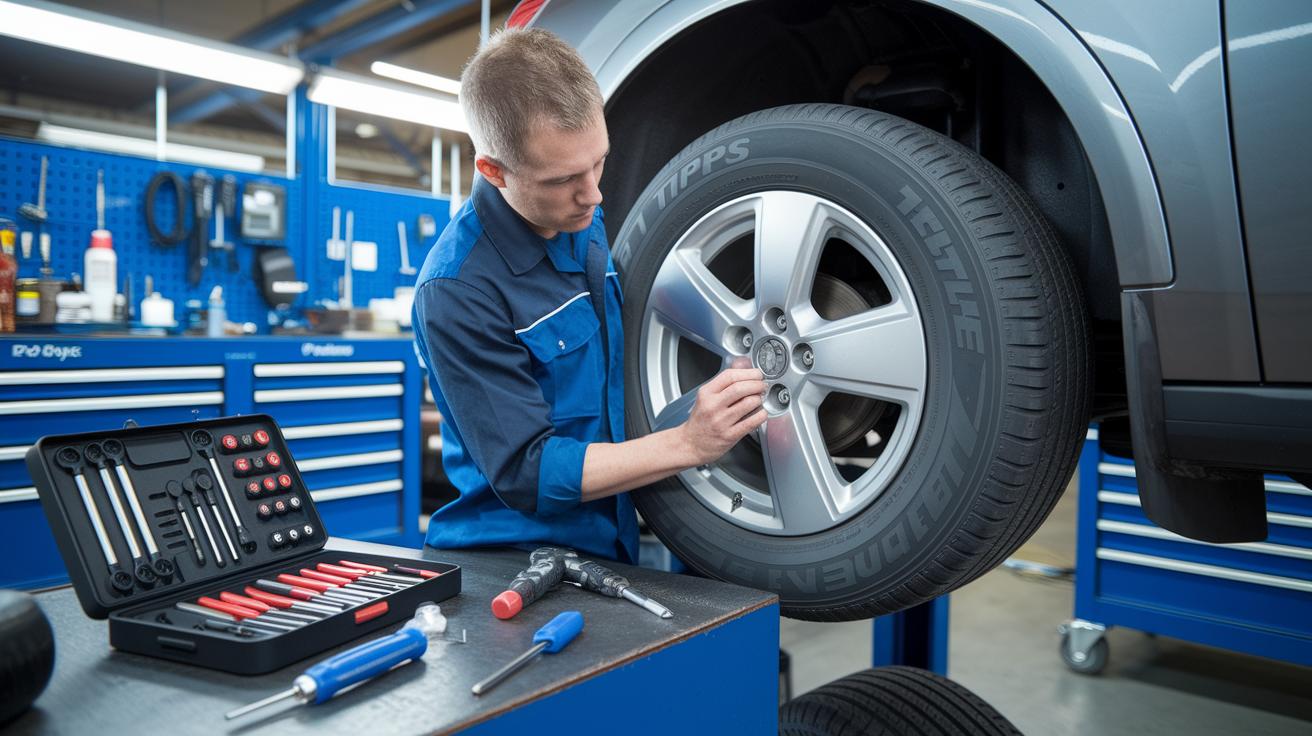
Most TPMS kits come with clear manuals and toolkits that help you get your pressure sensor set up easily. External sensors are great for plug-and-play setups, so if you love a hands-on job, you're in luck. On the flip side, internal sensors might need a bit more work. They can require a tire to be taken off and balanced (that checks how evenly your tire wears) by a technician. So, while external sensors save you time and effort, internal ones can give you more precise readings if they’re set up right. It really comes down to whether you feel comfortable with DIY projects or prefer to schedule a pro.
Calibration is just as important as the installation. You want your tire sensor to talk to your vehicle’s computer correctly, and you can do this by running ignition cycles or using an OBD-II tool (a handy gadget you plug into your car). Some of the newer sensors can even adjust automatically after you inflate your tires, meaning less work for you. If you're looking for extra help with pairing procedures or connecting to your car’s system, check out online guides on smart tire sensor integration. Following these clear steps helps you avoid mistakes and keeps your tire monitoring system running smoothly, so you can enjoy safe and confident drives.
Maintenance and Troubleshooting for Long-Term Sensor Performance
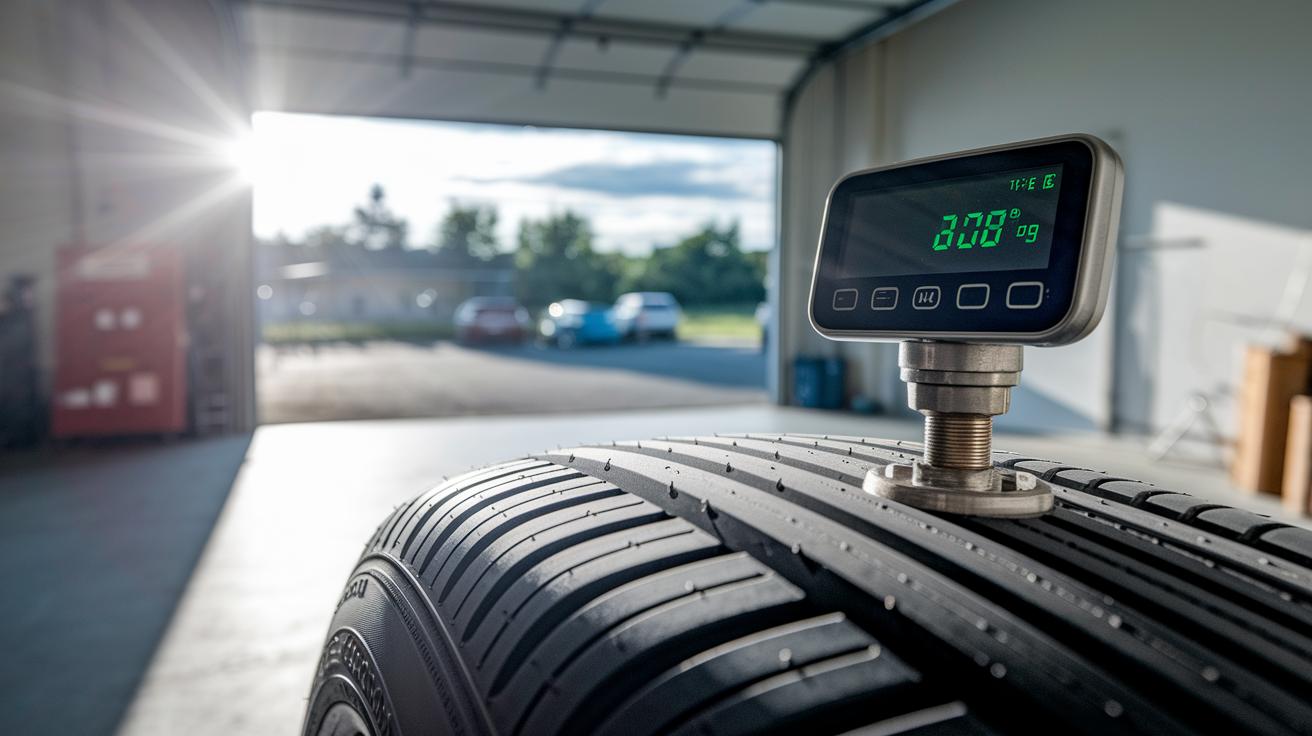
Taking care of your tire sensor is like giving your car a little TLC. Every month, check the tire pressure and look at the valve stem (the small piece where air goes in and out) to catch any small leaks or shifts before they turn into big issues. Think of it as checking your car’s oil level, simple steps that help you avoid surprises later.
If something seems off with your sensor, it’s often due to loose connections, interference from other signals, or a dying battery. When you notice the display acting weird or the readings looking strange, try removing and reinstalling the sensor or see if there is an update for its software. It’s just like a minor tune-up; a small nudge can often get things back on track.
Also, keep your sensor safe from damage and theft. Many sensors now come with built-in features to stop unwanted removal and heavy wear. Plus, with warranties that last about two years, you have a bit of extra peace of mind if any issues pop up early. Regular checks and a ready-to-go troubleshooting mindset mean your sensor is set to keep doing its job for the long haul.
Cost and Top Sensor Models: Making an Informed Purchase

Shopping for tire sensors is all about weighing the price against the benefits. Some sensors come with neat extras like adjustable alert thresholds (that is, you can set your own warning levels) and anti-theft protection. For example, the GT80 system offers a full-color touchscreen and costs about $220, while the GT20 has a simpler gray-screen and is priced around $170. These extra features let you fine-tune your alerts for different driving conditions and offer more security, making them a smart choice if you're looking for extra performance.
Top brands like Brand A Model X, Brand B Model Y, and Brand C Model Z have won praise for being both reliable and easy to use. Many of these sensors even come with a two-year warranty, which gives you peace of mind when it comes to repairs or technical support.
If you're a smart shopper, you'll balance the initial cost with the long-term benefits. Instead of focusing only on the sticker price, think about how responsive and durable the sensor is, this way, you can keep your tire pressure monitoring system running smoothly for every trip.
Final Words
In the action, our discussion covered essential factors that affect tire sensor performance. We talked about real-time readings, direct versus indirect sensors, and proper installation methods to keep your vehicle running safe.
We also looked at maintenance tips and cost comparisons, ensuring you have clear ideas for making the best selection. With this guide, figuring out how to choose the right tire sensor becomes simple and reassuring. Keep moving forward with confidence and care.
FAQ
How do I choose the right tire sensor for my Ford?
Choosing the right tire sensor means checking that the sensor fits your Ford’s specifications and features like real-time alerts, easy installation, and battery life to keep your tires safe and your drive smooth.
What types of TPMS sensors are available and what does TPMS mean?
TPMS stands for Tire Pressure Monitoring System. It includes direct sensors attached to the valve stem and indirect sensors that use ABS data to give you real-time tire pressure and temperature updates.
How do I check TPMS compatibility with my vehicle?
Checking TPMS compatibility means matching sensor specs with your vehicle’s requirements—like valve stem size and pairing protocols—to make sure the sensor provides accurate readings and works safely with your car.
How do I know if a tire pressure sensor is bad?
Determining a bad tire pressure sensor means watching for inconsistent or missing readings and warning alerts. A sensor in good shape always sends clear, consistent data about tire pressure and temperature.
Should I replace all 4 TPMS sensors at once?
Replacing all 4 TPMS sensors at once makes sense when sensors show similar wear, ensuring balanced performance and calibration across your tires for optimal safety and accurate monitoring.
What are the best replacement TPMS sensor options and where can I buy them?
The best replacement TPMS sensors come from trusted brands and sell through retailers like Tire Rack, Discount Tire, Canadian Tire, SimpleTire, Amazon, and Walmart, providing reliable performance and easy availability.


toradol short term therapy limits
toradol short term therapy limits
minoxidil men’s absorption overview
minoxidil men’s absorption overview
Rapid Absorption Concepts
Rapid Absorption Concepts
tadalafil branded products
tadalafil branded products