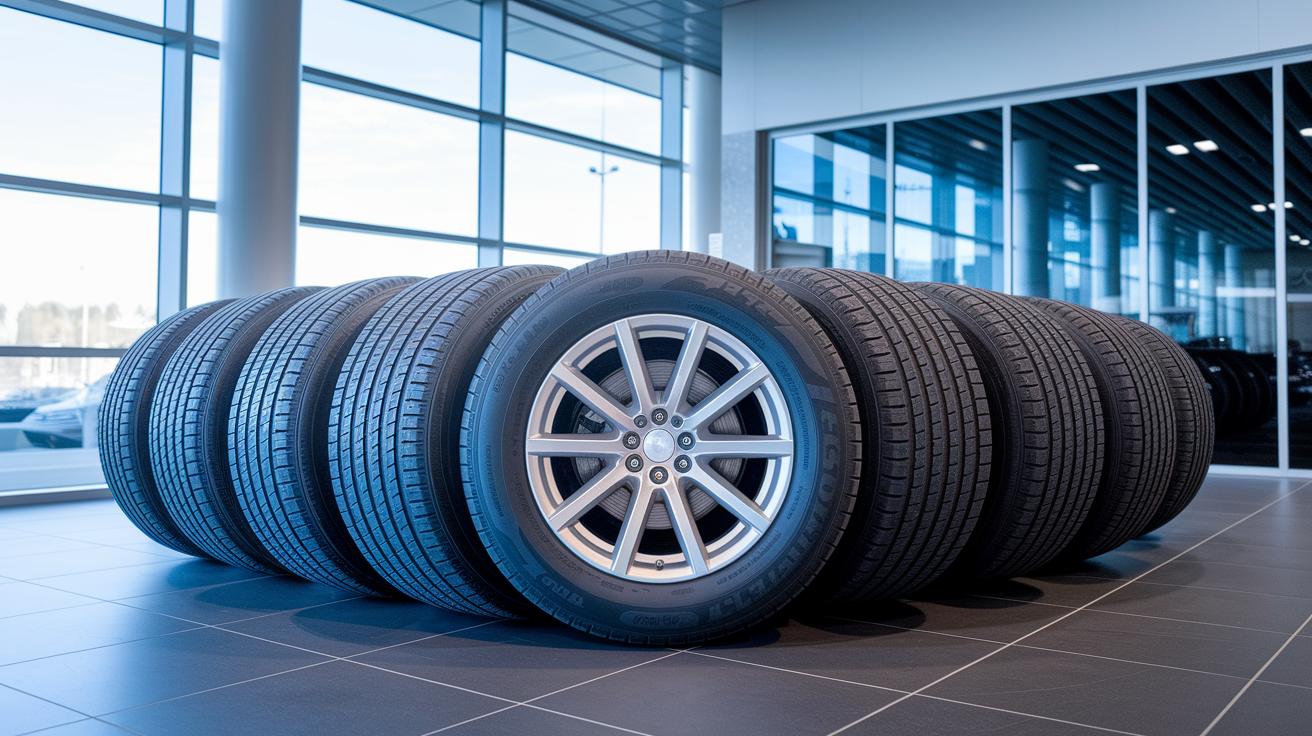


Ever wonder if your car tires could never go flat? With airless tires, that idea really starts to feel possible. They can handle nails, glass shards, and even a bump against the curb without missing a beat. Imagine driving without the constant worry of a slow leak or an unexpected flat.
In this article, we check out seven airless tire options that bring steady performance and a boost of confidence on the road. These tough designs help cut down on roadside surprises and give you a smoother, more reliable ride.
7 airless tires for cars spark confidence
Airless tires are a new kind of design that lets you forget about flats. They use a tough, solid build that resists nails, glass pieces, or even the bump of a curb. Imagine driving without the worry of a slow leak every time you hit a sharp object, pretty cool, right?
These tires aren’t like the regular ones that need air to work right. Traditional tires rely on air pressure for their shape and bounce, which can sometimes wear out unevenly if your wheels aren’t lined up perfectly. With airless tires, that problem is a thing of the past, and the wear spreads evenly over the whole tire. If you’re curious about how these work, check out some more info on tire technology.
Big names in the tire world are already exploring these designs. For example, Michelin’s Uptis concept is almost ready because of a cool team effort with GM and even some buzz around tests with Tesla. Bridgestone and Goodyear are also hard at work on their own versions, so it won’t be long before drivers can enjoy a low-maintenance tire that really delivers.
Sure, these tires weigh a bit more than your usual ones, and that extra weight might slightly change how fast your car speeds off or how much fuel it uses. But think about it, fewer roadside hassles could mean a lot more peace of mind. After all, from the very first pneumatic tire invented in 1847 for bicycles, tires have been all about making driving safer and simpler.
Airless Tires for Cars vs Pneumatic Tires: Structural and Performance Comparison
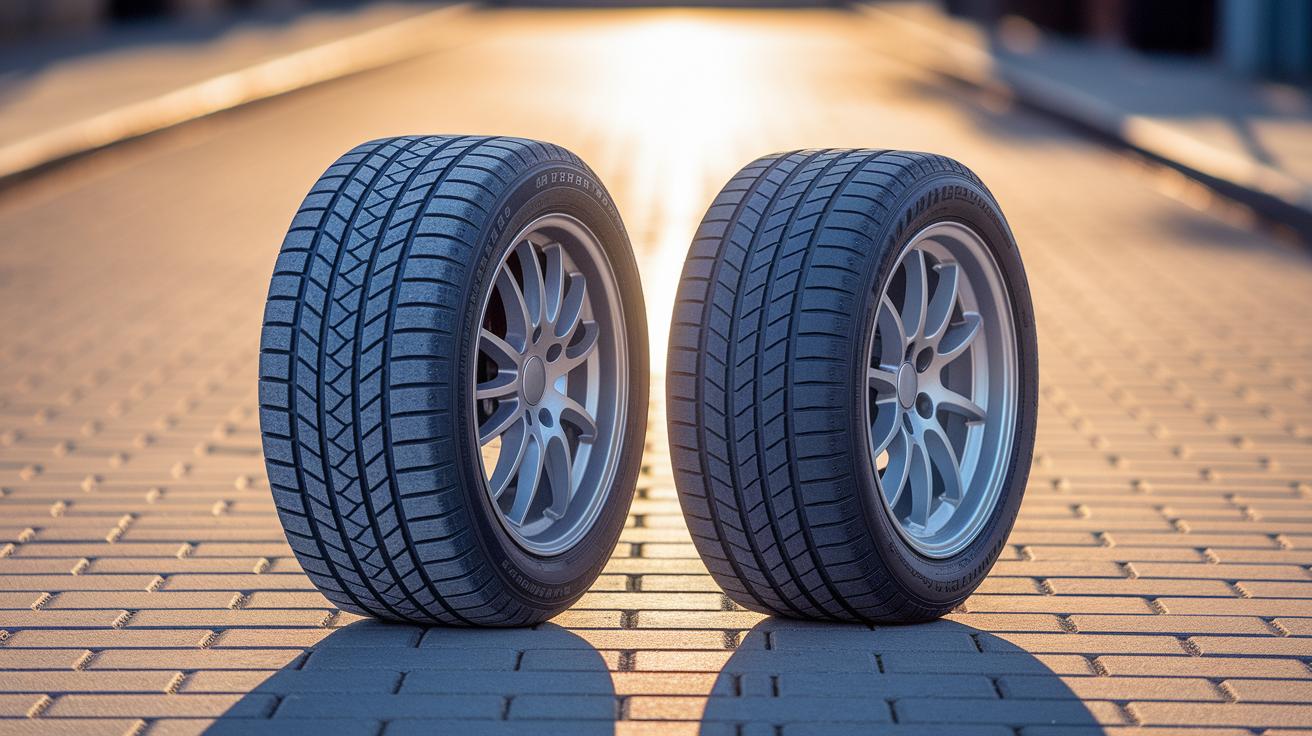
Airless tires for cars are made to help you skip the hassle of flats and blowouts. Their tough build keeps them in shape even if they run over a nail or a bit of glass, so you can feel confident on the road. Pneumatic tires, on the other hand, depend on air to keep their form. This means they can get punctures or wear unevenly if your wheels aren’t aligned just right. Just like how regular tires might rust if the rims get too soaked, these airless models naturally sidestep that risk.
The differences don’t end with how they’re built. Airless tires are sometimes called non-pneumatic tires, thanks to their firm design. This tough setup means they last long but don’t bend as easily as tires filled with air. That extra firmness can make them a bit heavier, which might slightly affect how fast you can accelerate or how much gas you use. Pneumatic tires, even though they might sometimes have uneven wear or even go flat, often give a smoother ride because they can flex under pressure.
Plus, airless tires need very little upkeep. You don’t have to check the air pressure or worry about sudden blowouts, which is a big plus when comparing them to traditional tires. In short, you’re choosing between a super durable tread with a firm ride or a flexible, softer experience that needs a little more care.
Performance and Safety of Airless Tires for Cars
Airless tires for cars blend trusted dependability with fresh, innovative features. They’re built tough to help avoid blowouts and punctures (sudden tire failures) while keeping upkeep low so you can enjoy a long, smooth ride.
Tests show these tires handle rough roads with steady confidence. Some models even come with a built-in air pump (it can push up to 150 psi) and a small battery (2000 mAH) to power it. Imagine having a little tool that not only revives your tire but also inflates your soccer ball or bike tire, pretty handy, right?
The clever design also helps protect your car’s interior during transport. Key perks include:
- Resistance to blowouts and punctures
- Long-lasting performance on the road
- Minimal maintenance needs
- Built-in air pump and battery for extra inflation tasks
- Interior protection during transport
All these features show why airless tires are a smart choice for drivers looking for modern, reliable safety on the road.
Maintenance and Longevity of Airless Tires for Cars
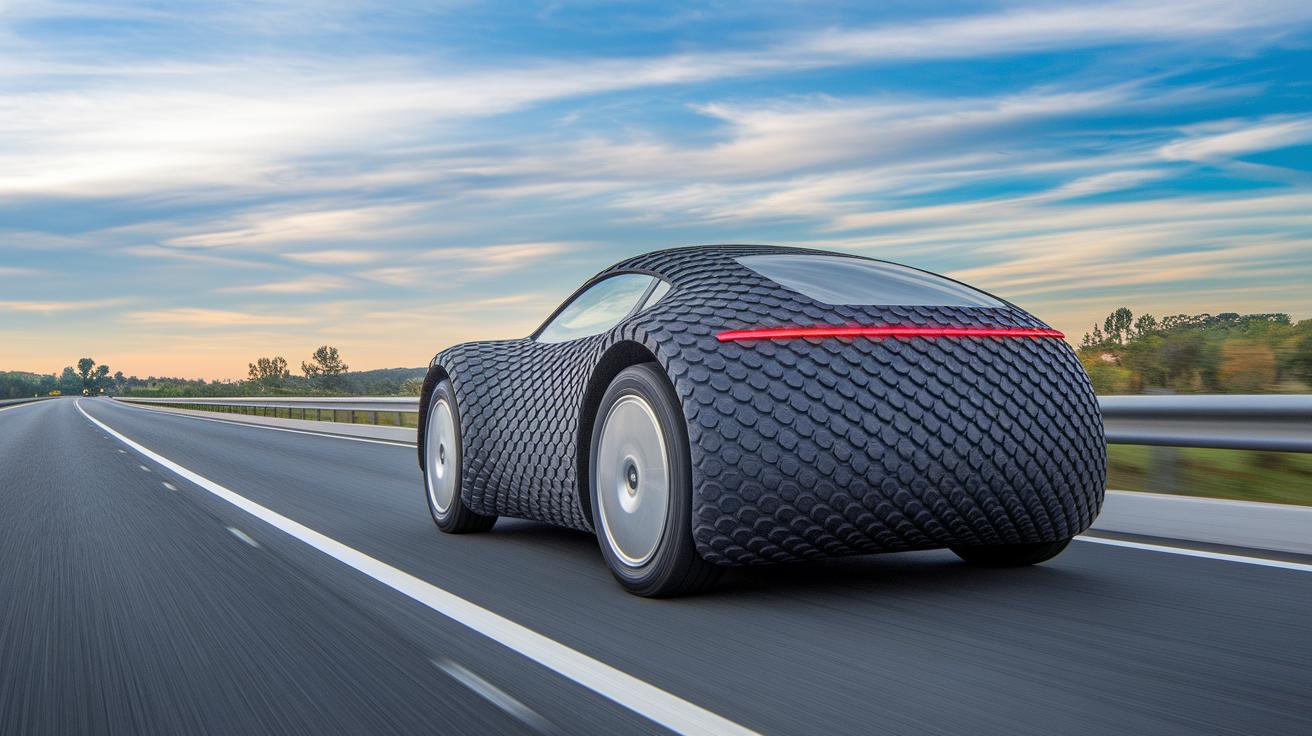
Airless tires have come a long way thanks to new composite materials that make them tougher and extend their life. Engineers now use high-performance polymers (tough plastics that absorb impacts) to help these tires last longer and handle bumps better. One study even showed that cars with airless tires reached 75,000 miles while showing less tread wear than traditional tires.
This extra durability means you can spend less on unexpected repairs over time. Fleet managers have noticed savings of up to 25% on maintenance because these tires hold up so well. Check out this simple comparison:
| Parameter | Airless Tires | Conventional Tires |
|---|---|---|
| Lifespan (miles) | 75,000 | 50,000 |
| Cost Savings | Up to 25% | N/A |
Cost and Pricing Analysis of Airless Tires for Cars
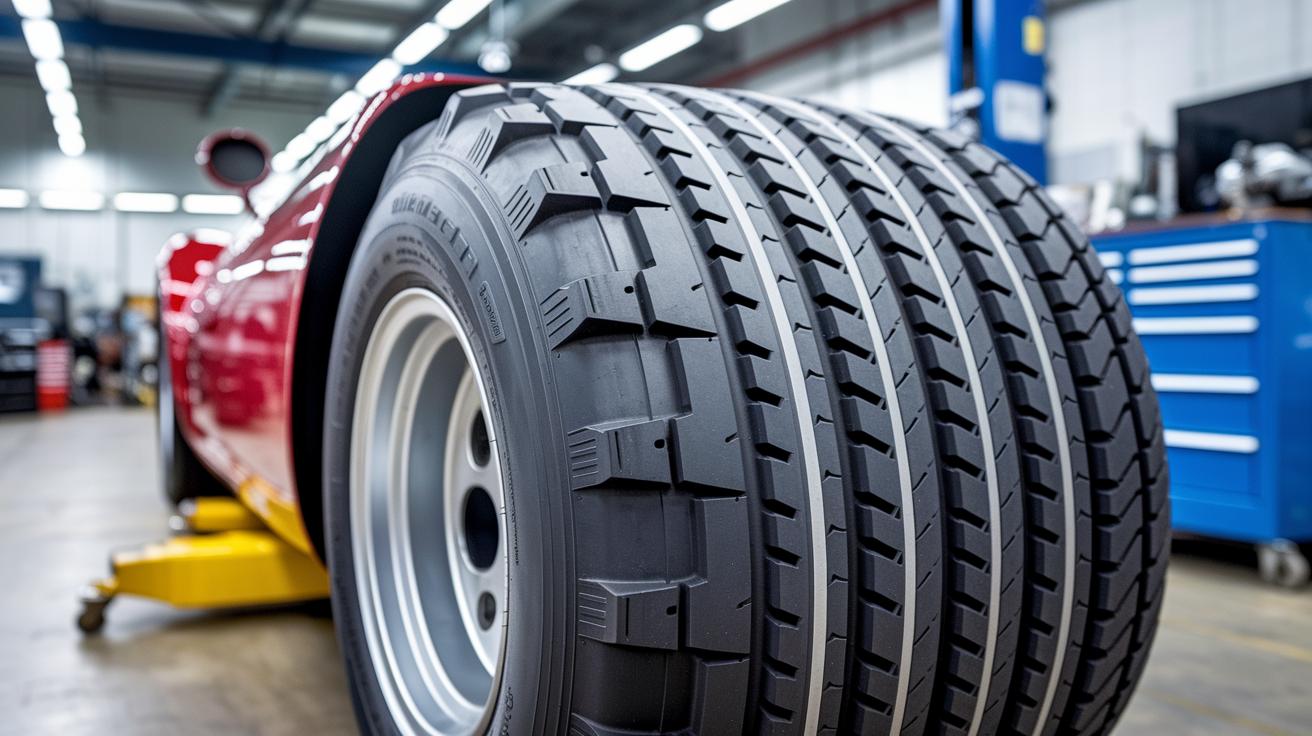
Airless tires usually cost more because making them involves extra materials and special building steps. They use tougher parts and need more careful assembly to be sure they last (that means they stand up to wear and are less likely to get punctures). Often, you won’t find clear prices for these tires, and instead, you see ads for things like inflator products.
Because the design is a bit more complicated, manufacturers invest extra time and money to build these tires. They use high-performance composites (materials known to be extra strong) and add more steps to ensure the tire can handle rough roads. This careful process means the initial price is higher than for regular tires.
Sometimes, paying a little extra at the start can save you money in the long run. You might spend less on maintenance and need fewer replacements over time. It helps to think not just about what you pay upfront but also about the long-term benefits.
- Production costs
- Gaps in clear pricing
- Savings on long-term maintenance
Looking at these points can help you decide if airless tires are a good fit for your needs.
Leading Manufacturers and Market Availability of Airless Tires for Cars
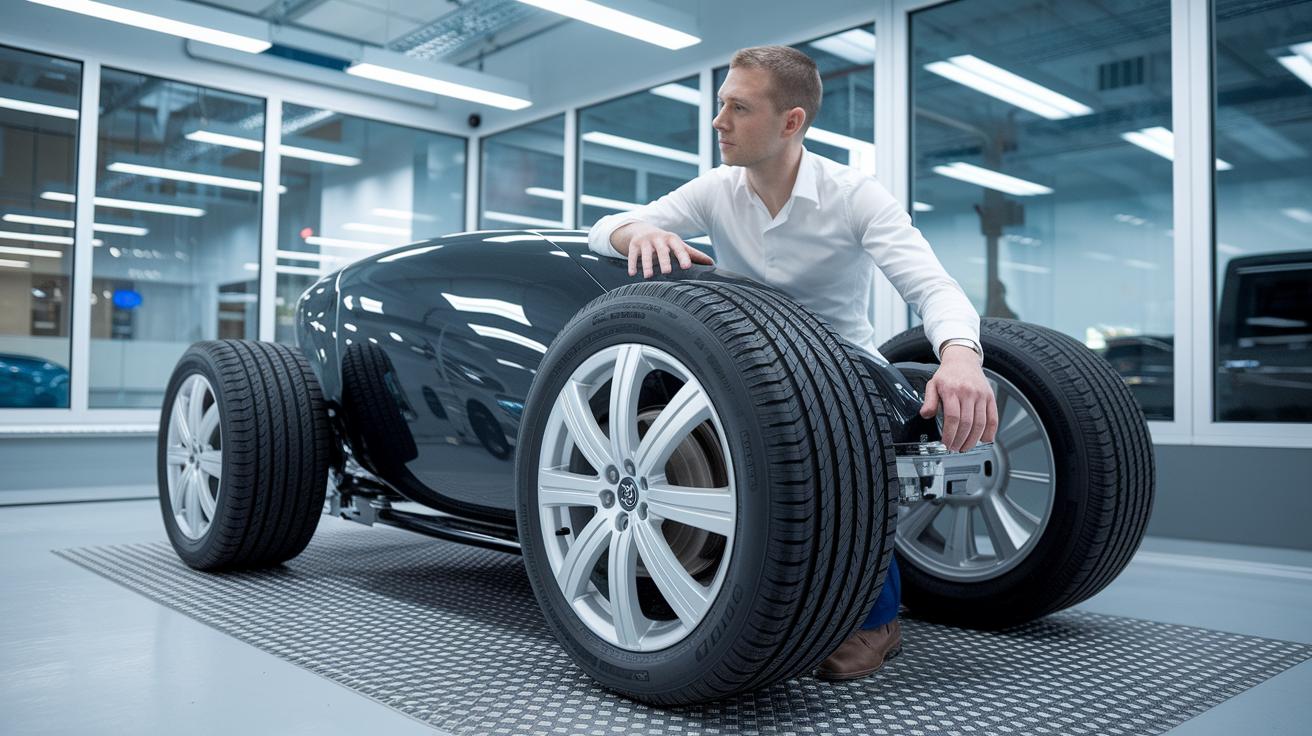
Big names in the car world are busy perfecting airless tire designs. They’re not just making small changes; they’re rethinking how these tires work. For example, Michelin’s Uptis, improved with GM’s ideas, now grips wet roads better. In early tests, it even held steadier on slick roads than the regular air-filled tires.
Bridgestone and Goodyear have also come up with cool prototypes. They’ve improved tread wear (that’s how fast a tire’s surface wears out) and made the tires need less maintenance. One test showed the tread might last almost twice as long as on standard tires. Plus, there’s talk that Tesla is testing its own versions, which just adds more excitement to the race for better performance.
- Michelin’s Uptis is nearly ready for consumer trials, thanks to GM’s collaboration
- Bridgestone and Goodyear are highlighting how long their tires last
- Tesla is rumored to be tinkering with innovative airless designs
Final Words
In the action, we explored how airless tires for cars reshape the way we think about tire safety and upkeep. We looked at their design versus traditional tires, noted their ability to avoid punctures, and discussed their maintenance perks. We even touched on cost factors and which brands are on the move toward mass production. Each point ties back to making your drive smoother and safer. Stick with these ideas and keep your ride rolling confidently on airless tires for cars.
FAQ
Q: What is the pricing of Michelin airless tires and other airless tires?
A: The pricing for these airless options is generally higher than that of conventional tires because of the advanced materials and design work involved. Prices can change based on vehicle type and production factors.
Q: What are Michelin airless tires for cars?
A: Michelin’s airless tire designs, including the UPTIS concept, focus on eliminating flats and reducing maintenance for cars while providing reliable performance through a durable, innovative build.
Q: Are airless tires available for trucks?
A: Airless tire technology is being considered for trucks as well, with adaptations in design aimed at handling heavier loads, although comprehensive availability details remain under development.
Q: What is Michelin UPTIS?
A: Michelin UPTIS is an airless tire concept designed to reduce the risk of punctures by using a robust, non-pneumatic structure, and it is moving closer to production through testing with industry partners.
Q: When will Michelin airless tires be released?
A: Michelin airless tires are nearing a production phase; while an exact release date hasn’t been confirmed, industry collaborations suggest they will be available soon after final testing rounds.
Q: Are Bridgestone airless tires being developed?
A: Bridgestone is actively working on airless tire ideas, focusing on puncture-resistant, non-pneumatic designs that promise durability, though they remain in the development stage with no confirmed release.
Q: Are airless tires good for cars?
A: Airless tires offer strong resistance to punctures and blowouts while reducing maintenance needs. Their heavier build can affect fuel economy, making them a promising yet evolving option.
Q: Why can’t all cars use airless tires?
A: Some cars may struggle with airless tire performance due to the extra weight and stiffer design, which can impact ride quality and fuel efficiency until further design refinements are made.
Q: How long do airless tires typically last?
A: Airless tires are built with wear-resistant materials that can extend their use, and tests show they may last longer than conventional tires when evaluated under similar driving conditions.
Q: Are airless tires currently available?
A: Airless tires are still emerging in the market. Although some prototypes are in testing, widespread availability awaits the finalization of production and comprehensive performance evaluations.

