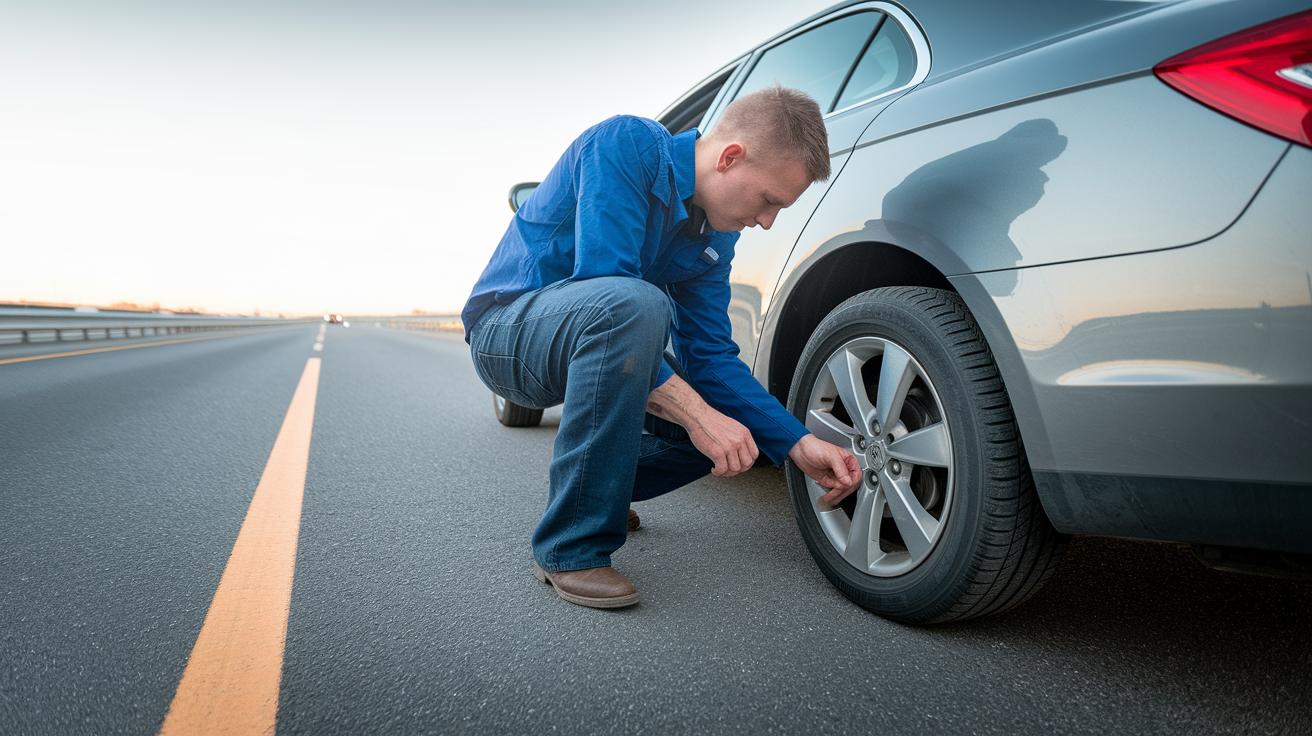


Ever wonder how your car keeps rolling after a flat tire? Run-flat tires are designed with extra tough sidewalls (the strong parts along the edge) and built-in support so you can keep driving even after a puncture. They work like a safety net, giving you enough road to get help without being stranded.
Imagine the gentle hum of your engine as you drive on, knowing you have extra miles to reach a service center. In a day when one flat tire can really throw you off, these tires give you peace of mind and a bit more control. And honestly, isn’t it nice to feel safe on the road?
Comprehensive Overview of Run-Flat Tire Technology
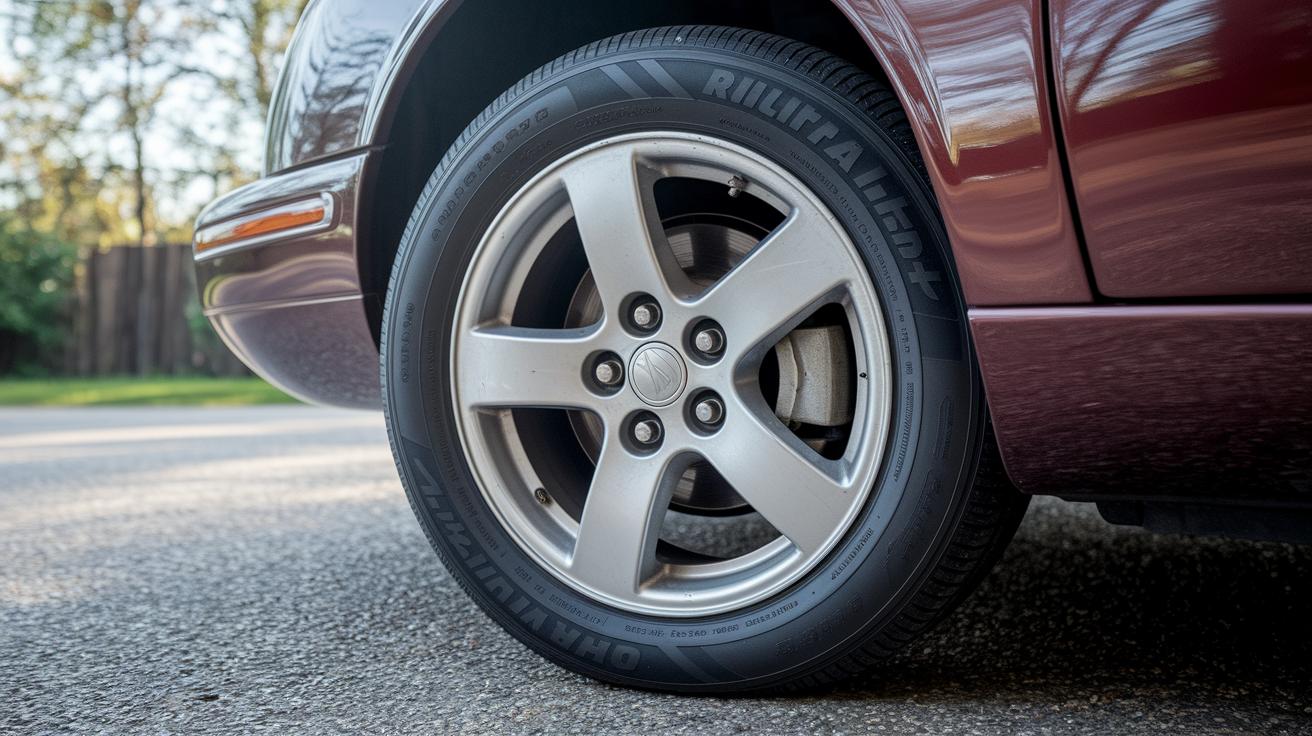
Run-flat tires are built to keep you moving even after you get a puncture. In simple terms, they let you drive about 50 to 100 miles at speeds up to 50 mph without air in the tire. They do this with sturdy sidewalls or special support rings that hold the tire’s shape, much like a strong umbrella in a sudden downpour. Plus, your car usually needs a Tire Pressure Monitoring System (a little sensor that warns you when your tire pressure is low) to help keep things running smoothly. Look out for labels like ZP, RFT, ROF, or SEAL, or for a flat tire icon with an arrow, which signals that the tire is a run-flat type.
By getting rid of the spare tire, run-flats free up space in your trunk while boosting your safety. They help you keep control of your car and lower the risk of a complete tire failure if you get a puncture. The reinforced design works like a safety net, keeping the tire functional when you need it most. Still, some drivers mention that the stiffer sidewalls can make for a firmer ride, so you’ll want to stick to lower speeds to avoid any extra damage.
Everyday experiences show that run-flat technology works well in both busy city traffic and on the highway. Many drivers love that these tires keep them moving during unexpected flats, cutting down the hassle of roadside breakdowns. Even if the ride feels a bit less cushioned, run-flats offer a practical mix of safety and convenience, which is why about 15% of new U.S. vehicles now come with them.
Structural Design and Mechanisms of Run-Flat Tires

Self-supporting run-flat tires have much thicker sidewalls than regular tires. They use a three-quarter inch reinforced sidewall instead of the usual one-eighth inch found on standard tires. This tough design combines modern plastic mixtures (polymers) and smart building techniques to keep the tire in shape even when it loses air pressure. Manufacturers have really fine-tuned these methods by mixing a built-in support structure with advanced compound materials. Early run-flat versions came out before tire pressure monitoring systems (TPMS) were common. Now, they’ve evolved into smart designs like the Michelin PAX and Continental SSR systems, each built to support the vehicle at set speeds and for a certain number of miles. If you’re curious about how tire technology works, you can read more at tire technology (https://tityres.com?p=).
| System Type | Sidewall/Insert Feature | Range & Speed Limit |
|---|---|---|
| Self-Supporting System | ¾″ reinforced sidewall | 50–100 mi @ ≤50 mph |
| Support-Ring System | Hard polymer ring behind tread | 50–125 mi @ ≤55 mph |
Today’s run-flat tire designs continue to improve both self-supporting and support-ring systems. The reinforced sidewalls and the clever design where the tire meets the rim help keep its shape, even under heavy load or after a sudden drop in air pressure. This mix of strong construction and modern materials not only boosts safety but also lets you drive a bit longer in an emergency.
Performance Benefits and On-Road Metrics of Run-Flat Tire Technology

Real-world tests show that run-flat tires offer clear perks over regular tires. Tests with dynamic loads reveal that they give you improved control and steady handling even when tire pressure drops.
- They help your car stay balanced after a puncture.
- You can drive 50 to 100 miles at safe speeds even after a flat.
- Integrated tire sensors alert you quickly if there's an issue.
- They reduce the number of roadside fixes you need, boosting your safety in traffic.
- They bounce back fast, so your car handles smoothly after a hit.
- Long-term tests prove they keep a steady grip, wear down less, and last reliably.
Recent side-by-side comparisons highlight that run-flat tires not only meet all safety checks but also pull ahead of traditional tires in performance. Testing and ongoing evaluations show they maintain control and consistent handling, giving you peace of mind during emergency driving situations.
Drawbacks and Limitations of Run-Flat Tire Technology
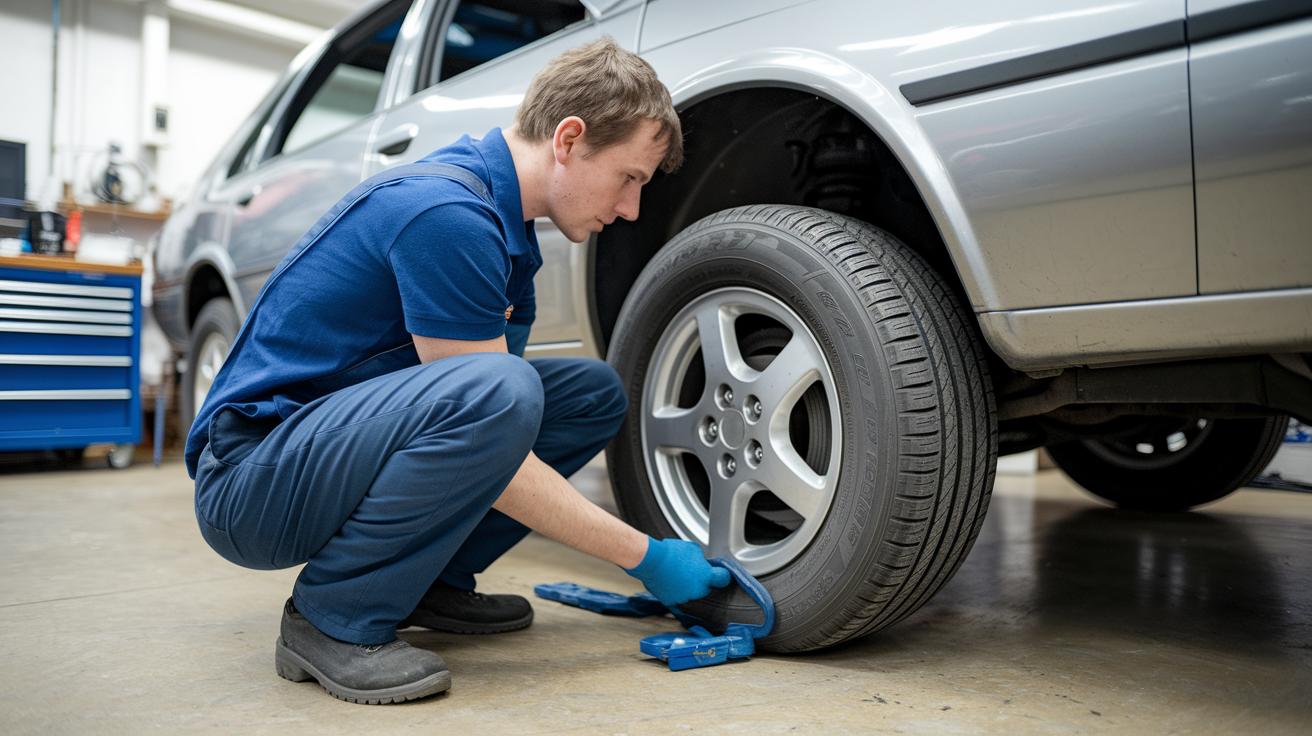
One downside to run-flat tires is that they’re built really stiff. You know that hard sidewall that lets you keep driving after a flat? Well, it can make your ride feel pretty rough compared to a normal tire. It might make more noise and vibrations while you’re driving, and that extra weight can even lower your gas mileage a bit.
Another thing to keep in mind is the strict rules after you get a puncture. When your run-flat tire loses air, you have to keep your speed at 50 mph or less and only drive 50 to 100 miles. This is to protect the tire, but it might leave you feeling stuck if you need to cover more distance in an emergency.
Lastly, run-flat tires can cost more in the long run. They often come with higher replacement prices, and repair costs can add up too. If you mix run-flats with regular tires on your car, it might even affect how well your car handles, which can lead to even more expenses.
Installation, Maintenance, and Compatibility of Run-Flat Tires
TPMS Requirements
If you're running run-flat tires, you need a solid TPMS (Tire Pressure Monitoring System, which alerts you when your tire pressure drops). These tires depend on quick warnings for low pressure, so a working sensor is a must-have. If your car isn’t already fitted with one, upgrading before you switch to run-flats is key. Not only is this important for following the law, but it also helps you catch slow leaks before they become a hassle, keeping your drive safe and smooth.
Installation Guidelines
Installing run-flat tires is pretty simple because they fit on standard rims just like regular tires. Whether you're changing a set or moving from regular tires, the mount process stays pretty much the same. Make sure the tire has the right codes (like RFT or SEAL) on the side to show it's the correct type. Following the right steps as shown at tire installation keeps your warranty safe and ensures your tires perform at their best. A quick check for compatibility before installation is always a smart move.
Maintenance Best Practices
Keeping your run-flat tires in top shape takes regular care. Sure, a quick look here and there helps, but slow leaks might still sneak by. That’s why it’s best to have professional inspections at the recommended times, you never know when a small issue might pop up. Pairing consistent TPMS monitoring with scheduled service visits gives you a good balance between convenience and safety. This approach helps you enjoy reliable rides while ensuring your tires stay in great condition week after week.
Emerging Innovations and Future Trends for Run-Flat Tire Technology

Researchers are pushing run-flat tire tech to new heights by focusing on lighter polymer compounds. These materials help reduce weight and cut down on rolling resistance (that’s the friction your tire feels when it rolls), which means better fuel economy and a smoother ride. They’re also tweaking the formulas to save more energy while driving, using computer models to check out new tire designs more carefully. It’s all part of a drive toward better performance and greener, more sustainable mobility.
EVs and self-driving cars are leading the way too, inspiring fresh ideas in run-flat design. Engineers are now testing prototypes that mix hybrid run-flat features with airless designs in real driving situations. This hands-on testing shows promise for tires that could be even more reliable and safe. In truth, all these innovations mean that as our vehicles get smarter, our tires will too, ready to meet the unique needs of modern driving with confidence.
Final Words
In the action, the blog post explored run-flat tire technology, explaining its smart design and how self-supporting sidewalls or support-ring systems help keep drivers safe. It showcased benefits like continuous driving after a puncture and noted drawbacks such as a slightly firmer ride. We also walked through tire installation, maintenance, and the latest trends that point to future improvements. With run-flat tire technology on your side, you can look forward to safer, more confident drives.
FAQ
What are run-flat tires?
Run-flat tires are designed to let you drive 50–100 miles at speeds up to 50 mph after a puncture. They keep supporting your car even when air pressure is lost.
How does run-flat tire technology work?
Run-flat tire technology works by using reinforced sidewalls or support-ring inserts that maintain the tire’s shape and control after a puncture, keeping your vehicle safer on the road.
How long can I drive on a flat run-flat tire?
Run-flat tires allow you to drive between 50 and 100 miles after a puncture, giving you enough time to reach a safe repair location without an immediate tire change.
What are the benefits and drawbacks of run-flat tires versus regular tires?
Run-flat tires let you continue driving after a puncture and free up space by eliminating a spare tire, yet their stiffer sidewalls can result in a harsher ride and minor fuel economy effects.
How can I identify run-flat tires?
You can identify run-flat tires by checking for codes like ZP, RFT, ROF, or SEAL, or by looking for a flat-tire symbol with an arrow on the sidewall that signals run-flat capability.
What do reviews say about run-flat tires on BMWs, and why did BMW reduce their use?
Reviews note that while run-flat tires offer safety and convenience, BMW scaled back their use because many drivers preferred the smoother ride of standard tires over the stiffer feel of run-flats.

