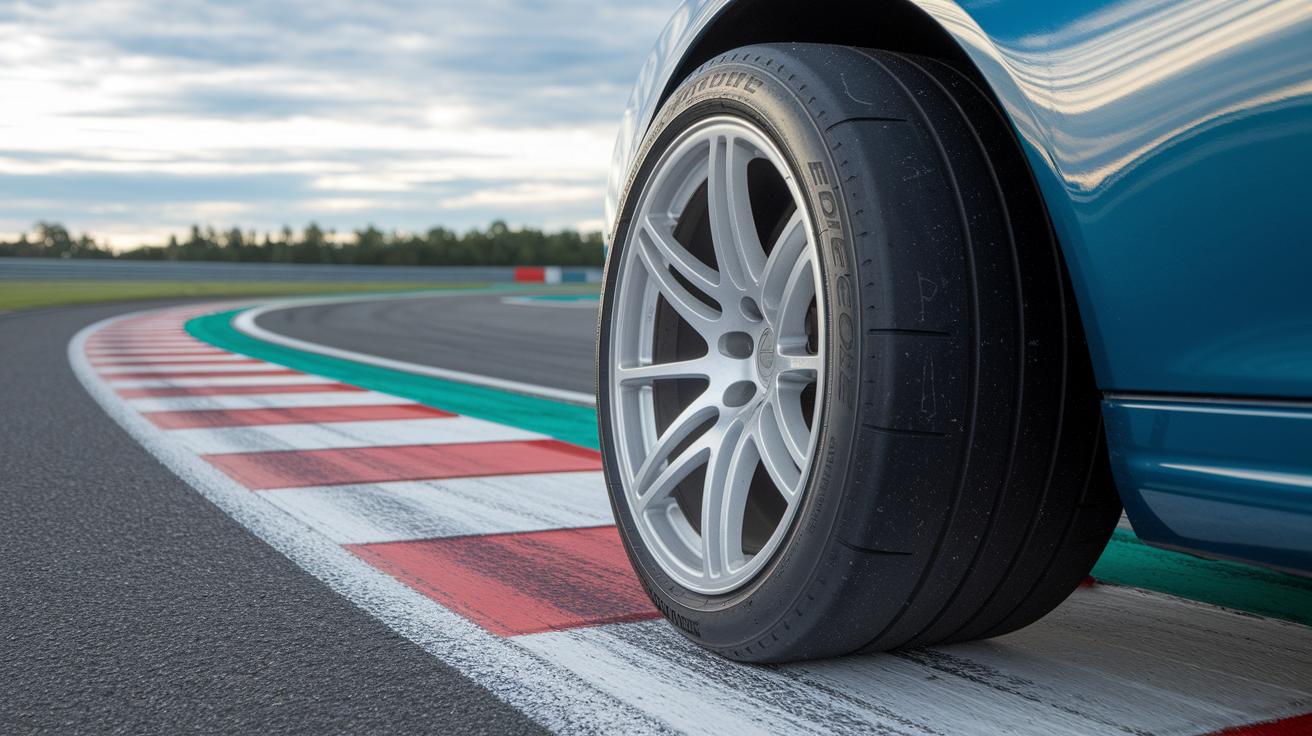


Have you ever felt like your tires might be holding you back on the road? Choosing high performance tires is a bit like finding the perfect pair of sneakers that give you a smooth, confident step. The right tires help you hold your ground on curvy streets and busy roads, making each drive feel safer and more secure.
In this post, we break things down in simple steps. We’ll talk about what to look for, from tire patterns (the design on the tire surface that affects its grip) to proper inflation (keeping the tires filled with the right amount of air). It’s like reading a quick how-to guide at your local service spot.
So, why not get ready to upgrade your ride? Imagine shifting your driving experience into high gear and feeling that steady, secure grip with every turn.
High Performance Tire Selection Fundamentals

Choosing the right tire can really change how your car drives. A good high performance tire keeps your car steady, lowers the risk of accidents, and makes every drive feel smoother. It’s a bit like picking the right pair of shoes for a walk. Good tires give you the grip you need, whether you’re driving around town or pushing your car on the highway. Imagine taking a twisty turn with tires that feel as friendly as a warm handshake.
Keeping your tires at the right pressure is just as important as choosing the right tire. When your tires are properly inflated, they grip the road better and wear out evenly over time. It’s like blowing up a balloon, if there isn’t enough air, it droops; if there’s too much, it might burst. The right air pressure keeps the tire’s rubber flexible, helping your car stick to the road and give a comfortable ride.
- Winter driving on icy roads
- Wet conditions needing extra water channeling
- Dry highways where stability is key
- Rough off-road terrains
- High-speed runs on smooth surfaces
Matching your tire’s design to the weather and road conditions, and keeping an eye on the pressure, really boosts your car’s handling. When the tire’s material, tread pattern, and inflation all work together, your ride stays safe, efficient, and fun to drive.
Matching Vehicle Types to High Performance Tires
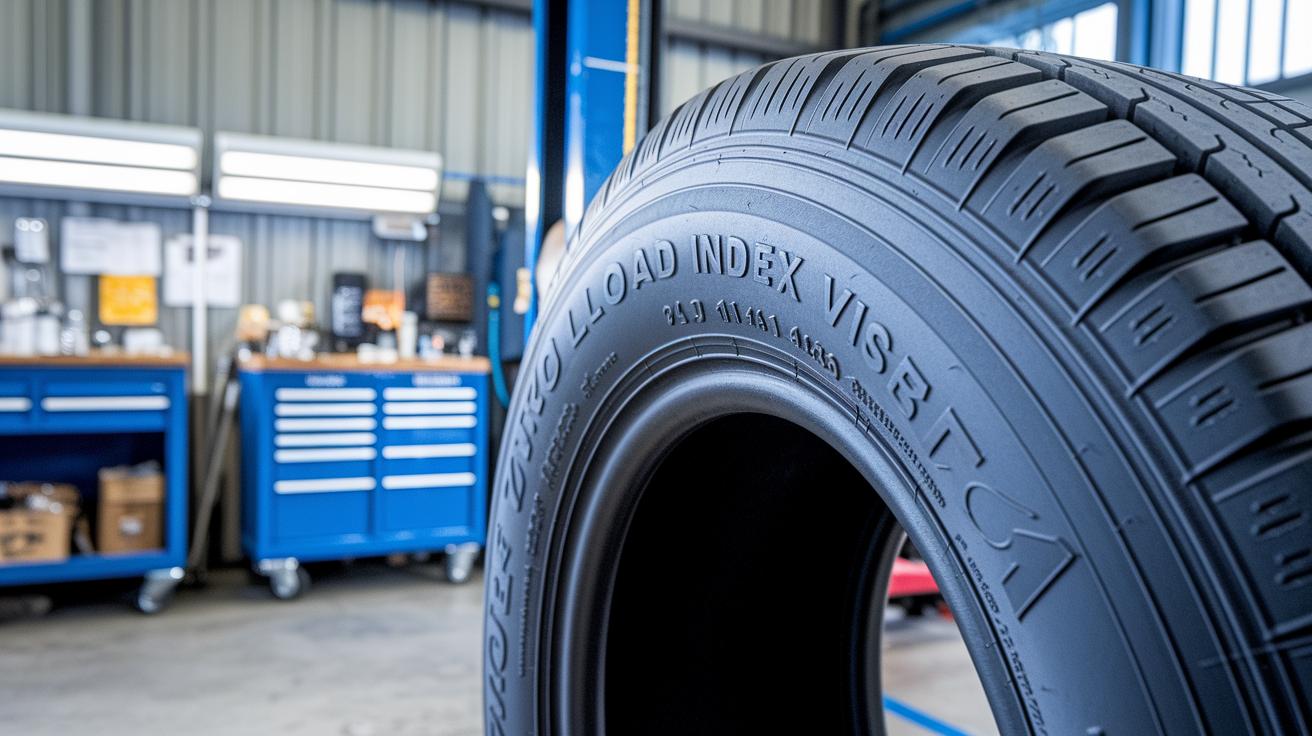
Different vehicles need different tires to perform at their best. If you drive a sedan, SUV, truck, muscle car, sports coupe, or a luxury performance sedan, you’ll notice that each one has its own tire needs. For example, performance cars thrive on tires that react fast during quick maneuvers, while SUVs and trucks benefit from tires designed with a higher load index (a number that tells you how much weight a tire can safely support) and strong sidewalls. Picking the right tire can really change how the car feels on the road.
Paying attention to tire size and load index is super important for safety. Tire size includes things like width, aspect ratio (the relationship between the tire’s height and width), and rim diameter. Think of it like matching the perfect pair of shoes to your feet. Muscle cars and sports coupes often do well with low-profile tires that enhance grip, whereas heavier vehicles need tires that can handle more weight. When you check the load index, you'll know the tire is built to hold up under your daily driving, whether it's a casual trip around town or a drive on the highway.
Before you make your choice, make sure the tire fits your vehicle just right. Checking the tire’s sizing details and load index is like giving your car a perfect pair of sneakers, it makes all the difference. Trusting well-known brands adds that extra bit of comfort, knowing you’re getting reliable build quality. Take a little extra time to review all the fitment details, so every ride feels safe and spot-on.
Understanding High Performance Tire Specifications and Ratings
Decoding Tire Size and Load Index
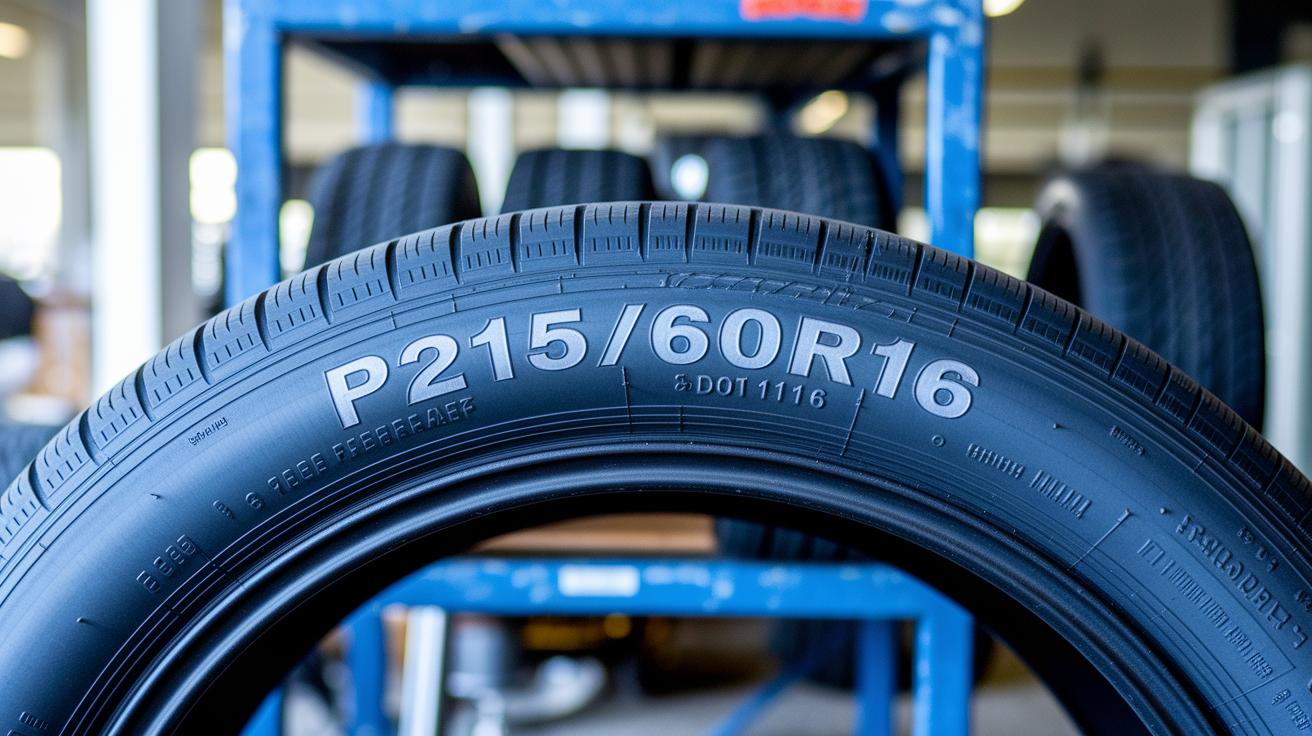
When you check your tire’s sidewall, you’ll notice numbers like P215/60R16. The letter P stands for a P-metric tire (a common style for many vehicles), while Euro-metric tires have their own system. The number 215 tells you the tire is 215 millimeters wide, and 60 is the sidewall height expressed as a percentage of that width. The R16 means it fits a 16-inch rim. You’ll also see a load index here, a number that shows how much weight the tire can hold safely. For example, a load index of 99 means it can carry a certain weight, much like finding shoes that fit perfectly for a comfortable ride.
Interpreting DOT Codes and Tire Age
You might also spot a DOT code, which tells you when the tire was made. If the code reads “1116,” it means the tire was produced in the 11th week of 2016. This detail is crucial because even if a tire looks fine, experts usually suggest replacing them every six years and definitely by ten years to keep you safe on the road. It’s a bit like checking the date on your favorite snack, you want it fresh and ready to perform.
| Rating | Top Speed (mph) | Heat Handling | Tread Life Impact |
|---|---|---|---|
| Q | 99 | Basic | Extended |
| S | 112 | Moderate | Moderate |
| T | 118 | Good | Slightly Reduced |
| U | 124 | Good | Slightly Reduced |
| H | 130 | Better | Shorter |
| V | 149 | Excellent | Shorter |
| W | 168 | Very Good | Even Shorter |
| Y | 186 | Excellent | Minimal |
| (Y) | >186 | Top Tier | Shortest |
Matching your tire’s size,
Evaluating Compounds and Tread Patterns for High Performance Tires
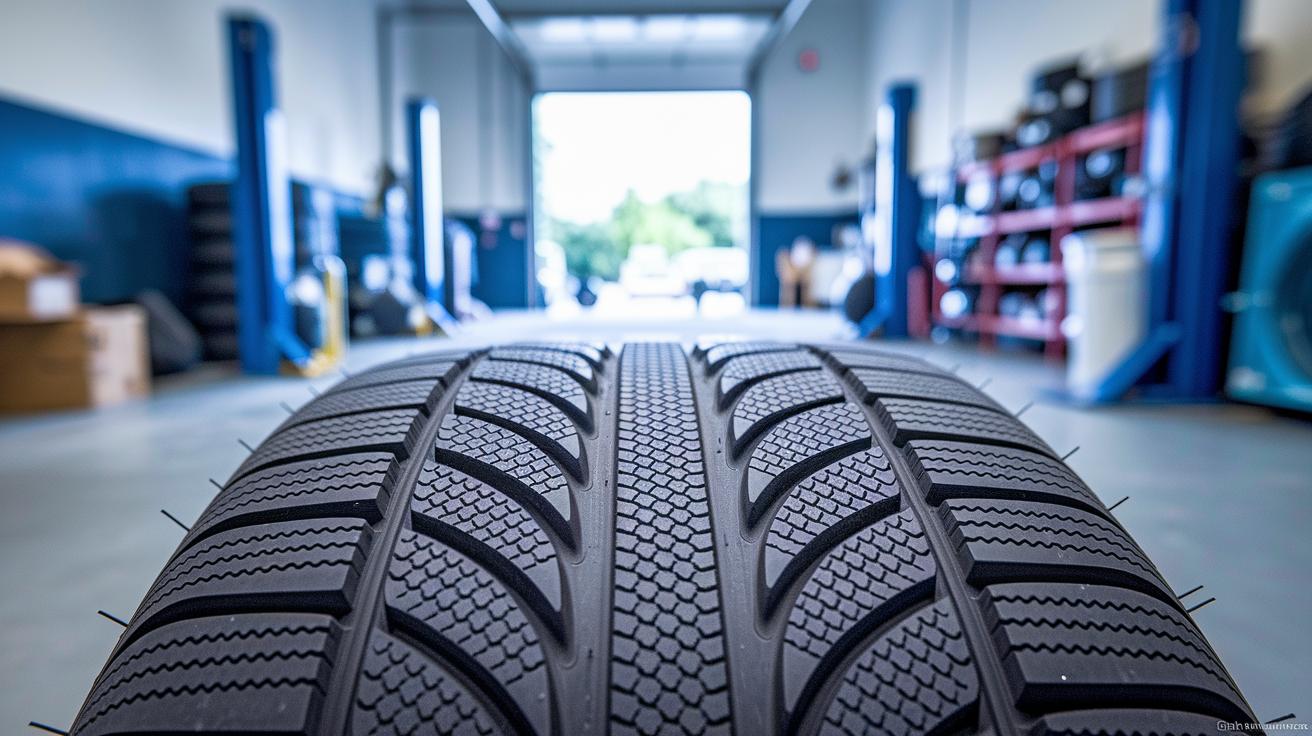
When it comes to high performance tires, the magic is in the rubber compound. These tire mixes combine different synthetic materials to give you both good grip and long-lasting wear, kind of like picking the right paint mix for your car. Some tires even have stiffer sidewalls for that extra firmness when turning tight corners. Others are made with low rolling resistance compounds (which means they waste less energy) to boost fuel efficiency while keeping you steady at high speeds. Basically, you're weighing up comfort versus performance based on your ride.
Tread patterns are just as important as the rubber inside. Directional treads work like little channels that push water away, keeping you safe on wet roads. And asymmetric designs do a great job on both wet and dry surfaces by making sure plenty of tire touches the road. Imagine these grooves as mini water slides that help move excess water off, keeping your tire in solid contact with the pavement even during a downpour.
Matching the right compound with the perfect tread design means thinking about how you drive. If you love a spirited drive with lots of cornering, a tire made for performance and special tread patterns can speed up your car's response. And if the weather is wet or chilly, a tread that grips well on wet roads makes your ride feel safer. In the end, mix and match based on your driving style and the conditions you face.
Balancing Cost, Quality, and Brand Standards in High Performance Tires
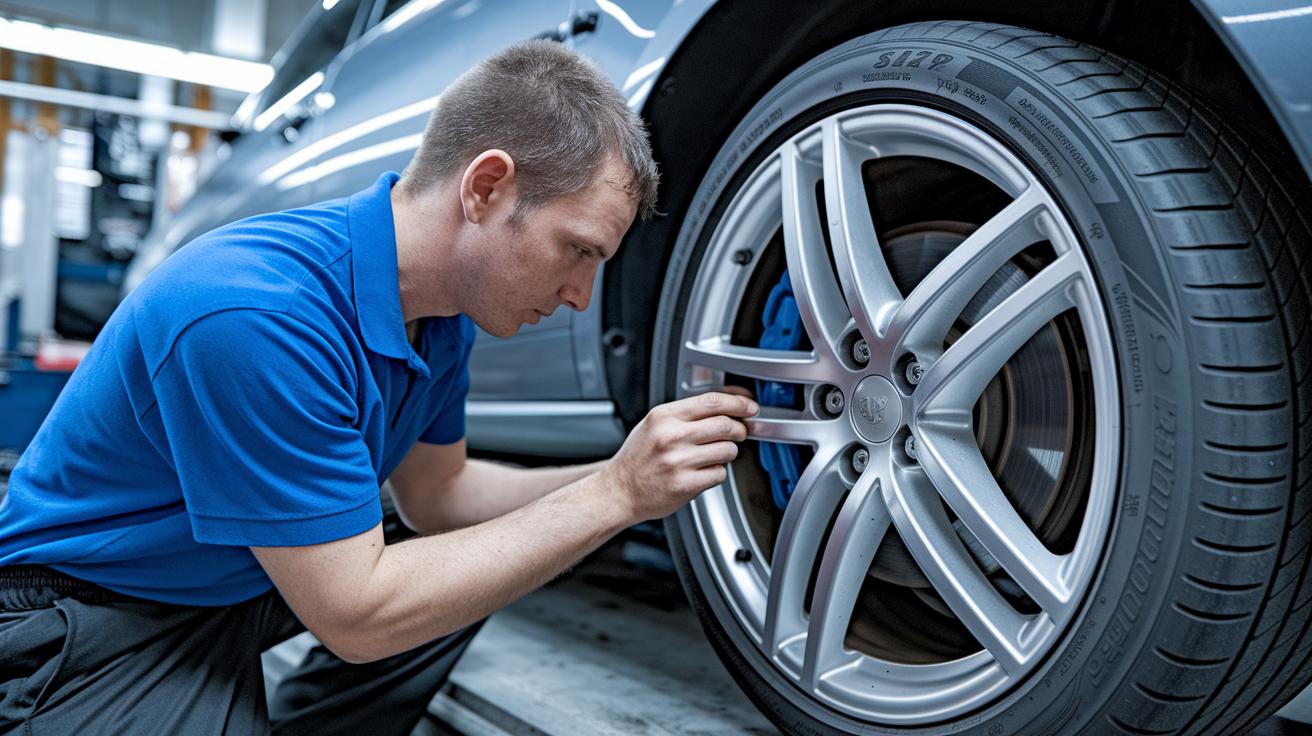
When choosing high performance tires, you need to look beyond just the price tag. It's all about weighing the upfront cost against how long the tires last, their safety, and how well they perform on the road. Picture this: one tire might come with a longer warranty and better grip, while another might cut corners on durability. Sometimes, flexible payment plans and freebies like lifetime tire rotations (that means regularly switching your tires around so they wear evenly) and flat repairs can make a higher-priced tire a smarter buy over time. It's a bit like picking a car that saves on gas, you pay a little more now to avoid extra stops later.
Big name brands also matter a lot. They’re known for keeping up quality and giving longer warranties, so you’re less likely to run into problems down the road. When you go with a trusted brand, you're betting on safety and performance that have been proven by experts and strict tests.
Experts even suggest keeping an eye out for tire models that offer great value. When you find one that combines competitive pricing with a strong brand reputation, you get the best of both worlds: a budget-friendly option that still promises smooth handling and long-lasting reliability.
Professional Installation and Maintenance for High Performance Tires
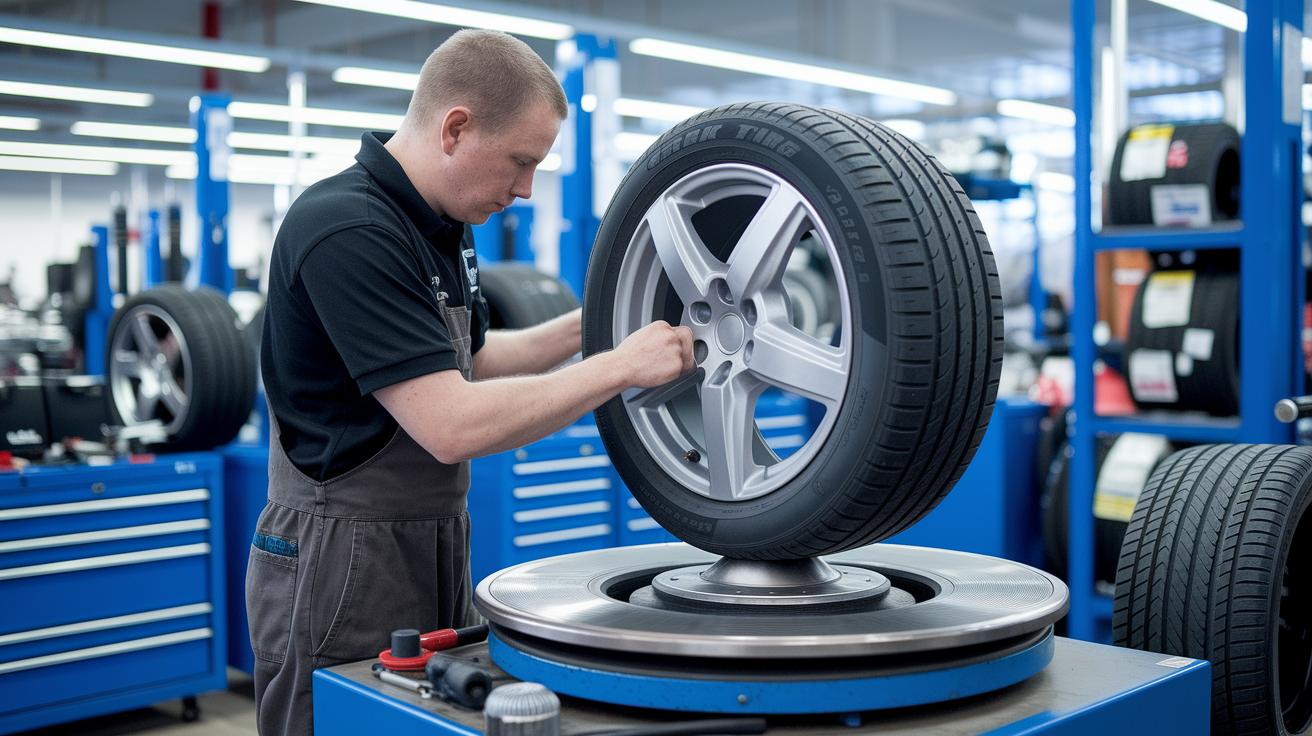
When you have your tires mounted by a pro, you really notice the difference in how long they last and how well they perform. The experts use the right tools to set every tire perfectly on the rim. This careful work cuts down on vibrations, saves a bit on fuel, and stops the tires from wearing out unevenly. It’s a bit like having your car tuned up, so every drive feels smooth.
Rotation and Wear Monitoring
Keeping your tires rotated is key to safety. Pros say to rotate your tires every 5,000 to 7,500 miles to make sure they wear evenly. During these rotations, they also check for any signs of damage or uneven wear early on. Think of it as a quick check-up for your tires so they stay in tip-top shape.
Inflation and Pressure Management
Monitoring your tire pressure is another must for a safe ride. Too little air can lower your grip, while too much can make for a bumpy trip. Getting the pressure right helps your tires hold traction and prevents uneven wear. It’s like keeping your tires well-fed with just the right amount of air so they perform their best and even save you some fuel.
Regular maintenance, proper mounting, routine rotations, and careful pressure checks, is the secret to long-lasting tire performance. Most manufacturers suggest replacing tires every six years, not letting them go beyond ten years, to keep everything running safely and smoothly.
Final Words
In the action, we covered tire selection basics, vehicle fit, and the ins and outs of tire specs to boost safety and control. We also looked at tire compounds and tread designs that help keep your ride responsive in different conditions.
Smart tire choices balance cost, quality, and expert care. Remember, regular maintenance keeps your tires rolling safely.
Keep these tips in mind when figuring out how to choose the right high performance tires. Enjoy confident drives ahead.
FAQ
Q: Best performance tires for daily driving?
A: The best performance tires for daily driving offer a mix of reliable grip and a comfortable ride. They balance fuel efficiency and longevity, giving you safe handling on everyday roads.
Q: Best performance tires all-season?
A: The best performance all-season tires deliver strong grip in wet, dry, and mild winter conditions. They are designed to support safety and responsive handling in a variety of weather settings.
Q: Touring vs high performance tires?
A: Touring versus high performance tires differ in focus. Touring tires provide a smooth, quiet ride, while high performance models prioritize tight grip and a responsive feel for spirited driving.
Q: What are the 4 types of tires?
A: The four types of tires usually include all-season, performance, winter, and off-road. Each type uses different tread patterns and rubber compounds to match specific road conditions and driving styles.
Q: Questions to ask when buying tires?
A: When buying tires, you can ask about tread wear ratings (how quickly the tire’s surface erodes), warranty details, fitment for your vehicle, seasonal performance features, and the balance of cost to quality.
Q: Touring tires vs all-season?
A: Touring tires versus all-season tires highlight differences in design. Touring tires stress a comfortable, quiet ride, while all-season tires aim for balanced performance in a range of weather conditions.
Q: Tire ratings chart?
A: A tire ratings chart provides comparisons of speed ratings, load capacity, and tread wear scores. It helps you match tire features with your driving needs for safe and reliable performance.
Q: Best tire comparison website?
A: The best tire comparison website offers side-by-side reviews of tire performance, pricing, and user feedback. This tool helps you quickly find tires that meet your driving and budget requirements.
Q: What is the 3% rule for tires?
A: The 3% rule for tires suggests that when tread wear reaches about 3% below its original depth, it’s time to consider a replacement. This guideline helps maintain safe road performance.
Q: Do high performance tires make a difference?
A: High performance tires make a difference by providing better grip, sharper steering response, and improved traction. They boost confidence and deliver a more engaging drive on various road surfaces.
Q: What are the best high performance tires?
A: The best high performance tires feature advanced rubber formulas for superior grip, strong heat resistance, and specialized tread designs. These qualities work together to provide improved handling and safety.
Q: Which is better, V or H rated tires?
A: V rated tires, built for speeds up to 149 mph, tend to offer greater heat resistance than H rated tires, which are rated up to 130 mph. Your choice depends on your specific driving speed needs.

