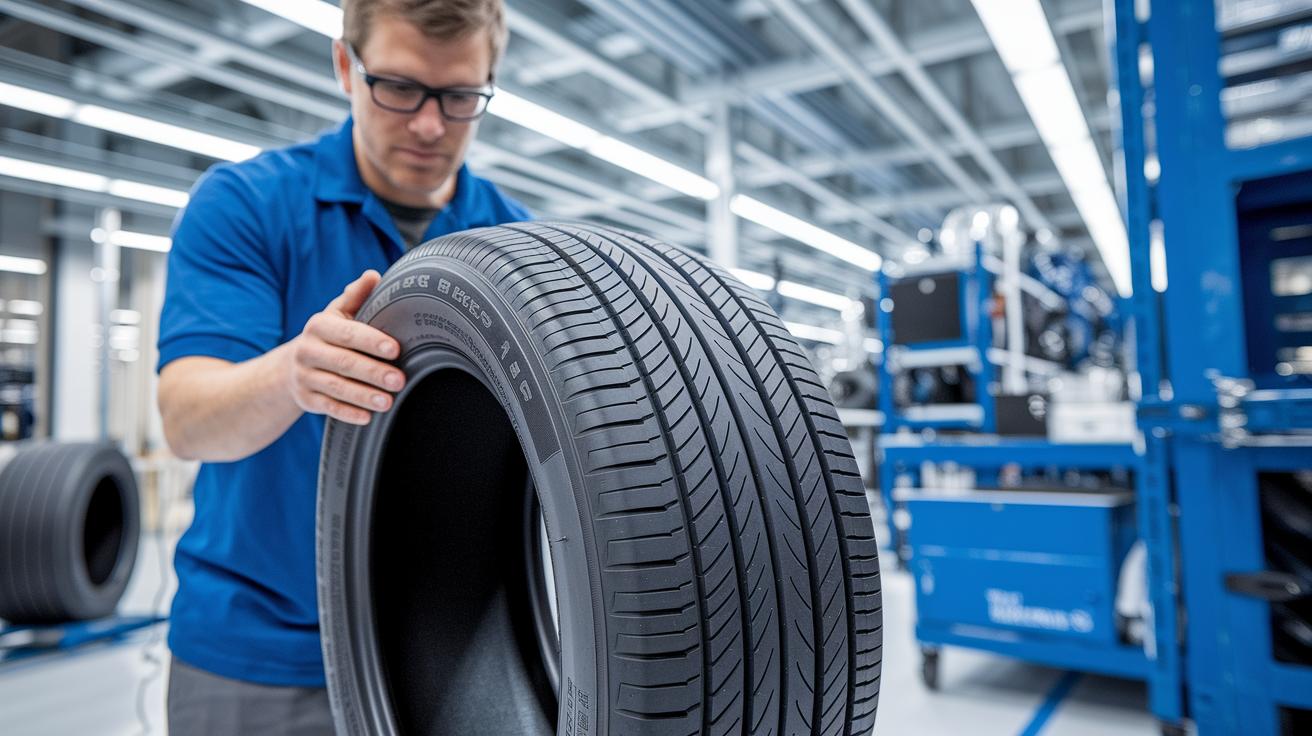


Ever wonder why your car sometimes feels like it's working extra hard? When your tires roll, they bend a little, and that bending uses up energy. Low rolling resistance tires are built to bend less (that means they use less energy), so your engine doesn’t have to work as hard and burn extra fuel.
Think of it like this: Imagine your tires acting as a well-tuned instrument, with each roll saving energy, reducing extra emissions, and even easing your fuel bills. It’s a smart way to boost your car’s efficiency while giving you a smoother ride.
How Low Rolling Resistance Tire Technology Improves Vehicle Efficiency
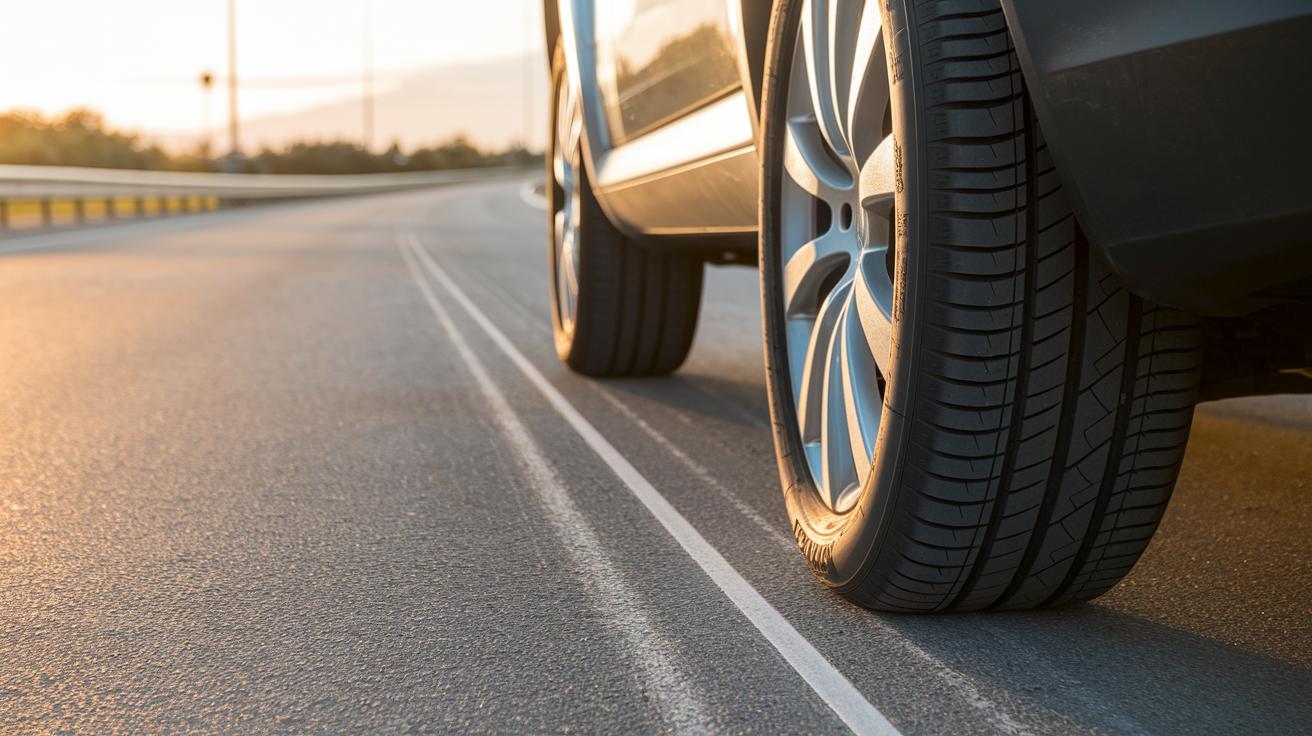
Have you ever noticed how your car seems to work a bit harder when the tires are under stress? That's because of rolling resistance, which is simply the force needed to keep a tire moving. When a tire rolls, it naturally bends and twists, causing a little energy loss. That extra work means your engine has to burn more fuel to keep things rolling.
Low rolling resistance tires are pretty neat. They use shallower tread depths and specially optimized compounds (the mix of materials in the tire) so the tire doesn’t flex as much. When the tire flexes less, your engine doesn’t need to work as hard, leading to noticeable fuel savings, usually between 5 and 15 percent for most gas vehicles.
- Saves up to 15% in fuel costs over time
- Reduces energy lost during tire rotation
- Lowers CO₂ emissions by cutting down on extra fuel use
- Provides a quieter, smoother ride
- Uses improved tread design to minimize rolling effort
These tires are designed to boost your vehicle’s efficiency without any extra hassle. They not only help save fuel but also offer environmental benefits by reducing emissions. It’s like giving your car a little tune-up in the form of better tire technology, so you enjoy a smoother drive and a happier wallet.
Material and Design Innovations in Low Rolling Resistance Tire Technology
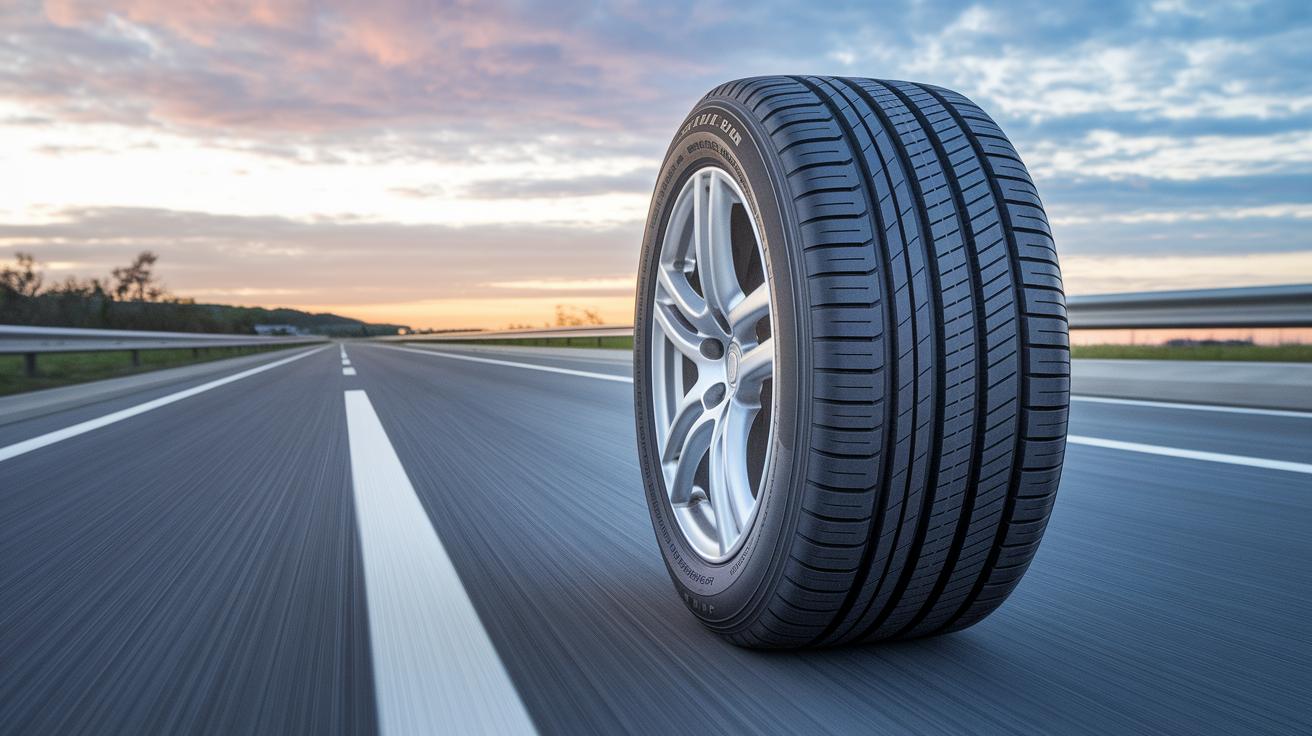
Today’s tire makers are focused on designs that help your car go further while using less energy. They mix smart, eco-friendly materials like silica, alternative oils, and emulsifiers (which help blend ingredients) with both natural and synthetic rubbers. This mix cuts down on energy loss that happens when tires flex. Plus, shallower tread patterns and lighter materials teamed with just-right sidewall firmness keep tires from bending too much. All of these choices work together to save energy and keep your ride smooth.
Compound and Polymer Advancements
Tire compounds now use special silica blends combined with alternative oils and emulsifiers to mix with elastomers (rubber-like components). This clever blend improves how the tire handles heat and helps it keep its shape, which means less energy is wasted when the tire bends under pressure. You know, it’s a bit like making sure your car engine stays cool on a hot day.
Tread Pattern and Structural Design
Engineers have figured out that using shallow groove layouts and just-right tread depths can really make a difference. They design the tread to flex in a controlled way, cutting down on wasted energy. The result is a ride that’s quieter and smoother, something you can really feel when you’re on the road.
Sidewall and Weight Optimization
By reducing weight and fine-tuning sidewall stiffness, tire designers help tires hold their shape even when things get heavy. Using lighter materials with firm sidewalls means the tire resists deformation better. This smart balance not only lowers rolling resistance but also boosts fuel economy and overall eco efficiency. It's like giving your car a little extra pep in its step while caring for the planet.
Measuring Fuel Savings and Emission Reductions with Low Rolling Resistance Tire Technology

Switching to low rolling resistance tire technology can help you save money at the pump. Research from the University of Michigan and Consumer Reports shows you could save about $78 a year just by making it easier for your tires to roll. Fuel use can drop by 5% to 15%, which means you burn less fuel and keep more cash in your pocket.
Using less fuel also cuts down on CO₂ emissions, so your car leaves a smaller carbon footprint. Fewer emissions make these tires a smart, eco-friendly pick. And on top of that, they’re quieter on the road, which makes your drive more pleasant. It’s one of those small tweaks that really adds up over time.
| Metric | Impact | Typical Range |
|---|---|---|
| Fuel Savings | Annual cost reduction | $50–$100 |
| CO₂ Emissions | Emission reduction | 5–15% |
| Noise Level | dB reduction | 2–4 dB |
| Rolling Energy | Work reduction | Up to 15% |
Durability, Wear, and Eco-Friendly Aspects of Low Rolling Resistance Tire Technology
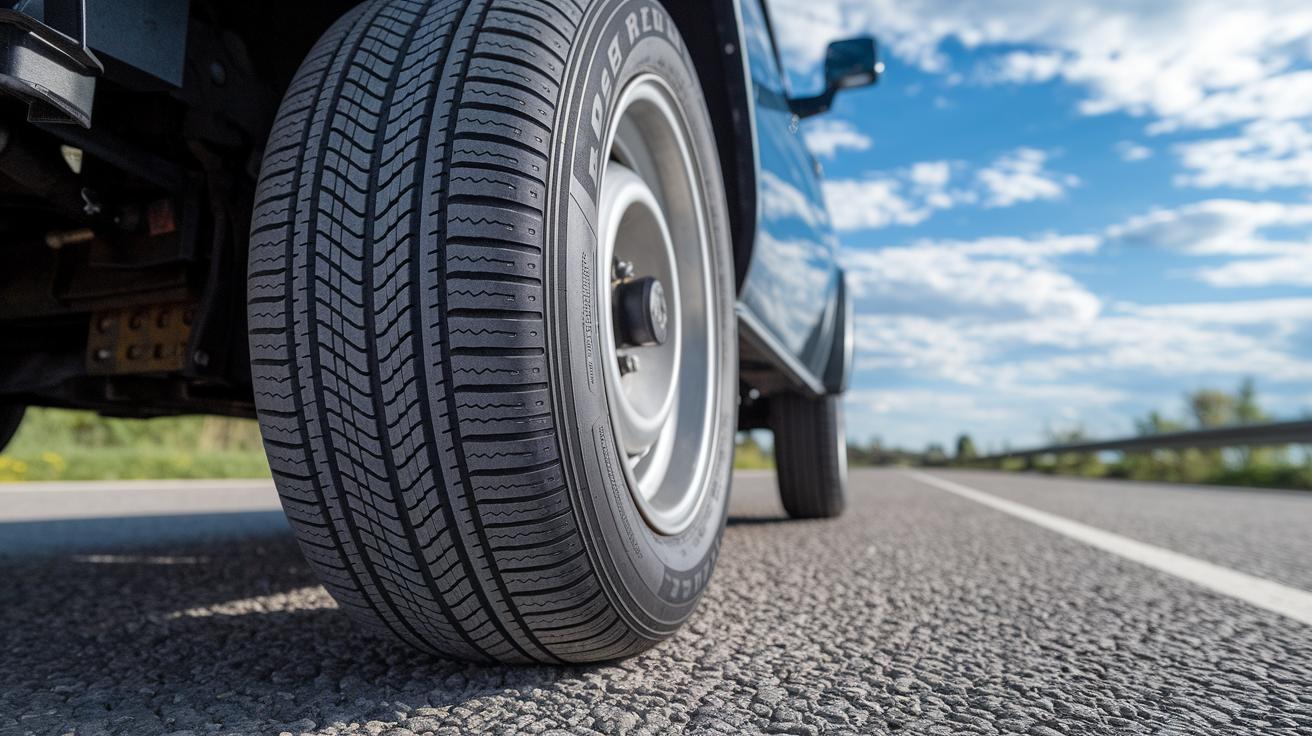
Low rolling resistance tires are built to keep you on the road for longer. They’re made with full treads and special compounds, which means you can drive farther compared to tires that have worn shallow treads. This smart design not only gives you a smoother ride and saves fuel but also helps the environment. It’s like having a tire that stays strong mile after mile, with even pressure to help stop quick wear.
Even though some of these tires might wear out a bit quicker than regular ones, the benefits over time really add up. Sure, these tires can cost a bit more at first, but you end up saving money with better fuel economy and longer tread life. Fewer tire changes and less fuel used mean more savings and less impact on our planet. In truth, the clever engineering behind these tires shows that investing in quality pays off with durability, longer life, and a greener drive.
Performance Trade-Offs and Safety Considerations in Low Rolling Resistance Tire Technology
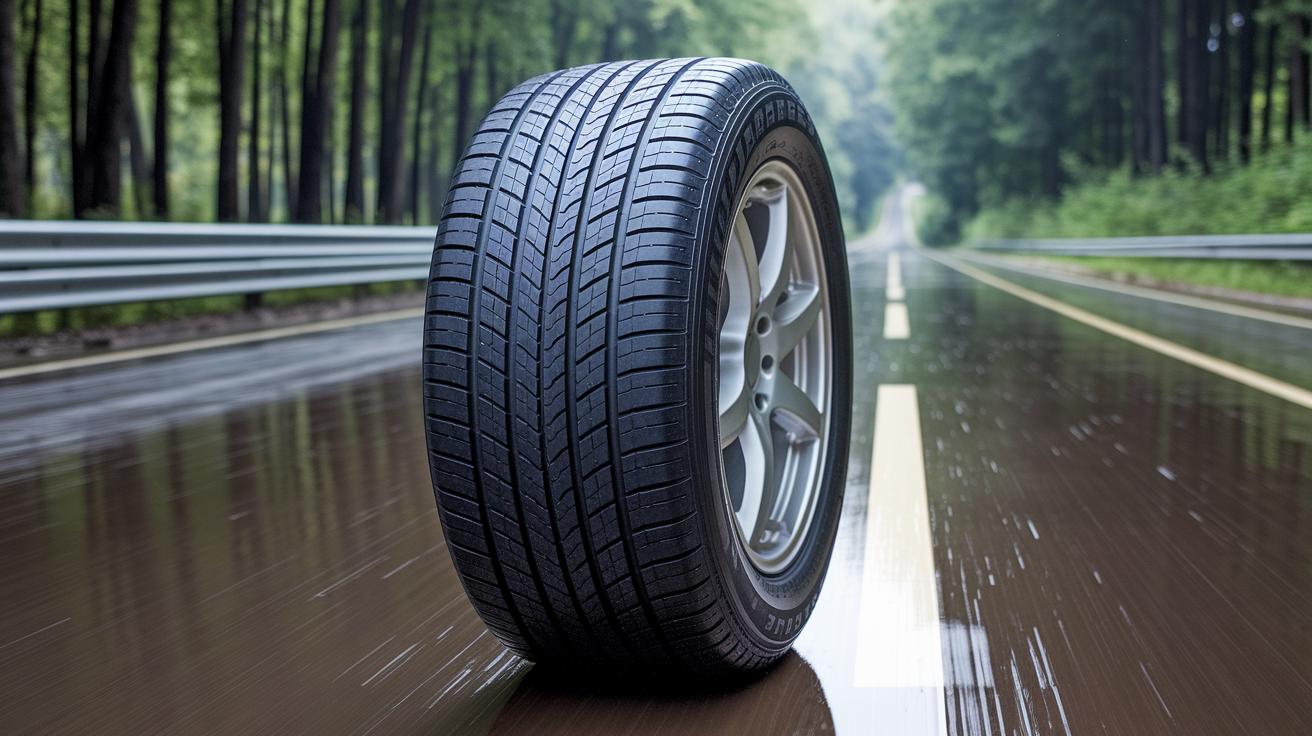
Some tires with low rolling resistance are made from harder rubber. This design helps save energy but can make the tire less sticky on wet or icy roads. That means you might notice more sliding when the road is slick or when it starts to snow.
These tires are also built to give you a quieter ride. They reduce noise and energy loss, but over time, they may lose a bit of grip. As a result, it can be harder to stay firmly on the road when conditions aren’t perfect.
They might also wear out faster than other tires. When the surface wears down, stopping quickly becomes more difficult. So, it’s a good idea to keep an eye on your tire tread to make sure you’re getting safe braking performance.
Even though these tires lower road noise for a smoother ride, they may require a longer distance to stop. This change is more noticeable on wet or cold roads. Regular inspections can help you stay confident and safe while driving.
Certification Standards and Consumer Guidance for Low Rolling Resistance Tire Technology
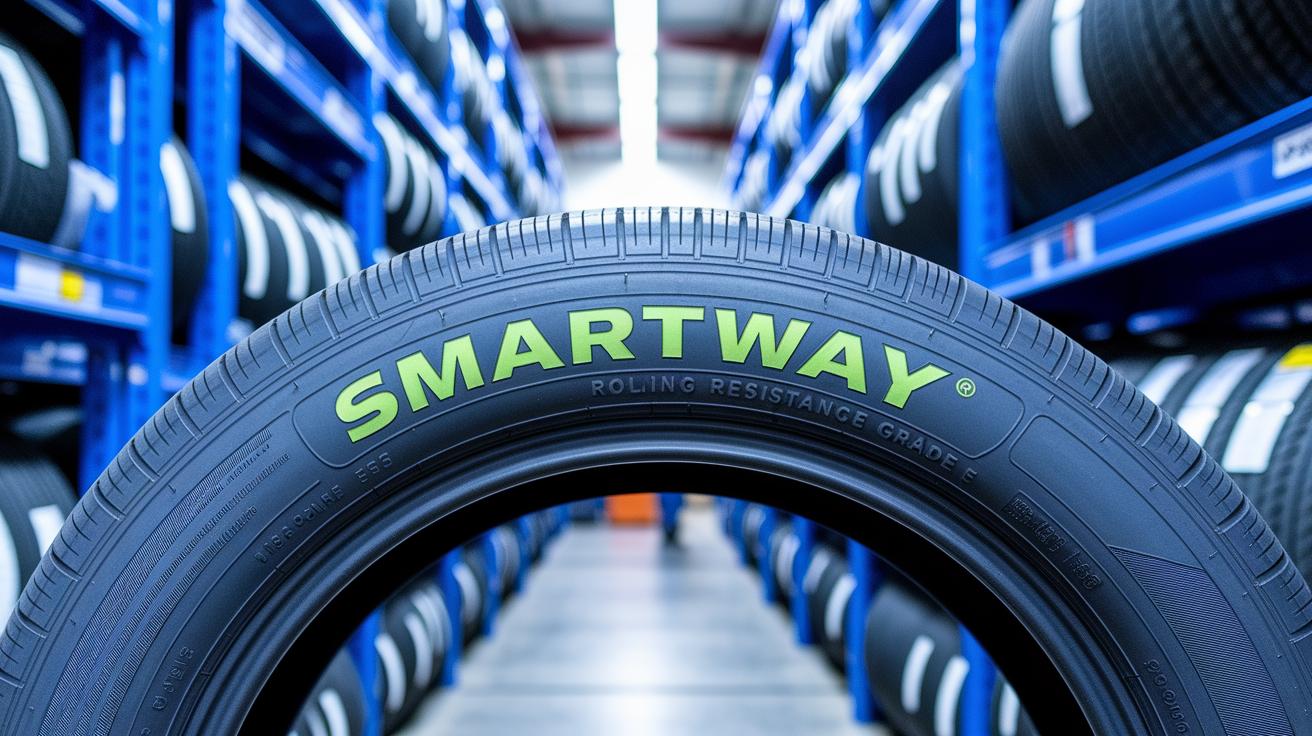
SmartWay-verified tires stick to EPA rules that help save fuel and cut down on pollution. Environmental experts suggest using these certified low rolling resistance tires (ones designed to reduce friction and help your car go farther on less gas) for fleet vehicles. This certification acts as a handy guide, showing that the tires meet strict safety and performance checks while supporting better fuel economy and lower emissions.
SmartWay and EPA Verification
When tires get certified, they go through a series of careful tests. They’re checked for fuel savings, how well they cut emissions, and even noise reduction. If a tire passes these tests, it gets a clear label. This gives fleet managers and everyday drivers the confidence that their tires meet all the necessary safety and eco-friendly standards.
Interpreting Tire Labels and Ratings
Next time you check out a new set of tires, look at the sidewalls for rolling resistance grades and performance ratings. These labels break down key details like fuel efficiency and tread design (the grooves that help with traction), making it easier to pick a safe and efficient option. Understanding these markings means you can choose tires that keep you safe and help your vehicle run greener.
Final Words
In the action, we broke down key topics like tire design, fuel savings, durability, and safety. We showed how tire compounds, tread patterns, and structural choices can boost both performance and efficiency. Next, we discussed certification tips that help you choose tires with confidence.
All these insights reveal how low rolling resistance tire technology cuts fuel use and lowers emissions. Energy efficiency paired with reliable performance makes for a smoother, safer drive. Enjoy the ride ahead with renewed optimism.
FAQ
Q: Low rolling resistance tire technology reddit
A: The low rolling resistance tire technology reddit discussions share practical driver experiences and real-world insights into fuel efficiency improvements along with subtle performance differences, sparking lively community debates.
Q: Low rolling resistance tires disadvantages
A: The low rolling resistance tires disadvantages highlight issues like reduced grip in wet conditions and potentially faster tread wear. These challenges are weighed against energy-saving benefits in various driving scenarios.
Q: Low rolling resistance tire technology pros and cons
A: The low rolling resistance tire technology pros and cons outline that while these tires boost fuel economy and lower CO₂ emissions, they may offer less traction on slippery surfaces compared to more traditional options.
Q: Low rolling resistance tire technology pdf
A: The low rolling resistance tire technology pdf search typically leads to detailed downloadable documents that explain technical specifications, fuel savings data, and performance metrics for these specialized tires.
Q: How to identify low rolling resistance tires
A: The how to identify low rolling resistance tires tip involves checking for sidewall labels that note rolling resistance grades and certification marks. These indicators help drivers find models geared toward improved fuel economy.
Q: Low rolling resistance tires list
A: The low rolling resistance tires list query refers to curated selections of tire models known for reduced energy loss, enhanced fuel savings, and reliable performance, giving drivers clear options to consider.
Q: Best low rolling resistance tires
A: The best low rolling resistance tires search spotlights top models that combine excellent fuel economy, quiet operation, and durable construction. Reviews and comparisons help pinpoint which tires excel in real-world conditions.
Q: Low rolling resistance tires vs regular
A: The low rolling resistance tires vs regular comparison shows that LRR designs cut energy loss and save fuel, while regular tires might offer better grip under certain conditions, offering a trade-off in overall performance.

