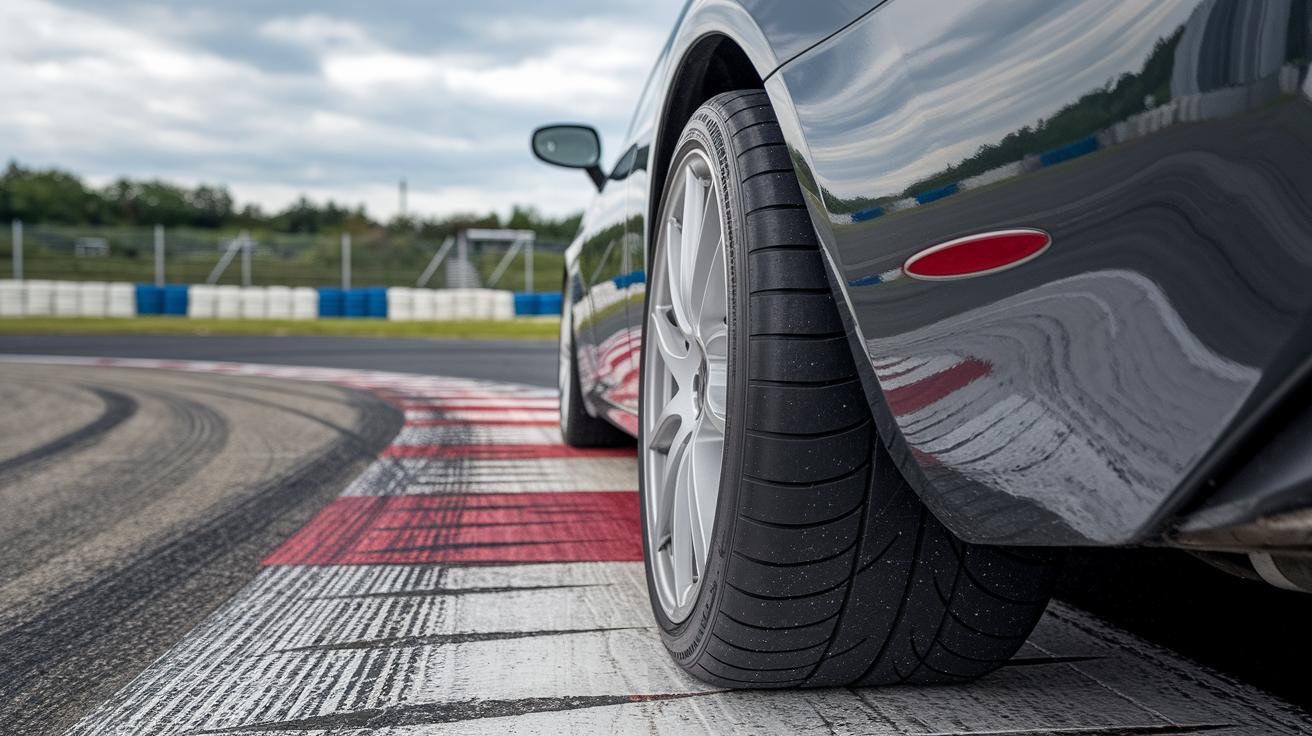


Ever think about whether spending more on high performance tires really matters? These tires trim your stopping distance, even when roads are wet. They are made with smart design and special rubber mixtures (blends that help the tire stick better to the road), which means they hold on tight and help you steer more crisply, almost like having a super-tuned brake system. Sure, they might make a bit more noise and need replacing a bit sooner. But when it comes to feeling safer and more in control, that extra performance might just be worth it.
Investment Value of High Performance Tires

High performance tires keep you safe with a great grip and solid traction. They use special tread patterns and rubber mixed with silica (that means the rubber holds on better and lasts longer) so you can drive with more confidence even when the roads are wet. These tires help cut down on stopping distance by moving water away from the tire surface, which lowers the chance of hydroplaning. Ever notice how a shorter braking distance can really change your drive? One test even showed they reduced stopping distance by almost a foot, much like having a finely tuned brake system. They also support quick starts and a really smooth ride.
Sure, there are a few trade-offs. These tires can be a bit noisier and might wear out around 5,000 miles sooner than your standard all-season ones. But if you’re after sharper braking, precise steering, and strong cornering whether it’s wet or dry outside, the benefits can really pay off. Many drivers find that the boost in performance, from faster acceleration to shorter stops, is well worth the extra cost. In truth, every drive feels safer and more responsive, making these tires a smart choice for anyone who values performance and safety.
High Performance Tires vs Standard Tires: Performance Comparison
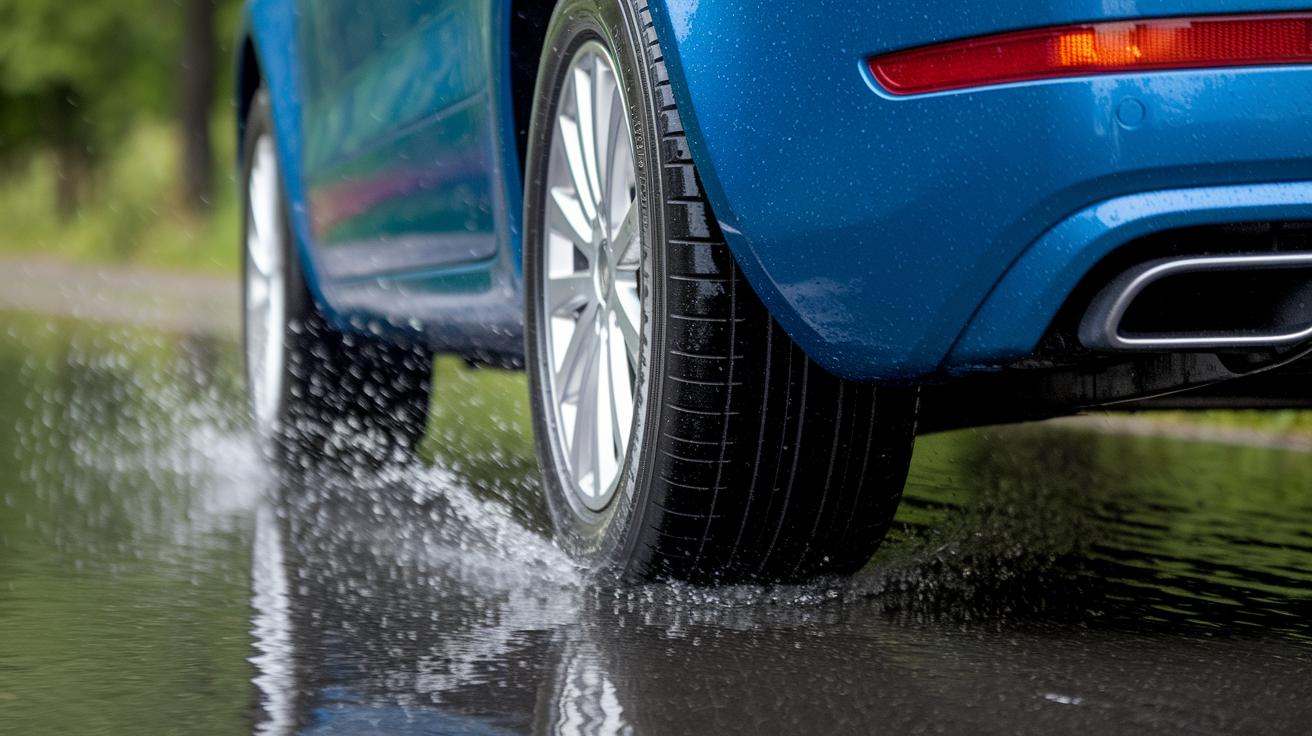
High performance tires outperform standard ones because of some smart tech features. They have a unique tread pattern. The outer blocks are larger to help you take corners with confidence, while the inner grooves quickly whisk water away (this helps avoid skidding). They’re made with advanced silica-based rubber, which keeps a good grip on the road while lasting longer. Plus, their firmer sidewalls make steering feel crisp and precise, as shown by independent tests.
These tires deliver real gains in control. They offer better grip on both dry and wet roads, with independent tests showing up to a 20% drop in braking distances. This means your car stops faster when you need it to. You also notice a tighter, more stable feel when taking sharp turns and a more responsive steering experience. And they handle water well, cutting down on the risk of hydroplaning in wet conditions.
For a closer look at the differences between high performance and standard tires, check out this detailed comparison: https://tityres.com?p=626
Cost and Durability Analysis of High Performance Tires
High performance tires usually cost more than your standard set, but they pack a punch when it comes to handling and grip. Studies show that regular all-season tires typically last between 55,000 and 85,000 miles, while performance tires tend to fall a bit shorter at 50,000 to 85,000 miles. Basically, you're looking at roughly 5,000 fewer miles. This happens because performance tires use softer materials (compounds), which heat up more when you push your car hard. That extra heat speeds up wear but also gives you that nail-biting grip and steering response many drivers love.
When weighing your options, the cost and how long the tires last are key points to think about. For those of us who face everyday traffic and enjoy the thrill of a spirited drive, it all comes down to balancing top-notch performance with tire longevity. Sure, you might need to change them a bit sooner, but the perks, like faster acceleration, sharper braking, and more precise steering, can be well worth it. Take the Bridgestone Potenza Sport AS, for example. It offers an average life of about 65,000 miles, striking a neat balance between excitement and reliability.
| Tire Type | Expected Mileage |
|---|---|
| Standard all-season tires | 55,000–85,000 miles |
| Performance tires | 50,000–85,000 miles |
| Bridgestone Potenza Sport AS | 65,000 miles |
This look into tire wear helps you decide if the trade-off between a premium ride and shorter lifespan fits your driving style.
Also, keeping an eye on tire temperature is important because higher heat can affect how long your tires stick around during long trips. Many drivers check this to see if the extra performance justifies a higher cost. In truth, understanding this mix of benefits and drawbacks makes it easier to see if high performance tires are the right choice for you.
Safety Benefits and Handling Reliability of High Performance Tires
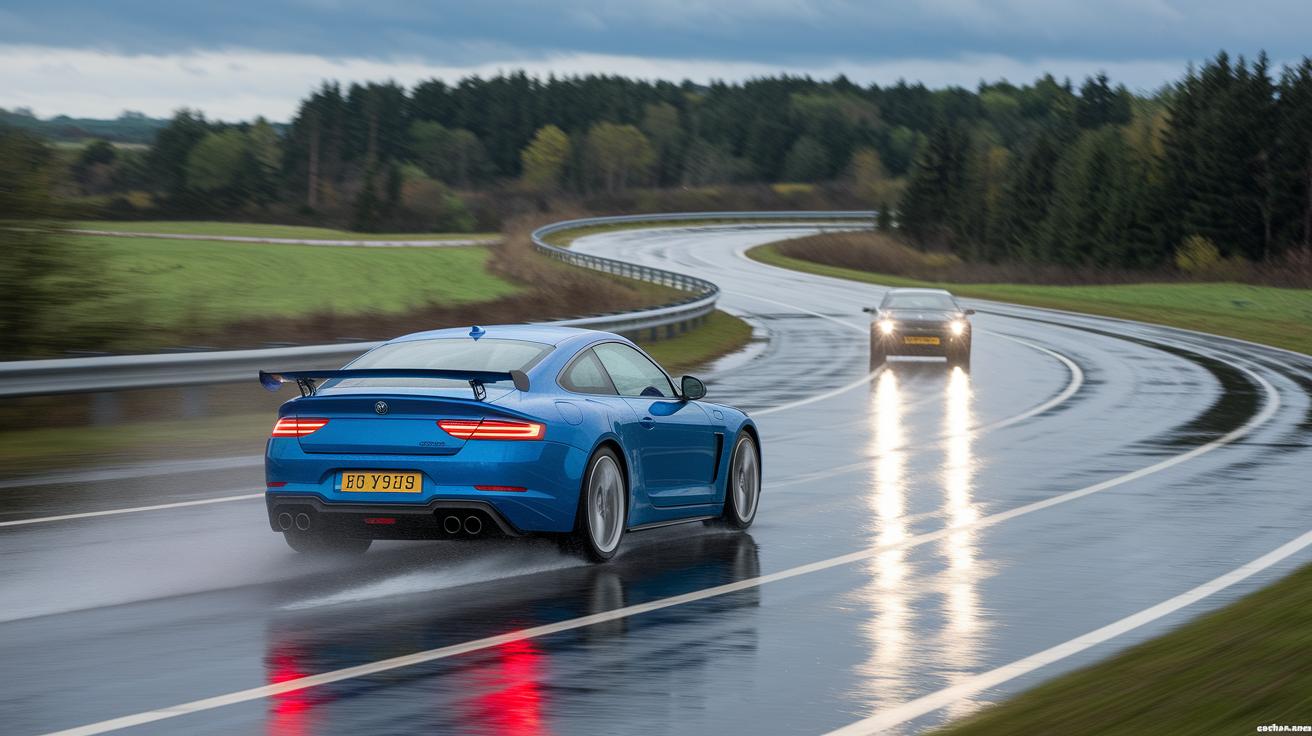
High performance tires help you stop faster and cut down on the chance of sliding when roads are wet. Studies have found that these tires can reduce the distance needed to stop by about 12% compared to regular tires. In one test, they trimmed stopping distances by nearly 12% when it was wet, which is pretty impressive.
New tests using modern driver-assist systems show that these tires keep your steering sharp and help you take corners confidently, even with the latest safety features in your car. Tire makers run tough speed and load tests to ensure every tire meets strict safety rules.
Recent checks also point out that the special rubber compounds in these tires not only boost performance but also lower the noise inside your car, giving you a smoother and quieter ride.
Maintenance Essentials for High Performance Tires
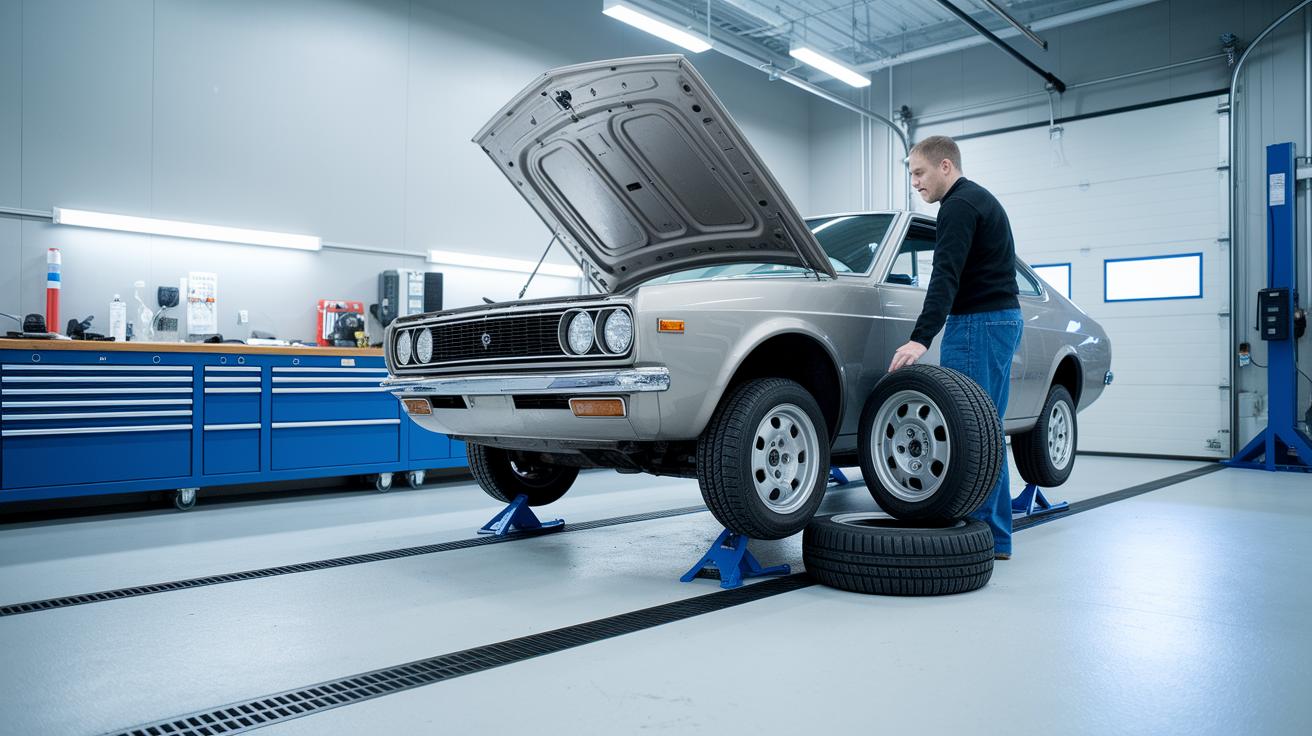
Taking care of your high performance tires is just as important as choosing the right ones. Shifting their spots and balancing them every 5,000 to 7,000 miles is like giving your wheels a little tune-up. Think of it like swapping seats in your favorite car so everyone gets a turn at the best view. This simple move helps them wear out evenly and stick around longer.
Every month, take a moment to check your tire pressure. It’s a lot like glancing at your fuel gauge before setting out on a long trip. The right air in your tires makes sure they grip the road well, which gives you that smooth, confident feeling behind the wheel.
Keeping your wheels properly aligned is a big deal too. When your wheels are lined up just right, your tires wear evenly and those little vibrations that can get in the way almost disappear. Proper alignment means a more comfortable ride with fewer bumps along the way.
Also, keeping the correct tire pressure helps cut down on friction (rolling resistance) and stops too much heat from building up. A cooler tire is a safer tire, making every drive feel a lot more secure.
If you want more handy tips on tire upkeep, check out this easy car maintenance checklist at https://unionno.com?p=269. Sticking to a regular maintenance routine is like having a trusted co-pilot, it keeps your investment protected and every trip as safe and smooth as possible.
What Experts and Drivers Say About High Performance Tires
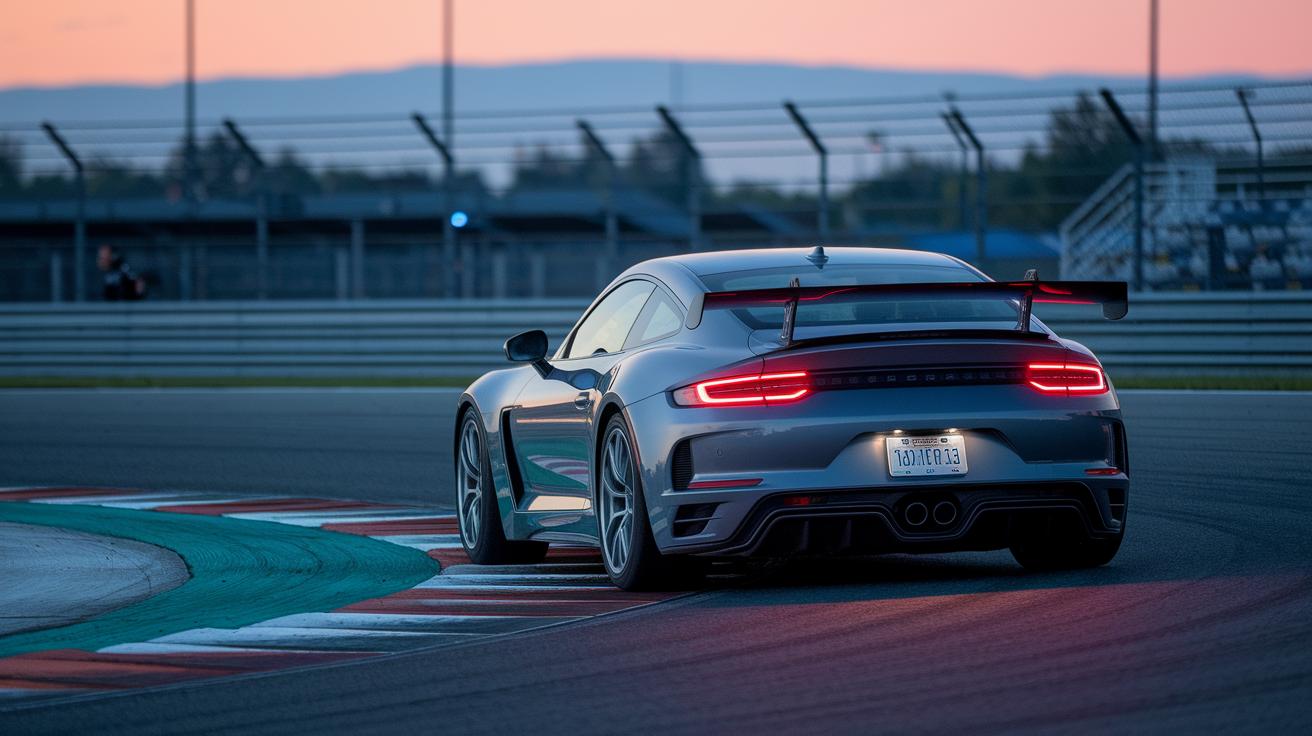
Many experts love high performance tires because they make your ride feel responsive and give you easy control when turning. Professional testers say these tires offer a natural, almost intuitive feel behind the wheel. Track-day fans even point out that the tires stick to the road when you take corners hard (lateral reaction is how the tire responds to sideways forces). Sure, you might notice a bit more road noise, but the improved grip and quicker handling are hard to beat.
Everyday drivers agree as well. They enjoy how these tires help the car hug curves at high speeds and cut down lap times, making every drive a bit more thrilling. For example, the Bridgestone Potenza Sport AS often earns praise for keeping its balance on wet, dry, and even light snowy roads. More drivers feel that better acceleration, smoother braking, and steadier cornering make these tires a smart choice. And if you're in need of guidance on picking the right tire, there's plenty of expert advice to steer you in the right direction.
Final Words
In the action, high performance tires boost traction, shorten braking distances, and deliver a smoother ride on wet and dry roads. They offer a balanced mix of cost and performance, with proven safety benefits and clear improvements in handling. Regular upkeep like rotations and proper inflation keeps these tires working their best. So if you’ve ever thought about it, are high performance tires worth the investment, the answer is a confident yes that helps drive safety and improved performance every time you hit the road.

