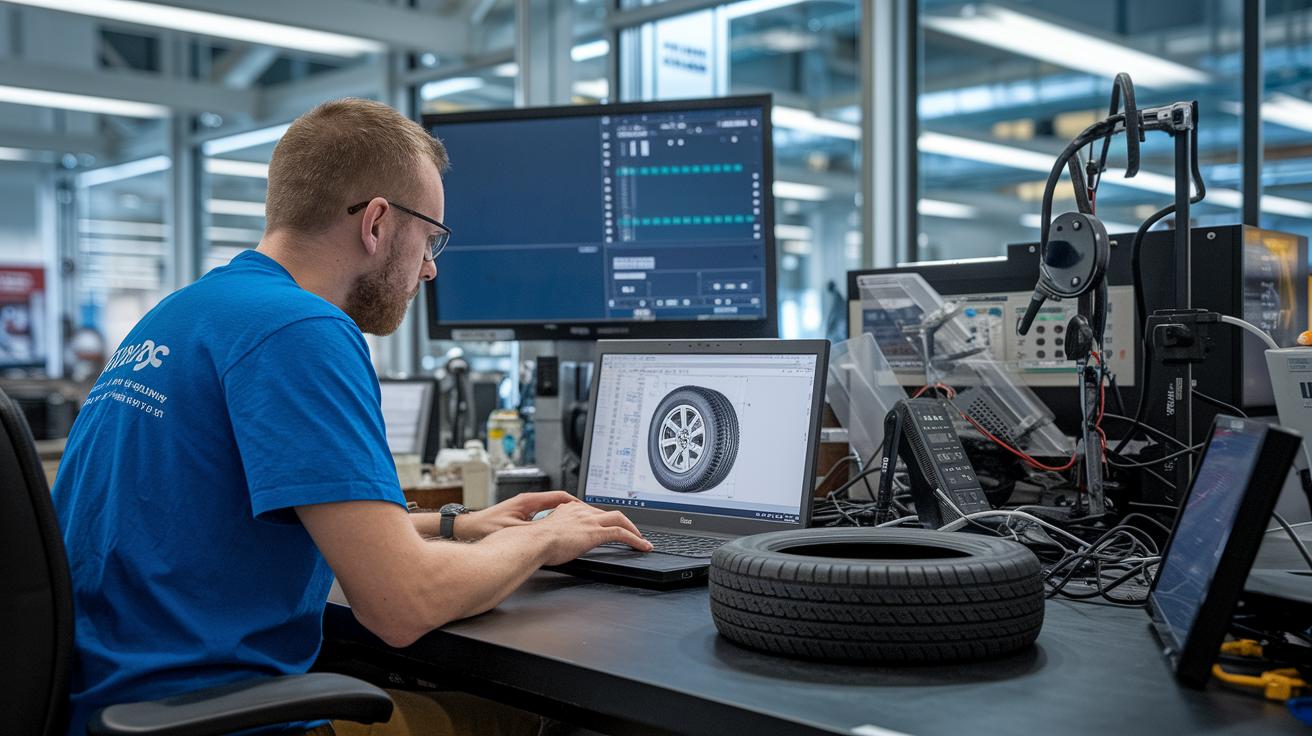


Ever thought about how your tires could be even smarter and safer? Engineers are now using computer simulations to test tire designs. It’s like taking the tires for a test drive on a virtual track.
This smart approach shows how a tire holds up when it faces heavy loads or high heat (imagine testing how fast the tire’s surface might wear down). By spotting any problems early, they can fix them before the tire ever hits the road. In truth, this method cuts costs and makes your ride a lot safer, so you feel more at ease every time you go out.
Comprehensive Insights into Tire Design Simulation Technology
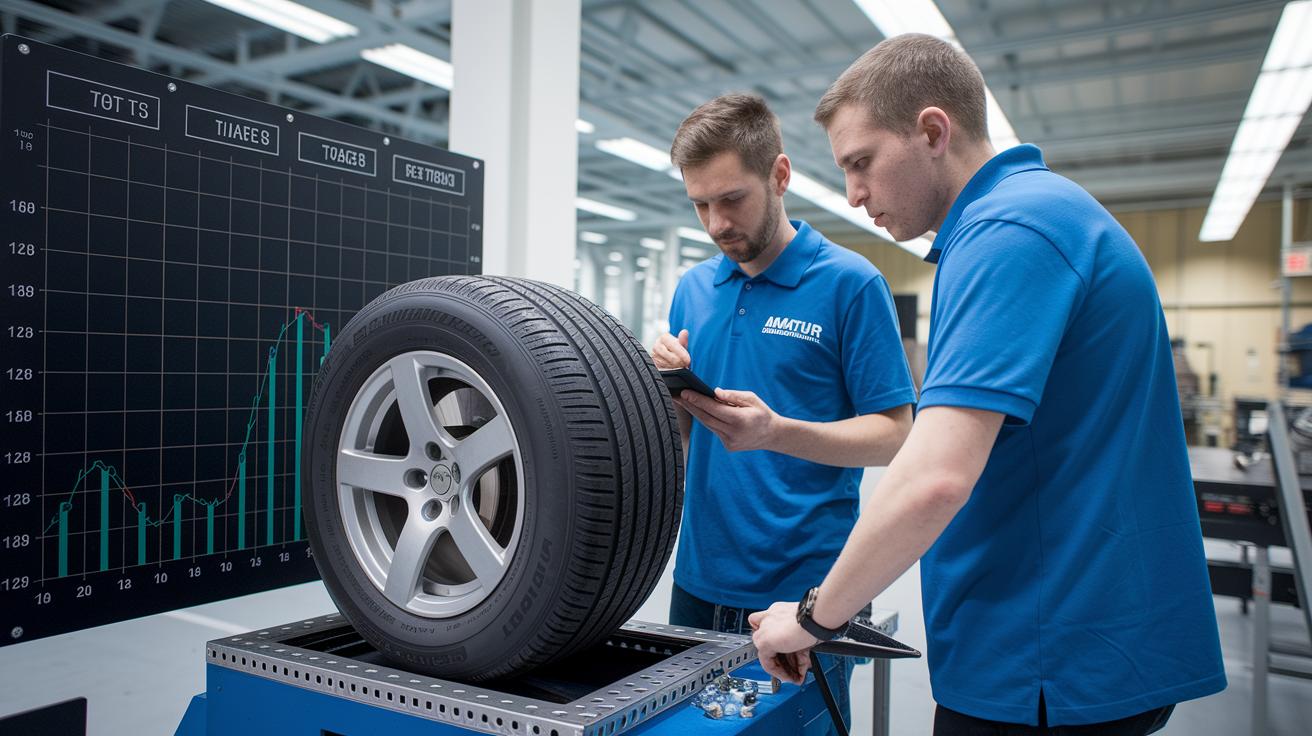
Tire design simulation technology helps engineers get a real feel for how a tire will perform on the road. It mimics real driving conditions, like heavy pressure on the tire (over 200 kPa) or hot and cold weather from –20 °C to 100 °C. This simulation makes it easier to see potential issues before a tire even hits the road. For example, it can show how a tire handles sudden stops or quick starts, creating safer and more dependable designs.
Using advanced computer models, tire makers can cut down on physical tests and prototypes. This speedy process not only saves time but also reduces costs. Think of it like a virtual test track where every bump and turn is already mapped out. This approach gives a clear picture of tire behavior and material interactions, which helps predict performance and lower risks.
Some of the main simulation tools work on these areas:
| Simulation Tool | What It Does |
|---|---|
| Finite Element Analysis (FEA) | Breaks down tire parts to see how they work under pressure |
| Dynamic Response Evaluation | Checks how the tire reacts to quick movements |
| Thermal Behavior Simulation | Examines how heat and cold affect tire performance |
| Durability Prediction | Estimates how long a tire will last under stress |
| NVH Performance Modeling | Looks at noise, vibration, and harshness for a smoother ride |
| Rolling Resistance Analysis | Assesses how friction affects fuel efficiency and grip |
These simulation tools work hand in hand to create tires that are fuel efficient, offer solid grip on the road, and keep drivers safe. With simulation technology driving new discoveries in tire design, every tire is built to meet today’s high performance and safety standards.
tire design simulation technology Boosts Innovation
We now use a neat computer testing method called finite element simulation. This test looks at how a tire slips by checking things like different speeds and grip levels (how well a tire sticks to the road). Introduced in 2024, it helps us see what happens when you accelerate fast or hit the brakes hard, so we can make tire rubber act even better and keep you safe.
Another simple way we test tires is by checking how long the side walls can last when they bend over and over – kind of like flexing during a workout. This method, developed around 2023, lets us watch the tire’s side as it handles repeated bending. It helps our designers spot trouble spots early on, which means you get a tire that lasts longer without surprises.
Then there’s our multi-step cornering test. Imagine a tire taking a curve while carrying a load; this method, introduced in 2022, shows us how the tire fights side forces on a twisty road. It’s a step-by-step look at things like pressure changes and how the tire shape shifts, ensuring a smooth performance even during challenging turns.
Lastly, our dynamic coupling analysis links the tire’s behavior with the car and the road. By using machine learning (computers that learn from data) and fine-tuning material settings, this test cuts down on extra computer work and gives a clear picture of real-world driving conditions. All these tests together help us design tires that are both safe and on the cutting edge of innovation.
Industry Simulation Software Platforms for Tire Design Technology
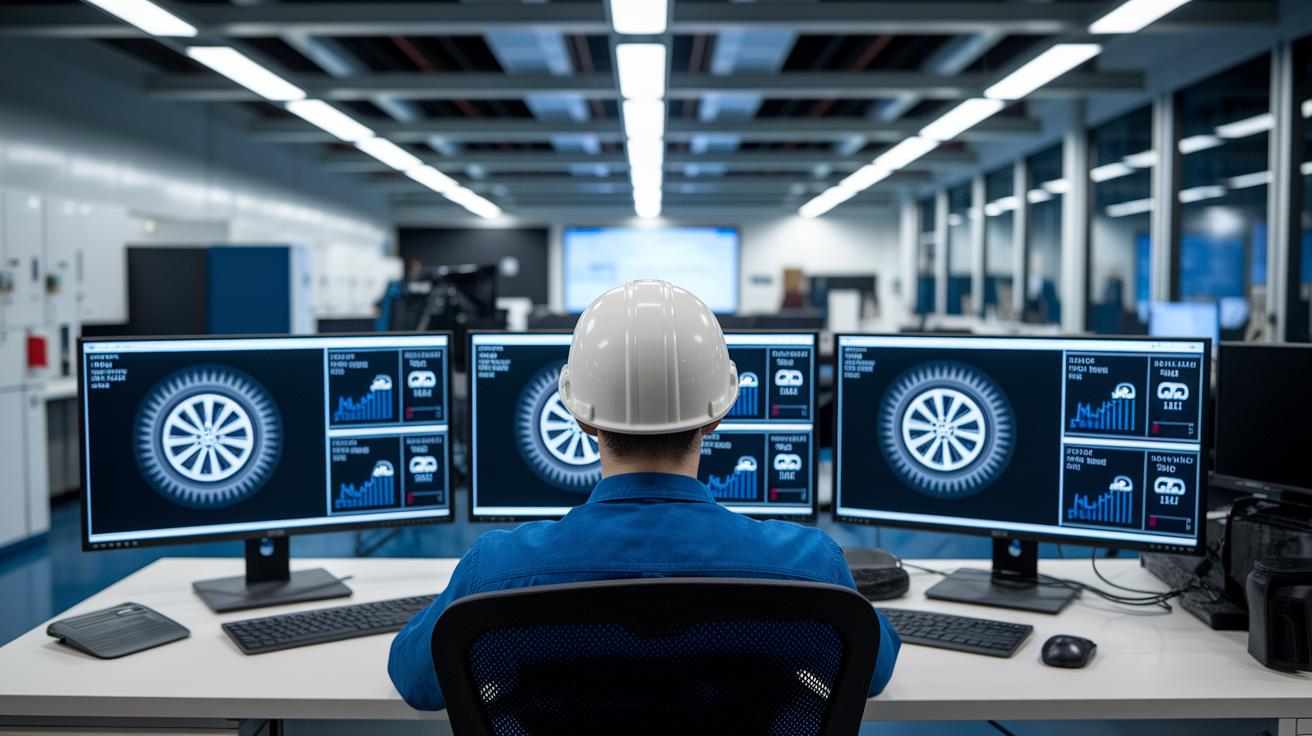
Simulation platforms like SIMULIA on the 3DEXPERIENCE Platform are really changing how tire engineers work. They cover everything from static and dynamic testing to checking how tires handle heat (thermal tests), wear over time (durability), rolling resistance, and even noise and vibration (NVH). It’s like having a whole digital tire lab that lets you prototype designs without getting your hands dirty. And with cloud-based sharing and a single licensing system, working with CAD and multiphysics programs is super simple. If you’re curious about top-tier simulation tools, have a look at this innovative tire technology platform at tityres.com that’s leading the way in virtual design and real-time calculations.
Other simulation software offers similar smart features, too. They provide easy-to-read graphic interfaces that help engineers make sense of tricky data. This blend of digital prototyping with fast, real-time computing means fewer physical tests and lower development costs. In short, these tools help designers predict how tires will act under different stresses and temperature changes, making the whole process smoother and more efficient.
| Tool | Developer | Key Analyses Supported | Integration Features |
|---|---|---|---|
| SIMULIA | Dassault Systèmes | Static/Dynamic, Thermal, Durability, Rolling Resistance, NVH | CAD, Multiphyics, Real-time Solver |
| VirtualSim | AutoTech | Dynamic Response, Stress Tests | Cloud Collaboration, Unified Licensing |
| ProtoTire | Innovatech | Wear Prediction, Fatigue Analysis | Graphical Interfaces, Digital Prototyping |
| TireLab | MotorSoft | NVH, Thermal Imaging | Virtual Design Environments, Real-time Models |
Virtual Prototyping and Manufacturing Simulation in Tire Design Technology

Virtual prototyping is a real game changer for tire makers. It lets engineers test out new designs on a computer before spending big bucks on physical builds. Instead of waiting until a tire is made, designers can simulate the whole process, including automated assembly and the way materials mix and cure rubber (curing means hardening the rubber in controlled conditions). By modeling things like vulcanization kinetics (how the rubber cures) and curing bladder dynamics (the way a curing bladder works), they catch weak spots early on. This digital trial run saves money and helps spot improvements that might be missed in actual tests.
Next, manufacturing process simulation brings automated design workflows to life. It covers many steps, from designing tiny studs to developing TBR tread-patterns (TBR stands for truck and bus radial tires, where the tread is a key element). Virtual tests let the team tweak material settings and process parameters so each step works just as planned. In truth, these digital checks help reduce expenses while making sure the tires can handle the mile after mile.
Then there are factory-level simulations, which add an extra bit of detail. Engineers build models that mimic real, busy production lines. They test material-mixing processes under everyday production pressures and see how automated systems hold up over time. By simulating everything, from accurate material property tests to the flow of the assembly line, designers can fine-tune each part of the process. This digital approach not only makes production smoother but also helps extend the life of the tires, keeping design costs low and quality high.
Case Studies of Tire Design Simulation Technology
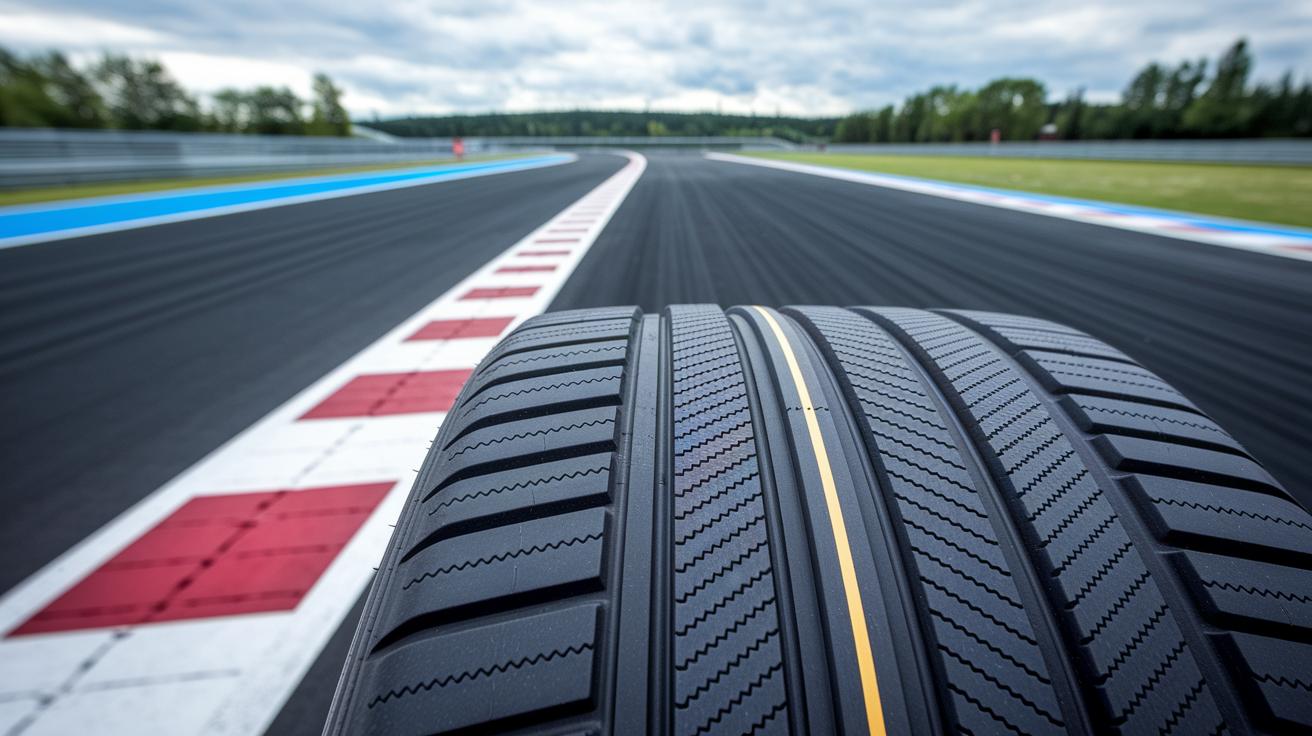
We've rechecked how tires slip along their length by using new friction models and fresh data. The latest tests show slight shifts in grip and slide during both speeding up and slowing down. It’s a bit like watching a car react to different road textures, very clear evidence that our simulation now mirrors real-world driving even better.
Our sidewall fatigue analysis has also gotten a boost. We now look closer at how the tire sidewall bends repeatedly, spotting stress spots more accurately. Think of it like watching a band flex under pressure. This extra detail gives us more confidence in predicting where wear might start.
When it comes to cornering and predicting tread wear, we’ve made things simpler. We now focus on how friction plays out along each strip of the tire. This tweak gives us a clearer picture of how quickly the tread can wear down when taking sharp turns.
Lastly, our rolling resistance forecasts have been updated using a new method similar to Fourier-leaf transformation. This step helps us see exactly how design tweaks can affect fuel efficiency, much like fine-tuning an engine for better performance.
Future Trends in Tire Design Simulation Technology
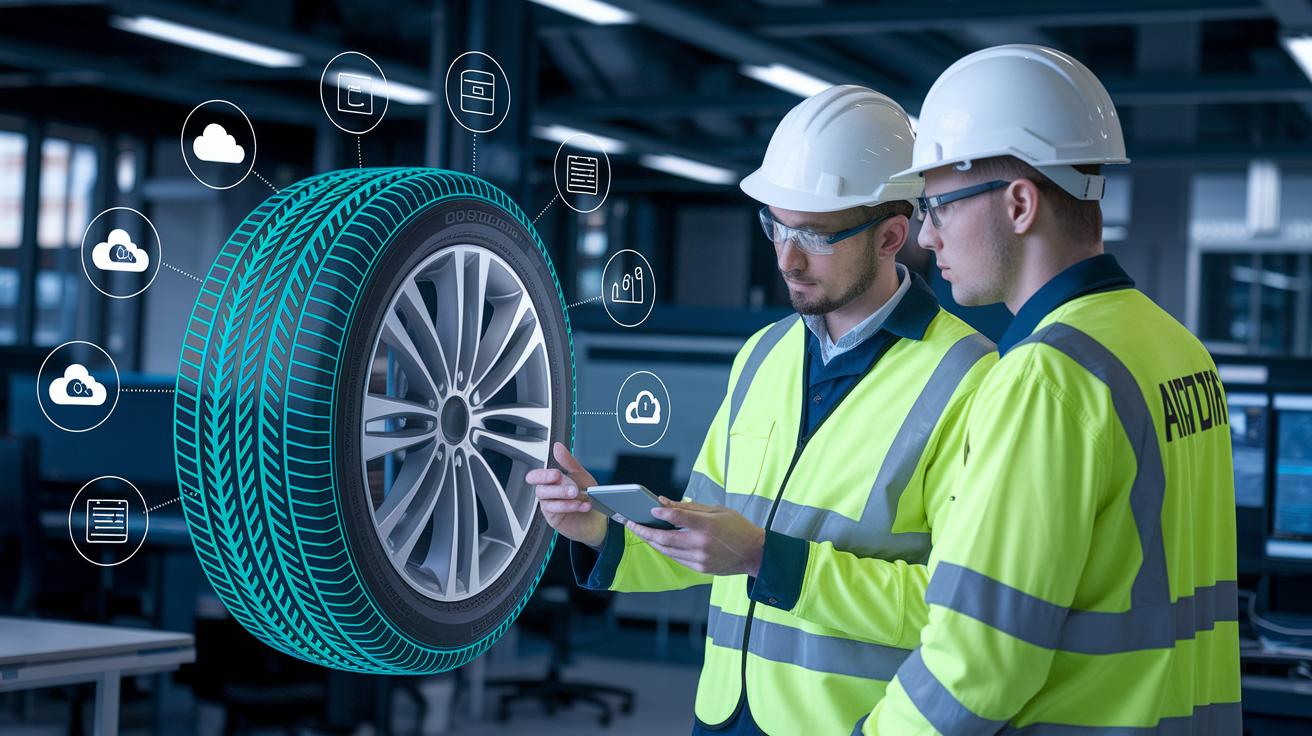
Imagine a future where tire design feels as smooth as a Sunday drive. Engineers are now mixing high-detail modeling with smart AI tools to create digital twins (virtual copies that show real-time behavior) of tires. They use machine learning to pick up on tiny changes in the tire, like slight tread wear (the little bits that wear down on your tire) or shifts in pressure as you drive. This smart mix helps them understand how rubber, friction, and weather interact, reducing the need for endless physical tests.
Next, cloud-based computing is speeding up teamwork among design teams. They can update their simulations instantly, making work feel as fast as a pit stop. There’s also a move towards eco-friendly design methods, where simulations predict how tires can be tougher on the road while being kinder to our planet. Imagine a simulation that tweaks design choices to save energy and boost grip, it’s a win-win for performance and the environment.
These cool new tools are truly changing the game. They lead to safer, longer-lasting tires, cut down on costs, and lower environmental impact, setting a new standard in tire development.
Final Words
In the action, we covered how modern tire design simulation technology drives innovation, safety, and performance. We touched on core simulation methods, explored leading software tools, and discussed virtual prototyping and manufacturing approaches.
We reviewed case studies showing practical applications and then peeked into emerging trends. With expert insights into performance prediction models and advanced simulation methods, every driver can appreciate how these tools make our roads safer. Stay confident knowing cutting-edge tire design simulation technology is paving the way for reliable rides ahead.
FAQ
How does the tire design simulation technology tutorial work?
The tire design simulation technology tutorial explains the simulation process step by step, covering methods like finite element analysis (a way to test material behavior) and dynamic response evaluation to boost performance and safety.
What does the tire design simulation technology PDF include?
The tire design simulation technology PDF includes detailed explanations of simulation methods, performance predictions, and safety assessments, highlighting key aspects like contact patch pressures and thermal behavior.
How does tire simulation software streamline design efforts?
The tire simulation software streamlines design efforts by reducing reliance on physical prototypes, shortening development cycles, and integrating tools such as FEA and thermal simulation to improve safety and performance.
What role does Simcenter Tire play in simulation?
The Simcenter Tire plays a role by offering comprehensive simulation features that cover durability prediction, NVH performance evaluation, and dynamic response analysis, all tailored to ensure safe and innovative tire design.

