


Ever wonder if your tires are giving you hidden hints about how they really perform? High performance tire ratings let you see what your tires are truly capable of. This system has been around since the 1970s and uses simple numbers and letters like a quick update from a reliable mechanic. In this post, we break down tire ratings so you can feel confident that your tires are ready for safe, fast driving.
How High Performance Tire Ratings Provide Performance Clarity
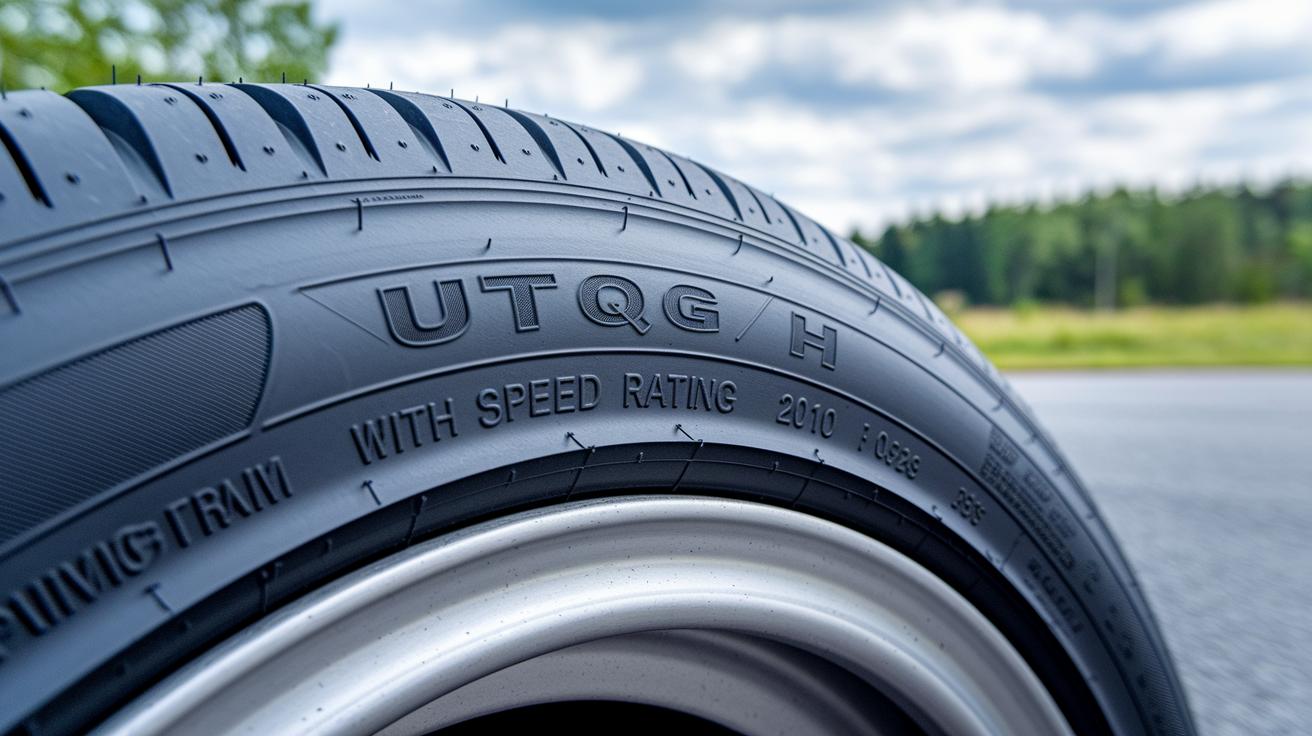
High performance tire ratings give you a clear look at what your tires can really do on the road. These ratings have been around since the 1970s, and they break a tire’s abilities into simple, understandable parts. Back then, the government set up a system, called the Uniform Tire Quality Grade, to help match a tire’s skills to what your car needs.
One handy detail is the speed rating letter at the end of the tire size code (like in “P215/65R15 95H”). That letter tells you the top speed the tire can safely handle. For instance, if you see an H, it means the tire is built for speeds up to 130 mph. Think of it like a little road sign that guides you, making sure the tire suits your driving style, whether you’re choosing an all-season tire or a performance one.
Here’s why these ratings really matter:
- They show you how tough the tire is and its safe top speed.
- They break things down in a clear, everyday language.
- They let you compare tire performance easily across different types.
When you take a close look at a tire’s code, it’s like getting a quick status update from a trusted mechanic. It tells you all about its endurance and speed, so you can pick the right set for any road trip ahead.
Uniform Tire Quality Grade Metrics for High Performance Tires

When you're picking high performance tires, the UTQG system gives you an easy look at what a tire can do. It was created back in the 1970s so drivers could quickly see how long a tire might last, how well it holds up on wet roads, and how it manages heat on long trips. High performance tires usually score well in these tests, which helps you feel safe and sound on every drive.
The UTQG rating breaks down into three simple parts:
- Treadwear rating: This is a number (like 300) that tells you how long a tire is expected to last compared to a standard tire tested in a lab. A bigger number means the tire could go further before its tread wears out.
- Traction grade: Given as letters such as AA, A, B, or C, this grade tells you how well a tire grips on wet roads. For example, a tire with an AA rating typically stops quicker in wet conditions, so you’re less likely to skid.
- Temperature grade: Rated from A to C, this part checks how well a tire handles heat (the buildup from friction). An A rating means the tire is really good at keeping cool, which is important for staying safe, especially when you're speeding.
These grades come from tests done in controlled lab conditions. For instance, the treadwear test measures how fast a tire's tread wears down compared to a reference tire. Traction tests look at stopping distances on wet roads, while temperature tests make sure the tire can deal with heat as the speed climbs.
Each part of the UTQG system gives you a clear picture of how a tire will perform. This makes it easier to find tires that match your driving style and your car's needs. Once you get the hang of what these numbers and letters mean, you can confidently choose high performance tires that are both durable and great at handling.
Speed Symbol Ratings in High Performance Tires
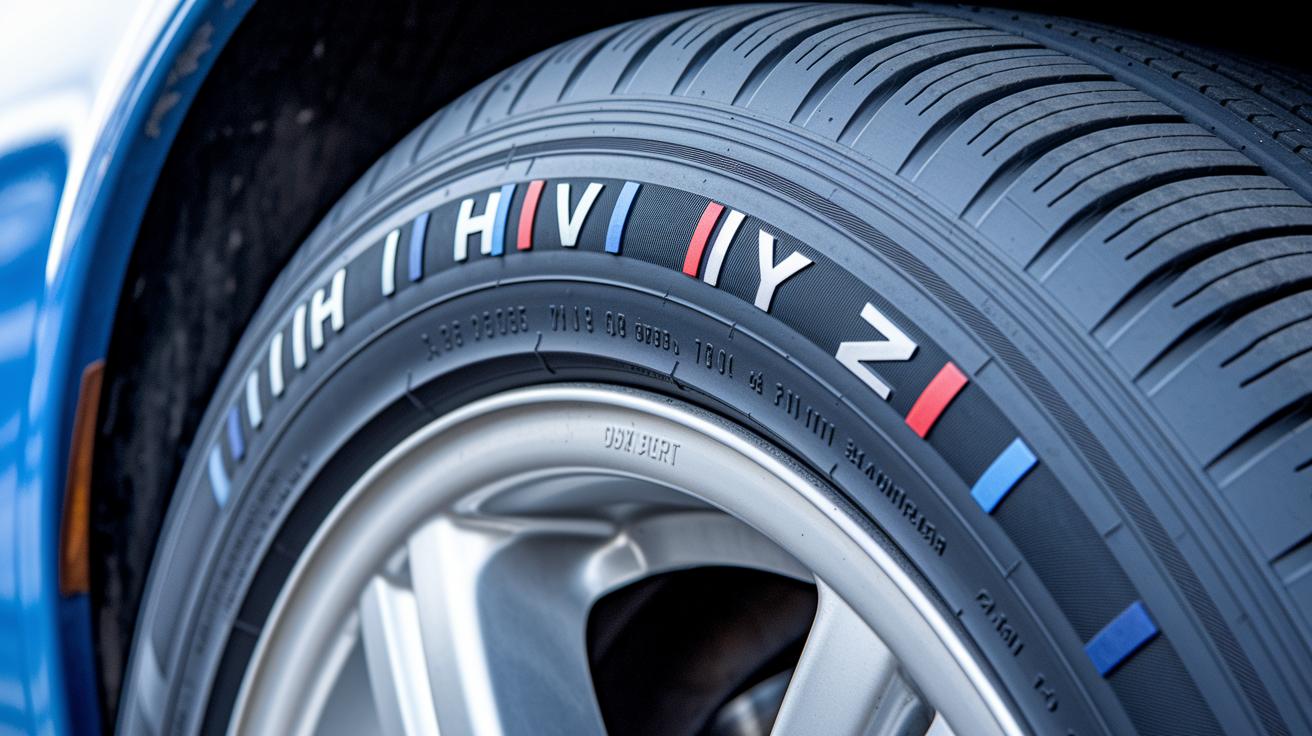
Speed ratings show you the top speed a tire can handle safely while carrying a load (how much weight the tire supports at that speed). The letter at the end of a tire's size code, like in "P215/65R15 95H," tells you this info. For example, an H rating means it's safe up to 130 mph. It’s a quick way to see if a tire can keep up with your ride. Did you know these ratings started in Europe back in the 1960s when cars began to speed up? It made sense to have a simple code that explained tire performance.
Modern tires use different letters to show how they perform as speeds go higher. A V rating means the tire can handle speeds up to 149 mph, while a W rating is safe up to 168 mph. And if you see a Y, the tire is made for speeds up to 186 mph. In the past, you might have seen a Z rating for tires meant for over 149 mph, but now you might notice ZR on tires built for high-speed performance. With ZR, you'll need to check extra charts for more details.
| Rating Letter | Max Speed (mph) |
|---|---|
| H | 130 |
| V | 149 |
| W | 168 |
| Y | 186 |
| ZR | High-speed performance (refer to charts) |
Knowing these symbols can make a big difference when you’re picking tires. Always match the tire’s speed rating to your driving style so you stay safe on the road.
Reading Sidewall Codes: Load Index and Structural Marks for Performance
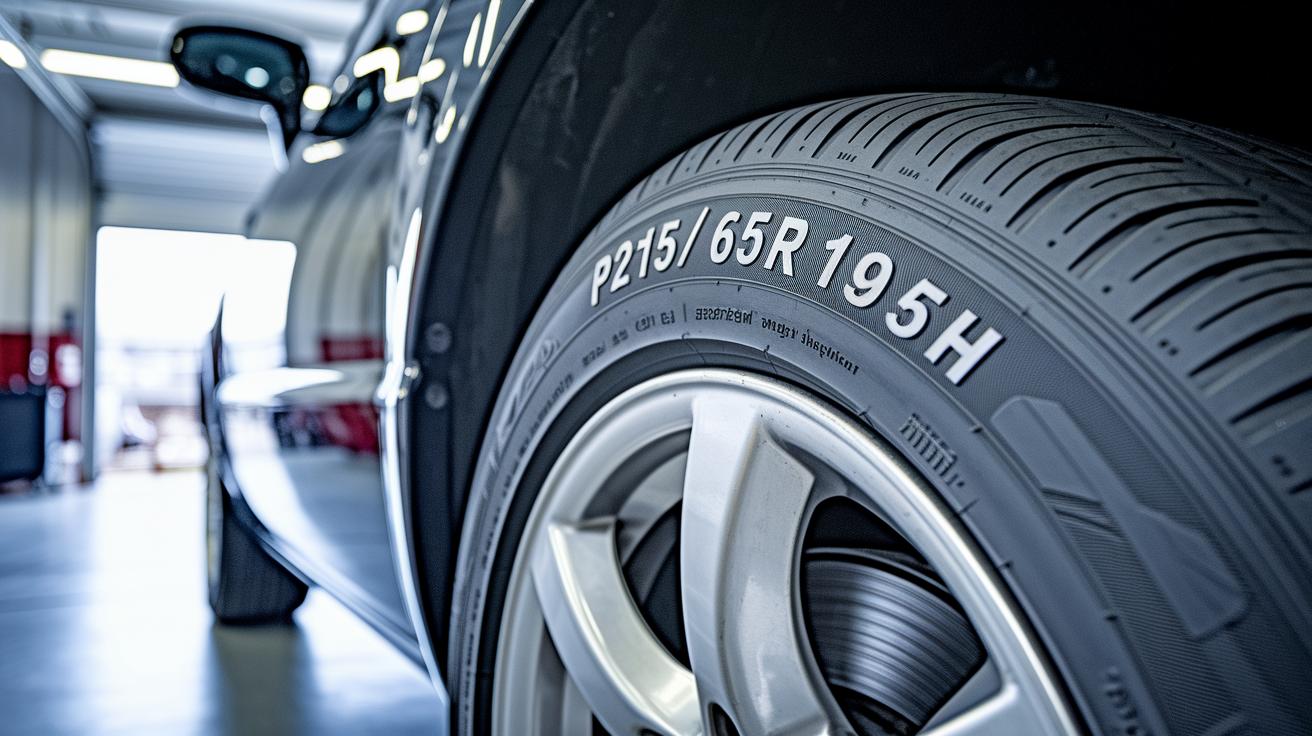
Ever glance at your tire's side and wonder what those codes mean? When you spot something like "P215/65R15 95H," you're really looking at a quick snapshot of your tire’s key details. It tells you the tire's width, its height compared to its width (aspect ratio), how it’s built, and what size rim it fits. The number 95, called the load index (which shows the maximum load the tire can handle when properly inflated), is like a report card for your tire's strength.
You'll also notice a speed rating at the end, like the letter H. That tells you how fast the tire can go safely. But while speed ratings focus on safe speeds, load indexes are all about weight capacity. Keeping your tire properly inflated is crucial because it makes sure the tire really meets that load capacity. When you check both the load index and your tire pressure, you get a clear picture of your tire’s overall strength and dependability on the road.
Comparing High Performance Tire Categories Using Ratings

When you’re picking tires for your car, the ratings give you a quick look at what each tire type brings to the table. High performance summer tires are made for drivers who need the best grip on dry roads. They often have higher speed ratings and use softer materials (softer compounds mean the tire reacts fast and hugs the road well).
On the flip side, all-season ultra-high performance tires try to give you the best of both worlds. They come with moderate speed ratings and use a tougher material that helps the tire last longer. This makes them a smart choice if you deal with changing weather and different road surfaces. They perform well in the wet and can handle heat better.
Key points to note:
| Aspect | Summer Tires | All-Season Ultra-High Performance Tires |
|---|---|---|
| Tire Speed Ratings | Higher ratings for top performance on dry roads | Moderate ratings suitable for various conditions |
| Material Softness | Softer compounds boost grip on dry surfaces but can wear faster | Tougher compounds for a longer-lasting tread |
| UTQG Ratings | Helps compare how tires handle wear, traction, and heat | Also used to check everyday tire performance |
By looking at these ratings, you can pick the tire that best suits your car and driving style, whether that means going for the bold, quick response of summer tires or the balanced, all-weather performance of all-season options.
Applying High Performance Tire Ratings to Tire Selection

Start by using the tire ratings we mentioned earlier to match your car's needs. Think of it like checking off a list before a long drive. Instead of getting caught up in details like speed ratings or UTQG numbers (which show how fast a tire might wear out), focus on what matters for a safe and smooth ride.
Picture this: You check your vehicle's requirements just like you check your fuel gauge before a long trip. It’s a smart way to confirm the tire ratings fit your driving habits.
Selection Checklist
- Confirm your car’s speed and load needs
- Look at UTQG treadwear numbers (how quickly the tire’s surface wears out) to see if they match your mileage goals
- Make sure the tire's speed symbol suits your everyday driving pace
- Check traction (the tire’s grip on the road) and temperature ratings (how well a tire performs in heat) for roads you usually drive on
- For more details on advanced tire compounds, visit the "high performance tire technology explained" page
For a clear, step-by-step guide, be sure to review the "how to choose the right high performance tires" section.
Final Words
In the action, this article unpacked how tire ratings bring clarity to performance. We broke down UTQG metrics, treadwear (how long a tire might last), traction (stopping ability on wet roads) and temperature (heat resistance), alongside speed symbols like H, V, and Y. Each section helped explain sidewall codes and compared tire categories used on different vehicles. We also shared a simple checklist for selecting the right tire. Thanks to these insights, understanding high performance tire ratings is easier, giving you the confidence to choose well and drive safely.
FAQ
What does understanding high performance tire ratings for Michelin mean?
Understanding Michelin’s high performance tire ratings means knowing how UTQG scores, speed symbols, and load indexes work to show tire durability and safe speed limits designed for everyday efficiency.
What is a tire speed rating chart?
A tire speed rating chart shows which letter corresponds to a tire’s safe speed range, like H for up to 130 mph and V for up to 149 mph, helping drivers pick tires that fit their driving style.
What does a tire load rating chart indicate?
A tire load rating chart indicates the weight a tire can support when properly inflated, using load indexes that match each tire to a specific maximum load capacity for safe driving.
What does the tire load index mean?
The tire load index means each number on the sidewall shows a tire’s maximum safe load capacity, ensuring that the tire can support the vehicle’s weight under proper inflation.
What does a speed rating V mean?
A speed rating V means the tire is designed to handle speeds up to 149 mph, ensuring safe performance during high-speed driving when paired with proper vehicle load and maintenance.
What are tire load ratings?
Tire load ratings refer to measurements that indicate a tire’s maximum weight capacity, helping drivers match tire capabilities with their vehicle’s requirements for safe and reliable performance.
What does a tire speed rating H represent?
A tire speed rating H represents that the tire is rated for speeds up to 130 mph under correct load conditions, guiding drivers on safe speed limits for everyday use.
What is a tire rating chart?
A tire rating chart brings together various metrics like UTQG scores, speed ratings, and load indexes, offering a clear overview of a tire’s performance and safety features.

