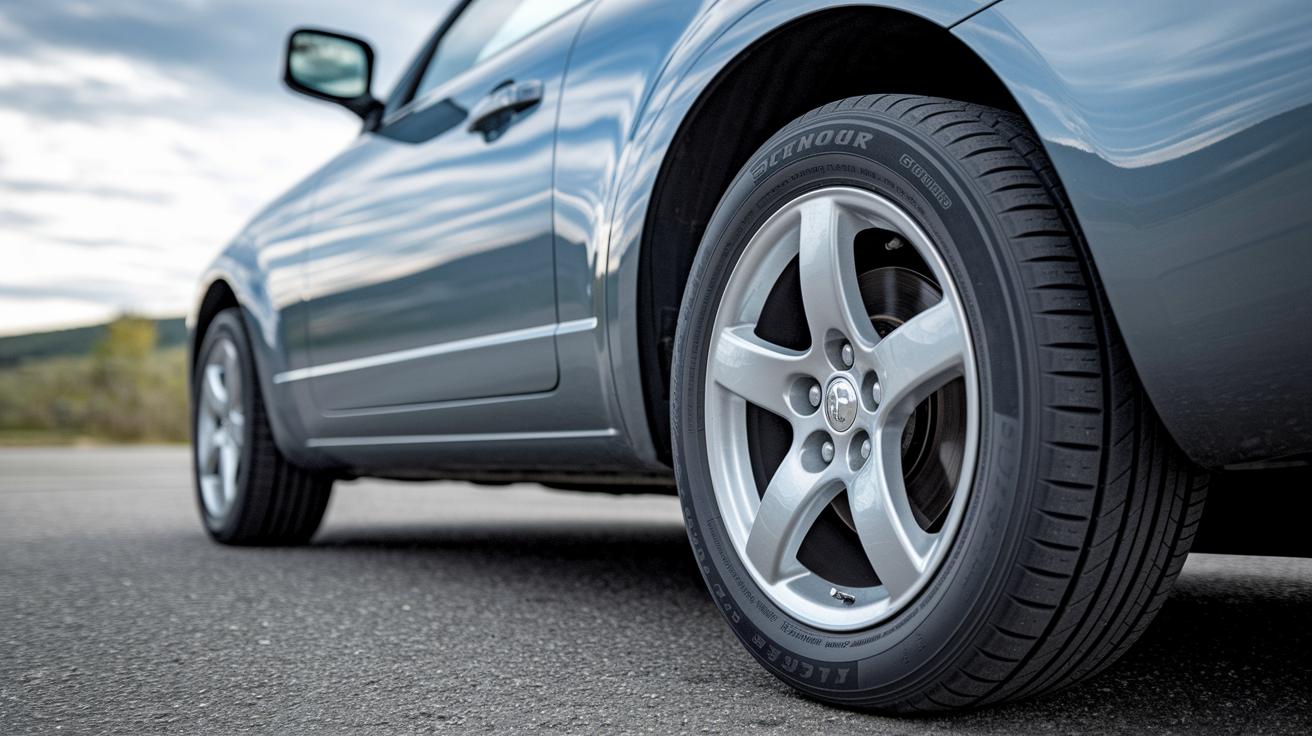


Ever wonder if your tires might be smarter than they appear? Today's smart tire tech uses little sensors that check your tire pressure, temperature, and road grip (how well your tires stick to the road). It’s like having a friendly co-pilot who alerts you about small issues before they turn into big problems. In this post, we'll show you how these sensors work in real time to keep your ride smooth and safe. Keep reading to see how this smart system makes everyday driving feel more secure and confident.
How Smart Tire Technology Works: Real-Time Monitoring and Safety
Smart tire technology uses tiny sensors attached to the inside of your tire to keep an eye on things like pressure, temperature, and the road around you. These sensors send info straight to your car’s control unit using wireless tools like Bluetooth or CAN bus, kind of like checking your car’s vital signs every time you drive.
This smart system tracks a few key details:
| Recorded Detail | What It Means |
|---|---|
| Tire pressure levels | How much air is in your tire |
| Temperature readings | How hot your tire is getting |
| Tread-depth measurements | Shows tire wear (it’s flagged when the tread drops to 2/32″) |
| Friction coefficient | How grippy your tire is |
| Environmental data | Road condition info like humidity |
This continuous flow of data can trigger an alert if something’s off. For instance, if your tire pressure suddenly drops, you’ll get a warning before a small problem turns into a big one. And if the road gets slick, the system quickly notices the change in grip, helping adjust things automatically for a smoother ride. It’s like having a friendly co-pilot who keeps you informed about what’s happening under your tires, making your drive safer and more relaxed.
Benefits of Smart Tire Technology for Vehicle Performance and Safety
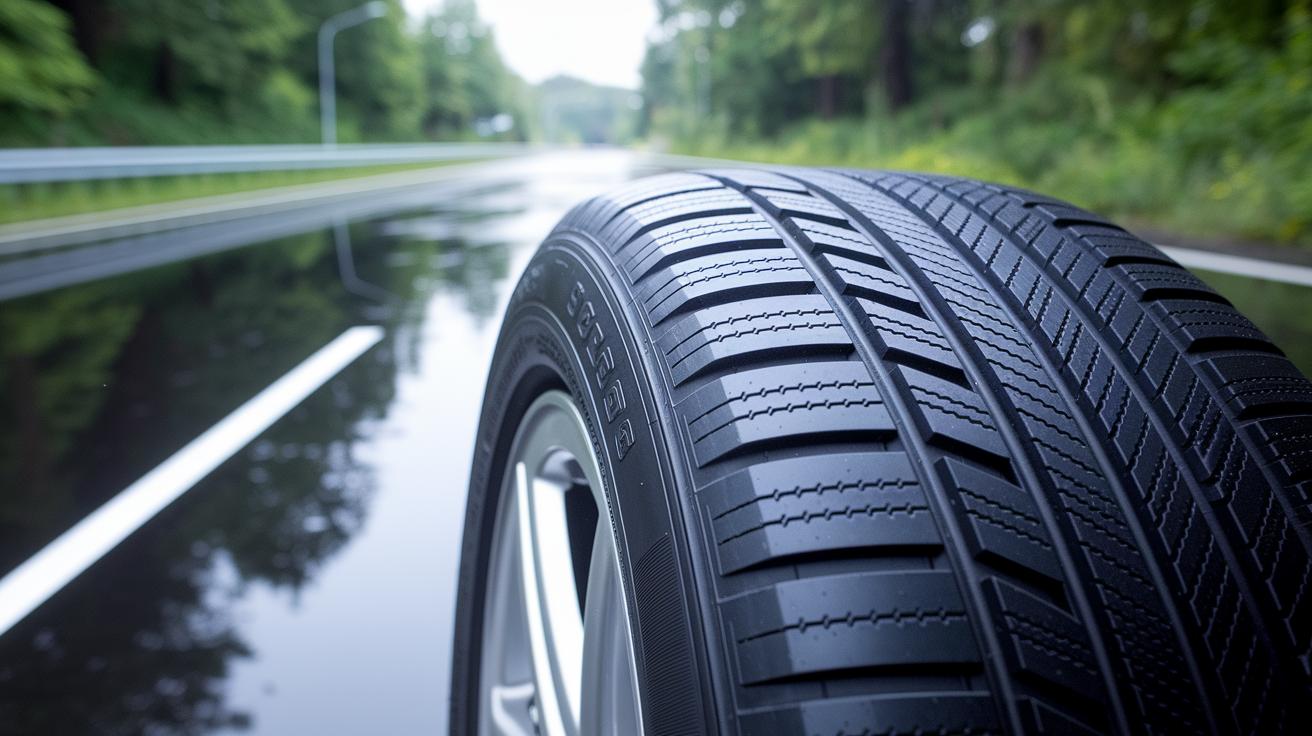
Smart tire technology gives you extra peace of mind when you're on the road. Built-in sensors keep an eye on your tire pressure all the time and quickly let you know if something’s off. It’s like having a friendly co-pilot who warns you before any issues turn risky. Plus, it works with your car’s stability systems to handle wet or slick conditions, so you can feel safe even on tricky roads.
When it comes to performance, these smart tires really shine. By always checking pressure, they help lower rolling resistance (the friction between your tires and the road), which can improve your gas mileage by about 5%. They also track wear so you know when it’s time to replace them before they reach the 2/32-inch tread depth limit (the point where your tires aren’t safe to drive on). All of these smart features work together to give you a smoother, safer, and more cost-effective ride.
Integrating Smart Tires into Vehicle Systems
Smart tire sensors send their readings over the car’s network, like the CAN bus or even Bluetooth. It’s a bit like how you might quickly text a friend, all the data makes its way over to key systems such as traction and stability control. This helps your car adjust on slick roads or bumpy surfaces, ensuring you stay safe and steady.
Once the data reaches the network, special tools work like a mechanic’s quick check-up. They look at real-time changes, spotting shifts in weight or differences in friction (that’s the grip between your tire and the road). Smart algorithms then send feedback to your car’s control system. In other words, your vehicle gets a gentle yet constant reminder on how to keep balanced and maintain its grip, kind of like a guiding hand on your dashboard.
There’s also a system that works from afar, gathering all this tire data for diagnostics. Think of it like a remote health check-up for your ride. These platforms help plan maintenance and catch possible issues early by zooming in on any fault. By connecting smart tire outputs with advanced telematics, you get quick updates and clear insights into how your tires are performing, so every drive feels a bit less worrisome.
Comparing Smart Tires to Traditional Tire Systems
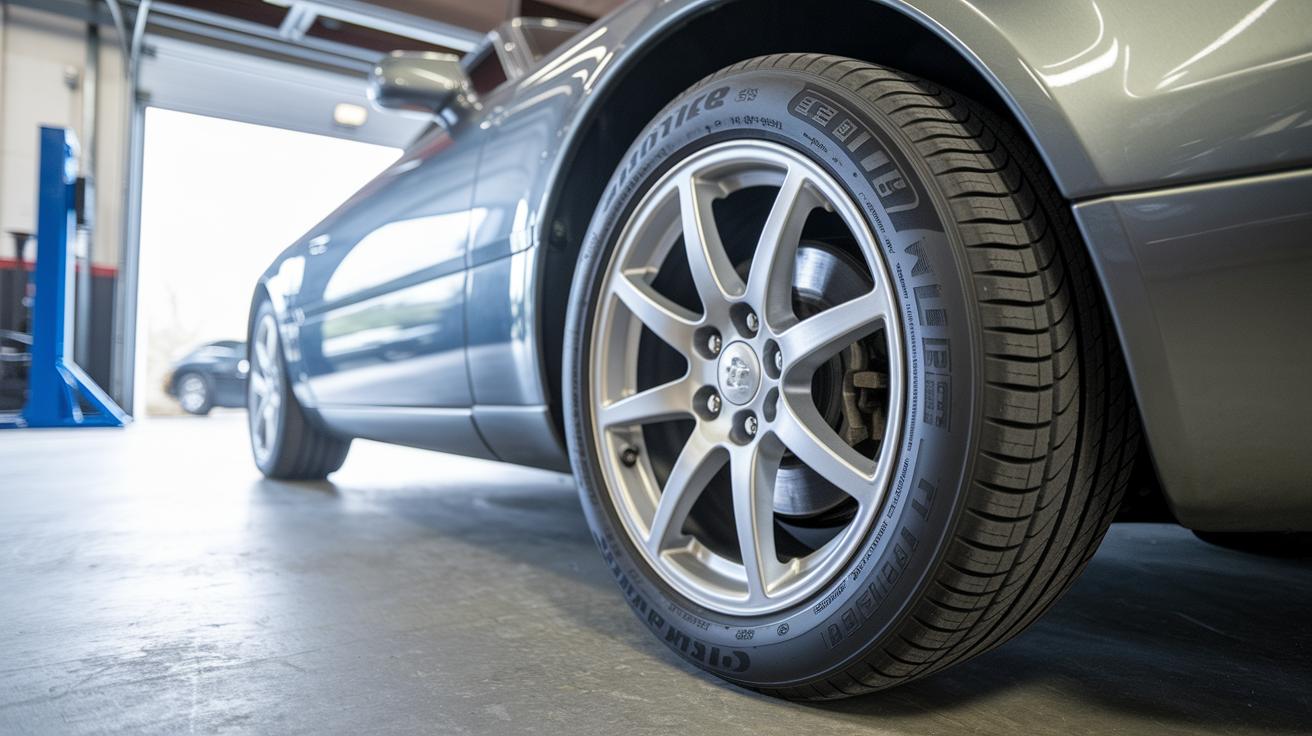
Old tires need regular, hands-on checks to spot problems, but smart tires work automatically to track things like air pressure and how much the tire’s surface (or tread) has worn away in real time. With built-in tools that check performance and tread (the bit that touches the road), smart tires keep a close eye on wear in a way old tires just can’t match. Plus, they even send you alerts when it’s time for maintenance or when you can boost fuel efficiency, so your car always gets the care it needs.
| Feature | Traditional Tires | Smart Tire Technology |
|---|---|---|
| Pressure Monitoring | Manual gauge checks at intervals | Continuous, automated tracking |
| Tread Wear Detection | Periodic inspections, risk of delay | Real-time monitoring with alerts |
| Maintenance Alerts | Dependent on driver observation | Automated notifications |
| Fuel Efficiency Optimization | Indirect and variable | Calibrated adjustments lowering resistance |
| Integration with Vehicle Systems | Limited manual interactions | Seamless embedded diagnostics |
All this shows how smart tire technology turns everyday checks into a smooth, efficient monitoring system. With constant data coming in, you can act right away to keep your ride in top shape and save fuel, making your driving safer and more dependable.
smart tire technology: Safer Performance Now
Fleet managers now get a big help from smart tire systems that watch tire wear and alert them when maintenance is due. These systems send real-time updates, kind of like a friendly reminder, so stops can be planned without throwing off the schedule. This proactive care keeps vehicles safe and ready for each new mile.
Electric vehicle drivers also enjoy big wins with smart tires. The system keeps an eye on tire pressure and rolling resistance (that’s how hard it is for your tire to roll) so EVs can stretch their battery life by up to 5%. It’s like having a little energy gauge that tells you just when to fine-tune the performance for a smoother ride, whether in busy city traffic or on the open road.
High-performance cars feel the change too. With quick sensor feedback, the system tweaks the suspension and grip right when needed, giving you improved control on winding roads or fast highways. Even manufacturers use this data for quality checks, ensuring every ride meets high standards. This blend of smart tech, from ideas like non-pneumatic tires to current innovations, keeps speed and stability working together, making every drive a little more reassuring.
Challenges and Future Trends in Smart Tire Technology
Smart tires usually cost about 20% to 30% more than normal ones. It’s a bit like choosing an upgraded gadget with extra features, you get more benefits but also pay a higher price and need to handle your data carefully.
Another hurdle is making sure the smart parts stay durable. The small sensors and moving pieces have to withstand rough roads, extreme weather, and bumpy rides. Imagine checking your tire’s sensor data on a stormy day; every part has to perform well even when the going gets tough.
Looking ahead, things like machine-learning wear models and smart alerts are on the way. Think of these like a fitness tracker for your tire that can tell you when it might wear thin. They use the data from every mile you drive to warn you about possible issues ahead of time, which makes your drive safer and can save you money in the long run.
In the future, smart tires are expected to work even closer with self-driving car technology and adaptive-tread systems. They will send real-time information to the car's control unit, helping to adjust performance on slippery or uneven roads. It’s like having a co-pilot that keeps your ride smooth and secure every time you hit the road.
Final Words
In the action, we explored how smart tire technology uses sensors to track pressure, temperature, tread depth, friction, and road conditions. It helps spot issues early and improves both safety and performance.
We also compared it to traditional tires, looked at its system integration, realistic applications, and future challenges. Every piece works together to let you drive with confidence and enjoy the ride ahead.
FAQ
What is SMART Tire Company?
The SMART Tire Company is a business that produces tires with integrated sensor technology to boost vehicle safety and performance by continuously monitoring tire conditions.
What does Smart Tire price refer to?
The Smart Tire price refers to the cost of tires featuring advanced sensor integration and real-time monitoring, often priced higher than standard tires due to the added technology benefits.
What is known about Smart tire technology stock?
The smart tire technology stock covers shares of companies investing in connected tire innovations, giving investors exposure to advancements in vehicle safety and performance systems.
What do Smart tire technology reviews say?
Smart tire technology reviews report that these tires offer proactive maintenance alerts, real-time condition data, and improved fuel efficiency, although initial costs tend to be on the higher side.
What is the net worth of The SMART Tire Company?
The SMART Tire Company net worth is linked to its innovative smart tire solutions and market performance, with figures that fluctuate based on overall business growth and market trends.
What happened to Smart tire Company after Shark Tank?
What happened to Smart tire Company after Shark Tank is that the firm gained increased exposure and funding, which supported further developments in their sensor-enhanced tire technology.
Is Smart tire still in business?
Smart tire is still in business, continuing to improve its sensor-equipped tires and offering reliable, data-driven solutions for vehicle safety and maintenance.
What are smart tires?
Smart tires are tires embedded with sensors that track pressure, temperature, tread wear, and other factors, sending real-time data to a vehicle’s system for enhanced safety and optimized performance.
How long do smart tires last?
Smart tires last as long as standard tires, though their lifespan can vary based on driving conditions and maintenance; regular monitoring helps ensure they always perform at their best.

