


Ever wondered why your car sometimes doesn’t feel quite right, even though you take good care of it? The way your tires wear out (that’s how fast the tire surface gets rough) and how your wheels line up can really change your ride.
Tire rotation means moving your tires around so they wear evenly. And wheel alignment makes sure your wheels point the right way on the road. These two simple steps help keep your car safe and steady.
Maybe next time you check your car, you’ll think about these services and see how they can improve your drive. Safety first, right?
2. tire rotation vs wheel alignment: Clear choices

Tire rotation and wheel alignment are two key ways to keep your car running smooth. Tire rotation means moving your tires around so they wear evenly over time. Wheel alignment is about adjusting the wheel angles (like toe, camber, and caster – which means the way your tires are tilted or pointed) to help your car go straight. Both services help your tires last longer and make sure your ride is safe.
When you rotate your tires, especially on a front-wheel drive car where the front tires work harder, you swap them with the rear ones. This way, no tire wears out faster than the others. It’s kind of like giving your tires a fair share of the work. Most drivers get their tires rotated around every 6,000 to 7,000 miles, but this can change depending on your car and even your tire pressure.
Wheel alignment, on the other hand, is all about fine-tuning your wheels so they hit the road just right. Think of it as a quick check-up after you’ve run into a pothole or had a little bump. Unlike tire rotation, you don’t need alignment on a set schedule – usually it’s done every 10,000 miles or when something in a collision makes it a good idea. With proper alignment, you avoid issues like your car pulling to one side or uneven tire wear, so you know your car will handle smoothly.
Both of these services work hand in hand to extend your tires’ life, improve how your car handles, and boost overall safety. Many trusted technicians even take care of them together to keep your car balanced and ready for every drive.
How Tire Rotation Ensures Even Tire Wear in Your Rotation vs Alignment Routine

Rotating your tires means moving them to new spots on your car so they wear out evenly. In front-wheel drive cars, the front tires work harder and tend to wear faster, while in rear-wheel drive vehicles the back tires pick up more of the load. Even proper tire inflation (keeping the right air pressure) matters too, so switching positions is key to keeping your ride smooth.
At the shop, technicians follow the car maker’s guide and use rotation charts to reduce uneven stress on your tires. They typically use one of these four patterns:
- Front-wheel drive forward cross
- Rear-wheel drive rearward cross
- Four-wheel drive X-pattern
- Directional tire front-to-back swap
It’s a good idea to get your tires rotated every 6,000 to 7,000 miles. This helps balance wear, extends the life of your tires, and keeps your vehicle handling nicely on every drive.
Understanding Wheel Alignment vs Tire Rotation: Aligning Wheels for Proper Handling
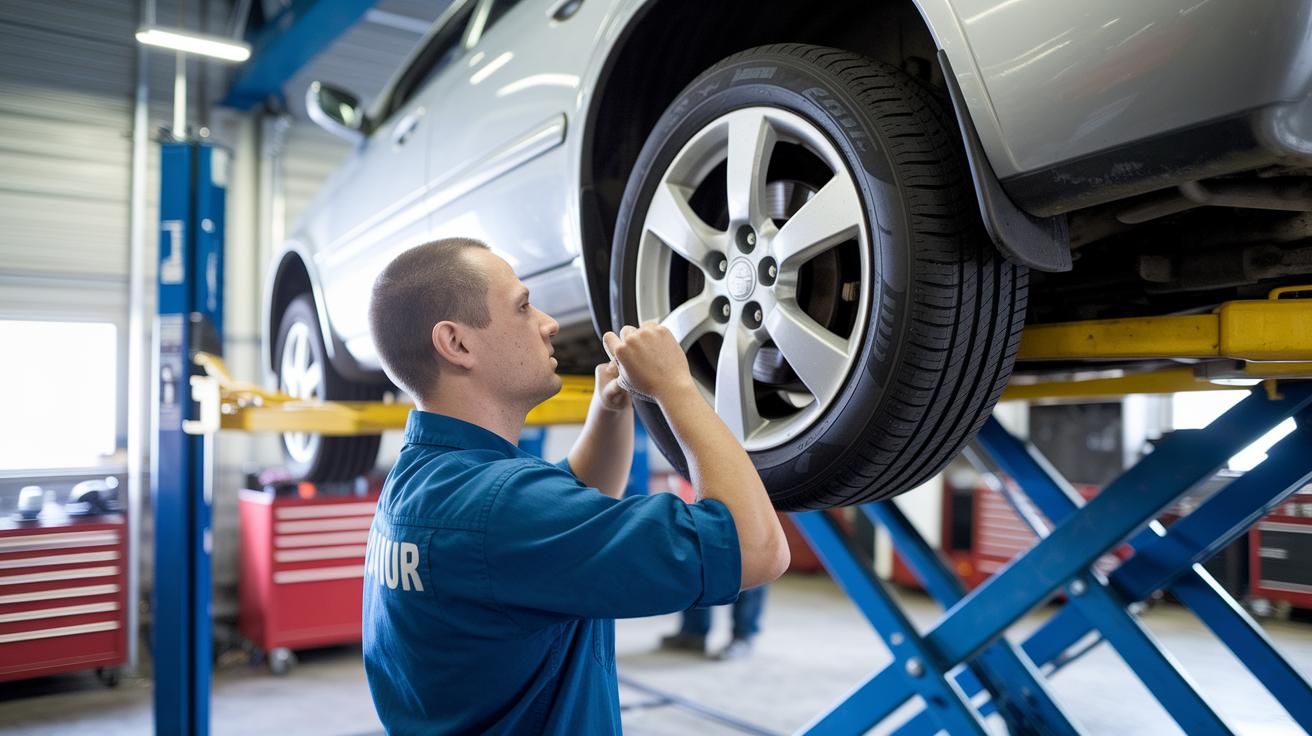
When we talk about wheel alignment, it’s about adjusting the angles of your wheels, like toe (which is the direction your tire points), camber (how much the tire tilts), and caster (the steering axis angle). Imagine it like tuning a musical instrument to hit just the right note, your car, in this case, will drive straight and handle better. You might notice you need an alignment after hitting a pothole or a curb.
Tire rotation, on the other hand, is all about moving your tires to different spots so they wear out evenly. Think of it as giving each tire a fair chance to last longer. While alignment fine-tunes how your car drives, regular tire rotations keep the tread wear balanced.
When you take care of both, they work together to extend your tire life and make your ride safer. If your steering wheel seems a bit off-center after a rough patch, it might be time for an alignment check, and keeping up with tire rotations will help your tires wear evenly overall.
Signs You Need Tire Rotation vs Wheel Alignment: Detecting Wear and Alignment Issues

If you notice that your tires aren’t wearing evenly, it might be time for a tire rotation. Imagine checking your tires and finding the outer edges looking more worn than the center, or spotting a feather-like pattern (small, uneven marks on the tread). It’s like your tires are saying, "Hey, I’m working too hard on one side!" Rotating them can help spread out the wear so they perform better and last longer.
Now, if your car starts to pull to one side or you see that the steering wheel isn’t staying centered, that could be a sign of a wheel alignment issue (meaning the tires aren’t angled correctly). Sometimes you might even feel a bit of vibration at higher speeds. These little hints mean your wheels need a quick adjustment to keep your car running smoothly.
And here’s another clue: if you hear a constant squeal or hum coming from your tires, something isn’t right. These sounds can be from uneven tire wear or from misalignment getting worse over time. Paying attention to these sounds is like listening to your car’s advice to fix things before they become bigger problems.
Ignoring these signs can lead to more trouble later on. Even a small issue today can mean faster tire wear, less control on the road, and safety risks down the line. So, keep a close eye on your tires and steering, it's your ticket to a smoother, safer ride.
Cost Comparison: Tire Rotation vs Wheel Alignment Services
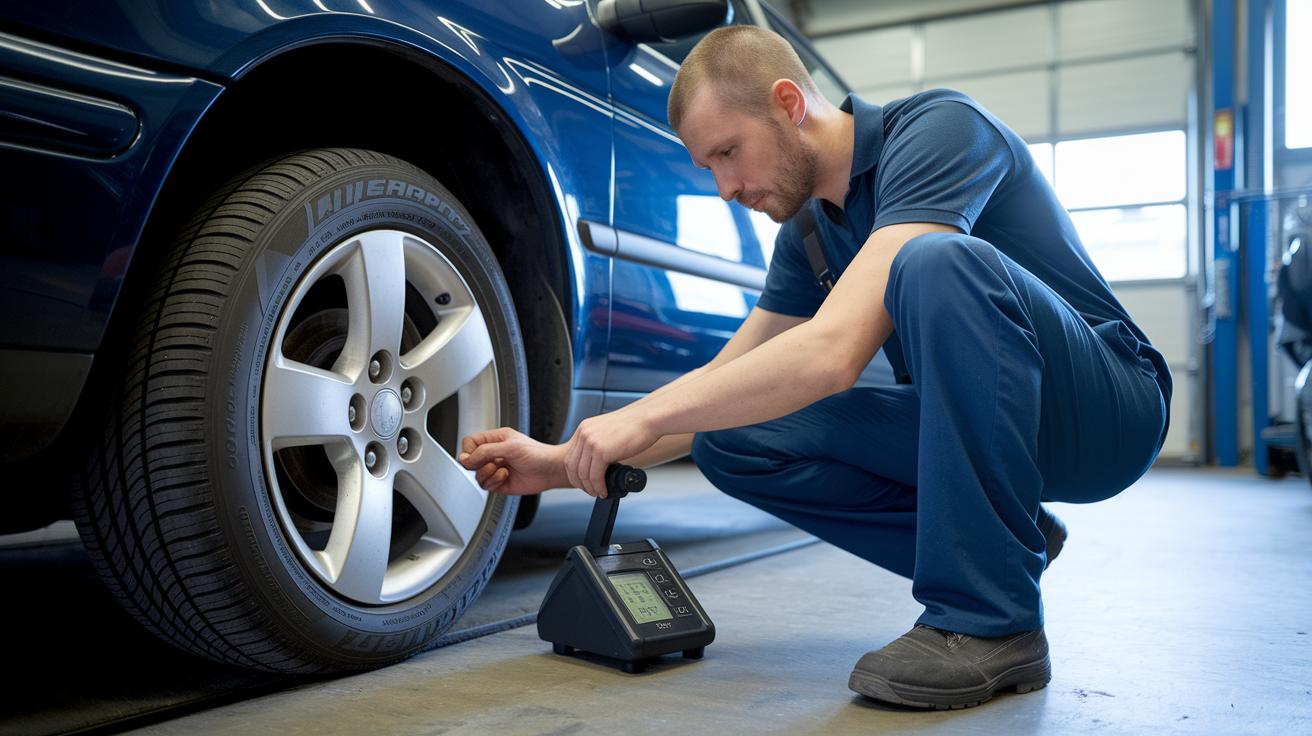
Tire rotation usually runs you about $20 to $50, while a wheel alignment is more like $75 to $200. These prices can change based on the shop's work rates, the type of car you drive, and how good their tools are. And if your tires also need balancing (making sure each tire spins evenly) when you get them rotated, that might tweak the cost a bit.
Many service centers now offer packages that cover both tire rotation and wheel alignment. These bundles tend to cost around $100 to $250. When you book them together, you might save a little by cutting out some extra labor fees. The exact price depends on your car's make and model and how your tires are holding up.
Getting both services at the same time as part of your regular check-up can save you money and make scheduling easier. Plus, it keeps your tires in good shape so you can hit the road with confidence. For more ideas on keeping your car running smoothly, you could check out advice on "preventative car maintenance".
Maintenance Tips for Scheduling Tire Rotation vs Wheel Alignment
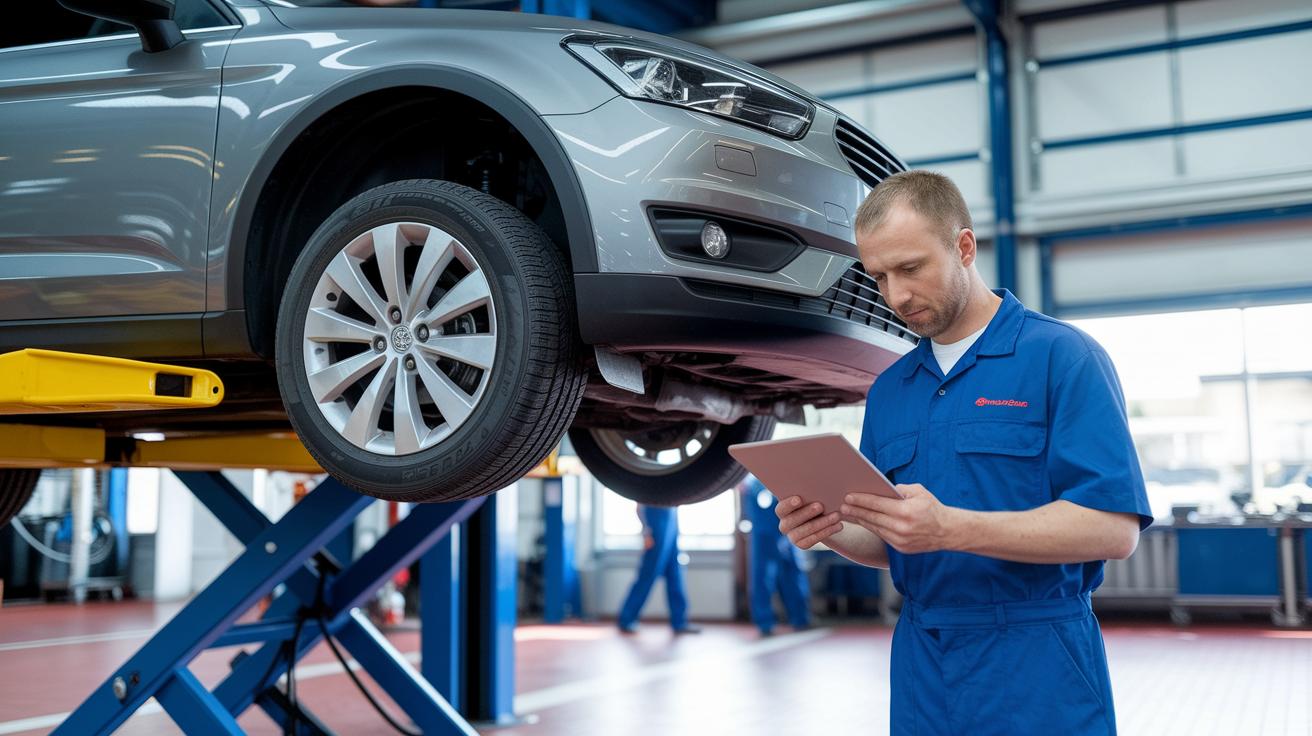
Keeping your car happy starts with a smart service plan. You can simply check your owner's manual and note your miles on an app or a log. That way, when your car racks up the miles, you'll know it's time for a tire rotation or a wheel alignment to keep every drive smooth and worry-free.
Most folks recommend a tire rotation every 6,000 to 7,000 miles (this helps your tires wear evenly). But if you hit a deep pothole or curb, your wheels might need an alignment sooner. Keeping track of these mileages helps you stick to the schedule and avoid surprises later.
For an extra win, try to get both a tire rotation and a wheel alignment in one visit. Many service centers offer packages to cover both at once, saving you time and often a bit of cash, too. It’s a simple way to keep your ride comfortable and your tires lasting longer.
| Service | Recommended Interval | Typical Cost |
|---|---|---|
| Tire Rotation | 6,000–7,000 miles | $20–$50 |
| Wheel Alignment | Every 10,000 miles or as needed | $75–$200 |
| Combined Service | Align with rotation schedule | $100–$250 |
Extending Tire Life and Enhancing Safety with Regular Tire Rotation vs Alignment
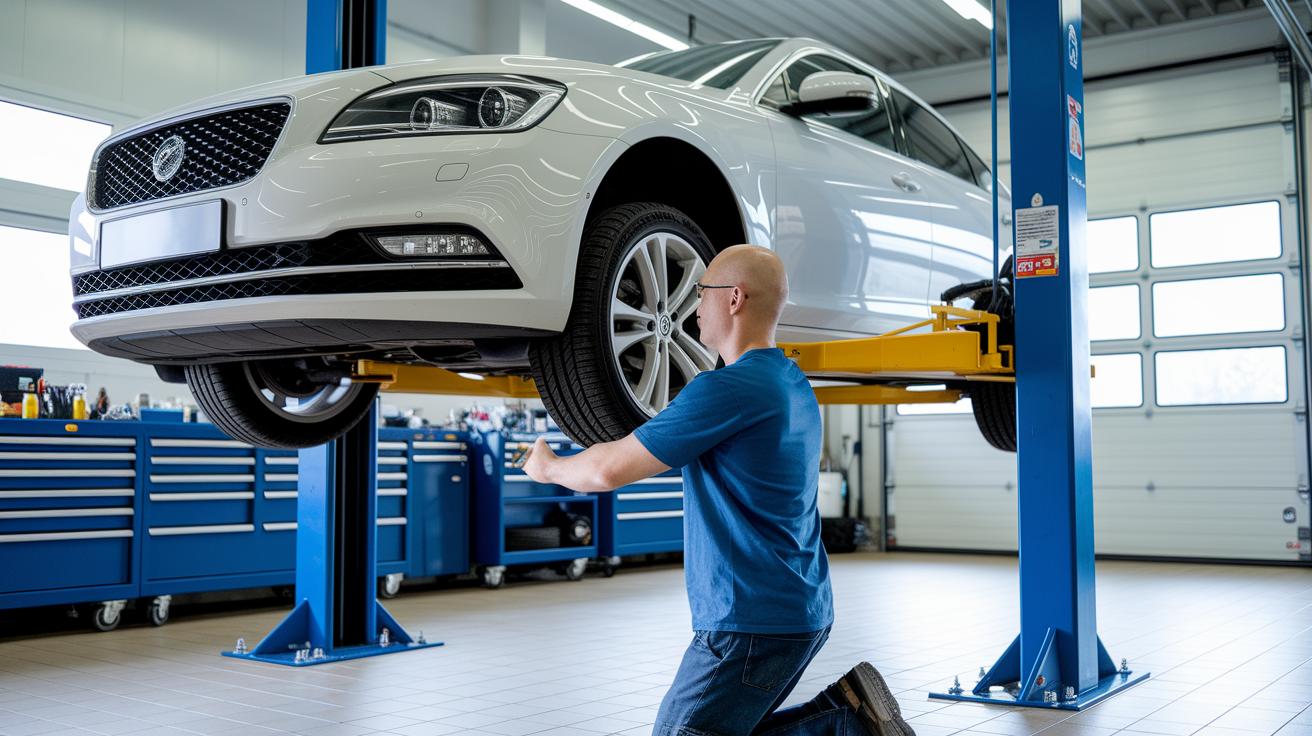
Regularly swapping your tires can help them last up to 20% longer. It’s a bit like stirring a pot of soup to keep everything evenly heated, so each tire wears out at the same rate.
Keeping your wheels aligned means your car steers smoothly by ensuring every tire touches the road properly. This reduces the chance of your car drifting and even helps you save on gas.
When you combine tire rotation with proper alignment, you lower the chances of needing new tires and enjoy a more comfortable ride. You get extra mileage from each tire and a steadier, more reliable feel every time you drive.
Final Words
In the action, we broke down the differences between tire rotation vs wheel alignment and showcased how each service boosts tire performance. Rotation helps spread wear evenly, while alignment keeps your wheels tracking true. We touched on costs, timing, and simple maintenance tips to keep your tires safe and reliable. Pairing these services means smoother rides and long-lasting tires. Enjoy the drive and keep your wheels rolling safely.
FAQ
Frequently Asked Questions
How do tire rotation and wheel alignment differ, as seen on Reddit?
Reddit discussions about tire rotation versus wheel alignment highlight that rotation swaps tire positions to promote even wear, while alignment adjusts wheel angles for safe handling and precise steering.
What are the price differences between tire rotation and wheel alignment and how does balancing fit in?
Price estimates show tire rotation usually runs $20–$50 and wheel alignment $75–$200. Balancing is another service aimed at smoothing ride quality and is often bundled to lower combined costs.
How often should I have tire rotation and wheel alignment done?
Service intervals suggest rotating tires every 6,000–7,000 miles and checking alignment every 10,000 miles or after a significant impact, helping maintain steady tire wear and handling.
Where can I find tire rotation and wheel alignment services near me?
Many local service centers offer both tire rotation and alignment. It’s a good idea to search online or check local reviews to find a dependable shop close by.
Should tire rotation be done before or after wheel alignment?
Experts often recommend performing a tire rotation before an alignment, ensuring even wear across tires which leads to a more precise and effective wheel alignment.
How does Costco compare for tire rotation and alignment services?
Costco offers competitively priced tire rotation and wheel alignment packages performed by skilled technicians, making it a convenient option for maintaining your vehicle’s performance.
How do I know if I need a tire rotation or wheel alignment?
Uneven tread wear patterns usually signal the need for a tire rotation, while a vehicle pulling to one side, a vibrating steering wheel, or an off-center display indicate a likely alignment issue.
Can a tire rotation affect or throw off my wheel alignment?
A proper tire rotation performed by a trusted technician will not throw off wheel alignment; however, if done carelessly, even a small error could lead to a minor misalignment.
Should I get an alignment every time I rotate my tires?
Routine tire rotation doesn’t require an alignment every time. You should consider an alignment only if you notice changes in handling or uneven tire wear, ensuring your vehicle stays balanced.

