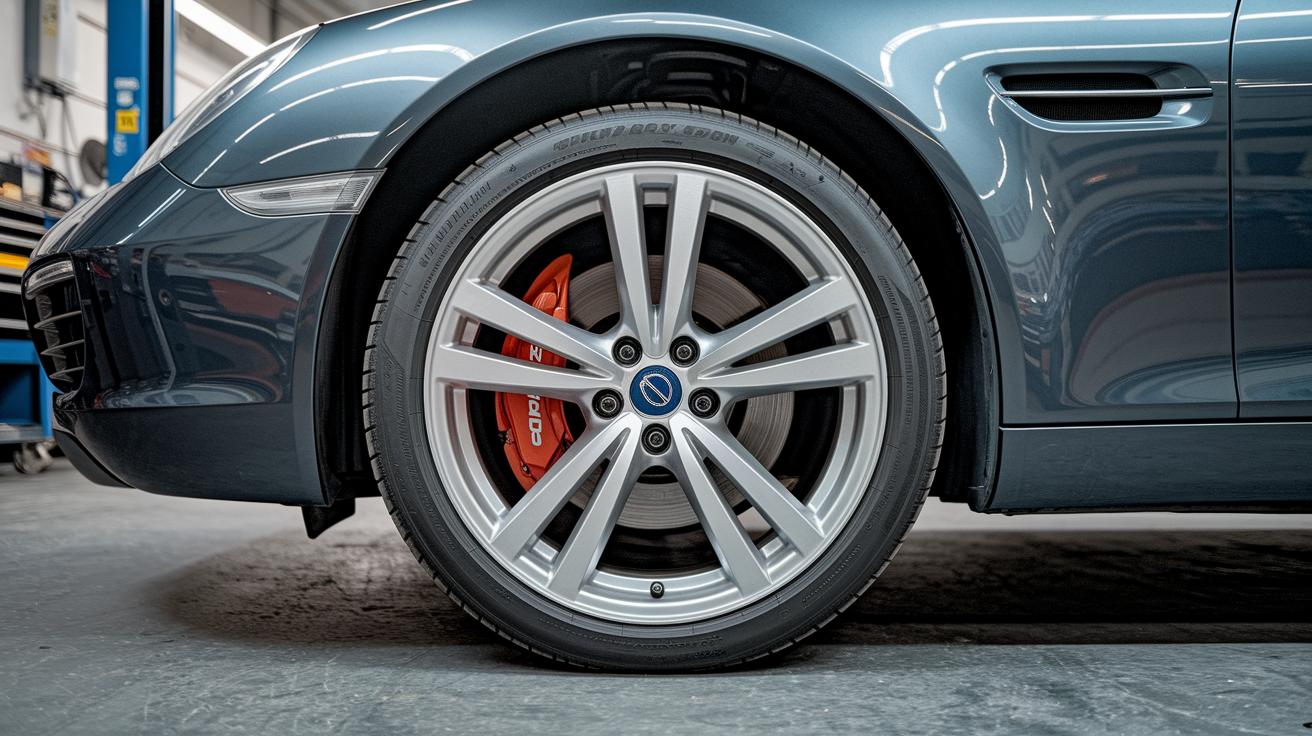


Ever wondered if your tires have a secret story? Wireless tire sensor technology (it checks the tire pressure or temperature to let you know if something’s off) acts like a smart buddy that constantly keeps an eye on your car. Instead of messy wires, it works on its own, just like a helper making sure everything is in top shape.
This neat gadget is changing the way we think about car safety. It helps make every ride smoother and more secure, giving you one less worry on the road. And really, who wouldn’t want a little extra help keeping things safe? Stick around to see how this tech is turning everyday drives into a more confident journey.
Wireless Tire Sensor Technology: Elevating Car Dynamics

Imagine your car giving you a friendly update on how its tires are doing. These wireless sensors keep an eye on things like tire pressure and temperature, and even check out how fast you're accelerating or which way your wheel is headed. It’s almost like having a little digital helper that tells you about your tire's health, just like you glance at your car’s dashboard for fuel levels.
These sensors do their job without needing any cables, using a method that reads tire pressure without touching it. They work under FCC Part 15 Class C rules and can send signals from about 100 feet away. When you're driving, your tire’s pressure is checked every 60 to 180 seconds. But if you’re parked, the sensor will only send an update when it notices a change in pressure, so you always know what's happening.
Before the sensor starts sending its usual updates, it listens for a 125 kHz signal to wake up, then switches over to a UHF signal (usually between 314.9 MHz and 433.92 MHz). This setup is like having a personal tire technician that keeps tabs on your tires' performance throughout your drive.
For more details about the latest in tire tech, check out related tire technology.
Comparing Wireless Tire Sensor Technology Variants

When we chat about wireless tire sensors, you should know there are two main ways they work. Indirect TPMS uses ABS wheel-speed sensors (that’s a system which checks how fast each wheel rotates) to guess tire pressure. It’s a budget-friendly option, but if tire sizes vary, the readings might be a bit off. Imagine checking your tire pressure by counting wheel turns instead of actually measuring the air inside, usually it does the job, but small differences in tire size can throw the numbers off.
In contrast, direct TPMS attaches a sensor right on each tire’s valve stem or rim band. These sensors measure the real pressure in your tire and can even give you extra details like the tire temperature and a low battery warning. Some of the fancy newer designs (like integrated pneumatic insight modules) push the limits by offering even more precise data, though they usually come with a higher price. Plus, they alert you when the battery voltage drops since these batteries often last around 5–10 years. There are even advanced models like Bridgestone DriveGuard that let you drive up to 50 miles at 50 mph after a puncture, adding that extra layer of reliability.
Installing these systems is another story altogether. Indirect sensors fit right into your existing setup, but direct sensors might need a sensor relearn procedure (a quick re-sync with your car’s electronics) to get everything talking correctly.
Wireless Tire Sensor Communication Protocols

These tire sensors start by sending out a low-key 125 kHz signal to wake up. Once awake, they switch to a UHF band to send data. In North America, they use a 315 MHz signal, while in Europe they operate at 433.92 MHz. Following FCC Part 15 rules keeps the emissions low, making them safe and efficient.
Thanks to low-latency transmission, these sensors feel almost instantaneous. It's like getting a quick text from a friend saying, "Hey, your tire pressure just changed!" This speedy alert helps you know right away when your tires need a look.
They also handle interference from everyday sources, like shop radios or diagnostic tools, pretty well. Clever techniques like shielded circuitry and frequency hopping (a method where the signal jumps around different frequencies) keep the communication steady, even when there's background noise.
The entire process is guided by standard automotive communication protocols, just like the ones used in your car's tech. This mix of smart signaling and interference control means your tire sensors always deliver clear, on-time updates.
Integration and Installation in Wireless Tire Sensor Technology
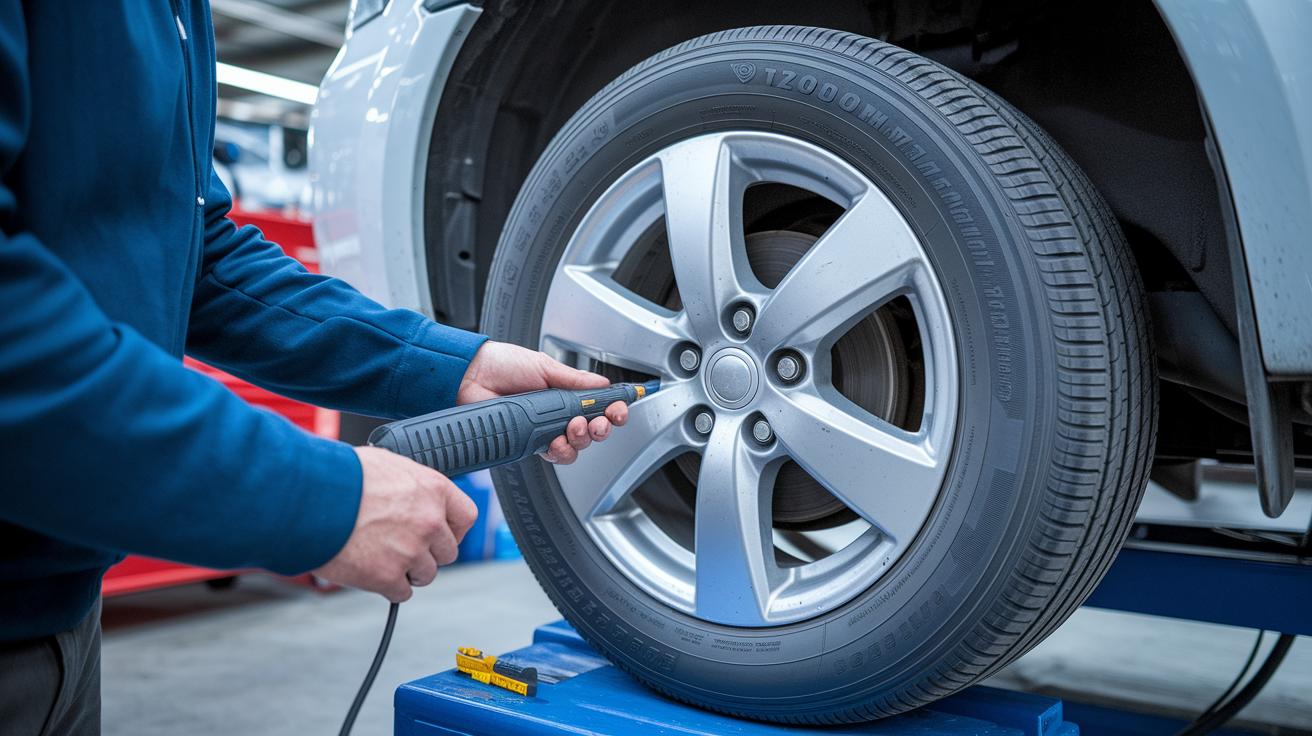
Wireless tire sensors stick right onto your valve stem or rim band. They bring together new tech and everyday car care in a hands-on setup. First off, a technician may use an OBD-II tool (a computer that reads your car’s signals) or program the sensor directly to get everything talking nicely with your car’s computer. Think of it like syncing your phone with your car, a little reset that makes sure every sensor sends the right message.
Steps often include:
- Taking the wheel off to reach the sensor’s spot
- Securing the sensor on the valve stem or in a rim band
- Starting the sensor relearn process with an OBD-II scan tool or direct programming
Over-the-air programming is a cool trick here. It lets the tech push updates to the sensor over a wireless connection, kind of like updating your phone apps when you’re on Wi-Fi. This means the sensor always runs the latest firmware without any extra hassle.
Calibration is a must. Cold weather can mess with battery voltage and pressure readings, so sensors need to be placed just right and tuned carefully. It’s a bit like checking your tire pressure before a long trip. With the proper setup, the sensor and the car’s computer stay in sync, sharing tire pressure and temperature data smoothly. In truth, a little tech know-how and careful calibration make for a dependable, wire-free pressure monitoring system that helps keep your ride smooth.
Benefits and Applications of Wireless Tire Sensor Technology
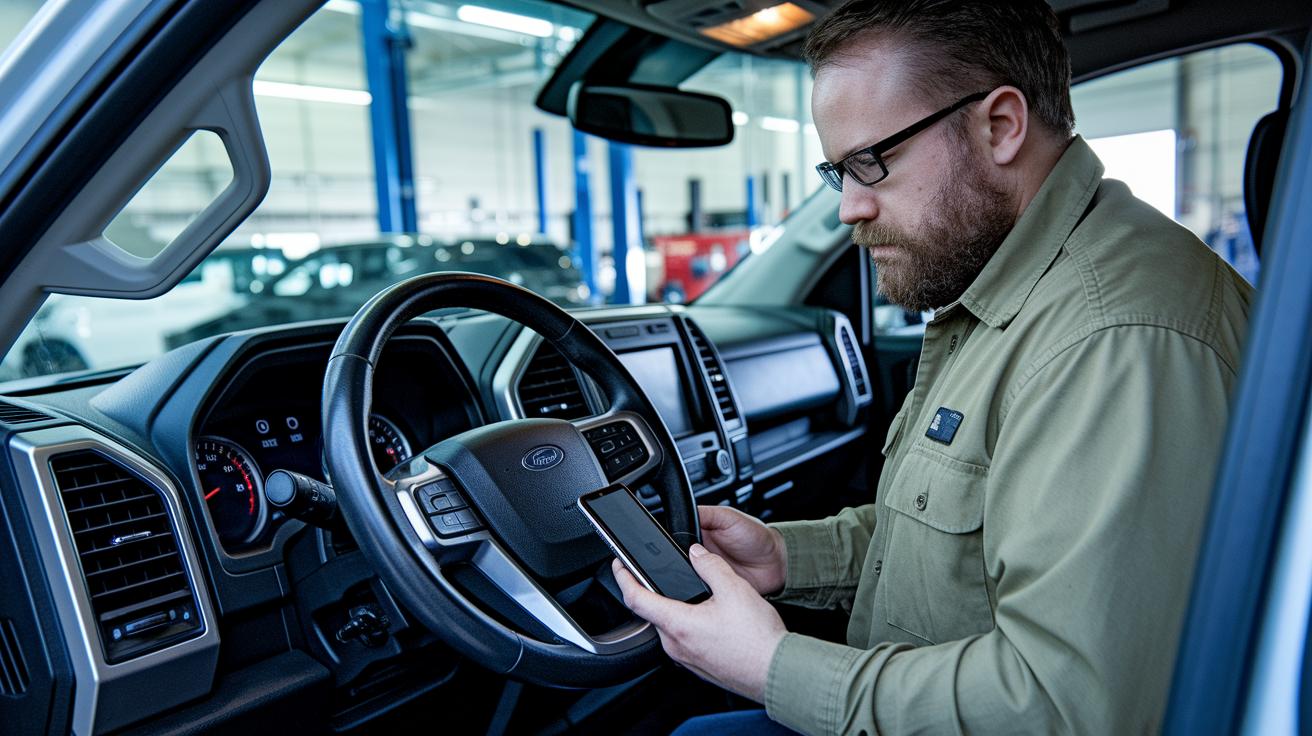
Wireless tire sensors really boost both safety and savings. They keep an eye on your tire pressure continuously (that means they check for changes as they happen), which can help stop tire blowouts before they occur. Imagine getting a quick text that says, "Hey, your tire pressure just dropped!" This heads-up lets you check your tires early so a small issue doesn't become a big problem.
For fleet operators, these sensors are a real game changer. They send data via cellular signals straight to a dashboard that shows how every vehicle is doing. So if a tire loses pressure, the system sends an instant alert, just like getting a friendly text from someone who cares. This helps managers keep all vehicles running their best, preventing sudden breakdowns and expensive repairs.
Keeping your tires at the right pressure has a neat bonus too, it can boost fuel efficiency by as much as 3%. When tires are properly inflated, your vehicle runs smoother and saves you money on gas. Plus, these systems meet the 2007 TPMS rules (think of it as meeting the law’s safety checklist), so every alert is both helpful and up to code.
Many drivers and automotive operators love these sensors for their role in keeping up with regular car care. The information they provide can lessen tire wear, help plan service appointments, and even extend the life of your tires. It’s like having a tire care assistant on standby, always ready with a quick update to keep your ride safe and smooth.
Using wireless tire sensor technology means you get friendly, real-time alerts and a system that truly cares for your vehicle, keeping you confidently on the road.
Future Innovations in Wireless Tire Sensor Technology
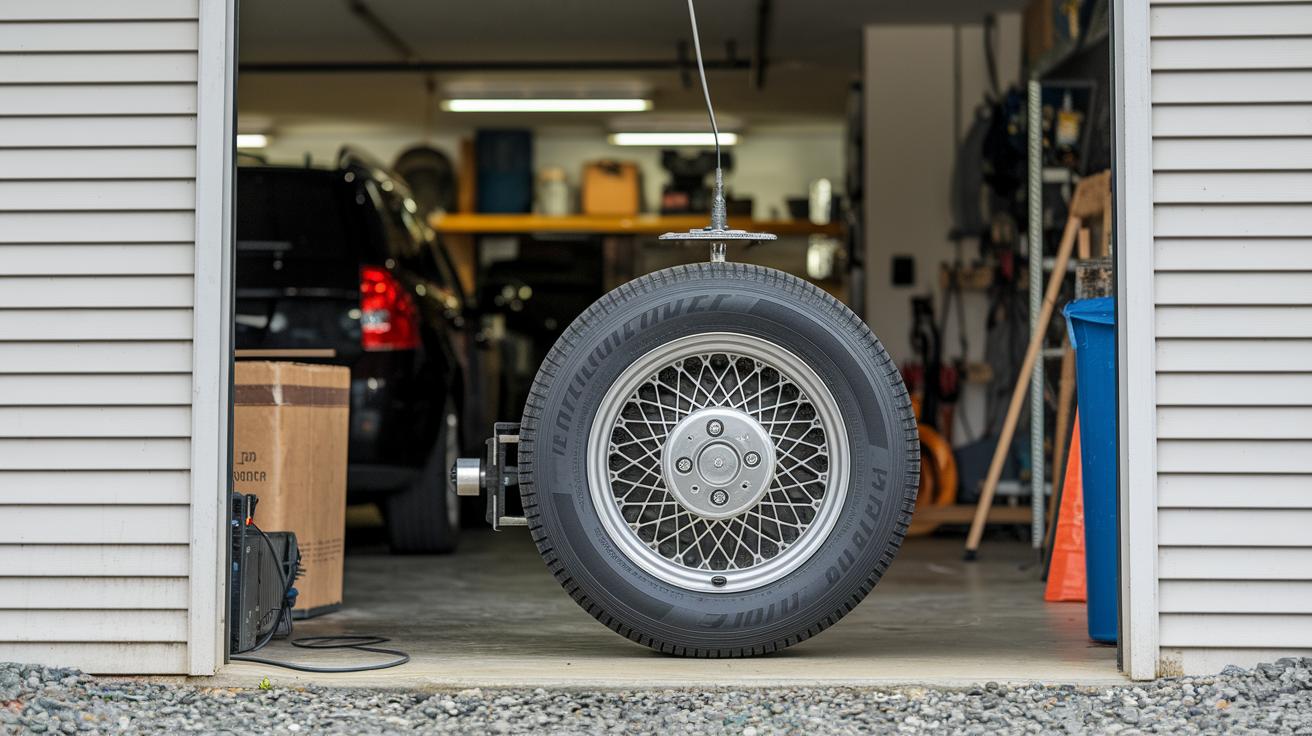
New self-powered sensors are set to change how we keep an eye on tire health. Imagine sensors that can power themselves by using energy from tire rotations and even the little shakes and vibrations you feel on the road. Soon, you might not need to change batteries at all. Fun fact: some of these next-gen sensors could outlast your average car!
Next up, think about your tires getting updates over the air, a bit like your smartphone, so they can adjust to different road conditions. They could even alert you before any problems pop up, much like a car that checks its own vital signs. It's a bit like having a friend who always gives you a heads-up when something's not right.
Additionally, these sensors will send real-time data straight to your car’s computer. This helps the vehicle know exactly how the tires are doing at any moment. Standardized connections make sure that everything works well together with modern car systems. In this new era, designs using tiny MEMS-based pressure sensors (which are small tools that measure pressure) and strong data security measures are key to keeping your ride safe and smooth.
The future of tire technology really looks bright, and it's all about making driving simpler and safer.
Final Words
In the action, we reviewed how wireless tire sensor technology works, comparing sensor types, data signals, and installation steps. We also looked at how modern systems provide real-time alerts and help maintain tire longevity.
The article highlighted key features like remote pneumatic evaluation (checking tire pressure remotely) and the benefits of tactical design. These insights aim to boost both safety and performance, leaving you with a clear picture and confidence in modern tire technology.
FAQ
What do wireless tire sensor technology reviews and PDFs cover?
The wireless tire sensor technology reviews and PDFs cover sensor performance details like how tire pressure and temperature are measured, so readers get an easy-to-understand look at product features and real-world feedback.
What is a TPMS sensor and how does a tire pressure monitor work?
The TPMS sensor, or Tire Pressure Monitoring System sensor, measures tire pressure and temperature by transmitting data wirelessly. This monitoring helps you stay aware of tire health and tackles potential issues before they become serious.
How do wireless tire pressure sensors work and get power?
The wireless tire pressure sensors work by sending signals that carry tire pressure readings. They typically get power from built-in batteries that last several years until the battery voltage drops.
Do TPMS sensors use Bluetooth, such as with TPMS Bluetooth on Android devices?
Some TPMS sensors feature Bluetooth to connect with Android devices. This connection allows you to review tire data and receive alerts easily on your smartphone for added convenience and safety.
How do you reset a Tire Pressure Monitoring System?
The tire pressure monitoring system reset involves following your vehicle’s manual to enter a relearn mode, often using an OBD-II tool. This process helps the system recalibrate after tire maintenance or replacement.
Can I install TPMS sensors myself?
Many vehicle owners can install TPMS sensors on their own by following step-by-step instructions and using onboard tools or an OBD-II device. However, there are cases when professional help might be needed for proper calibration.
Will a magnet wake up a TPMS sensor?
The TPMS sensors are activated by a specific low-frequency signal instead of a magnet. This design choice prevents accidental wake-ups and ensures that pressure data is sent accurately and reliably.

