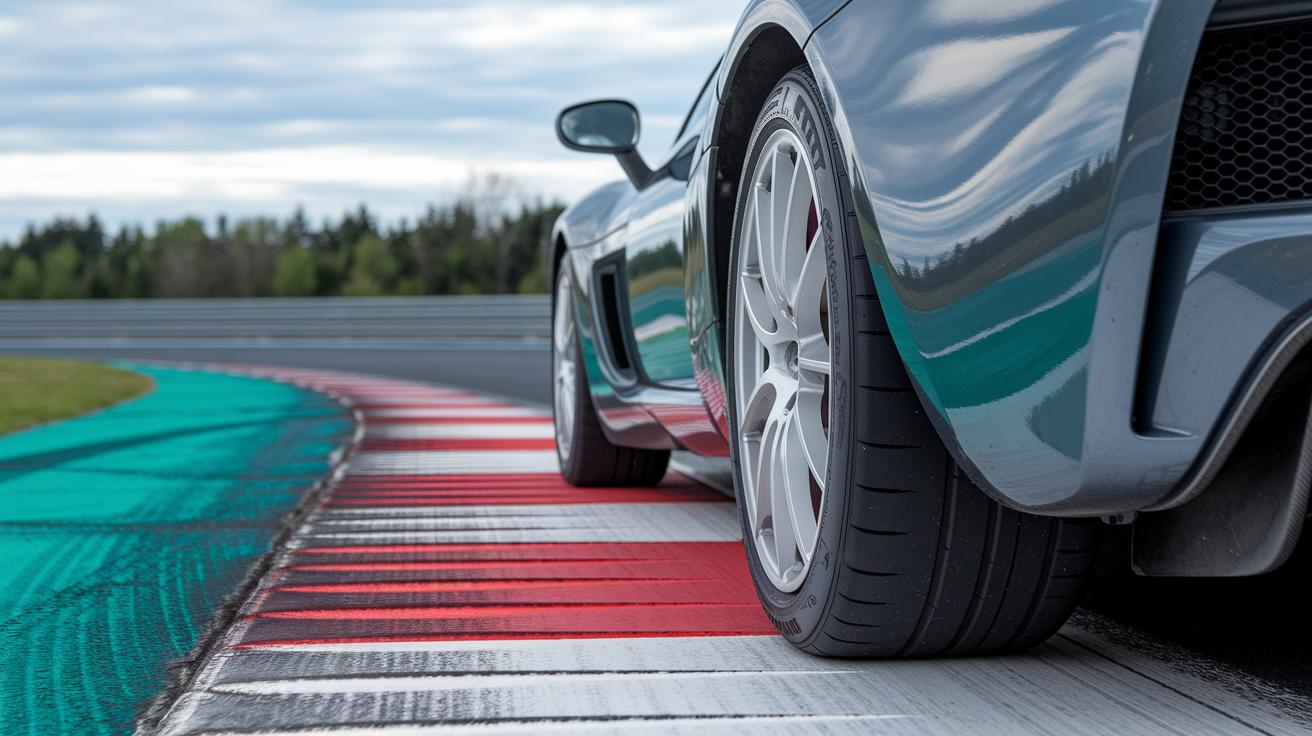


Ever wonder why some cars seem to stick to the road like they’re part of it? High performance tires change the game by making your car handle every twist and turn with extra smoothness. They’re built with special rubber mixtures and clever tread patterns (the grooves on a tire that help it grip the road), which work great on both dry and wet surfaces. This means your steering feels steadier and more responsive when you take a sharp turn. Stay with me, and you’ll see how these smart tire tweaks give you a ride that feels truly in control.
Enhancing Vehicle Handling with High Performance Tires
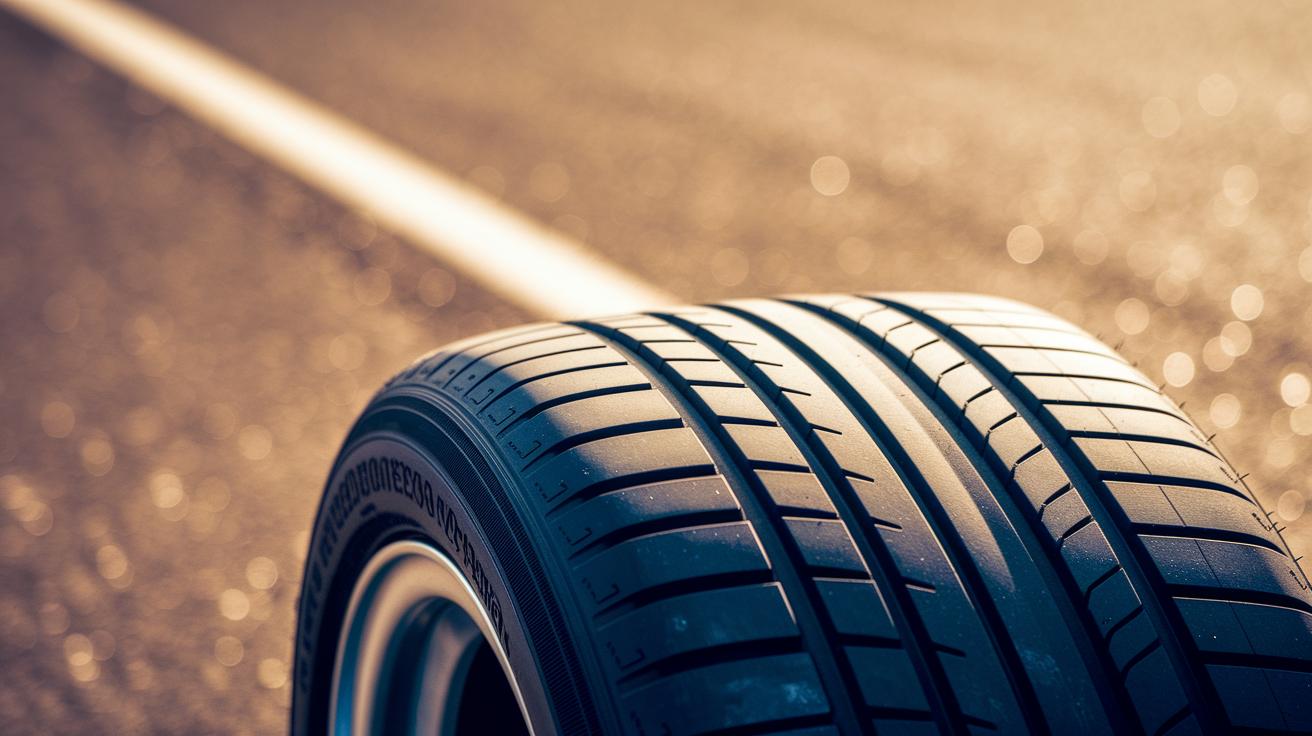
High performance tires are the only point where your car touches the road, and that contact shapes everything from how you steer to how efficiently you use fuel. They use soft, flexible rubber and smart tread designs that hold well on both dry and wet roads. Imagine taking a curve and feeling like the road itself is guiding your wheel, each turn met with a firm, sure grip.
When you go with these tires, you’re choosing better traction that helps with accelerating, braking, and cornering. They’re made with special blends (like silica-rich compounds that keep the rubber nicely flexible even in cooler weather) so the tire can adapt to the road, giving you more contact and better handling.
Plus, the stiffer, reinforced sidewalls mean less flex when you turn, so you get clearer, more confident feedback through the steering. Every aspect, from tread patterns that quickly push water away to the resilient sidewalls, plays a part in making your ride stable and controlled.
If you’re curious to feel the difference, check out high performance tires at https://tityres.com?p=406. Each design tweak boosts grip and traction, ensuring every drive feels steady, even when sharp turns test your limits.
Tire Construction and Advanced Rubber Compounds for Optimal Grip
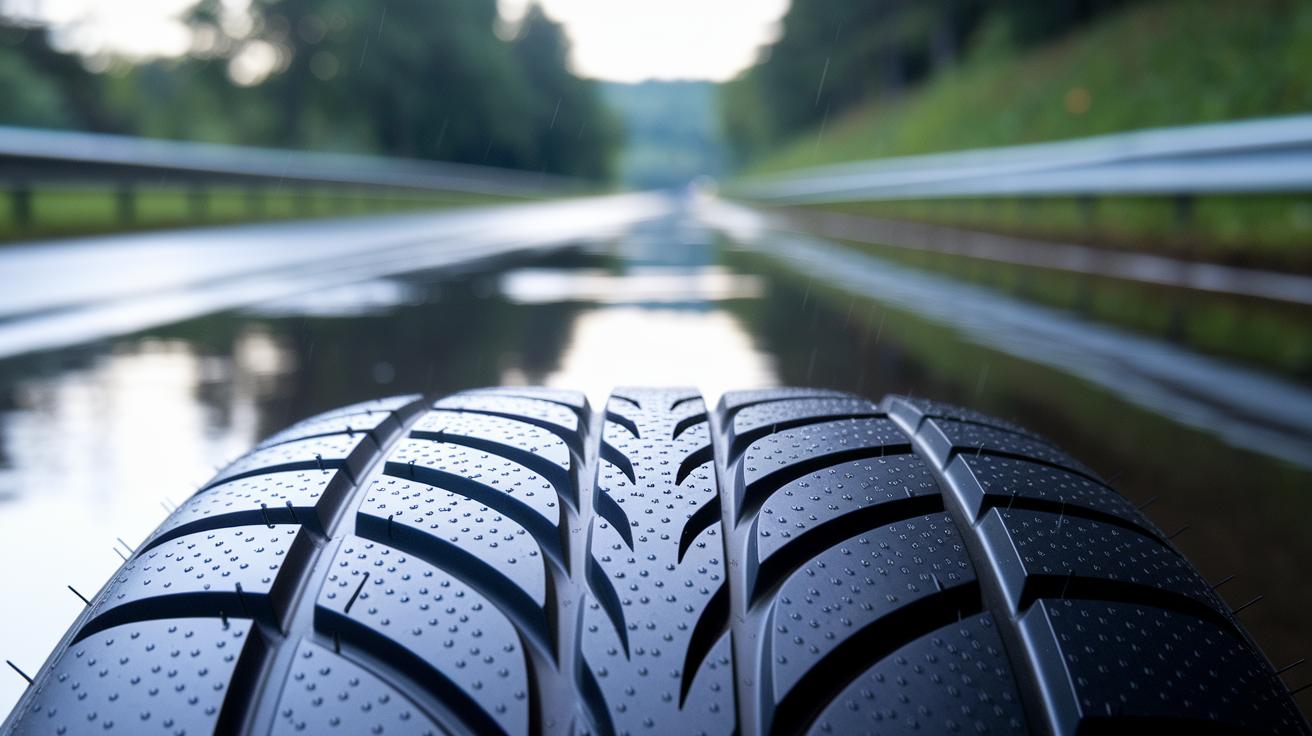
High performance tires are built with clever rubber blends that really change the way your car feels on the road. They mix in silica-rich compounds (a type of material that helps the tire grab better when it’s wet) to keep the tire flexible, even when it’s a bit chilly out. So when you’re driving on a cool morning or during a light rain, your tire sticks to the road just like glue. It’s a bit like how a perfectly tuned guitar produces a sound that’s clear and full of life.
These tires also include softer rubber blends that latch on to the road. Imagine walking on a surface that holds your shoes tightly so you don’t slip, this is the same idea here. The trick is in getting the mix just right, so the tire not only holds the road firmly but also lasts longer. You can learn more about this advanced tire compound technology at https://tityres.com?p=617.
On top of that, the way a tire is constructed adds to its performance. The construction makes sure every part of the rubber works in harmony, much like putting together a sturdy bridge where every piece plays its role to keep things stable and smooth.
Tread Pattern Design’s Role in Traction and Hydroplaning Resistance

Advanced tread design really makes a difference when you're driving on both wet and dry roads. Directional V-shaped treads work like a gentle sweep, pushing water away from the tire’s surface (this helps stop you from hydroplaning) just like an umbrella shakes off raindrops on a stormy day.
Asymmetrical tread patterns boost safety even more. They mix bigger outer blocks that help your car stick through turns with inner channels that whisk water away. Think of it as following a simple recipe, start with the big blocks for a strong grip, then add channels to clear the water fast.
Tread geometry and siping (small cuts in the tread) are fine-tuned to adjust how much of the tire touches the road when you’re carrying different loads, which keeps your ride stable. Good siping makes tiny extra treads that add friction, giving you extra confidence on slick surfaces. Every detail, from the cuts to the grooves, is crafted to boost grip and braking power. Even small changes in design can make a big difference, leading to safer, more responsive steering no matter the weather.
Sidewall Stiffness’s Effect on Steering Precision and Stability

When a tire has stiffer sidewalls, it doesn’t bend much when you take a turn. This means the steering feels crisp and clear, even when you’re driving fast on a wet or dry road. It’s a bit like having a firm handshake from your car, telling you exactly how it’s handling each twist and turn.
Reinforced sidewalls paired with twin solid center ribs offer extra support at high speeds. These ribs keep the tire stable, so every turn of the steering wheel gives a smooth and controlled response. Think of it like crossing a sturdy bridge that holds everything neatly together.
With this design, there’s less extra movement during quick lane changes or sudden stops. With the tire staying firm, your car feels more connected to the road, responding right when you need it. It all adds up to more confidence behind the wheel and a ride that feels safe and under control.
Performance Testing and Real-World Handling Metrics for High Performance Tires

When you try out high performance tires, real-world tests show how they handle everything from quick stops to sharp turns. The special design and advanced materials (fancy rubber mixtures and sturdy builds) work together to boost grip. For example, one braking test revealed that a high performance tire stopped almost a foot sooner than a regular one.
These tests aren’t just for show. They check that the extra grip really helps with speeding up, slowing down, and taking corners smoothly. Next, standard methods measure how long it takes to stop at different speeds, how the tire handles tight turns, and how steady it remains on both wet and dry roads.
They also put the twin center ribs (the added support in the tire) through their paces at high speeds. This design gives you clear, responsive feedback during fast turns or sudden stops. All these real-world tests show that each part of the tire, from the advanced materials to the extra support, adds up to better handling and a ride you can trust on every journey.
Final Words
In the action, we saw how high performance tires sharpen vehicle handling with better grip and solid sidewalls. Short cuts of the post showed that specific tread designs clear water for improved wet traction and advanced compounds boost dry performance. We also touched on precision steering from stiffer sidewalls and real-world handling metrics that confirm the benefits. When asking, how do high performance tires improve vehicle handling, the answer lies in engineered design and reliable performance. Ride safe and feel the confidence behind every turn.
FAQ
Do high performance tires make a difference in handling and performance?
The performance of high performance tires makes a big difference by offering superior grip, quick steering response, and improved braking. Their advanced tread designs, softer rubber compounds, and stiffer sidewalls boost overall vehicle handling.
What is the 3% rule for tires?
The 3% rule for tires suggests that even a small loss of about 3% in tread can start affecting performance, urging drivers to check their tires regularly to keep grip and handling at their best.
What are the cons of performance tires?
The drawbacks of performance tires include faster wear due to softer rubber compounds and a sometimes firmer ride. They excel in speed and handling but may not last as long when compared to standard tires.

