


Ever thought about tires that change as you drive? Picture your car feeling steadier when the road gets wet or the temperature shifts.
These clever tires have tiny sensors that check out the road’s condition. When they spot a change, the tires quickly adjust their tread (the patterned surface that meets the road) to keep you safe.
It’s a smart move that makes your ride smoother and gives you more confidence behind the wheel. Safety and performance come first, so you’re ready for whatever the road brings.
Adaptive Tire Tread Technology Explained: Real-Time Traction, Safety, and Performance

Adaptive tire tread technology uses built-in sensors to check the road and weather changes, then adjusts the tire's grip on the spot. It was developed in Germany by Detlef Riemer’s team at Leipzig University. These smart tires use sensor info to change the tread pattern for better grip on wet or dry roads. The sensors track water depth, temperature, and surface texture, so the tire can keep its grip even when the weather suddenly shifts. It's like having a tire that talks to the road to help keep you safe, a big step up from regular tire designs.
The system works by rearranging small tread blocks to match current road conditions, which means you won't have to worry about swapping tires with the seasons. Depending on how you drive and take care of them, you can expect these tires to last between 40,000 and 80,000 miles. The main challenges are choosing strong materials and designing reliable moving parts in the tread.
In short, this emerging technology mixes smart sensors and real-time adjustments to give you smoother, more confident drives. Imagine your tires adapting with every twist and turn, making each drive feel a little safer and a lot more comfortable.
Adaptive Tire Tread Technology Elevates Performance
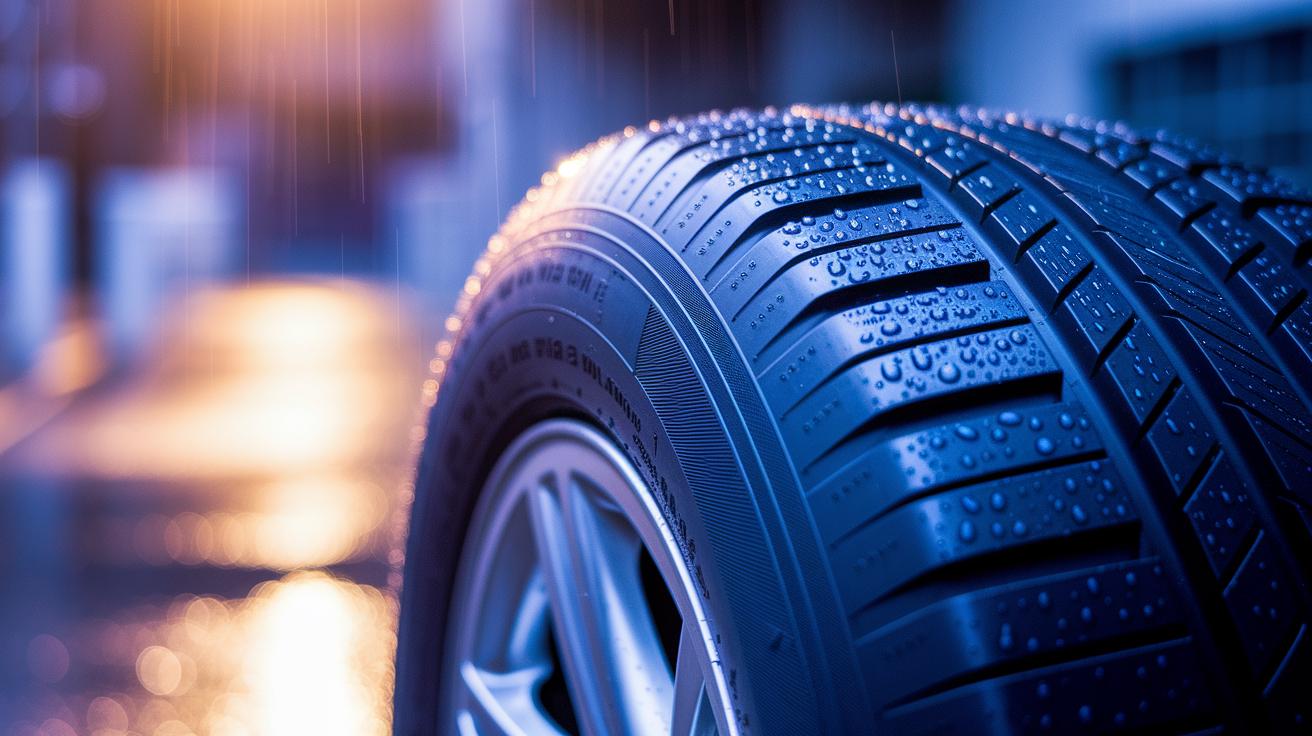
Ever wonder how tires seem to know the road? These clever tires have sensors built right into their sidewalls and tread blocks. They check the road's texture, water depth, and temperature all the time. When the sensors spot any change, a digital system instantly tweaks the tire blocks, adjusting their angle, depth, and spacing. It’s a bit like a sports car fine-tuning its suspension for the perfect grip.
This smart system uses deep grooves and little channels (tiny cuts in the tire that help channel water away) to move water off the tire. Think of it like an irrigation system working on a dry field. This on-demand grip keeps the tire from hydroplaning and helps it stick firmly to the road in both wet and dry weather.
Some cool points:
| Feature | Benefit |
|---|---|
| Automatic Pattern Changes | Quickly adjusts traction for any road |
| On-Demand Friction Control | Makes cornering smoother and braking safer |
| Seamless Operation | Keeps you secure in mixed and extreme weather |
Digital algorithms constantly process sensor data so the tire can react almost instantly. Whether you're taking a tight curve or suddenly facing a change in weather, the tire adjusts its grip to keep your ride smooth. And here's something cool: when the sensors pick up even a slight drop in temperature, the tread’s micro-adjustments kick in, almost like a pilot correcting a course mid-flight.
It’s amazing how a bit of smart tech can make every drive safer and more comfortable, right?
Comparing Adaptive Tire Tread Technology with Traditional Tread Patterns

Traditional tires come in three main types. First, there are symmetrical tread designs. These treads look the same on both sides and give the tire steady road contact, lowering rolling resistance (which means the tire uses less energy to keep moving) and making it easier to rotate them. They work smoothly, much like a well-tuned engine humming along on a quiet road.
Next, directional tread designs have a V-shape that helps push water aside when you’re driving fast. This design cuts down on the chance of hydroplaning (that's when a layer of water makes it hard for your tires to stick to the road) on wet surfaces. Finally, hybrid tread patterns mix features from both symmetrical and directional designs. Think of them as giving you the best of both worlds, perfect for anyone who needs a tire that can handle different road conditions.
Adaptive tire tread technology goes beyond these traditional styles. Instead of sticking with one unchanging pattern, these smart treads can shift between symmetrical, directional, and hybrid setups as you drive. For example, the Mickey Thompson Baja Boss A/T places gaps in the tread to reduce noise. When the pattern changes on the fly, it balances comfort and grip perfectly.
This flexibility lets adaptive systems offer quieter rides, better resistance to hydroplaning, and enhanced grip, all at once. They adjust almost instantly, much like a responsive car system fine-tuning its performance while you’re on the go. While traditional treads rely on fixed patterns, adaptive technology constantly reshapes itself to meet the demands of high-speed highways and winding roads alike. It's this on-the-fly adjustment that really sets adaptive tire tread technology apart.
Material and Structural Innovations in Adaptive Tire Tread Technology
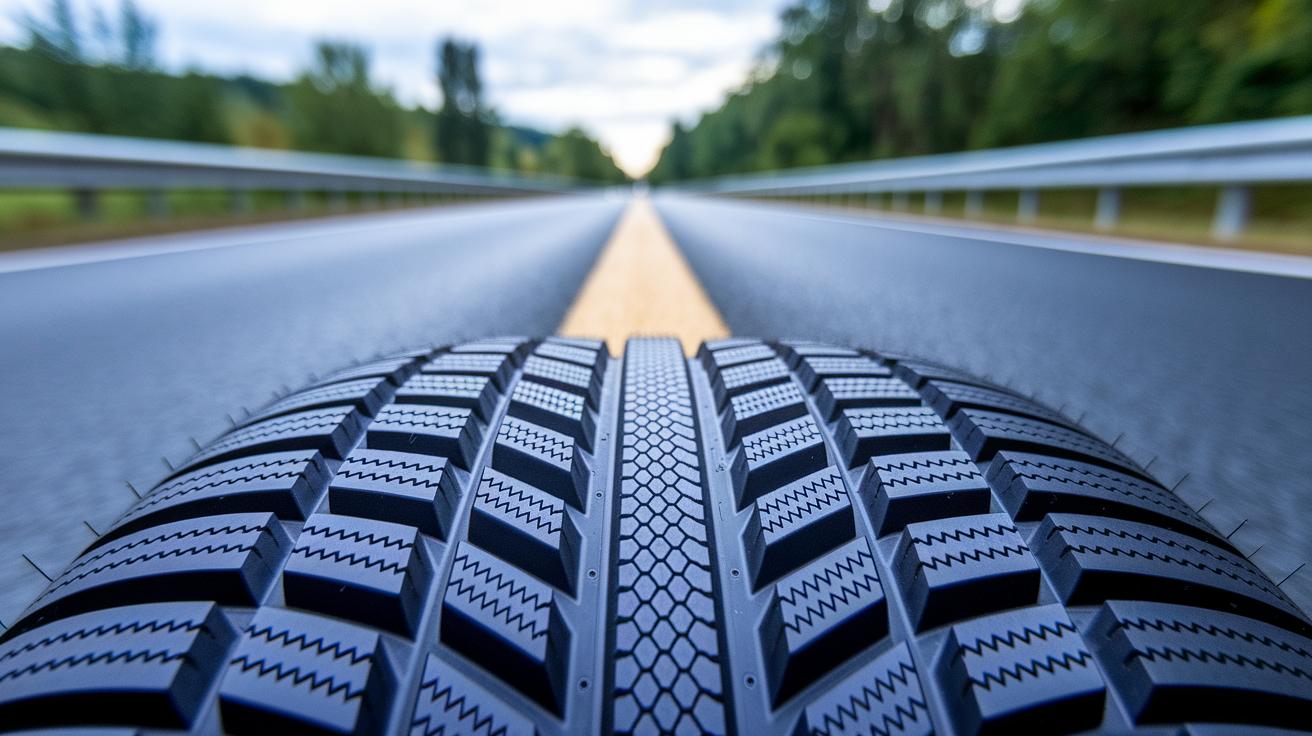
New tire treads are built with smart materials that change how your tire grips the road. They use a mix of rubber with silica (a mineral that helps boost grip on wet or dry roads) to give you a steady hold even when weather or road conditions change fast. Think of it like your car’s suspension adjusting on a sudden rainy day, each tread piece can move on its own so every part does its job when you need it most.
These treads come with sections that can change their firmness on command. Imagine a cushion that gets softer when you hit a bumpy patch and firmer when the road smooths out. Tiny devices called micro-actuators (small parts that help control movement) and shape-memory metals (metals that return to a set shape) work together to adjust the tire’s comfort. Engineers have designed these clever moving bits to handle everyday wear while keeping the tire in good shape. By combining smart rubber formulas with these adjustable parts, the tire reshapes itself under different pressures and temperatures, letting you enjoy a smooth and safe drive every time.
Applications, Challenges, and Future Outlook of Adaptive Tire Tread Technology
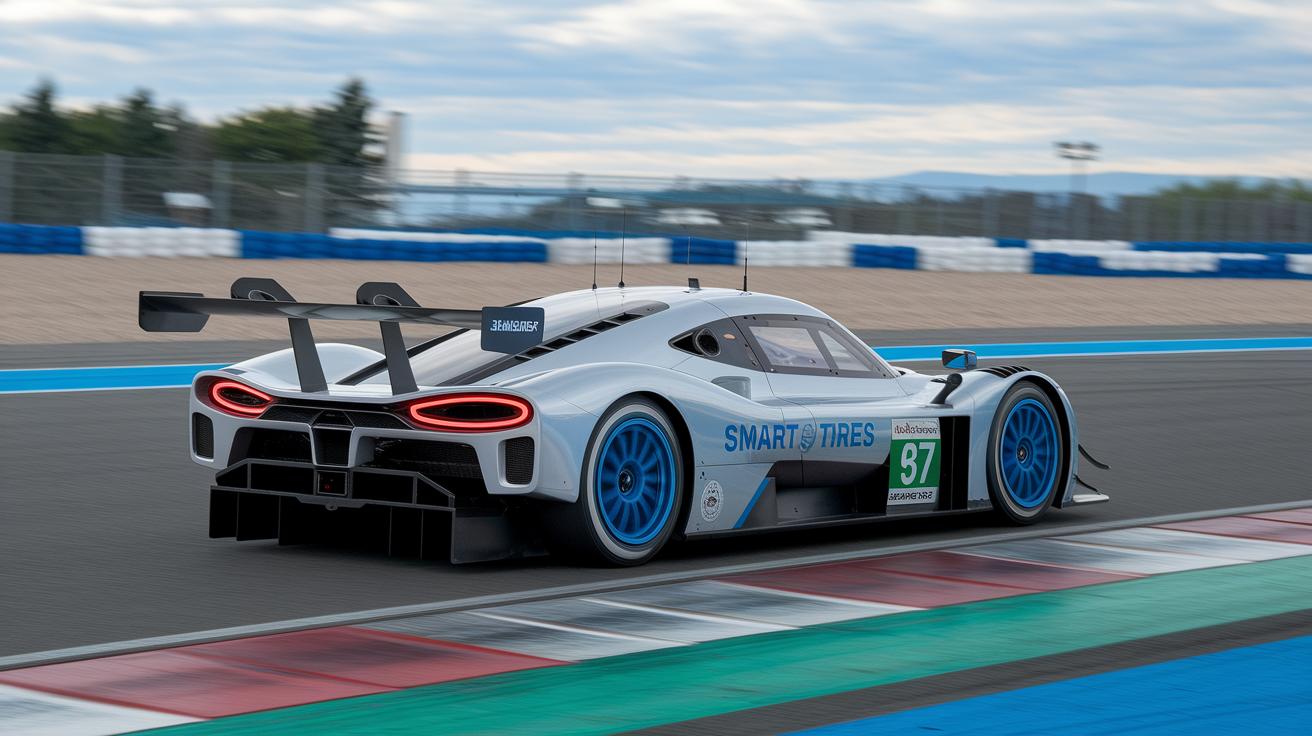
High-performance cars and everyday rides both gain from tires that adjust on the fly. Imagine a fast car that saves seconds on a sharp turn because its tires tweak their grip automatically. In one race, a supercar even cut lap times by seconds with sensor-guided adjustments. This kind of quick change not only offers better grip but also ramps up safety, no matter the weather.
These smart tires tap into tiny built-in sensors that check things like road texture, water levels, and temperature. Then, digital tools quickly adjust the tire’s shape in real time. Think of driving smoothly from a dry highway into a sudden shower, all while feeling secure on the road.
Some practical uses and benefits include:
- Racing cars getting better cornering grip and quicker braking.
- Everyday drivers enjoying safe rides all year without the hassle of changing tires.
- Race teams using dynamic adjustments to get the best performance during a run.
Of course, challenges remain. The research and development costs are high, the build process is complex, and keeping moving tire parts durable is tough. Getting these advanced tires to work with current car systems means tire makers, automakers, and researchers need to work closely together. They are also exploring ideas like onboard diagnostics, smart wear monitoring, and traction-control improvements that add extra layers of challenge.
Looking ahead, future upgrades might include using AI (artificial intelligence) to manage tire contact with the road, tweak tire materials, and smooth out the ride digitally. These next steps could perfect the way tires handle sudden changes, pushing safety and performance even further.
Final Words
In the action of exploring cutting-edge tire performance, we saw how sensors and smart design boost traction in real time. We looked at how adaptive tire tread technology adjusts to different road conditions to improve grip and safety. We compared modern adaptive systems with old-school designs and covered fresh materials that stand up to wear. Every detail adds up to a smoother ride and a safer drive. Keep your wheels turning with confidence, knowing that tomorrow’s tires are already changing the game.
FAQ
What is adaptive tire tread technology and how does it improve tire performance?
Adaptive tire tread technology means sensors and digital controls adjust the tire pattern in real time, offering steady grip and better safety in wet or dry conditions.
What is the best tire tread design for safe driving?
The best tire tread design changes with the road. Adaptive and directional patterns work to push water away and lock in grip for smooth, safe rides.
How long will a tire last with threads showing?
When you see worn tread, the tire is nearing its end. Many well-kept tires last between 40,000 and 80,000 miles, so it’s time to think about a replacement for safety.
What are some Michelin tire models for different uses?
Michelin offers models like Machxbib, Axiobib (and its version 2), Xeobib, Multibib, and RoadBib TL. Each is built to meet specific needs, from agricultural work to heavy loads.
What happened to Smart Tire after Shark Tank?
The Smart Tire concept grabbed attention on Shark Tank, and after the show, its design was reworked to better meet market needs while looking for wider acceptance.
What options do I have for agricultural tires and tractor tire selection?
For tough field work, top agricultural tires often come from brands like Michelin. Tools such as the Tractor Tire Selector help match tire models to your specific work needs.

