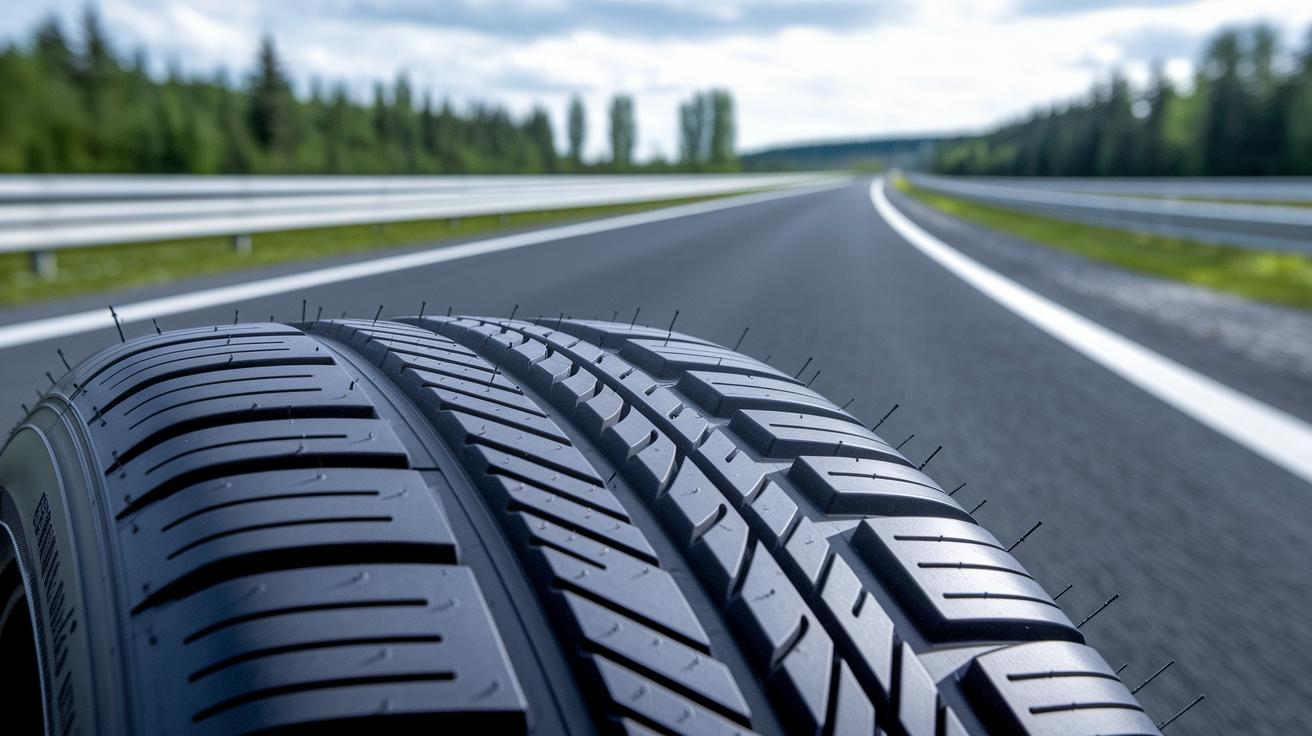


Have you ever thought your tires might help you save some money on gas? New tire technology is changing the game by cutting down on wasted energy and giving you a steady grip on both wet and dry roads. This update uses extra silica filler (a fine substance added to boost performance) to lessen rolling resistance and help your tires last longer. In short, these smart improvements can lower fuel costs and keep your ride feeling smooth, even on long journeys.
Performance breakthroughs with advanced tire compound technology
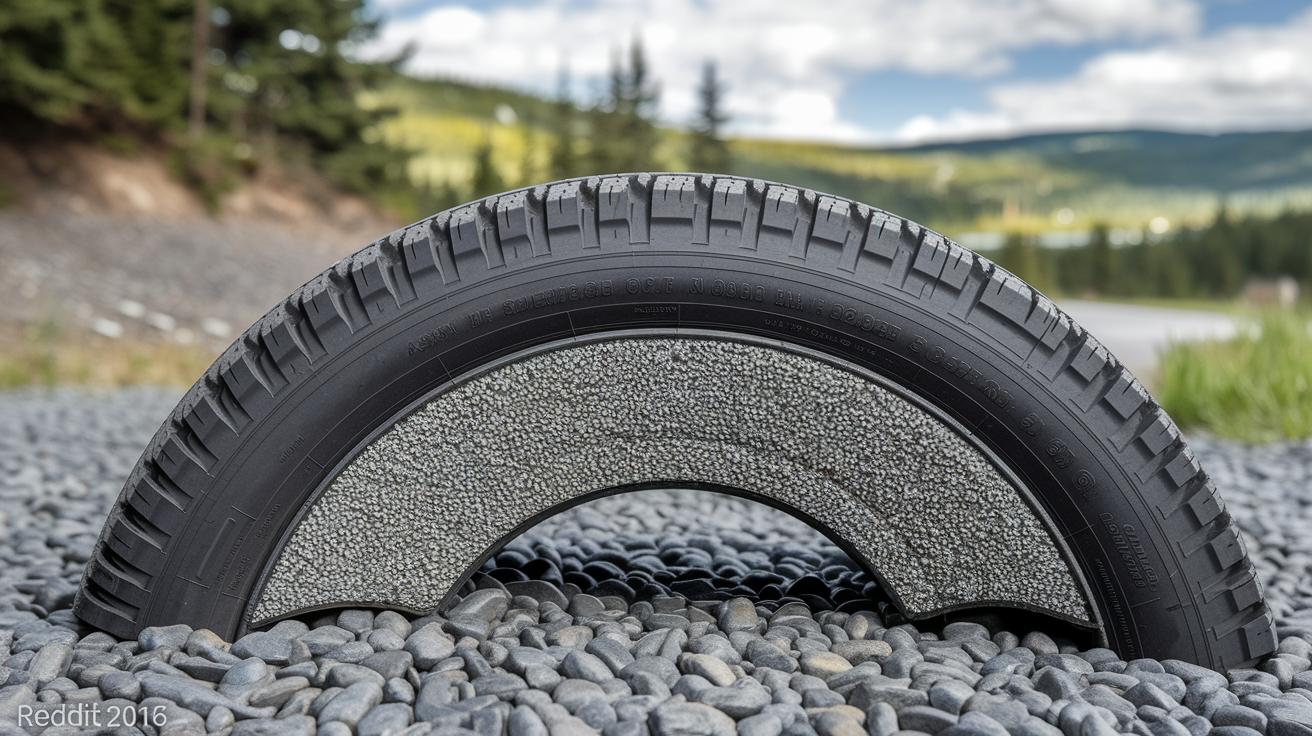
Measuring how well tires perform on wet and dry roads, how easily they roll, and how long they last shows us what advanced tire compounds can do. Cooper’s new tire technology uses a special silica filler (a fine material added to improve performance) – up to four times more than other brands – to cut rolling resistance (the energy lost when tires roll) and boost grip. This means you'll enjoy better fuel efficiency, longer-lasting tires, and steady performance even on long drives.
New fuel-saving additives and smart breakthroughs in reducing friction work together to make these tires perform better. By keeping the tires cooler and reducing wasted energy, they keep running at their best for up to 80,000 km. This careful mix of strong grip and low rolling resistance makes these tires fit well for many types of driving and different loads.
- Increased wet and dry traction
- Lower energy loss and cooler running temperatures
- Extended tread life under high loads
- Improved fuel economy per kilometer
- Enhanced thermal stability during repeated use
Cooper’s approach combines smart friction reduction with advanced wear resistance techniques. This blend of fuel-saving additives and low rolling resistance means the tires not only have excellent grip but also stay strong under stress. In short, these innovations offer a balanced mix of durability, efficiency, and solid traction that everyday drivers can count on.
Chemical composition innovations in modern tire compounds
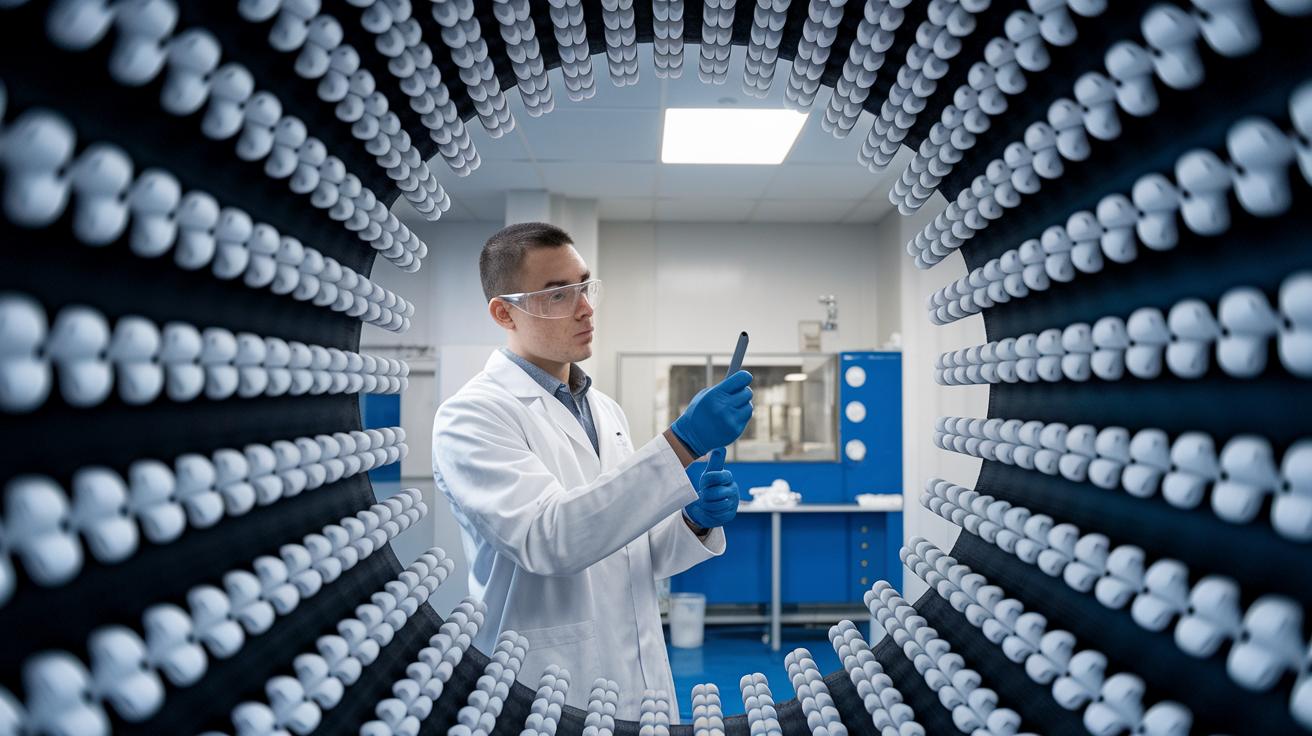
Today, tire makers use silane coupling to connect high-silica fillers (special particles) with rubber at the tiniest level. Think of silane agents as little bridges that link silica bits to the rubber mix, making the tire tougher overall. This strong bond not only boosts tire strength but also cuts down on energy loss, giving you a smoother and more efficient ride every day.
Tiny nano-particles also help the tires last longer by spreading out the strengthening particles evenly. With these nano-enhanced methods, the rubber forms a well-organized network that can handle heat and rubbing better. In short, this smart design minimizes tiny cracks, so your tires hold up well and keep a solid grip on the road.
New filler options are stepping into the spotlight by replacing or teaming up with carbon black. Scientists are testing bio-based oils and blends of silica and carbon that can work just as well, or even better, than traditional materials. This exciting research is paving the way for more eco-friendly and efficient tire compounds while keeping the toughness and durability that drivers count on.
Manufacturing and curing processes for advanced tire formulations

Making strong, high-performance tires starts with solid manufacturing and careful curing methods. Factories use modern mixing and controlled heating (vulcanization is the process of curing rubber with heat and chemicals) to create tire compounds that you can trust. Big mixers spread tiny silica particles evenly with polymers (rubber-like materials), which sets the stage for tires that balance grip with long-lasting strength.
High-precision mixing
At the mixing stage, friendly internal mixers use measured forces to spread additives evenly. This careful blending makes sure every batch behaves the same way on the road. The even mix of silica and polymers is crucial for keeping friction in check and for the tire to resist wear as you drive.
Smart vulcanization control
Smart vulcanization systems use real-time temperature and pressure sensors to keep an eye on the curing process. They adjust heat levels and timing on the fly, ensuring the rubber forms the right bonds and becomes strong. This method not only makes the tires tougher but also helps them work more efficiently with less wasted energy.
Quality assurance in curing
In the lab, experts fine-tune the curing process by running strict test cycles. After each batch, detailed checks make sure the tire compound meets the high standards expected. This quality check is the key to every tire delivering safe and consistent performance throughout its life.
Comparative analysis: traditional vs advanced tire compounds
Traditional tire compounds, mostly made with carbon black, have been the go-to choice for a long time. They do the job, but you usually have to accept a trade-off between grip and how long the tire lasts. In simple words, these older formulas give you standard wet grip and fuel saving, but they wear out quicker and don’t roll as smoothly, especially when the going gets tough.
| Property | Traditional Compounds | Advanced Compounds |
|---|---|---|
| Rolling Resistance | Baseline | –15% |
| Wet Traction | Standard | +20% |
| Tread Life | Baseline | +30% |
| Fuel Economy | Standard | +5% |
| Thermal Stability | Moderate | High |
When you compare these numbers to those of advanced compounds, the difference is clear. The newer, silica-rich formulas cut rolling resistance by 15%, boost wet grip by 20%, and extend tread life by 30% compared to the traditional mix. They even help save a bit more fuel and handle heat better. Imagine getting a smoother ride on your daily drive or even a bit more range on your electric car. It’s like swapping out an old engine for a newer, more efficient one , making for a drive that feels safer, smoother, and more confident.
Sustainability and eco-friendly advanced tire compound development

Manufacturers are shifting gears to use greener rubber blends. They mix things like oils made from plants, recycled rubber chips, and silica (a natural mineral). These ingredients join forces to lower carbon emissions by about 12% with each batch. Using recycled fillers cuts down waste and still makes tires that stick to the road nicely. It’s a win-win, strong, lasting tires that also help the planet. For example, by adding plant-based reinforcement (extra strength from organic sources), companies can trim material waste while keeping tire performance solid. Little steps like these are paving the road to a cleaner, greener way of making tires. Check out more on eco-friendly tire technology (https://tityres.com?p=480).
Lifecycle studies show energy savings of roughly 8-10% during mixing and curing (the process of hardening the tire). By fine-tuning these steps, the industry is driving toward a full-life sustainability model that helps both the Earth and the everyday driver. Strategies to cut down environmental impact and ongoing work to reduce carbon emissions not only make tires tougher but also set advanced tire compounds apart as leaders in green auto production.
Future directions in advanced tire compound research
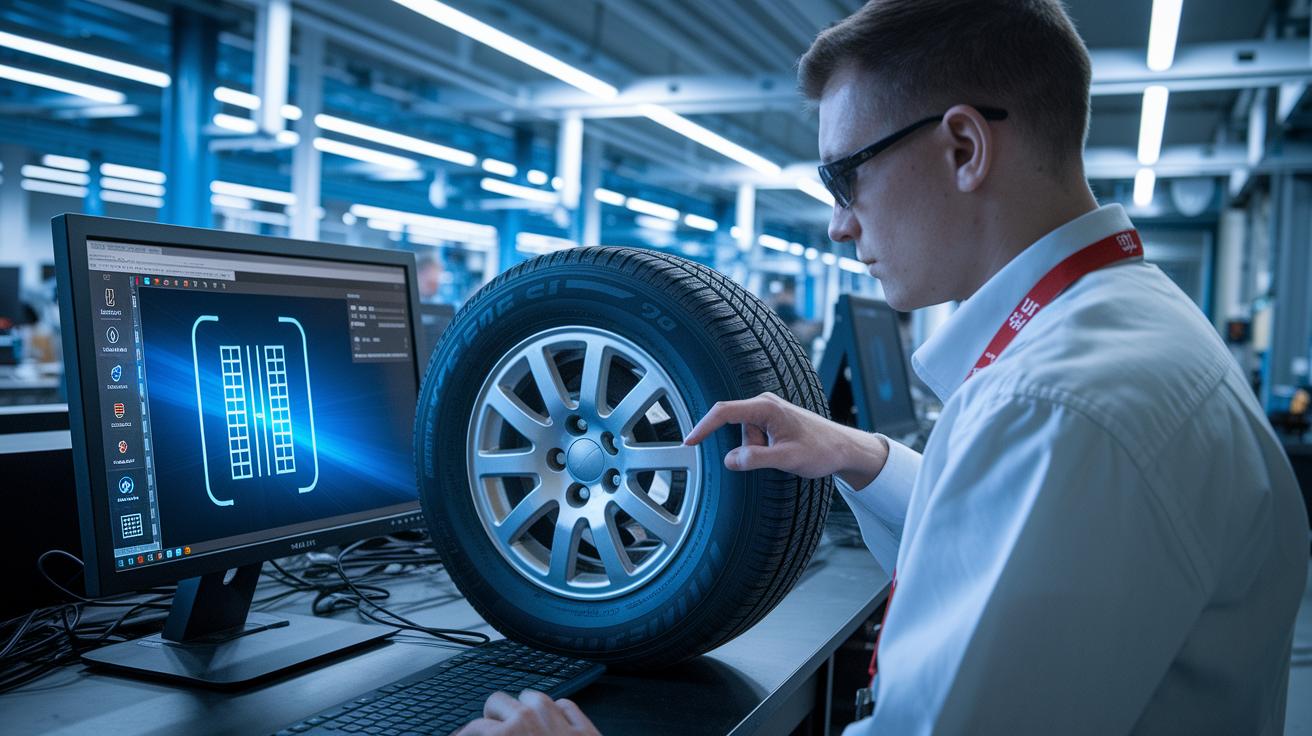
Tire technology is moving fast and changing how we think about performance and efficiency. New tires with built-in IoT sensors give drivers real-time info about temperature and wear (how fast the surface is used up), turning every drive into a chance to learn more and improve the product.
Digital research is booming with cool simulation models and digital tools for fine-tuning materials. Engineers can now predict how well a tire will grip the road and how long it will last (fatigue under load) even before hitting the road. They do this by using models that act like a sneak peek into what happens when tires take a beating. Plus, sensors help check the quality, so every tire is made to meet high standards. It’s like having a team of engineers, chemists, and data experts all working together, so lab results translate smoothly into what you feel on the road. This teamwork isn’t just about making tires better, they’re setting new standards for durability and saving energy.
Rapid prototyping, which means creating new tire formulas quickly, is cutting development time by almost 40%. Simulation-driven design reveals how even small changes in a tire’s chemicals can make a big difference on the street. Academic and industry teams are even looking into ideas like airless and self-sealing tires. These advances, along with new ways to predict performance, are steering us toward smarter and more efficient tires. Every trip you take will benefit from this careful, innovative work.
Final Words
In the action, advanced tire compound technology takes center stage. We touched on performance breakthroughs that boost grip, reduce energy loss, extend tread life, improve fuel economy, and stabilize temperatures.
We also looked at innovative manufacturing, eco-friendly designs, and future digital tools. These insights show how cutting-edge developments work together to keep tires safe and reliable. Enjoy the confidence that comes with every smooth drive.
FAQ
What are tires and what role do they play on a vehicle?
Are advanced tires any good?
What is the new technology in tires?
For details, see low rolling resistance tire technology.

