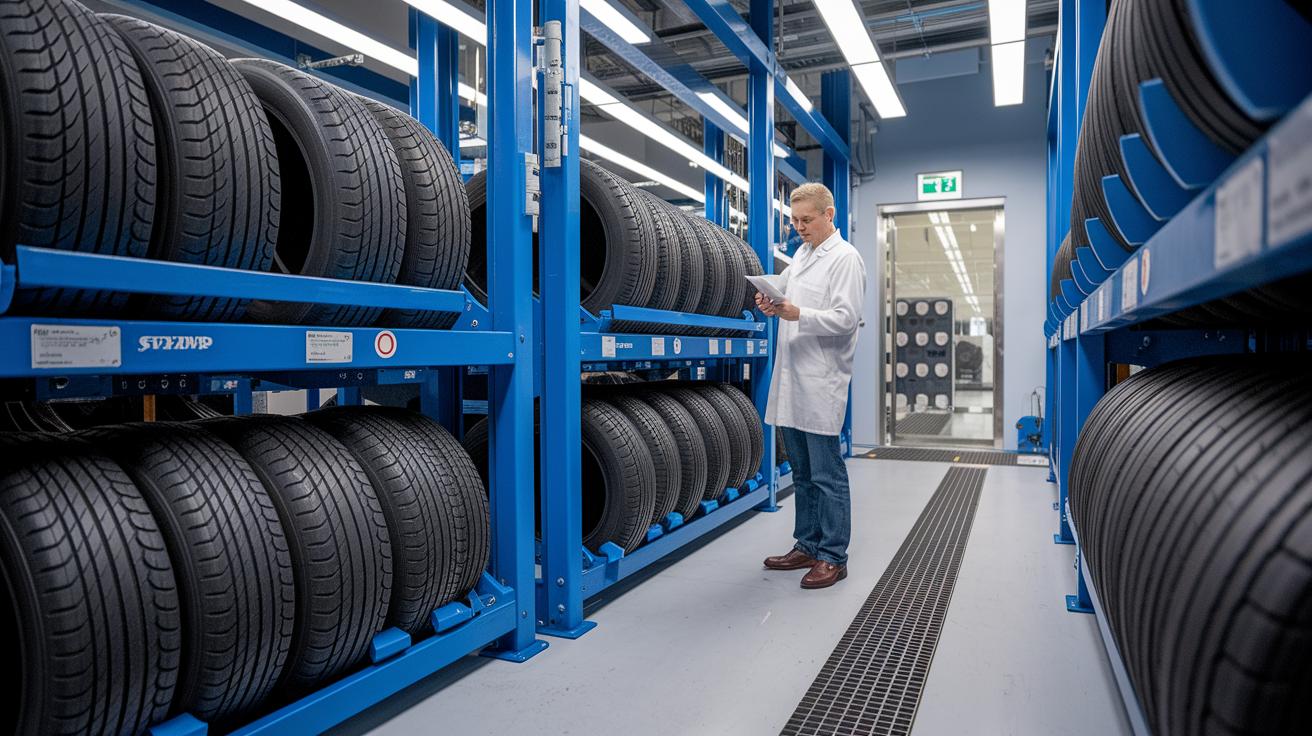


Ever wonder what keeps your tires safe when you’re taking sharp turns? New testing methods show us exactly how they hold up when the road gets rough. Engineers put tires through special challenges that mimic everyday driving as well as high-speed racing conditions. They use test setups that push tires to twist and push hard, almost like taking a fast track on a flat roadway.
These rigorous tests help design safety features you can really count on. It’s like watching a tire perform under pressure, giving us a clearer picture of how they will respond on the road. Next time you feel the steady grip of your tires during a sharp turn, you’ll know it’s thanks to these smart, real-life tests.
Meeting Industry Demands with Advanced Tire Testing Technology

Ever wonder how your tires handle those sharp turns and fast straightaways? Researchers are using cool, real-life test setups that mimic every little detail of your drive. They built a special flat-belt roadway that copies the way cars twist like in motorsports, even reaching speeds up to 320 kph. This lets scientists see how tires react during extreme maneuvers, so they can design smarter safety features.
The labs have high-tech rigs that put tires under serious pressure, imagine feeling the push of a hard turn. These machines can even apply forces up to 56 MNm (that’s a huge amount of power) to watch how tires perform when pushed to their limits. It’s like testing your car in a mini storm to make sure every tire works just right.
One standout invention is the TiReC device, created in 2018. This tool measures tire forces and even checks a tire’s dynamic loaded radius (basically how the tire behaves when it’s actually on the road). Unlike older, indoor tests, TiReC gives a true picture of tire-road grip. Benchmarks show it’s much more precise in capturing the forces, which helps engineers fine-tune tire compounds and tread designs.
And get this, the device comes with modular sensors that easily adjust to icy, wet, or any other road surface. This means the data is as real as your next drive, letting designers boost safety and performance based on what really happens on the road.
Ultra-Accurate Instrumentation and Rig Design in Tire Testing

High-quality measuring tools are at the heart of top-notch tire testing labs. The way the test machines are built is just as important. Take the MTS Flat-Trac platform, for example. It’s designed to mimic those tight turns in motorsports, so engineers can really see how a tire reacts when the load changes quickly.
Test rigs here can hit speeds up to 550 kph. That means they work well whether you're checking tires for everyday cars or even high-speed trains. They can recreate the push and pull a tire experiences during hard braking, sharp turns, or quick lateral movements all in one setup.
The facilities also include temperature chambers that can get as hot as 1500 °C. This helps test how well the tire materials stand up to extreme heat, making sure they last even in tough conditions. And with an overturning moment capacity of 56 MNm (a way to say they can push tires to the breaking point), engineers get a clear picture of where the tire might fail.
Using these ultra-accurate tests, researchers gather the data they need to make tires safer and more reliable. Every test helps to push tire innovation a little further, ensuring a smoother and safer ride for everyone on the road.
Cutting-Edge Sensor Integration and Real-Time Data Capture
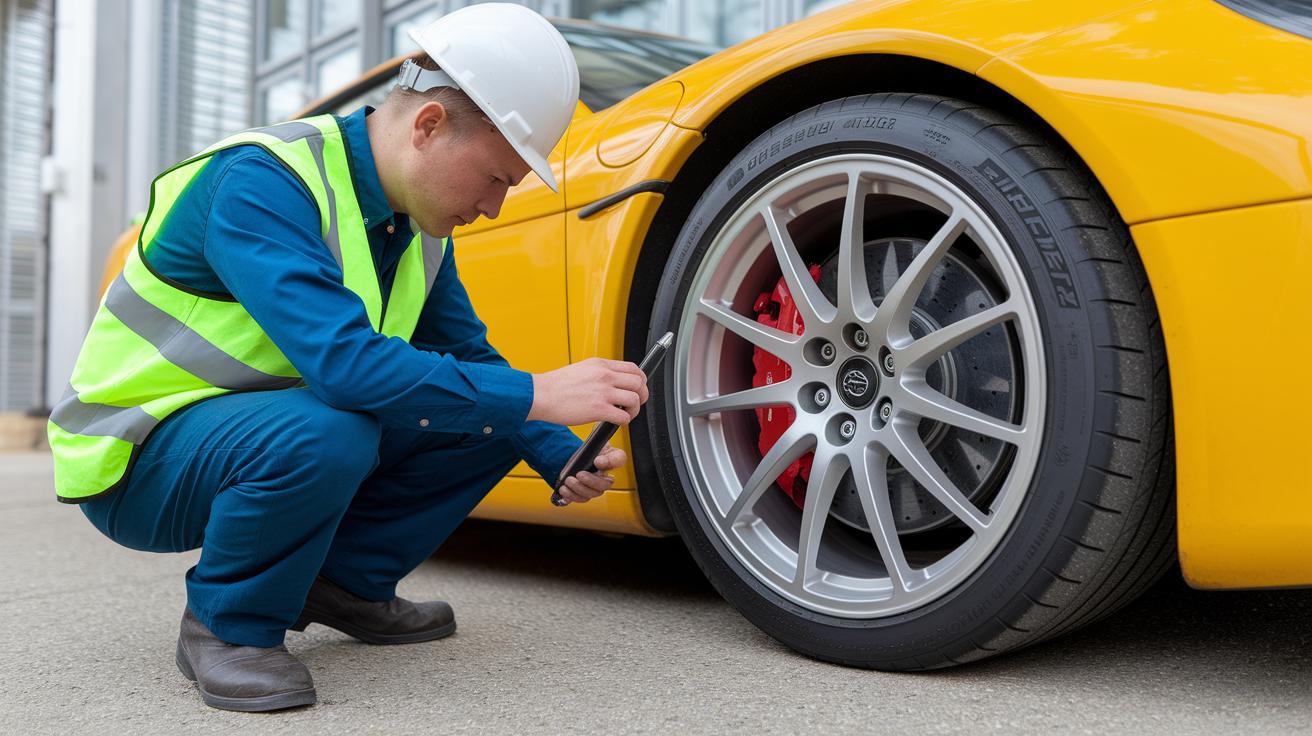
Modern tire tests now use smart sensor networks that collect performance info as it happens. These sensors, like the Tekscan tactile ones, check the pressure where the tire meets the road (think of it as a close-up look at how the tire holds up) and track how forces spread out. It’s pretty amazing, these sensors pick up even a tiny drop in pressure fast enough to help keep you safe on the road.
Then there are the TiReC modular sensor arrays, which add even more detail by digitizing the tire’s shape and the angles of the wheels when you’re turning or braking hard. It’s like having a helpful co-pilot that notes every little shift as you drive.
There’s also a set of non-contacting strain gauges that take measurements without actually touching the tire. This means they can capture changes in every direction while avoiding any interference, much like a camera capturing every moment of a fast-paced sporting event.
All this data zooms straight into the TestSuite software, where it’s turned into clear performance reports. Engineers can then use these real-time insights to fine-tune tire designs for better grip and safety on different surfaces. Imagine watching a live display that shows every tiny force change, guiding improvements right when you need them.
Every bit of this sensor technology, from pressure maps to movement tracking, comes together to help drive innovations in tire safety on today’s roads.
Simulation-Driven Methods and Real-World Condition Modeling

These days, lab tests use simulation methods that feel a lot like everyday driving. Engineers use something called cross-coupling compensation (a way to balance forces) to copy what happens in high-speed rail and wind turbine drivetrains. It’s like watching your car’s digital twin handle a sharp twist on the road.
TestSuite software really changes the game. It builds digital twins that let engineers try out virtual stability control and even run wet-track tests right on a computer. This means there’s no need to make physical prototypes for electronic stability control, which makes testing faster and cheaper. Imagine checking out tire performance like you’re testing a new gadget on your workbench, quick and efficient.
Digital twins and virtual tools work together to verify designs using simulation. They mimic road conditions that cars and race vehicles face at speeds up to 320 kph (about 200 mph). This careful simulation of braking, turning, and accelerating makes on-road conditions feel real on a computer screen. It’s like watching the tire grip a wet road, adjusted perfectly with each tweak.
Next, new testing routines mix these digital snapshots with solid real-life simulations. Using advanced virtual tools, engineers can refine tire designs in the lab before taking them to the road. This saves time, cuts costs, and drives improvements in safety.
Comprehensive Rubber Compound Assessment and Structural Analysis

At top-notch tire labs, experts test everything from strong high-temperature alloys to special polymers that can handle up to 1500 °C. Imagine pushing a tire material into an industrial oven; only the hardest compounds stay firm without losing shape. This kind of tough testing shows just how resilient today’s rubber is even under extreme conditions you wouldn’t see on an everyday drive.
Next up is dynamic mechanical analysis. This test checks how much energy a tire wastes (that’s called hysteresis loss) when it bends with every bump and turn. It’s like watching your tire take on a series of mini challenges to see how long it can perform. Then, engineers run accelerated aging studies. They put tires through quick temperature and stress changes that imitate years of regular use in just a few tests, proving that these materials are ready for real-world roads.
Finally, composite evaluation methods come into play. These tests explore how well a tire grips the road, watches the tread wear down, and checks on wet conditions to prevent dangerous hydroplaning. One test even showed that some composite materials keep a strong grip on slick surfaces, ensuring that your tire stays safe and responsive. All these tests together give engineers a clear, honest look at a tire’s strength under daily driving stresses.
Standards, Protocols, and Quality Assurance in Advanced Tire Testing
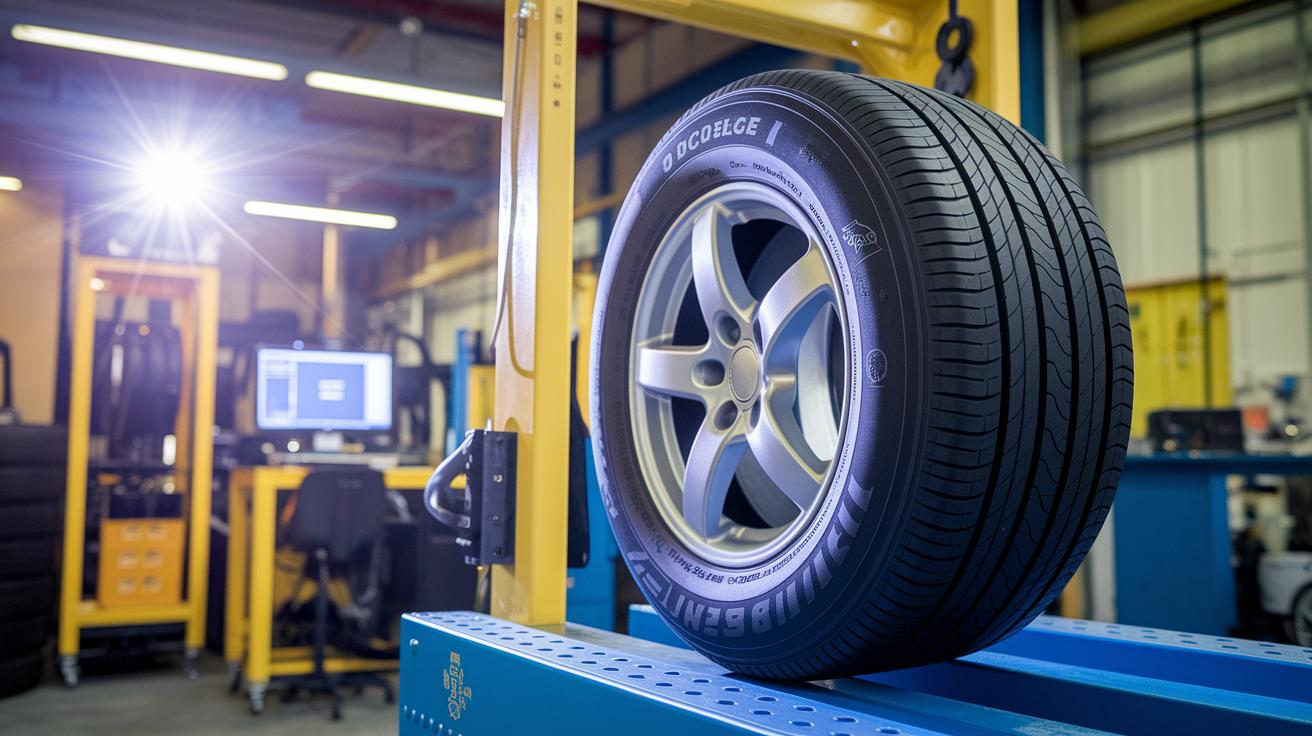
Our tire labs stick to trusted rules like ASTM, ISO, and EN to check every tire on things like handling heavy loads and facing tough weather (imagine how you’d check your fuel gauge before a long drive). Each tire gets a step-by-step test that makes sure every result is clear and steady.
We use smart sensors that never actually touch the tire and really careful calibration. It’s a bit like checking your speedometer twice to be sure you’re going the right speed. With up-to-date info from our TestSuite analytics, our engineers can quickly double-check that every tire meets the right standards.
Our quality checks do more than just make sure safety is in place. They also keep us following all the important rules. This solid system means you can trust that every tire is made to last and ready for the road. Even the official reviews are made simple with perfect data checks, all part of today’s trusted tire testing methods (more details at https://tityres.com?p=657).
Benchmark Performance Trials and Case Study Insights

At the National Tire Research Center, they put tires through some very tough tests. They run off-road endurance trials and rugged challenges for big trucks and electric vehicles. These tests check things like grip force (how well a tire sticks to the road) and hydroplaning potential (the chance of slipping on wet surfaces), which helps improve tire design and safety.
One cool example is a side-by-side study comparing the TiReC device to older indoor testing methods. The TiReC system tracks slip ratio (how much the tire slips) and force more accurately by measuring exactly where the tire meets the road. This new approach not only fine-tunes grip measurements but also boosts testing for hydroplaning resistance. In wet-track tests, tiny sensors pick up small changes in tire pressure and the tire’s contact with the road, giving engineers useful clues about tire behavior on slick surfaces.
They also run accelerated aging tests that mimic long-term use. These tests collect trend data to show how tires wear over time. This information is really helpful for predicting when a tire might start losing its grip or show signs of wear after years on the road.
Key takeaways from these tests include:
- Off-road trials that confirm better tire designs for electric vehicles and heavy trucks.
- The TiReC study, which offers more accurate force measurements than older indoor methods.
- Clear evaluations of grip force and hydroplaning performance on wet roads.
- Aging tests that help predict tire wear and overall tire life.
These real-world tests prove that tires can handle even the harshest conditions. The clear data from these studies guides better design and safety improvements in future tire development.
Final Words
In the action, our blog took you through real-life testing methods and innovative sensor setups. We touched on simulated performance, tire compound checks, and strict quality protocols.
This review shows that modern advances and advanced tire testing technology make a real difference in tire safety and performance. It all points to smarter solutions leading to safer drives. Enjoy the ride and keep that confident grip on the road.
FAQ
What does Calspan tire testing involve?
Calspan tire testing involves evaluating tire performance with high-precision rigs, smart sensors, and simulation-driven methods that replicate on-road conditions and help optimize tire design for safety and quality.
How does a tire testing lab work?
A tire testing lab uses modern machinery to mimic real-world forces, measure tire durability, and assess material behavior so manufacturers can meet strict quality and safety standards.

