


Ever thought your tire could fix itself right on the road so you don’t need to swing by the repair shop? Self-sealing tires have a smart liquid layer that patches up tiny punctures from nails or screws almost right away, acting like a mini band-aid on your tire.
This means that even if you pick up a little piece of metal, you’re not suddenly stuck on a busy street. Today, we’re chatting about the latest upgrades in self-sealing tire technology and how they make driving safer and a bit easier. Stick around and see how these neat advances might change your everyday journey.
Self-Sealing Tire Technology Overview for Drivers

Self-sealing tires come with a special liquid layer that fills small punctures almost instantly (up to about 5 mm in most tires and up to 6 mm in newer models). So when a nail, screw, or other sharp object pokes through, the sealant flows right in and stops the air from leaking out. This means your tire stays firm, letting you enjoy a steady ride despite minor road hazards.
Unlike run-flat tires that lean on strong sidewalls to support you after a loss of air, self-sealing tires fix the problem right at the source. It’s like having a built-in repair service for your tire, keeping you safe and less likely to be surprised by a flat. Ever notice how a smooth ride makes all the difference?
Imagine driving on a tire that quickly patches itself after a little puncture, so you don’t have to worry about stopping extra times. This clever design helps keep your tires tough and dependable day in and day out, even on bumpy roads or busy streets. And as this technology keeps evolving, everyday trips become even safer and more reliable.
Advances in Sealant Compounds for Self-Sealing Tires
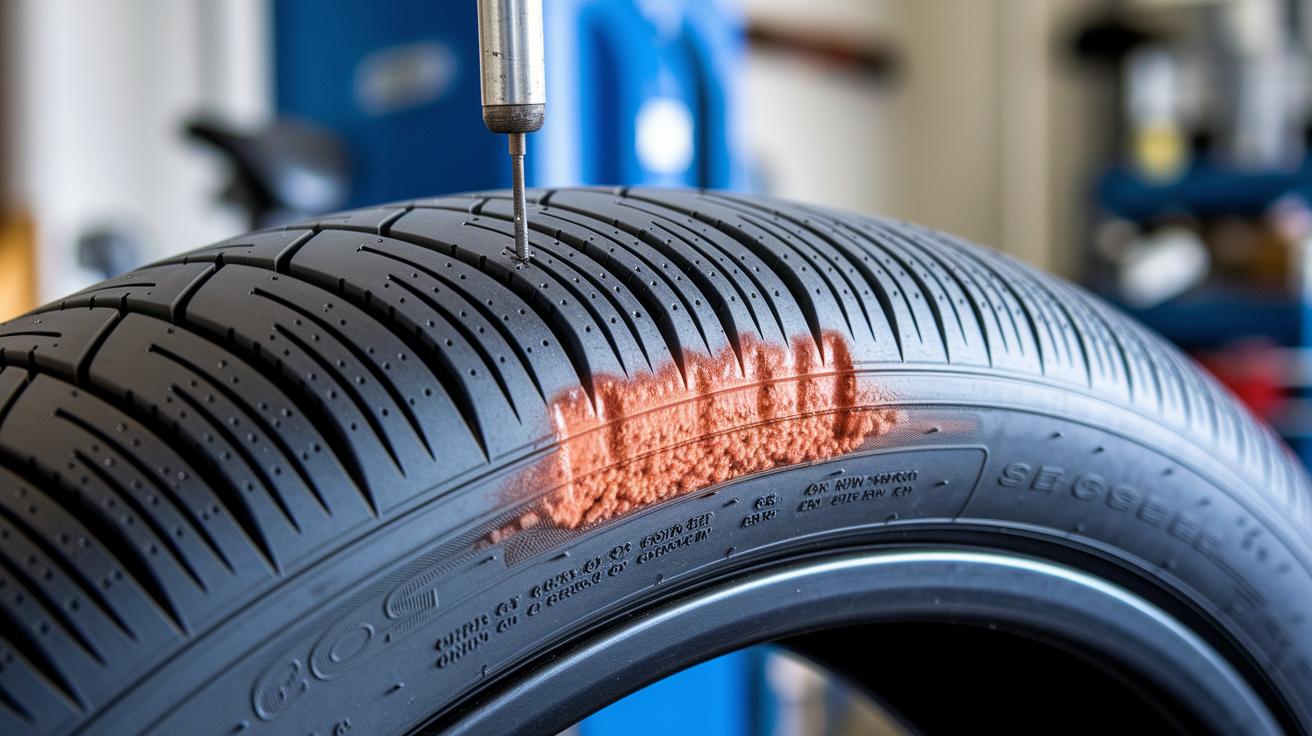
MICHELIN SelfSeal uses a natural rubber that’s kind to the planet and super effective at sealing small punctures. When you get a little puncture, this special rubber quickly plugs the hole, acting like a built-in repair kit that keeps your ride safe without extra tools. It’s like having a tiny mechanic right in your tire, keeping things smooth so you can get back on the road with less hassle.
Goodyear DuraSeal steps it up with a gel-like, solvent-free compound that can handle punctures up to 6.35 mm (that’s about 1/4 inch). Imagine a soft, yet powerful seal that fills the gap, even when your tire gets a bigger nick. And because it works without any harsh chemicals, it’s both safe and efficient. If you’re curious about how these clever compounds are made, check out the advanced tire compound technology at tityres.com for more details.
Pirelli Seal Inside™ takes a different route by making a product that works on almost any rim, without needing extra sensors or special setups. They also beef up the tire’s sidewall with materials like Kevlar (a tough fiber similar to what’s used in bulletproof vests) and use special tread compounds with lots of synthetic rubber. This means the tire is built to resist cuts and chips, giving you a tire that lasts longer and stays reliable on everyday roads.
Each of these innovations shows how mixing smart sealant chemistry with strong tire design creates a tire ready for everyday bumps and bruises on the road. It’s like having an extra set of hands taking care of your car, so you can drive with less worry and more confidence.
Performance Comparison: Self-Sealing vs. Standard Tire Options
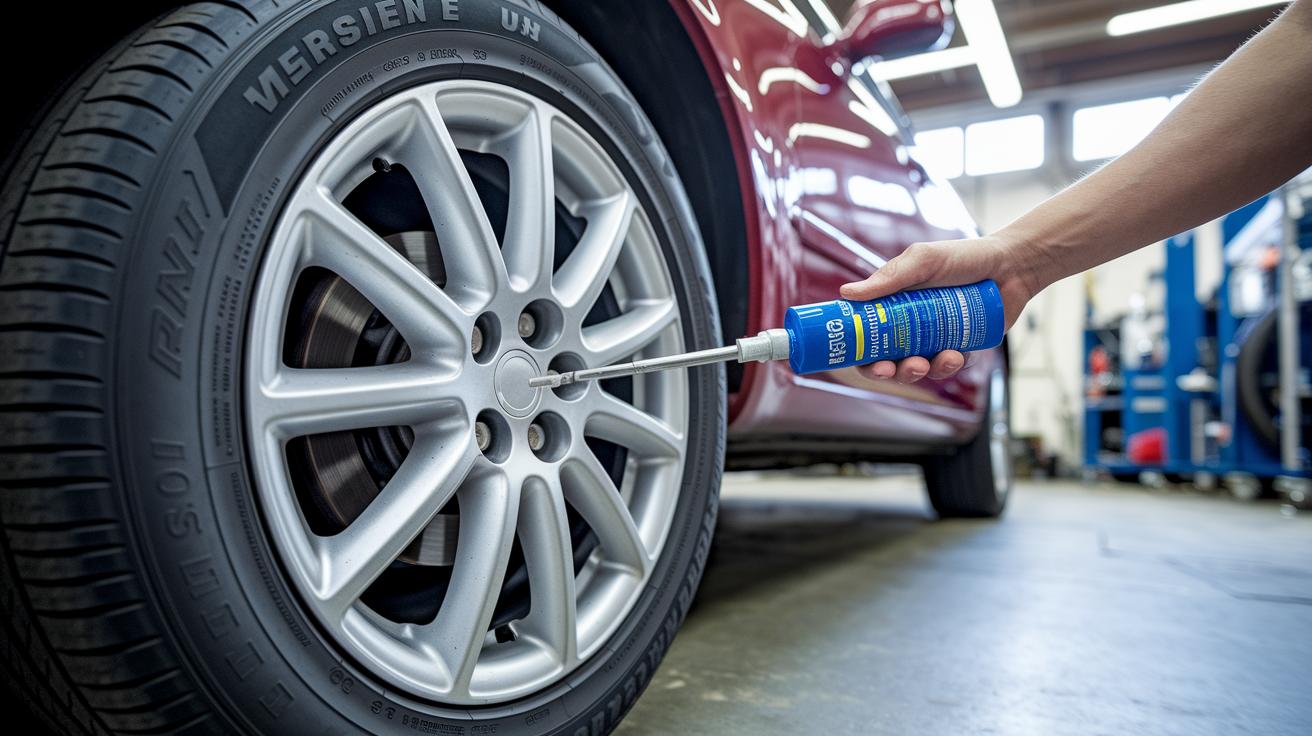
Self-sealing tires quickly bounce back to full pressure in under one second during tests, keeping your ride smooth even after a small puncture. Lab tests show that when tiny bits cause small holes, the liquid inside acts fast (about 0.5 seconds) to hold up to 99% of the tire's original pressure. Run-flat tires let you travel around 50 miles when damaged, but they don’t fix the hole, while standard tires can lose 10-20% of their pressure until you get them repaired.
Real-world results also show that self-sealing tires last better over time. In repeated puncture cases, these tires drop less than 5% in performance compared to regular ones. They might cost about 5-10% more at first, but you can save money later by avoiding extra stops and repairs.
| Metric | Self-Sealing Tire | Run-Flat Tire | Standard Tire |
|---|---|---|---|
| Puncture Response Time | 0.5 seconds | N/A | N/A |
| Post-Puncture Mobility | None needed | Up to 50 miles | Professional repair required |
| Long-Term Durability | Less than 5% performance drop | Variable | 10-20% pressure loss without repair |
Safety and Maintenance Benefits for Drivers
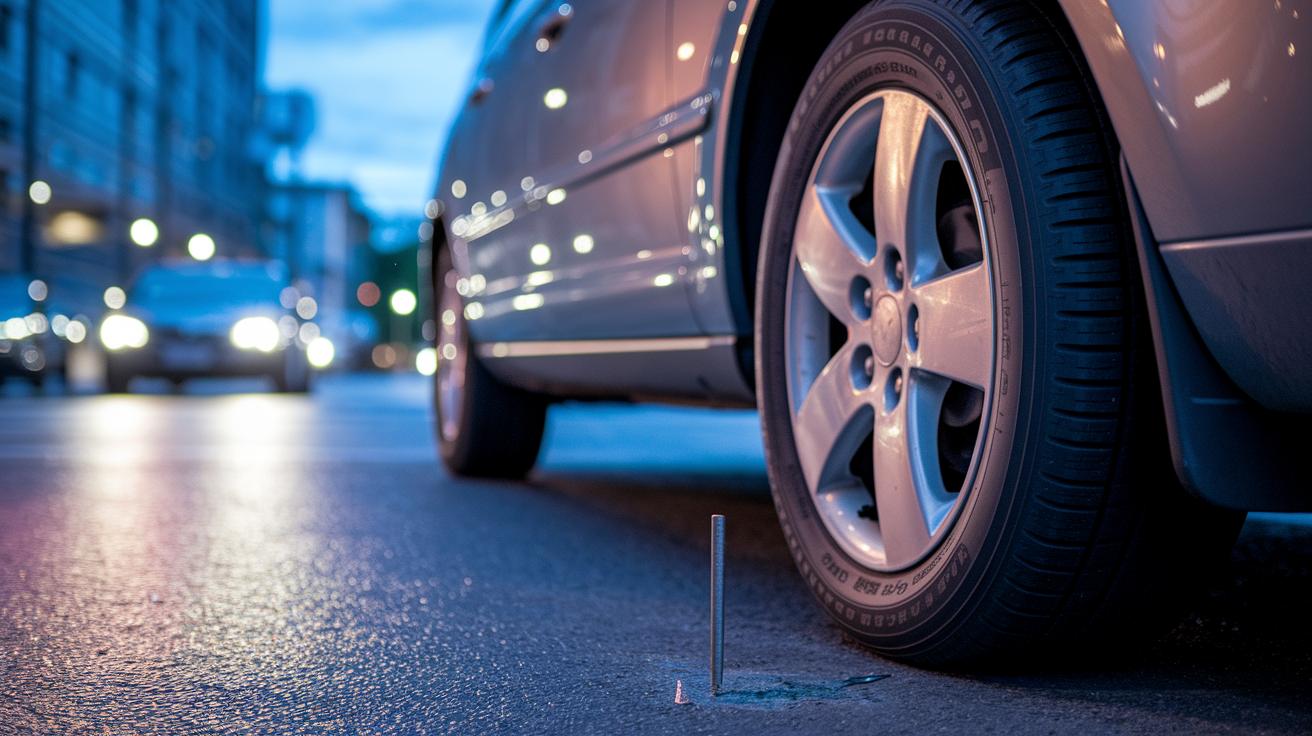
Self-sealing tires help stop small punctures before they become a big problem. When a nail or other sharp object hits your tire, the sealant fills the gap fast (in less than a second, in fact). This means you can drive on without worrying about a sudden blowout.
This quick fix keeps you safe on busy streets or during bad weather. No more risky stops on slick or dark roads to change a tire. Plus, the speedy seal protects your wheel and tire set from extra damage that might happen when you drive on a flat tire.
For those in the city or out in the suburbs, whether you drive for work, deliver packages, or go on long trips, self-sealing tires cut down on surprise stops. Fewer roadside fixes save you time and money while keeping your car in great shape and making every ride safer.
Cost Considerations and Real-World Applications
Self-sealing tires cost a bit more upfront than standard tires, but they save you money later. They help you avoid roadside fixes, tow trucks, and extra tire changes. Imagine cruising along with fewer unexpected stops because your tires handle small punctures on their own, it’s like having a little helper keeping you on track.
Big car makers, including those fitting the 2020 Ford Explorer, along with electric vehicle and SUV brands, are choosing these tires. They help balance the challenges of heavier curb weights and not having a spare tire. In real-world tests, both fleets and individual drivers report fewer service interruptions. Instead of dealing with a flat, the tire basically fixes itself, which means lower repair costs over time.
For everyday cars and commercial fleets alike, this tire technology really shines over the long run. With self-sealing tires, repairs become less of a hassle, and the tires last longer because they continuously handle small punctures before they turn into big problems. It’s a smart way to boost vehicle safety and spend less time waiting around for repairs.
Future Trends in Self-Sealing and Self-Healing Tire Technology

Scientists are testing tires that can fix themselves when they get small cuts. These tires use special bonds in their materials (tiny hydrogen bonds in a plastic-like mix) to regain about 80% of their strength in just one day at room temperature. A full repair might take up to 8 days. Ever imagine a tire healing like a small cut on your skin? One day, you might drive on tires that quickly seal tiny punctures and even rebuild themselves after damage.
Tire makers are also adding smart features to their designs. New tires come with small sensors that keep an eye on tire pressure, tread depth (the part that touches the road), and temperature. These smart sensors send live updates so you always know when your tire needs a little extra care. It’s a bit like getting a quick check-up every time you hit the road.
Airless tire designs are another exciting step forward. Take the MICHELIN X TWEEL, for example. Instead of relying on air pressure, it combines the tire and wheel into one piece using flexible polyurethane spokes. This clever design helps soak up bumps and maintains a steady grip on the road.
Research shows that tire technology is set to grow a lot. In 2024, the market was valued at $20.76 billion, and experts expect it to hit nearly $47.73 billion by 2034, growing at around 8.68% each year. For the latest news on market trends and new developments, check out automotive industry updates at https://unionno.com?p=595.
All these new ideas are steering us toward a future where tires almost take care of themselves, giving drivers more confidence and fewer worries about unexpected flats.
Final Words
In the action, this post broke down how self-sealing tires work, the strong sealant compounds they use, and how they compare with standard tire options. It also touched on the clear safety and maintenance benefits for everyday driving and cost considerations. The write-up even hinted at the exciting future trends in tire technology. These points remind us that simple, smart tire design helps keep driving safe and smooth. We’re excited about the ongoing advancements in self-sealing tire technology for drivers.
FAQ
Are self-sealing tires worth it and do they really work?
Self-sealing tires work by automatically closing small punctures, keeping air pressure intact and reducing surprises on the road. They offer peace of mind and save you the cost and hassle of roadside fixes.
How do Chevy Bolt self-sealing tires function?
Chevy Bolt self-sealing tires feature a built-in sealant layer that fills small punctures instantly. This design helps maintain tire pressure and keeps you moving without the need for immediate roadside service.
How does Pirelli Seal Inside compare to run-flat tires in puncture repair?
Pirelli Seal Inside tires quickly seal punctures using a special compound, maintaining air pressure. Unlike run-flat tires, which rely on reinforced sidewalls for limited driving after impact, they provide a smoother ride with less downtime.
What can you tell me about Michelin tires, including the Michelin self-healing tire?
Michelin self-healing tires automatically fill small punctures with an internal sealant. Standard Michelin tires are known for their long-lasting performance and grip, giving drivers a reliable option for everyday driving needs.
How long do Michelin Primacy 4 tires last?
Michelin Primacy 4 tires are built to last many miles with good maintenance. Their durability and stable performance help keep your ride safe and consistent over time.
What should I know about Premier tires?
Premier tires offer solid, dependable performance for daily driving. They are designed to provide good grip and durability under common road conditions, making them a practical choice for everyday motorists.
What is a self patch tire?
A self patch tire automatically repairs small punctures using an internal sealant. This feature minimizes the need for roadside fixes and helps maintain a stable, comfortable ride after minor tire damage.
What are the biggest innovations in tire technology and how has it changed over time?
Tire technology now includes self-sealing and self-healing designs, smart sensor integration, and improved materials that boost puncture resistance. These changes have made tires safer and more reliable while reducing maintenance needs.

