


Have you ever thought about how a smart tire system in your sports car can change your drive? New sensor setups now show real-time tire pressure (how much air is in your tires) right on your dash. They even alert you if something seems off before any real problems show up.
These sensors give you clear readings whether you're speeding up or taking a tight turn, so you always know your tires are in top shape. It’s not just about a comfy ride, it’s about boosting performance and keeping you safe every time you hit the road.
Cool, right? Imagine feeling that steady grip on every curve. Modern innovations like these make your journey more reliable and stress-free.
Sport Car TPMS Advancements: Overview of Next-Gen Monitoring Systems
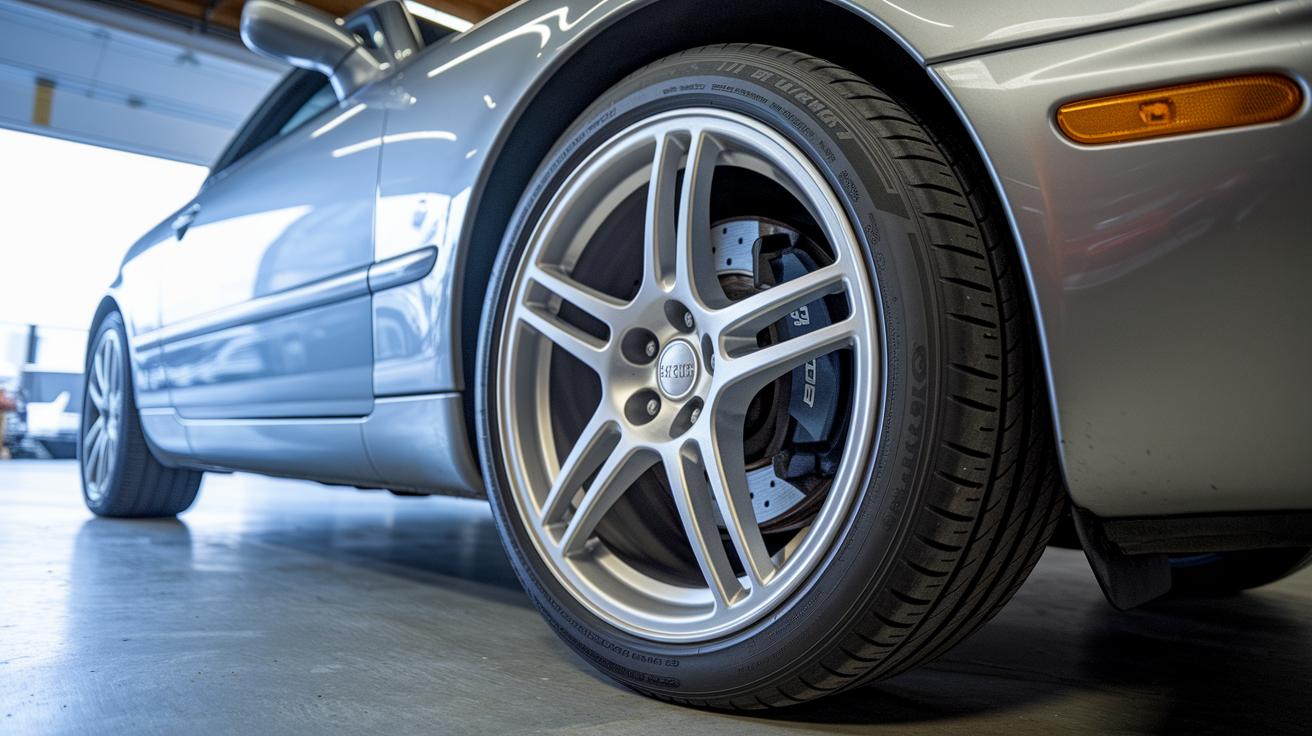
Modern sport car tire pressure monitoring systems build on trusted ideas to bring you big improvements you can count on. Direct TPMS uses sensors on your wheels (which check tire pressure in real time) and indirect TPMS figures out the pressure by looking at wheel speed. Now, these systems show you tire pressure on your dash, digital display, or with in-dash warning lights so you always know what's happening with your tires, even when you’re driving fast.
One cool upgrade is the new TECH U-Pro Hybrid TPMS sensor. With this sensor, you can set your own tire pressure limits right from your smartphone. This makes adjusting your tire pressure super easy, and it even works well with the latest high-performance tire designs. It’s a win-win, giving you sensors that are both precise and reliable, all while boosting your car’s overall safety.
Improved calibration and quick warnings help you get the best grip and steer clear of tire issues. These smart systems let you compare tire pressure readings with the carmaker’s advice, cut down on downtime, and keep your tires in top shape. With solid sensor technology and modern displays, the current systems raise the bar for real-time monitoring, helping you protect and optimize your ride.
These tech advances are a great example of modern engineering at work. Next-gen monitoring is all about quick, trustworthy updates that give you the confidence to drive safely every time.
Advanced Sensor Technologies Driving Sport Car TPMS Precision

Today’s sensor tech in tire pressure monitoring (that’s TPMS – a system that checks if your tires are properly inflated) is taking sport cars to a whole new level. New sensors give readings with sub-psi accuracy (psi measures tire pressure), so you know your tire pressures are spot-on even when you’re speeding or taking tight corners. Imagine seeing almost no change in the numbers, no matter how fast your car is going. It’s like having a tiny expert constantly watching over your ride.
Sensor miniaturization has come a long way. These little modules fit neatly into your sport car wheels, keeping extra weight (unsprung mass) down so your car stays balanced on the road. And since they use low-power circuits, their batteries can last anywhere from 5 to 10 years. They’re built tough too, with corrosion-resistant alloys that handle rough roads with ease.
Take the TECH U-Pro Hybrid sensor as an example. It’s smartphone-programmable and lets you fine-tune your tire pressure settings without any hassle. Even though these sensors are small, they pack a punch, blending smart design with reliable performance.
All these advancements mean your sport car’s TPMS becomes more precise, durable, and ready for extreme conditions. It’s a perfect mix of cutting-edge tech and everyday toughness, ensuring you can drive with confidence every time you hit the road.
Sport Car TPMS Integration with Vehicle Control and Diagnostics

Modern tire pressure monitoring (TPMS) is now hooked up with your sport car's main systems so that sensors send real-time tire pressure info to different parts of the car. It chats with the engine computer (ECU), the brakes (anti-lock braking system or ABS), and the traction-control system. This super-fast connection helps your car adjust its grip almost instantly, keeping you safe even during sudden moves.
Your car's built-in sensors constantly share fresh tire pressure readings with its health-check systems, kind of like a fitness tracker keeping an eye on your heart rate. If a tire loses a bit of air, smart computer programs notice the change and warn you before it becomes a real issue. For example, a tiny drop in pressure can prompt the car to adjust its brakes right away for smoother handling.
Key benefits of this setup include:
- Better control as all systems adjust together.
- Remote tracking of tire data through online platforms.
- Early alerts that help you fix pressure issues before they affect performance.
You can also see these cool trends highlighted by future auto innovations, showing how connected car networks are setting new standards in vehicle tuning. By merging TPMS data with onboard diagnostics (self-check systems), sport car makers design setups that tweak settings on the fly while keeping you informed and safe.
Performance and Safety Benefits of Sport Car TPMS Innovations
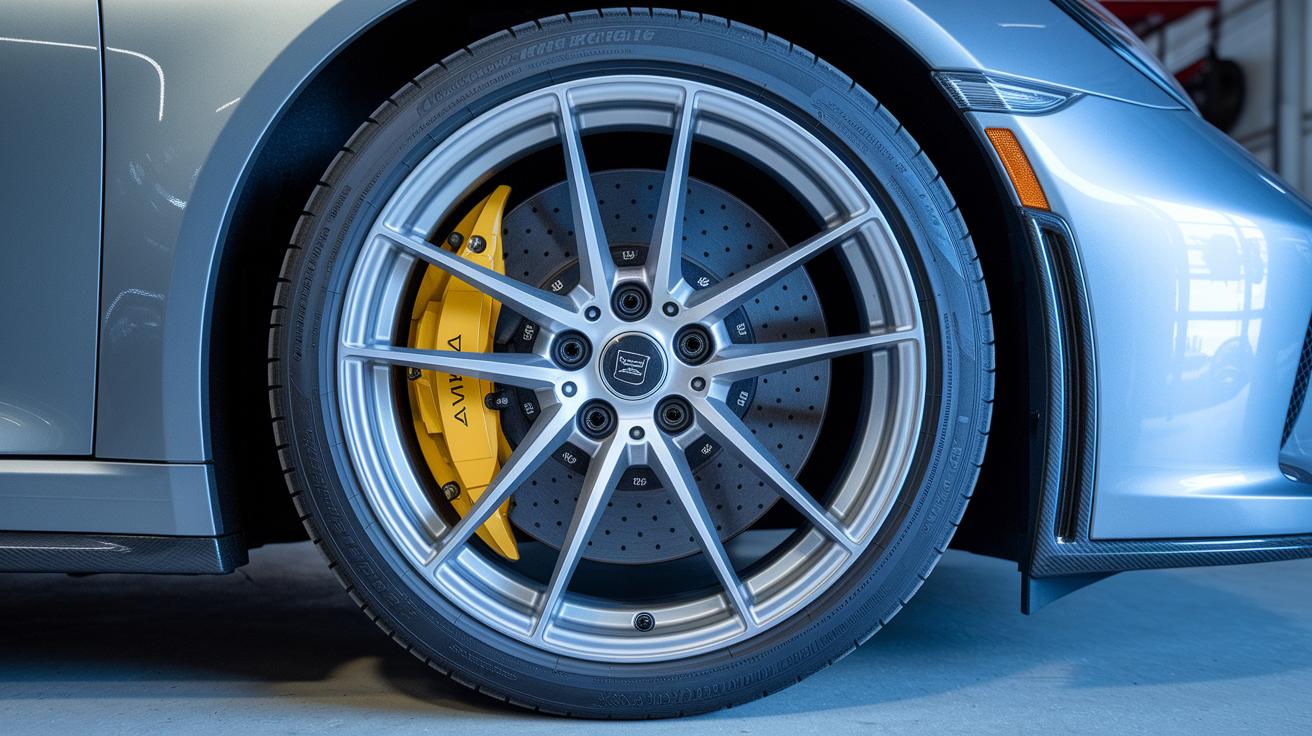
Modern tire pressure monitoring systems in sport cars boost performance and keep you safe. They watch your tire pressure in real-time and alert you if it drops even a little, so you can act quickly and avoid risky situations.
When a warning pops up, it tells you to pull over safely, check your tires, and see if the pressure (psi) matches the maker’s recommendation. Quick action like this can cut the risk of a tire blowout by about 40% and help your tires hold the road better during fast turns.
Key benefits include:
- It keeps you safe with fast alerts when there’s a change in pressure.
- It helps prevent crashes by warning you before tire fatigue (the slow wearing down of your tire) leads to problems.
- It gives clear signals on when you should check and adjust your tire pressure.
- It improves traction by ensuring your tires have the perfect grip and handle well.
Keeping an eye on tire pressure not only protects you right away but also helps your tires last longer by spotting wear issues early. In fact, having the right tire pressure can extend tire life by 10–15% and even boost fuel economy. Modern systems use smart data to predict tire failures before they happen, cutting repair time and lowering accident risks. They turn live tire data into useful tips, much like tire lifecycle analysis technology (which tracks how tires wear over time) does.
All these improvements mean you get better control of your car, fewer chances of crashes, and top-notch performance and safety on every drive.
Emerging Trends and Key Challenges in Sport Car TPMS Evolution
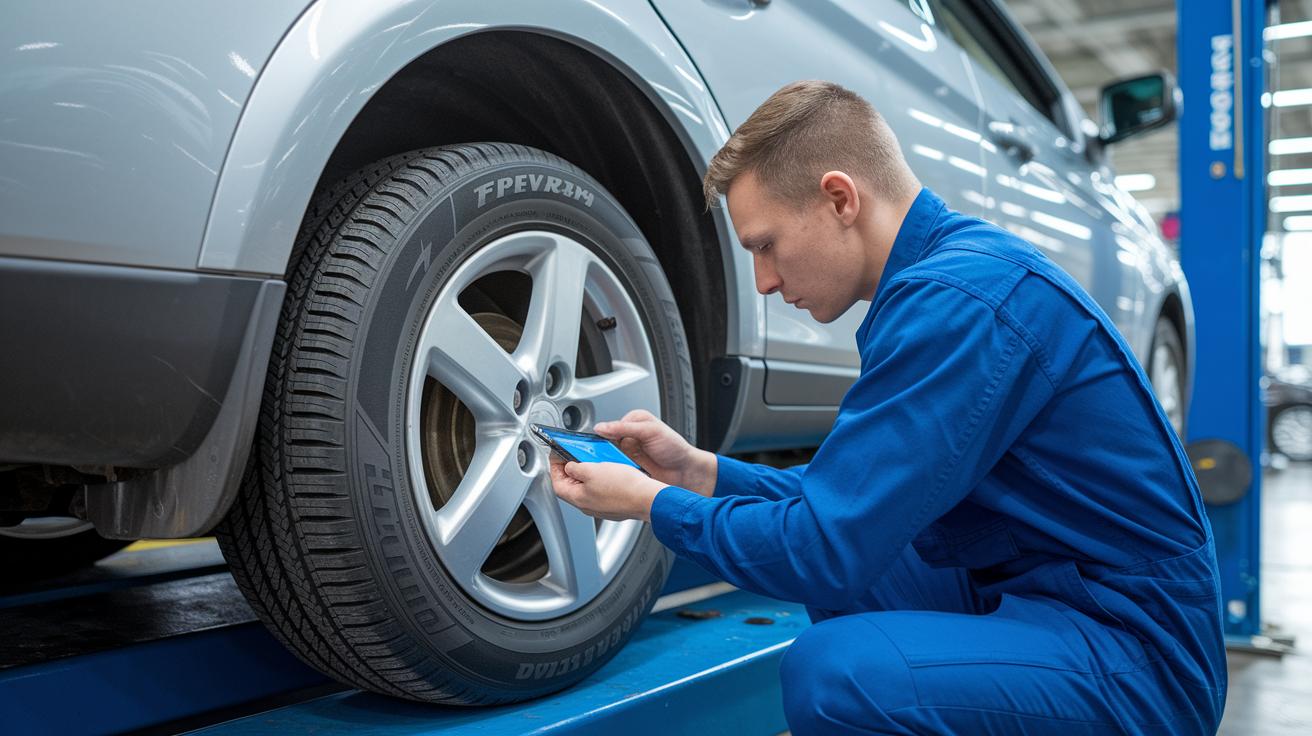
Expert systems and machine learning engines are setting the pace for the next generation of tire pressure monitoring systems (TPMS). These smart systems help your car adjust tire pressure on its own and plan maintenance using live data. Imagine a sensor that gives you a heads-up before a small pressure drop becomes a real issue, almost like a friendly check-up reminder.
New wireless standards are coming that promise super-fast updates, your car can get fresh information in less than 10 milliseconds, which is almost instant. Plus, cloud-connected monitoring brings real-time data right to your car, like having a tiny helper keeping an eye on your tire pressure all day.
However, there are some bumps in the road. High setup costs can make these systems expensive. Sometimes, not every car works perfectly with these sensors because of compatibility issues. And there's always the worry that a sensor might fail, which could be a safety concern.
Connecting to the cloud also raises worries about keeping your data private and following the law. Even though predictive maintenance and automated calibration look great on paper, car makers are still working on balancing these smart features with technical details and legal rules. The future of sensor trends is bright, but getting a completely reliable sport car TPMS still has its share of challenges.
Final Words
in the action, we took a close look at the new side of tire pressure systems for sport cars. We examined next-generation sensor tech, how these systems work with your car's controls, and the safety gains they bring. The discussion also covered smart trends and the steps to predict and manage tire wear. Advances in tire pressure monitoring systems for sport cars are making it easier to drive with confidence and safety, keeping your ride as smooth and secure as ever.
FAQ
Q: Advancements in tire pressure monitoring systems for sport cars reddit
A: The advancements in tire pressure monitoring systems for sport cars mean that high-performance sensors now offer accurate, real-time alerts on tire pressure, improving both safety and handling during everyday driving.
Q: Advancements in tire pressure monitoring systems for sport cars pdf
A: The innovative systems use wheel-mounted sensors and smartphone-programmable settings to provide custom pressure thresholds and real-time updates, ensuring drivers maintain proper tire pressure for improved grip and performance.
Q: What year were cars required to have TPMS sensors?
A: Cars started having TPMS sensors from 2008 onward, a move aimed at enhancing on-road safety by actively monitoring and alerting drivers to tire pressure issues.
Q: How do modern cars monitor tire pressure?
A: Modern cars monitor tire pressure by using either wheel-mounted sensors or wheel-speed data and relay real-time readings to the driver via digital displays or dashboard warning lights.
Q: Are aftermarket TPMS sensors as good as OEM?
A: Aftermarket TPMS sensors can work well, but they sometimes don’t match the seamless integration and precise calibration of OEM sensors, which are designed specifically for each car model’s performance.
Q: What are the two types of tire pressure monitoring systems?
A: The two types include direct TPMS, which measures tire pressure with sensors inside each tire, and indirect TPMS, which infers pressure levels using wheel-speed data.

