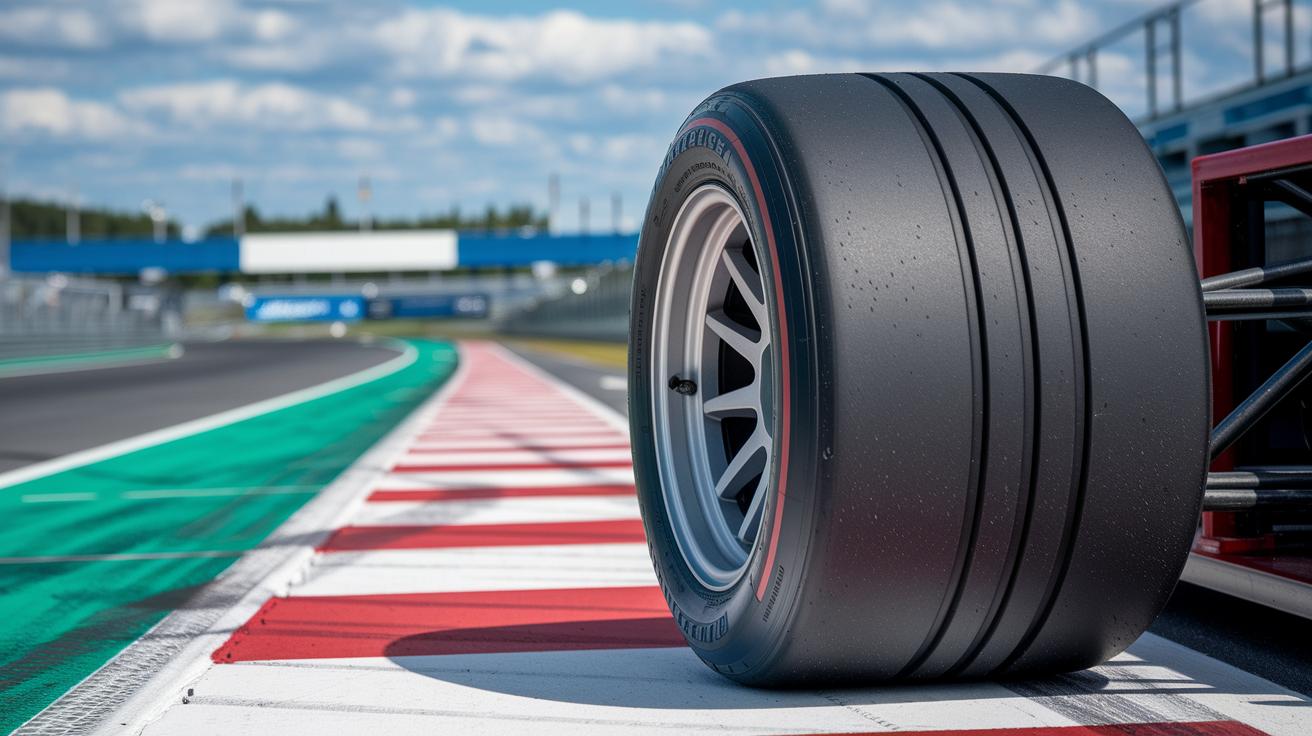


Ever notice those sporty tires with a split design and wonder why they’re made that way? They mix two different patterns to give you better grip no matter if the road is wet or dry.
On rainy days, the inner grooves work like little drains, quickly moving water away so you stay safe. Meanwhile, the outer blocks grab the road tightly on dry paths, keeping you steady during sharp turns.
This clever design is all about boosting both safety and performance, making every drive smoother and more secure.
Core Advantages of Asymmetrical Tread Patterns in Sport Tires
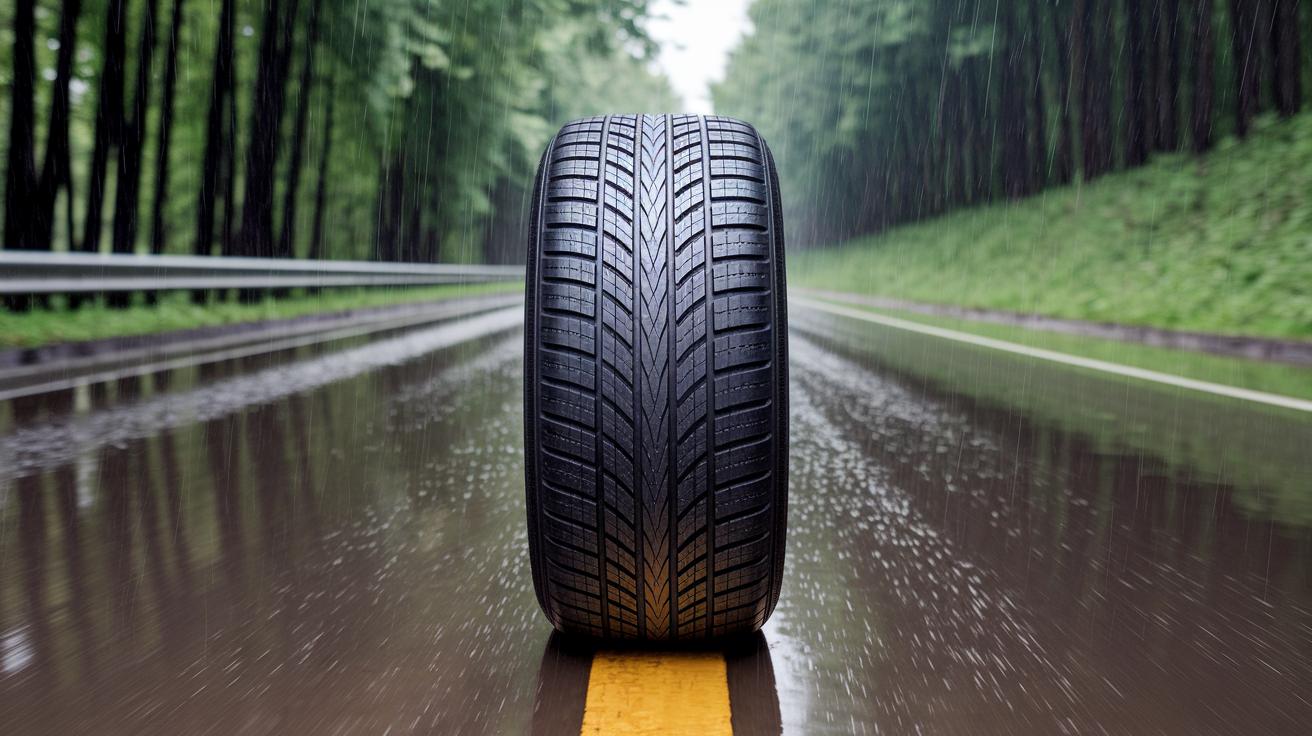
Have you ever noticed how some sport tires come with two different tread patterns on the same tire? The inner part is built to sweep water away (helping you avoid hydroplaning, where water makes you slide) and improve grip in rainy weather. Meanwhile, the outer side is designed to stick to dry roads better, giving you more control during turns.
Picture driving in a steady rain and seeing how the inner grooves quickly pull water off the tire, kind of like a drain on a patio that stops puddles from forming. This smart water evacuation lowers the risk of hydroplaning and helps you handle wet roads with more confidence.
These tires aren’t just for rain. They grip asphalt tightly, too. The outer tread blocks stay in steady contact with the road, so you get a quick steering response and solid cornering, even when you're speeding. It’s like fusing racing technology with everyday driving. Imagine taking a sharp corner at speed and feeling stable because both parts of the tire work together to keep you on track.
Plus, these tires are generally quieter and balanced in different conditions. Here’s a quick look at the benefits:
| Feature | Benefit |
|---|---|
| Inner Grooves | Quickly channel water away for safe wet driving |
| Outer Blocks | Maintain strong contact on dry surfaces for better grip |
| Combined Design | Reduces noise and improves overall handling |
Overall, this clever tire design meets the needs of both high-performance and everyday driving. Whether you’re tearing up a racetrack or navigating a twisty back road, these tires give you the confidence to ride safely. They handle wet weather impressively while keeping a firm grip on dry roads, making every drive a smoother and more enjoyable journey.
Asymmetrical Tread Patterns: Superior Wet and Dry Performance
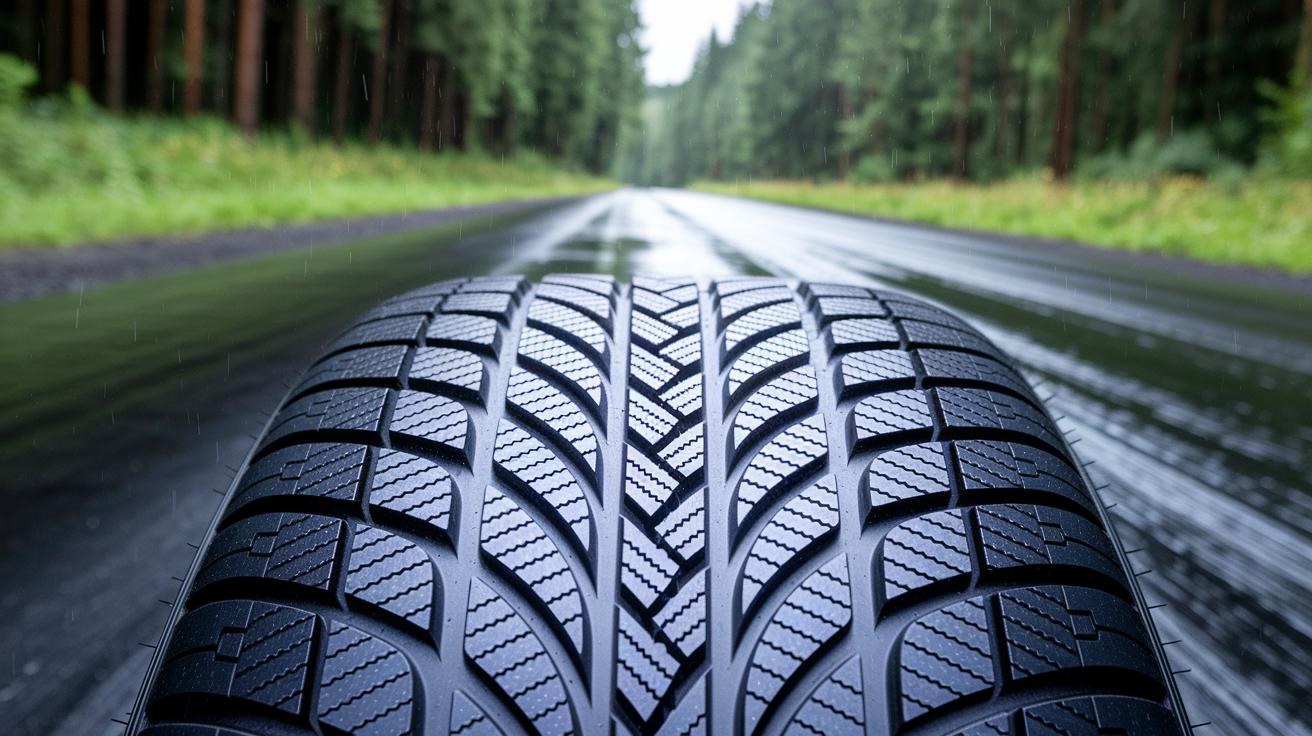
Tests show that the inner grooves of these tires push water away 30% faster than older models when the rain is heavy. For example, lab tests revealed that these specially designed grooves help move water off the tire quickly, lowering the chance of hydroplaning even when you're driving fast.
On dry roads, the outer tread blocks are shaped to grab more of the pavement, boosting grip by about 15%. One driver even said that every turn felt firmer and more controlled.
These tires also use a dual-pattern design that cuts road noise by around 20%. In tough, wet conditions, this quieter ride lets you focus better and feel more connected to the road.
Asymmetrical Sport Tires: Boosted Cornering Stability and High-Speed Traction

These tires are built with special outer tread blocks that boost how well they hold the road, up to 15% extra grip and a 0.1 G bump in the force you feel while turning fast.
Their innovative tread design keeps steady contact with the road so you get a sharp steering response even when braking hard or switching directions quickly.
Recent comparisons show that these asymmetrical patterns outperform traditional designs, giving you steadier grip under load. For instance:
| Metric | Asymmetrical Sport Tires | Standard Tires |
|---|---|---|
| Lateral Grip | +15% | Baseline |
| Lateral Acceleration | +0.1 G | Baseline |
These numbers really highlight the smart design of these tires, showing clear gains in both grip and high-speed handling.
Material and Structural Innovations in Asymmetrical Sport Tire Treads

The tires are built with special rubber that’s crafted in two different ways. On the inside, they use a softer rubber mix (a softer polymer mix) that really boosts grip on wet roads, keeping you safe when it rains. On the outside, the tire has a tougher mix (tougher elastomers) designed to last longer through hard turns and high speeds.
A network of grooves runs across the tire, helping to spread heat evenly. This design cools the tire better and keeps its temperature steady during tough driving sessions. When the tire heats up from constant use, the even heat flow helps the tire perform reliably over time.
They also add reinforced synthetic layers into the tire’s build. These layers work to stop the rubber from wearing away during sharp cornering so the tire stays strong even when you push it hard. By blending smart rubber mixes, clever groove designs, and protective synthetic layers, these tires offer great durability, improved grip on wet surfaces, and better handling on dry roads.
Installation, Rotation, and Wear Considerations for Asymmetrical Sport Tires
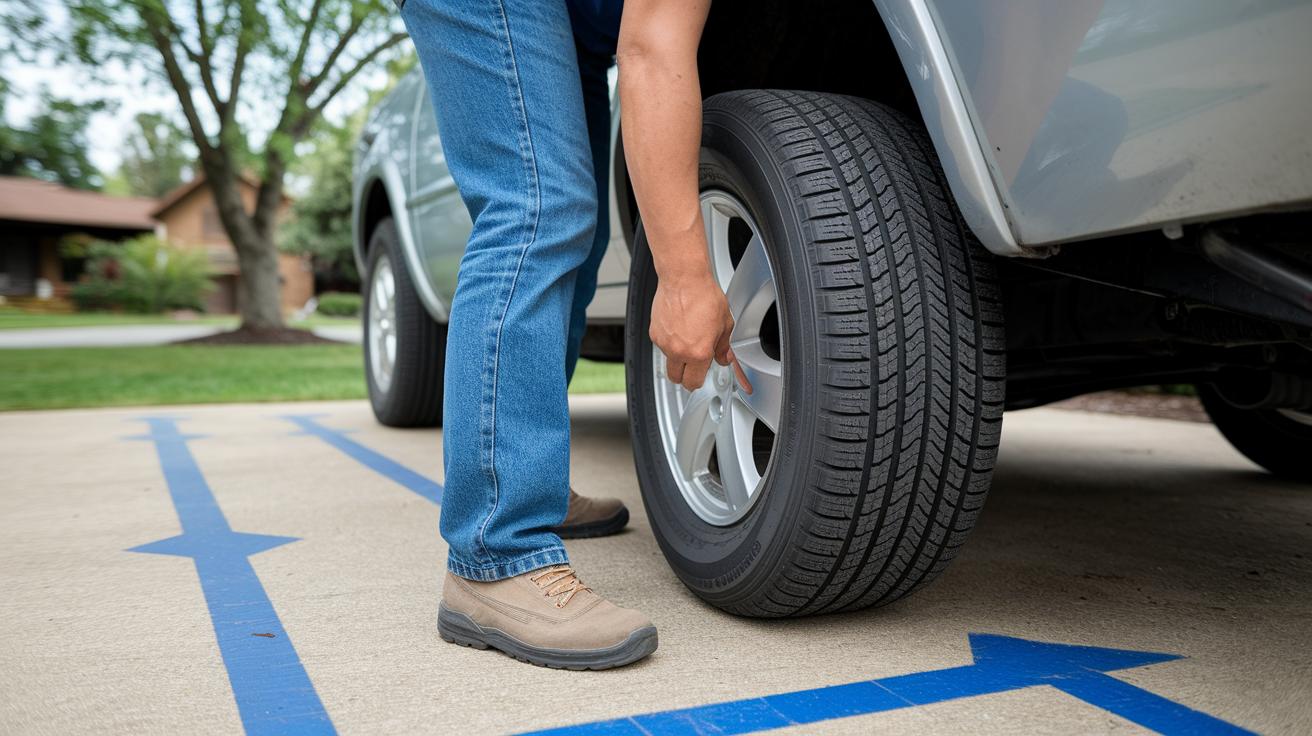
Mounting these tires correctly is super important. Imagine trying to put a puzzle piece in backward, the tire just won’t work right. The tread needs to face the proper way so that the inner grooves and outer blocks can give you the best grip on wet and dry roads. If you get it wrong, you lose the smooth contact that helps lower drag and keeps your brakes sharp.
When it's time to swap your tires, move them from the front to the back on the same side only. Switching sides is like tweaking your favorite recipe; the special balance of the tread pattern gets lost and can cause uneven wear over time.
It’s a good idea to check your tires regularly. Watching for strange wear patterns can show you if they’re misaligned or wasn’t set up right. A careful look and sticking to a rotation schedule keep your brakes working nicely and stop the tire compound from wearing out too soon.
- Make sure each tire is mounted with the right side facing out.
- Rotate tires only from front to rear on the same side so you keep the dual-pattern benefits.
- Schedule regular checks to catch uneven wear before it harms performance.
For example, think of a tire rotation plan like always switching tires in a front-to-back pattern. This keeps your ride smooth, maintains good grip on both wet and dry roads, and helps prevent the tires from wearing out too early.
Final Words
In the action of exploring the core features of sport tires, we saw how inner ribs push water away while outer blocks keep good road grip. The discussion covered everything from performance on wet roads to handling at high speeds, including key tips on mounting and maintenance.
Embracing the advantages of asymmetrical tread patterns in sport tires means enjoying a blend of safety and robust handling. Keep your tires in top shape and drive with confidence every time you hit the road.
FAQ
Which tyre tread pattern is best?
The best tyre tread pattern depends on your driving needs. Asymmetrical tread patterns are popular on sport tires, offering excellent wet traction, precise dry handling, and a quiet ride through their two-zone design.
Are asymmetrical tires directional and can they go on any side?
The design of asymmetrical tires isn’t directional, but they need correct mounting so that inner grooves and outer blocks align as designed. They typically rotate from front-to-rear on the same side only.
What are the pros and cons of asymmetrical tires?
Asymmetrical tires provide improved wet traction, enhanced dry grip, stronger cornering, and quieter operation. Their main drawback is the need for strict installation and rotation practices to keep performance optimal.
What is the primary benefit of an asymmetric tread design?
The primary benefit of an asymmetric tread design is balanced performance on wet and dry roads. Its inner grooves evacuate water effectively while its outer blocks maintain road contact for solid handling.
What type of vehicle typically uses an asymmetrical tire?
Asymmetrical tires are common on high-performance sport vehicles and performance sedans, as they offer superior traction, enhanced cornering stability, and the responsiveness required during sporty driving.

