


Have you ever thought that a tiny change could make your family's safety even better? Every few thousand miles, simply switching your tires around can help your car handle bumps and wet roads better. Studies show that moving your tires to different spots can actually extend their life by about 25% and even lower your maintenance costs.
It’s like giving your car a quick checkup. By rotating your tires, you even out the wear (that is, you prevent one tire from wearing out faster than the others), and every drive feels smoother and safer. Could this small step be the secret to a better ride?
Even Tire Wear & Extended Tire Lifespan for Family Vehicles
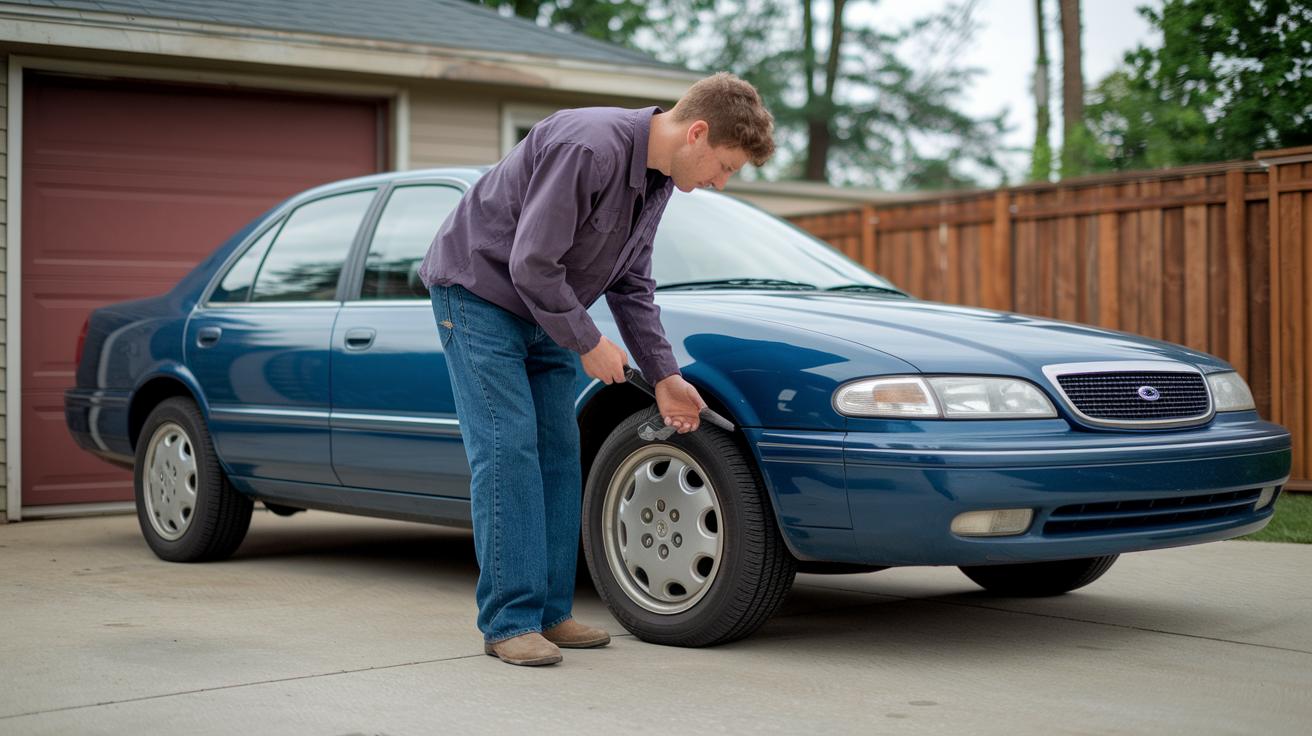
Changing the order of your tires is like giving them a little tune-up. When you switch your tires from front to back, you help spread out the wear from steering and braking. This means the surface of your tire (called tread) wears down evenly, keeping each tire in better shape for longer. Most makers say that if you rotate your tires every 5,000 to 7,500 miles, your tires can last up to 25% longer. That means fewer surprises like bulges or flats and a steadier ride every time you hit the road.
Regular tire rotation not only saves you money in the long run, but it also makes your drive smoother and safer. It’s a smart way to catch wear and tear before it turns into a bigger issue. So, by rotating your tires on schedule, you’re doing just a bit of routine care that helps keep your tires healthy and your journeys safe and comfortable.
Improved Safety, Traction & Handling with Regular Tire Rotation

When you make a habit of rotating your tires, you help keep the wear (the gradual loss of your tire’s surface) even across all four wheels. This balance gives you better control on the road, especially when you need to stop quickly in wet conditions. It’s like making sure every tire can give you the same reliable hug on a rainy day.
Think about a rainy evening when a family was driving home. They had rotated their tires so that both the steering and braking ones were in good shape, all with even tread wear. When they had to brake suddenly on a slick patch, the car steadied itself nicely and didn’t pull to one side. It’s a little moment that shows you how important tire rotation can be for safe driving.
Taking care of your tires in this way means you get a smoother, more confident ride every time. Your car can handle sharp turns and sudden stops a lot better, so every family trip feels safer and more secure.
Fuel Economy Optimization & Cost Savings from Tire Rotation

When you rotate your tires, you help them wear out evenly. This means your tires keep a consistent grip (the traction that helps your car roll smoothly) and reduce the rolling resistance (how hard your car has to work to move). In simple terms, your vehicle can travel up to 3% more miles per gallon, which makes every drive a bit easier on your wallet.
Over time, those small savings really add up. Imagine each trip using just a little less fuel, it all builds into real money saved at the pump. It’s like your car is working smarter for you every day.
Also, regular tire rotations keep each tire from wearing out too fast. By evening out the wear, you might cut down your tire spending by about 15-20%. This means you won’t have to replace your tires as often, avoiding costly repairs or premature replacements. And if you book online, some service centers even offer extra discounts, making it an even smarter choice for keeping your family ride in top shape.
Early Detection of Tire Problems During Rotation Checks

When you bring your family ride in for a tire rotation, you’re not just balancing the tread wear. It’s like a quick check-up for your tires. The mechanics take a close look at things like uneven wear, snags on the side (those little cuts can turn into bigger issues), and even nail punctures. They check for valve stem leaks too, which, if left alone, could lead to more trouble down the road. Imagine catching a small sidewall cut before it causes a sudden loss of air, a little fix that saves you time and money.
Regular rotations also give the pros a chance to inspect your tire alignment. Misaligned tires wear unevenly and might even bring on a dangerous blowout. By spotting alignment issues early, you can dodge major repairs and keep your ride smooth and safe. Routine upkeep like this means your tires stay in top shape while you drive with extra peace of mind.
Preventative Maintenance Schedule & Best Practices for Tire Rotation

Keeping up with regular tire rotation is a smart move to help your tires stay in good shape. Most car makers recommend rotating your tires every 5,000 to 7,500 miles or when you get your oil changed. Doing this not only helps your tires wear out evenly but also gives you a chance to catch any small problems early. It’s like giving your ride a little check-up on the side of the road.
-
Plan your mileage: Think of it like setting a reminder on your phone. Mark off every 5,000 to 7,500 miles so you know when it’s time for a rotation.
-
Pick a rotation pattern: For many family cars, switching the tires from front to back works well. If your tires are directional (they’re made to rotate in one direction), try a cross-rotation to spread out the wear evenly.
-
Write down your service dates: Jot down the date each time you rotate your tires in your vehicle’s log. It can really help keep your auto care on track.
-
Record the work done: Note the current mileage, the rotation pattern you used, and any notes about how your tires looked. This little record can help you plan future services more easily.
-
Give your tires a good look: As you rotate, check for any signs of trouble, like cuts or bulges, so nothing goes unnoticed.
-
Set up your next service: Stick with your plan, and if you need more ideas, check out some extra tire rotation tips at tityres.com to keep your car running smoothly.
Happy driving and remember, a well-maintained tire is like a trusted friend on the road.
Manufacturer Guidelines & Common Tire Rotation Mistakes for Family Vehicles
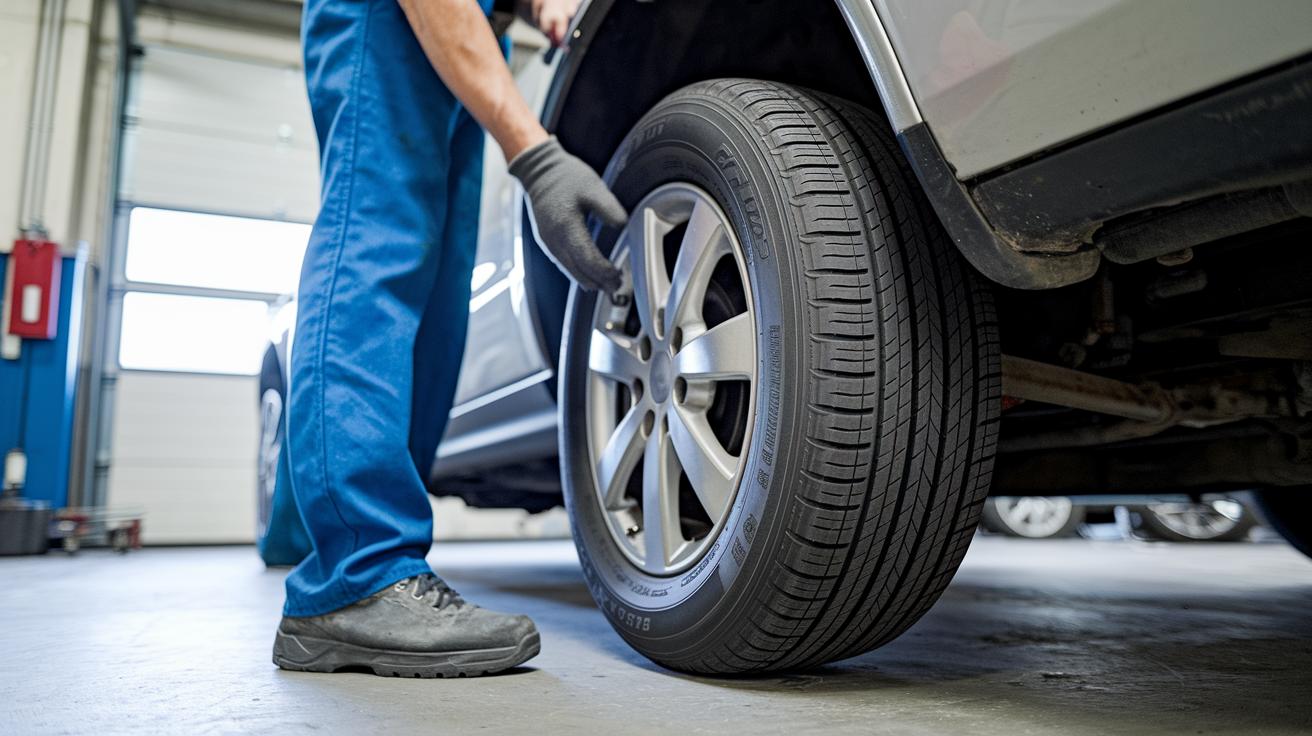
Manufacturers advise that you rotate your tires about every 6,000 miles to keep your warranty intact. Following this schedule is like giving your car a quick check-up to ensure it stays grippy and performs well. Miss a rotation or use the wrong method, and you might end up with uneven wear or even void your warranty.
Doing your tire rotation correctly shows you care about your car's health and everyone’s safety on the road. It’s a small act that adds up to big benefits over time.
Here are five common mistakes to watch out for:
- Rotating only front to rear on tires meant to move in a specific direction (directional tires work best when rotated following their design).
- Forgetting to check the lug-nut torque (making sure the bolts are tightened right) after the rotation, which can lead to loose tires.
- Not keeping a clear record of your mileage or rotation dates, so it gets tricky to stick to your service plan.
- Skipping a thorough check for extra damage or uneven wear during your rotation appointment.
- Using a rotation pattern that doesn’t balance the load and traction, which can cause uneven tire wear.
By keeping these tips in mind and following the guidelines, you help protect your warranty, extend your tires' life, and support safer driving for your family. After all, regular rotations are a simple yet effective way to keep minor issues from turning into costly problems.
Final Words
In the action, we detailed how swapping tires from front to rear helps even out tread wear and keeps family rides safe. Our blog explained simple rotation steps, pointed out common errors, and shared real examples like front-to-back rotations that boost tire longevity.
Regular rotations not only reduce tire wear but also improve handling and fuel economy while catching issues early. Enjoy the advantages of regular tire rotation for family vehicles and drive with extra confidence every time you hit the road.
FAQ
What is the importance of performing regular tire rotations?
Performing regular tire rotations is important because it balances tread wear and extends tire life. It helps maintain proper traction and fuel efficiency while reducing the likelihood of uneven tire wear.
What is the 3% rule for tires?
The 3% rule for tires means that even tread wear can boost fuel efficiency by about 3%. Regular rotations keep rolling resistance low, which helps you get more miles per gallon.
Are tire rotations worth the money?
Tire rotations are worth the money since they promote even tire wear, improve safety, and help save costs on premature tire replacements. This process ultimately reduces overall maintenance expenses.
Do I need an alignment after tire rotation?
A tire rotation doesn’t automatically require an alignment, but it can reveal alignment issues. Regular inspections during rotations help catch problems early, so consider an alignment if the vehicle pulls to one side.

