

Ever wonder if spending extra on your car maker's tire sensors really works out? These sensors tell you when your tires need a little extra care so you can stay safe and enjoy a smooth ride.
You have two choices here. One option is to go with the sensors that came installed by the car maker, which means they are all set up right out of the box. The other option is to pick up third-party sensors that save you some money while still keeping your ride in good shape.
In this post, we'll walk through both options. We'll help you figure out which sensor fits your style and budget, just like choosing the right tires for a perfect road trip.
Comparing Aftermarket vs OEM Tire Sensors: Key Considerations
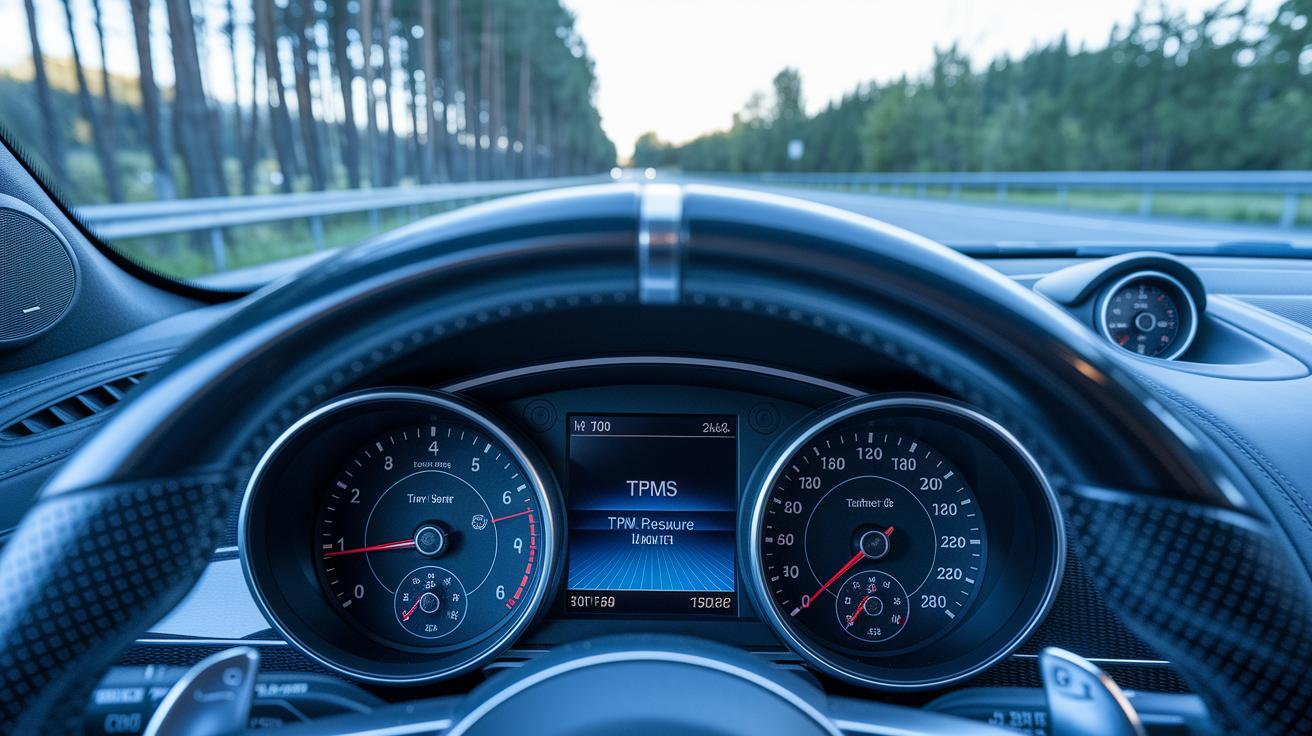
TPMS sensors give you real-time tire pressure updates. They work in two ways: some use sensors inside the tire to check the pressure directly, while others rely on your car’s ABS sensors (the system that helps prevent tire lock-up) to spot changes in pressure.
OEM sensors come installed by your car’s manufacturer. They fit perfectly with your vehicle’s built-in electronics, which makes the setup super easy. This means you can count on them for steady performance right from the start.
Aftermarket sensors from third-party brands offer a budget-friendly alternative. You often find entry-level versions that give you the basics at a lower price. One driver even said they were surprised at how well their third-party sensor did during everyday driving. Plus, there are mid-range and premium options that might let you connect to your smartphone or enjoy advanced features without paying the higher price of OEM sensors.
When deciding, think about cost, long-term reliability, and how easy the sensors are to calibrate. While OEM sensors are built to strict standards, many aftermarket ones can work almost as well when set up and kept in good shape. They also offer a lot of flexibility, since they can fit a wide range of vehicles.
Aftermarket Tire Sensors Performance and Accuracy Analysis
Third-party sensors usually start around $30 each, giving you a simple check of your tire pressure. They don’t cost much and work well for daily driving, even if the numbers aren’t perfect. One driver even said it feels like a quick pit stop check without the need for any high-tech gadgets.
Mid-range sensors hit the sweet spot. They are a bit more expensive but give better accuracy and work reliably in different weather and pressure changes. These sensors fit many popular cars, making them a solid choice if you want dependable monitoring every day.
Premium sensors, which can cost up to $100, take things to the next level. They come with cool features like connecting to your smartphone and syncing easily with your vehicle’s system. They’re built to handle harsh conditions thanks to longer battery life and even some solar-powered options. Tests show these top-tier sensors handle rough weather and tough roads really well.
Real-world tests point out that factors such as sensor accuracy, battery life, ease of installation, and performance in extreme situations are key when choosing the right tire sensor.
OEM Tire Sensors: Reliability, Durability, and Compatibility
OEM TPMS sensors are made by your car’s manufacturer or a trusted supplier, so they fit your vehicle just right. They connect smoothly with your car’s computer system (the ECU, which tells your car how to run) to give you steady tire pressure readings, even if the weather changes quickly. It’s like having a friend who always knows just what your tires need.
These sensors are built to tough standards. They work well in different temperatures and pressures, and their battery life lines up with your car’s maintenance schedule. Big names like Schrader, Continental, ACDelco, and Bosch keep a close eye on quality to make sure each sensor is strong and reliable. This means fewer hassles with your tires and less money spent on fixes later.
Even though OEM sensors cost a bit more at first, they save you money over time. Their excellent reliability leads to fewer sensor failures, which helps you avoid unexpected repair costs. In the end, you keep your car running smoothly without any surprise expenses.
Cost Comparison of Aftermarket vs OEM Tire Sensors
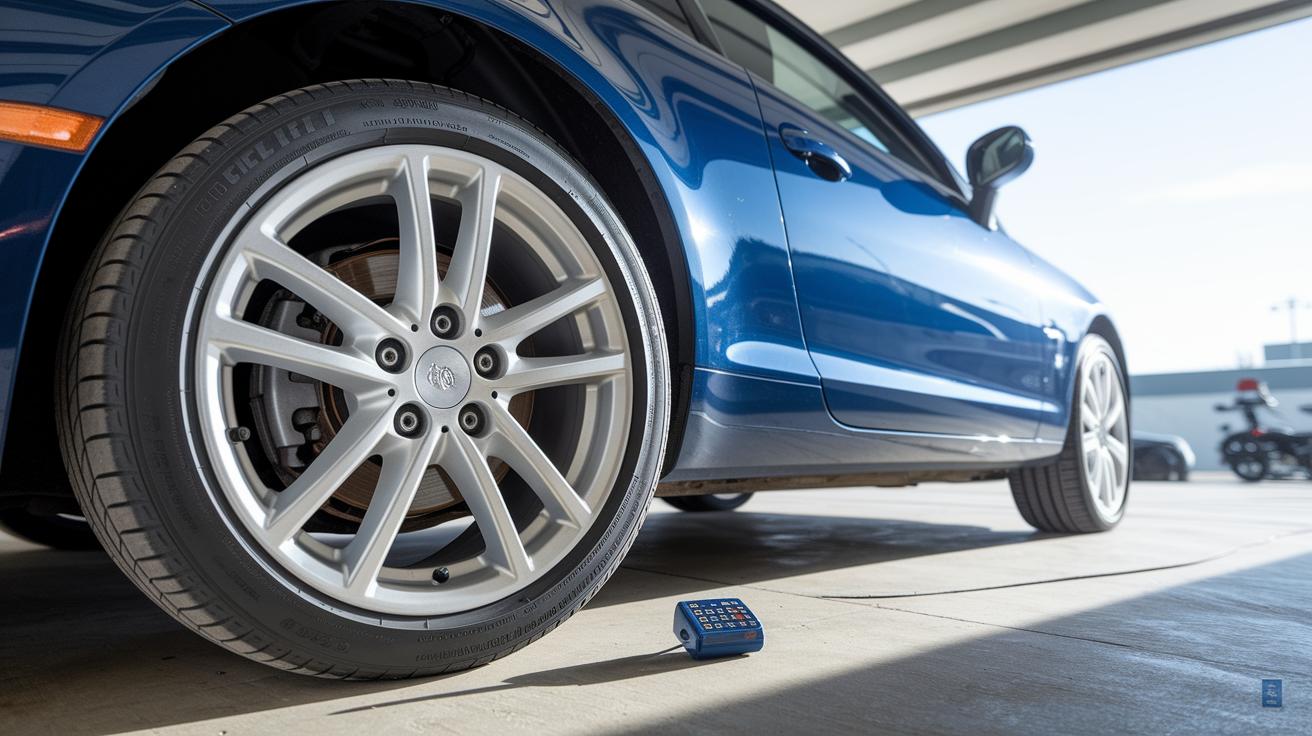
Aftermarket tire pressure sensors usually cost between about $30 and $100, while OEM sensors generally run around $80 to $120 each. Sure, that lower price can be super tempting, like spotting a great deal on a road trip. But sometimes, those initial savings might lead to extra costs down the line.
When we think about the long run, factors like professional installation, routine upkeep, and even battery replacements come into play. Aftermarket sensors might need extra calibration or troubleshooting if they don’t quite sync with your car, much like an unexpected detour that adds both time and expense to your journey.
On the flip side, OEM sensors are built specifically for your vehicle. Their perfect fit means you usually get fewer service headaches. Even though they ask for a higher price at first, they can save you cash over time by avoiding those extra visits to the shop, imagine a sensor that keeps working smoothly for mile after mile.
So, if you’re after immediate savings, aftermarket sensors might be your pick. But if you value a hassle-free experience with fewer surprises later, OEM sensors offer that extra peace of mind. It really comes down to whether you prefer a low upfront price or long-term reliability.
aftermarket vs OEM tire sensors: Smart Savings
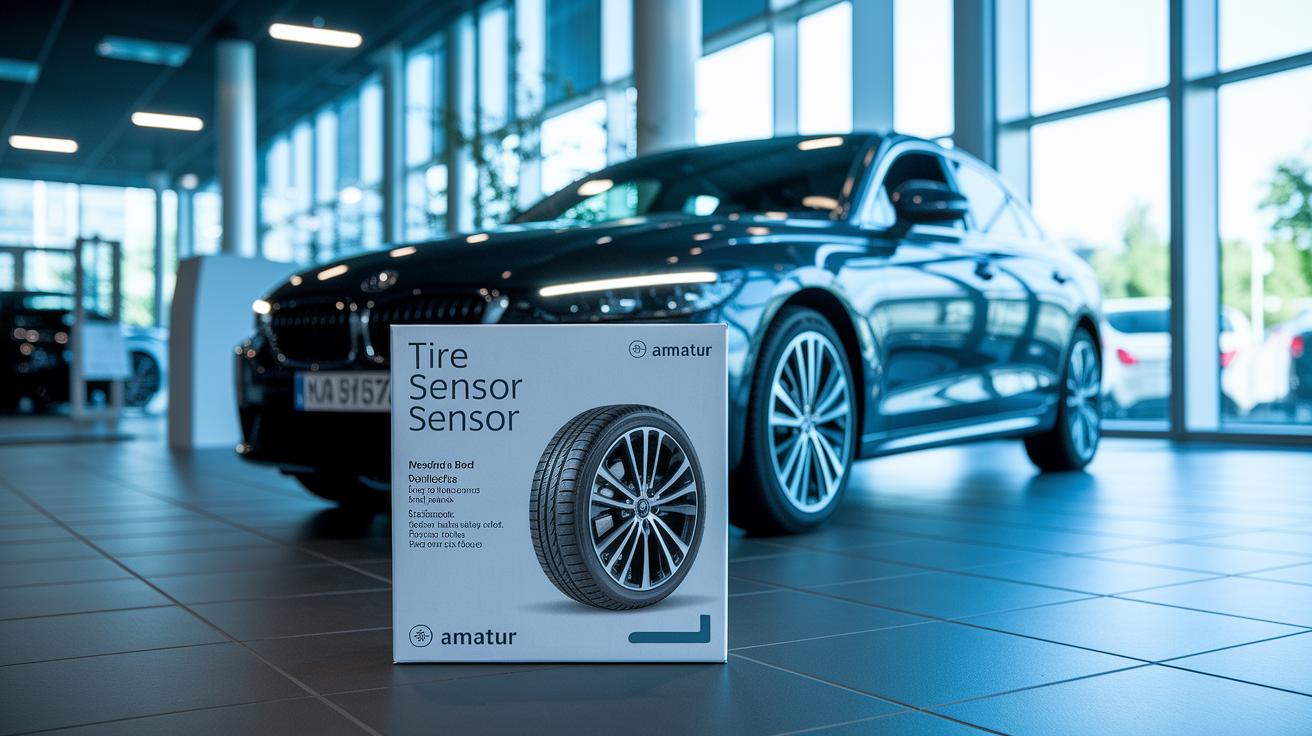
OEM sensors come set up and ready to work as soon as you drive off the lot. They plug into your car’s computer right out of the box, which means they’re matched perfectly to your vehicle’s system. This setup saves you time and cuts down on mistakes, imagine unwrapping a gadget that works flawlessly from the start.
Aftermarket sensors, on the other hand, usually need a little extra attention. They often call for manual programming with a TPMS tool (a device used to set up tire pressure sensors). This process might involve following specific steps, like driving in certain patterns or using scan-tool commands. It’s kind of like assembling a model kit, skip a step and you might end up with sensor errors or false warnings.
Different car models can have varying calibration standards. If the setup isn’t right, you could see inaccurate tire pressure readings. That’s why it’s important to follow the manufacturer’s instructions to avoid any mishaps.
| Problem | Result |
|---|---|
| Incorrect programming | Sensor errors may occur |
| Mixed calibration protocols | Different vehicles require different settings |
| Extra re-learning steps | Installation takes more time |
Warranty, Support, and Maintenance for Aftermarket vs OEM Sensors

OEM sensors come covered by your car’s warranty. If your ride is protected for a few years, your sensors are too. But aftermarket sensors usually have shorter warranties of 12 to 24 months. And, you know, support can vary a lot from one maker to another. For instance, one shop owner told me, "I once had a sensor that needed a simple battery replacement sooner than expected." This just shows how little differences, like battery life (how long the battery lasts), can really change the game.
Taking care of your sensors is important no matter which type you pick. With OEM sensors, keeping them in check is pretty easy because they’re made to work perfectly with your car. Aftermarket ones might need you to check them more often and sometimes even recalibrate (adjust to work right). Some aftermarket models even come with solar-assisted batteries, which is a neat trick if you live in a sunny area.
Here are a few quick points to keep in mind:
| OEM Sensors | Aftermarket Sensors |
|---|---|
| Warranty usually matches your car’s warranty | Warranty is often just 12–24 months |
| Easy to maintain | May need extra checks for battery and calibration |
| Designed to sync with your vehicle | Sometimes include solar-assisted batteries for longer service intervals |
So, choosing between the two really comes down to what matters more to you: long-lasting reliability and low maintenance, or something that might need a bit more attention along the way.
Real-World Feedback: User and Expert Reviews on Aftermarket vs OEM Tire Sensors
Aftermarket sensors get lots of good reviews for city driving. One driver said, "My sensor has been reliable on daily drives, giving me peace of mind without any extra fuss." Many experts say that basic models work well in everyday traffic, while the fancier ones really shine in tough weather or off-road adventures. In fact, one reviewer shared that while driving in heavy rain, their premium sensor stayed within a tight accuracy of +/- 1 psi, a level not often seen with simpler sensors.
OEM sensors, on the other hand, are loved for their easy plug-and-play design. Mechanics even notice fewer sensor issues on vehicles with up to 50,000 miles on them. One expert mentioned that choosing a sensor that fits your driving style is key to having a reliable ride. While aftermarket options might save you some money at first, many drivers value how OEM sensors work smoothly and last longer, even when driving in different conditions.
| Driving Condition | Recommended Sensor |
|---|---|
| City and basic commuting | Entry-level aftermarket |
| Long trips and off-road | Premium aftermarket or OEM |
Future Trends and Innovations in Aftermarket vs OEM Tire Sensor Technology
Next-gen sensors are already being designed to work seamlessly with your car’s built-in safety features and driver-assist tools. Imagine sensors that do more than just report tire pressure, they actually talk to your car’s emergency brakes and lane assist systems to boost safety. Just think about it: a sensor that warns you when the pressure is low and adjusts its readings when the weather really kicks in.
Smart connectivity isn’t just for premium models anymore. Even budget-friendly aftermarket sensors now come with cool features like predicting issues before they happen, letting you set up custom alerts, and updating themselves over the air. It’s like having a little helper that keeps an eye on your tires in real time.
Battery innovations, like solar power and low-energy wireless systems, are making it possible for these sensors to last for 5 to 7 years. And as the industry updates its standards for calibration (keeping readings accurate), data encryption (protecting your info), and compatibility between different brands, tire sensors are becoming even more reliable and secure.
Put all these changes together, and you get a future where both OEM and aftermarket tire sensors are smarter and more connected. It’s a shift toward a more integrated driving experience that makes every journey a bit safer and a lot more interesting.
Final Words
In the action, we broke down cost, reliability, installation, and real-time performance differences to show how each sensor type fits everyday driving needs. The article shared real feedback and expert insights on both reliability and usability. You can see how simple sensor details affect the overall drive, from basic pressure readings to seamless vehicle integration. Choosing the right sensor can add confidence at every mile. Keep exploring the benefits of aftermarket vs OEM tire sensors and ride safe and steady.
FAQ
Q: What is the difference between aftermarket vs OEM tire sensors on Reddit and Ford discussions?
A: Forum users note that aftermarket sensors save on cost but often need extra calibration, while OEM sensors offer flawless integration and reliable performance that meets specific brand requirements.
Q: What are the best aftermarket TPMS sensors?
A: The best aftermarket TPMS sensors merge affordability with smart features like phone connectivity and trustworthy pressure readings, making them ideal for everyday driving.
Q: What are the OEM TPMS sensors for Toyota and Ford vehicles?
A: OEM TPMS sensors for Toyota and Ford are built to perfectly fit and work with the vehicle’s system, providing consistent, reliable pressure monitoring without extra setup hassles.
Q: What does Reddit say about aftermarket TPMS sensors?
A: Reddit users share that aftermarket TPMS sensors are a cost-effective choice but may require more manual setup and calibration compared to their OEM counterparts.
Q: What are Autel TPMS sensors?
A: Autel TPMS sensors are recognized for their dependable performance and easy programming, offering additional functions that simplify integration with the vehicle’s monitoring system.
Q: Are aftermarket TPMS sensors as good as OEM sensors?
A: Many opinions indicate that while aftermarket sensors can perform well when chosen wisely, they often need extra calibration to match the plug-and-play ease of OEM sensors.
Q: Should you buy OEM sensors?
A: Buying OEM sensors means getting a part that’s designed specifically for your vehicle, offering perfect fit and reliable monitoring with less installation or calibration effort.
Q: Does it matter what TPMS sensor I get?
A: The choice of TPMS sensor is important because the correct sensor ensures accurate tire pressure readings, hassle-free installation, and optimal monitoring performance.
Q: What is the best brand of TPMS sensors?
A: Trusted brands such as Schrader, Continental, and Bosch are widely recognized for quality, though premium aftermarket options might also offer competitive features at a lower price.

