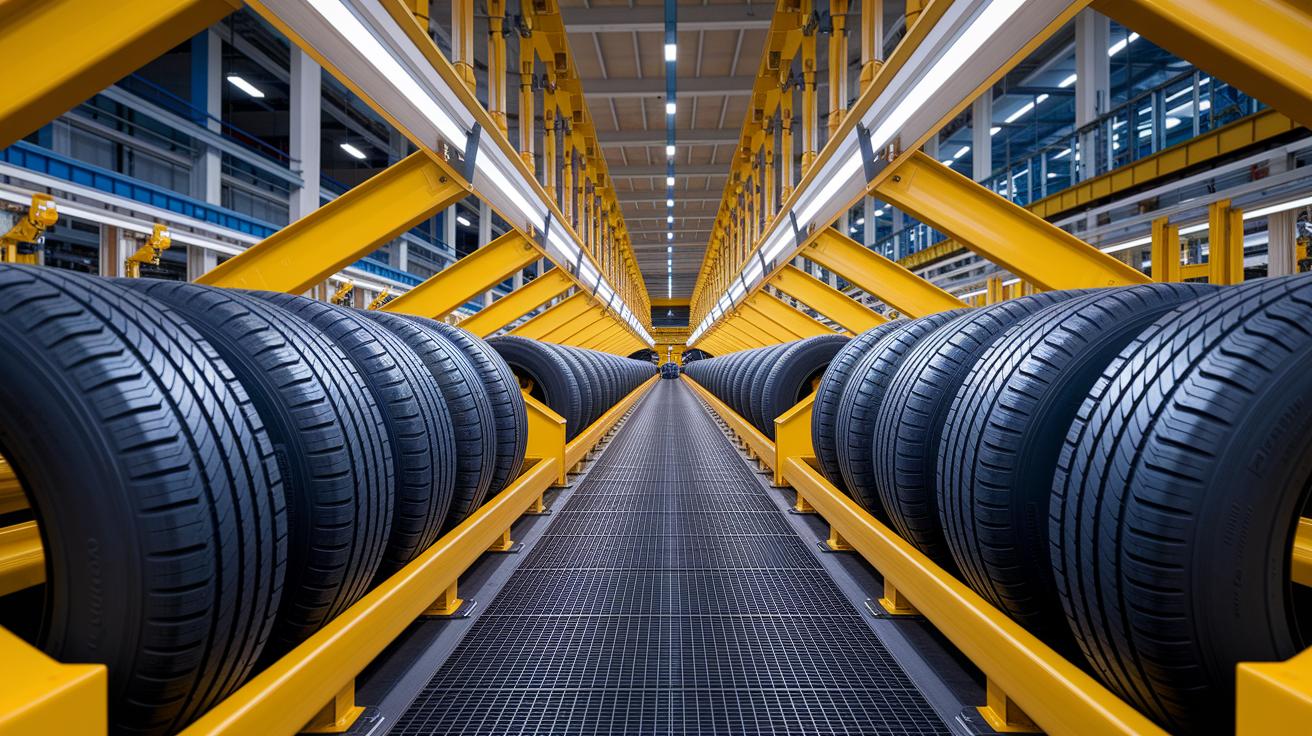


Ever thought about how new tech might change tire making for good? Imagine the process running as smoothly as a well-tuned engine – steady, reliable, and impressively on point. Today, AI helps mix and check rubber properties using smart computer programs with sensors that watch things like temperature and pressure (that means keeping track of how hot or cold the mix gets). This cuts down on stops for human checks and makes production more eco-friendly and dependable. In short, AI is shaking up old tire-making methods, boosting efficiency and paving the way for a brighter future in the industry.
How AI-Driven Tire Manufacturing Technology Transforms Production
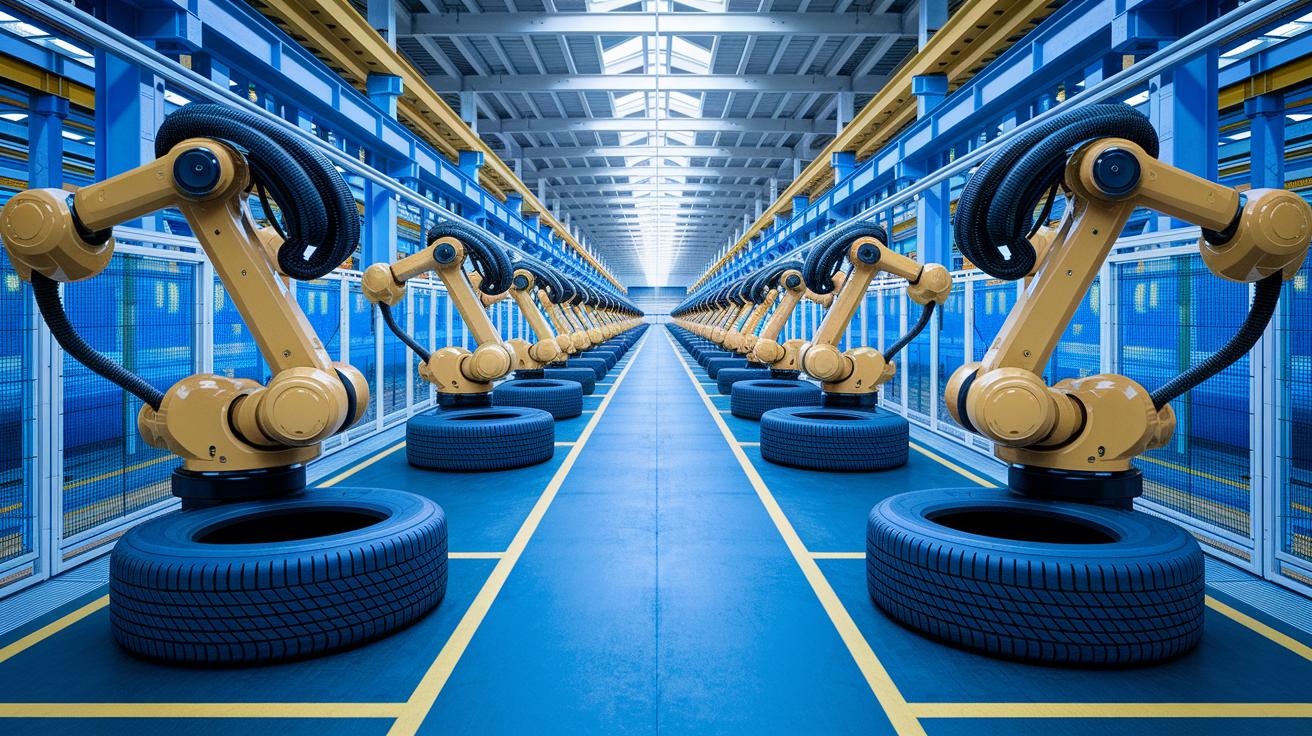
AI-driven tire manufacturing tech makes production smoother and more efficient by automating the tough parts. Advanced computer programs check rubber properties (that means how the rubber acts under pressure) so that every mix of tire compound turns out just right. It’s like having a well-tuned engine that keeps everything on track, reducing the need for constant human checks.
Real-time sensors also play a big role here. They keep a steady watch on things like temperature, pressure, and vibrations, which helps spot potential problems early on. Think of it like a smart friend who alerts the crew when something might be off, preventing unexpected downtimes.
Energy use and overall production see a boost, too. By carefully analyzing data, these systems cut down energy waste and lower costs, which is great for both business and the environment. And with tools like blockchain keeping a clear record of every step, plus using recycled materials like rice husk ash and polymers, tire production is becoming a lot smarter and greener.
Process Automation with AI-Driven Tire Manufacturing Technology
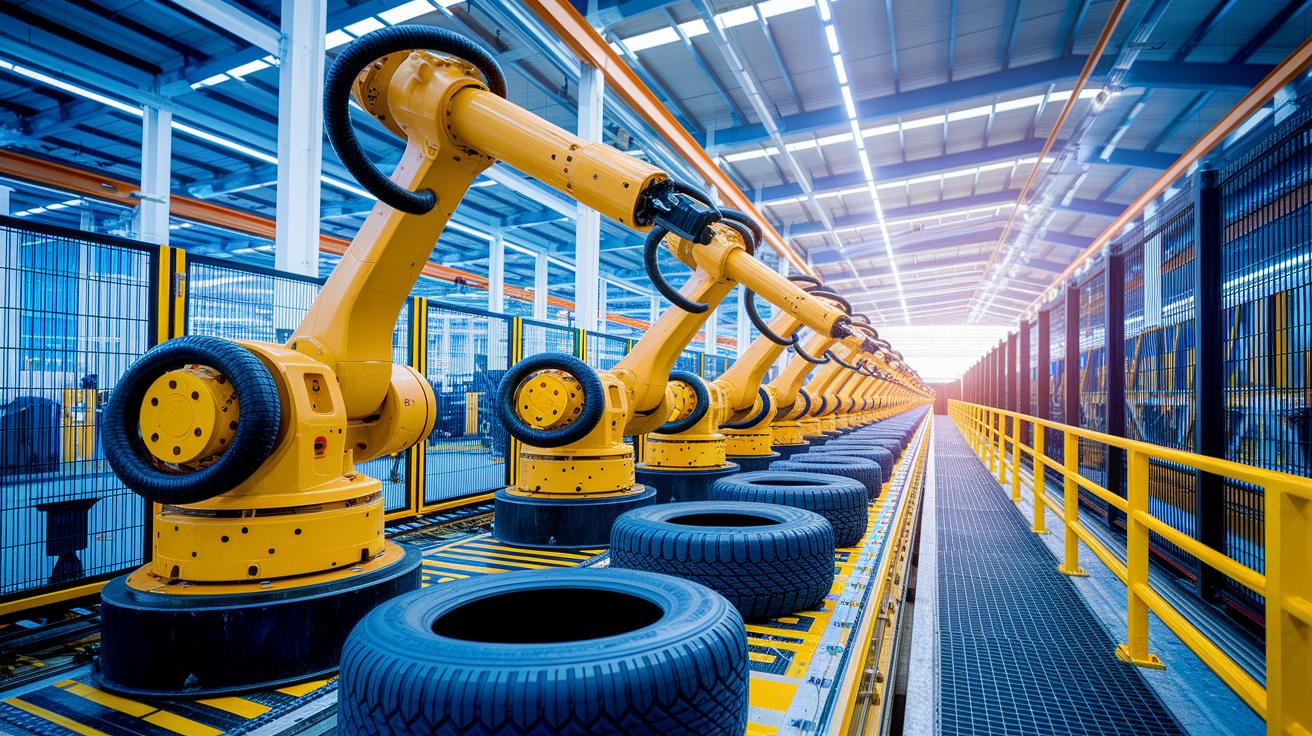
Right from the start, smart machines kick off tire production by carefully mixing the rubber. They adjust the blend based on simple sensor signals (little devices that check things like temperature and consistency) so that every batch turns out just right. It’s a bit like a great chef who adds each ingredient in perfect measure, making sure nothing is off.
Robots then take the stage to build the tires with super-precise accuracy (down to a few tiny measurements). They handle jobs like shaping and hardening the tire much the same way a reliable machine on autopilot never skips a beat. Plus, thanks to lightweight computer systems known as industrial IoT (tech that connects machines to share updates in real time), every part of the line stays efficient without getting tired like us.
Next, smart scheduling uses the same sensor signals to tweak the workflow in real time, keeping everything on track. Flexible production setups and custom smart tech systems set up the scene for a fully automatic tire-making process. For a look at complete automation solutions where modern tech meets tire production for an even smoother ride, check out tire manufacturing technology at tityres.com.
Predictive Maintenance Enabled by AI-Driven Tire Manufacturing Technology

Ever wonder how tire makers keep their machines running without surprises? They use smart AI systems that keep a constant watch over equipment. These systems check key signs like temperature, vibration, and pressure (that’s the force against the tire during use) every second, almost like a dedicated mechanic keeping an eye on things.
Then, using machine learning (computers learning from past data), these systems look at old records to spot tiny changes. This is like noticing a small rise in temperature and getting a little alert, just like your car’s dashboard warning you when something’s off. It helps catch problems early before they turn into big, expensive fixes.
Predictive maintenance also sets up a smart schedule for repairs, cutting unexpected downtime by around 30% and saving money. Automated alerts let the team know exactly when parts need a check-up, so repairs happen in time. When these sensors and analytics team up, they create a clear picture of the equipment’s health. This means maintenance crews can act fast and confidently, keeping the tire manufacturing process running smooth and steady.
AI-Driven Tire Manufacturing Technology for Enhanced Quality Control
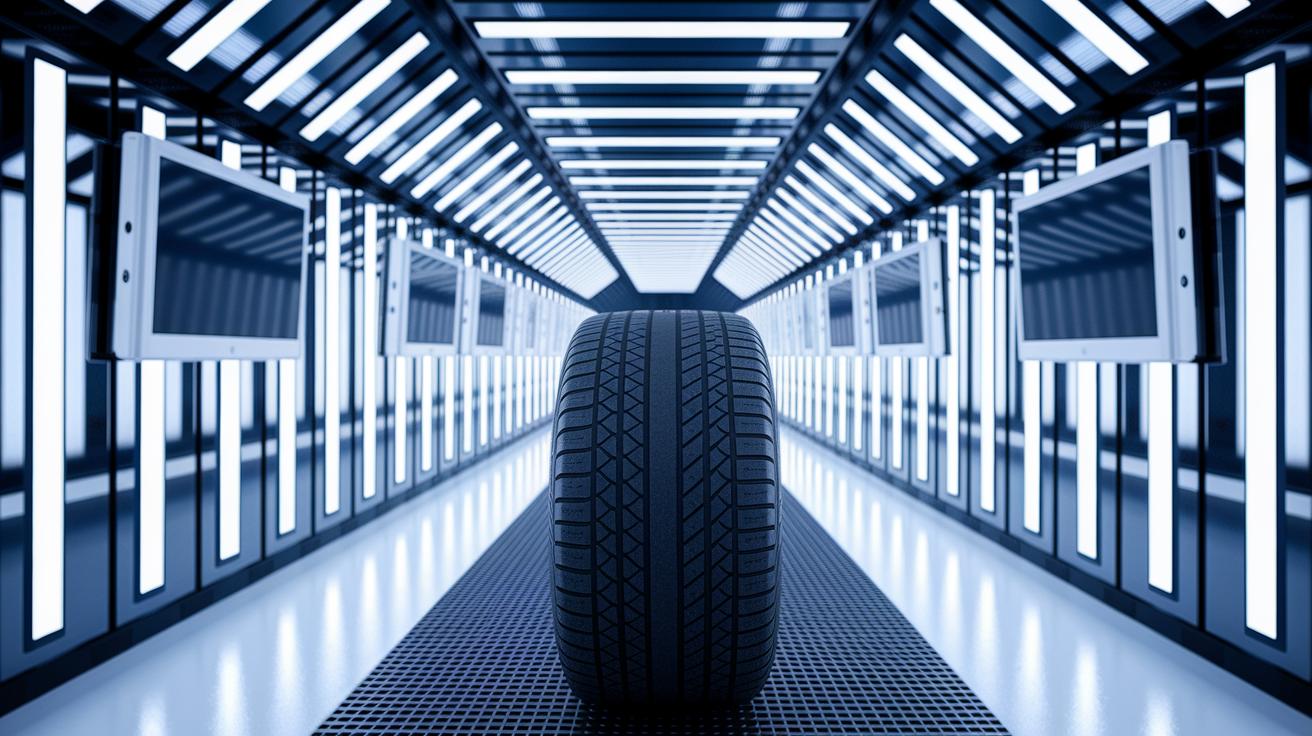
These new AI tools use smart cameras and sensors to spot problems that might slip past human eyes. They take high-quality pictures and check each tire for sidewall cracks, uneven tread patterns (the grooves that help your tire grip the road), or even hidden flaws in the tire’s structure. Since the sensors never sleep, the inspection happens non-stop, which means no mistakes caused by tired workers.
Machine Vision for Defect Detection
High-resolution cameras work with clever computer software that acts like extra eyes for the tire. Imagine a system that immediately catches even a tiny crack on the tire’s side. It’s like having a friend who is always watchful, making sure each tire is up to scratch before it heads out on the road.
Non-Destructive Testing Enhancements
Techniques like X-ray and laser checks get a boost from smart AI algorithms that take a closer look at a tire’s inner parts. These tests don’t harm the tire at all, yet they can find hidden issues. Think of it as a safety net that peeks beneath the surface to ensure every tire is solid and reliable from the inside out.
Continuous Quality Improvement
Smart data work is at the heart of this process. As the system gathers information over time, it learns to catch defects earlier and fine-tunes the production process. This means every tire gets the same careful attention, and the quality keeps getting better with every round of production.
Leveraging Data Analytics in AI-Driven Tire Manufacturing Technology
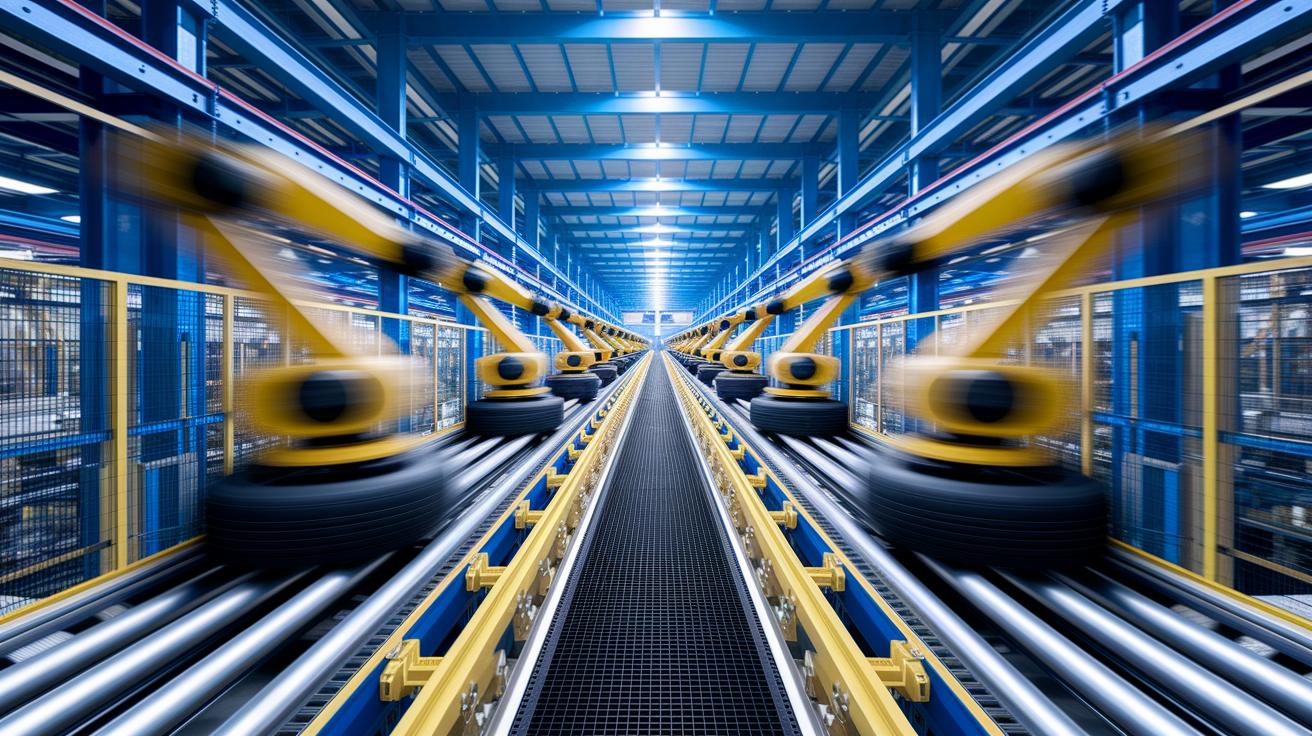
AI is making tire production a lot smoother. These smart systems look at past sales and market trends to guess tire demand and adjust the production line like a digital dashboard showing energy use and performance stats. It’s a bit like having a car’s speedometer that helps you know you’re going the right pace.
Digital twin technology is another cool tool. It builds a virtual version of a tire so manufacturers can try out new ideas without any messy trial and error in real life. This method keeps the inventory just right through automated supply chain checks while making sure production stays steady and in tune with market trends.
Data analytics also plays a big part in keeping supply chains smart. Advanced algorithms handle everything from predicting tire needs to managing stock levels, ensuring each tire is made exactly when it’s needed. Imagine a system giving clear, real-time advice, kind of like a trusted mechanic fine-tuning your engine. These digital tools balance production, cut down on energy waste, and keep operations running as smoothly as a well-oiled engine.
Case Studies in AI-Driven Tire Manufacturing Technology
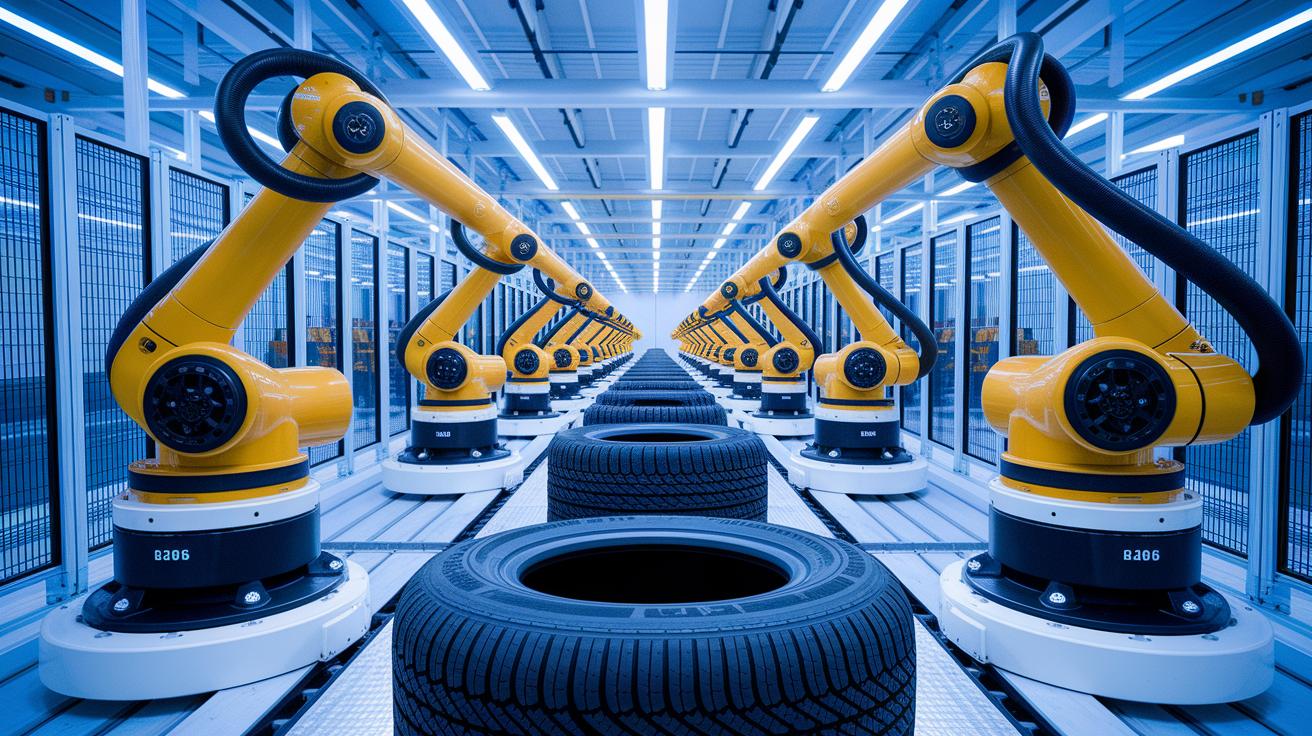
Smart technology is shaking up tire factories in a big way. Take the UltraContact NXT series, for instance. They mix in advanced recycled materials like silica (a hard natural ingredient from rice husk ash) and recycled PET (plastic reused from bottles) with the help of AI. This clever blend makes the tire about 15% lighter.
Then there’s a major tire company that set up an automated manufacturing line that works almost on autopilot. This smart move cut downtime by 30%, keeping everything running smooth and steady. Another cool project used a digital twin (a real-time virtual model) linked with blockchain to bring more clarity to the supply chain. This not only made tracking easier but also cut material waste by 20%.
These examples show how smart ideas can boost production and promote eco-friendly ways, all while keeping quality high. Next, check out the table below for a quick look:
| Company | AI Application | Outcome |
|---|---|---|
| UltraContact NXT Series | AI mix of recycled materials | 15% lighter tire |
| Leading Tire OEM | Fully automated manufacturing line | 30% less downtime |
| Digital Twin Project | Blockchain-linked supply tracking | 20% less material waste |
These case studies show how smart tire technology is changing the way tires are made. A mix of automated production, real-time virtual models, and eco-friendly processing is setting a new pace for efficiency and inspiring ongoing improvements in the industry.
Final Words
In the action, we explored how ai-driven tire manufacturing technology reshapes every step from mixing and molding to real-time monitoring and quality checks. We looked at smart systems that predict equipment needs and optimize production for better, safer tires.
The approach ties together automation, predictive care, and advanced quality control. It leaves us confident in how new digital tools make tire production more precise, efficient, and honest. Stay positive as these innovations drive safe, reliable rides.
FAQ
What is AI-Driven Tire Manufacturing Technology?
The AI-driven tire manufacturing technology uses smart systems and sensors to optimize production, improve quality control, and plan maintenance, resulting in better performance and lower costs.
How does AI improve process automation in tire production?
AI boosts process automation by fine-tuning mixing, molding, and assembly stages. It employs robotics and IoT systems to deliver precise tire building and seamless workflow adjustments.
How do predictive maintenance systems work in tire production?
The predictive maintenance systems work by monitoring equipment with sensors and analyzing data with machine learning. This allows for timely repairs, reducing unexpected downtime and keeping production steady.
What role does machine vision play in tire quality control?
Machine vision plays a key role in tire quality control by using high-res cameras and neural networks to detect defects like sidewall cracks and tread issues, ensuring the tires meet strict quality checks.
How do data analytics tools support tire manufacturing efficiency?
Data analytics support tire manufacturing by evaluating production trends, market data, and supply chain details. This insight helps plan inventory, cut costs, and improve overall production efficiency.
Can AI and digital tools reduce production costs and environmental impact?
AI and digital tools help lower production costs by optimizing energy use and material selection. They also contribute to reduced waste and a smaller environmental footprint in tire manufacturing.

