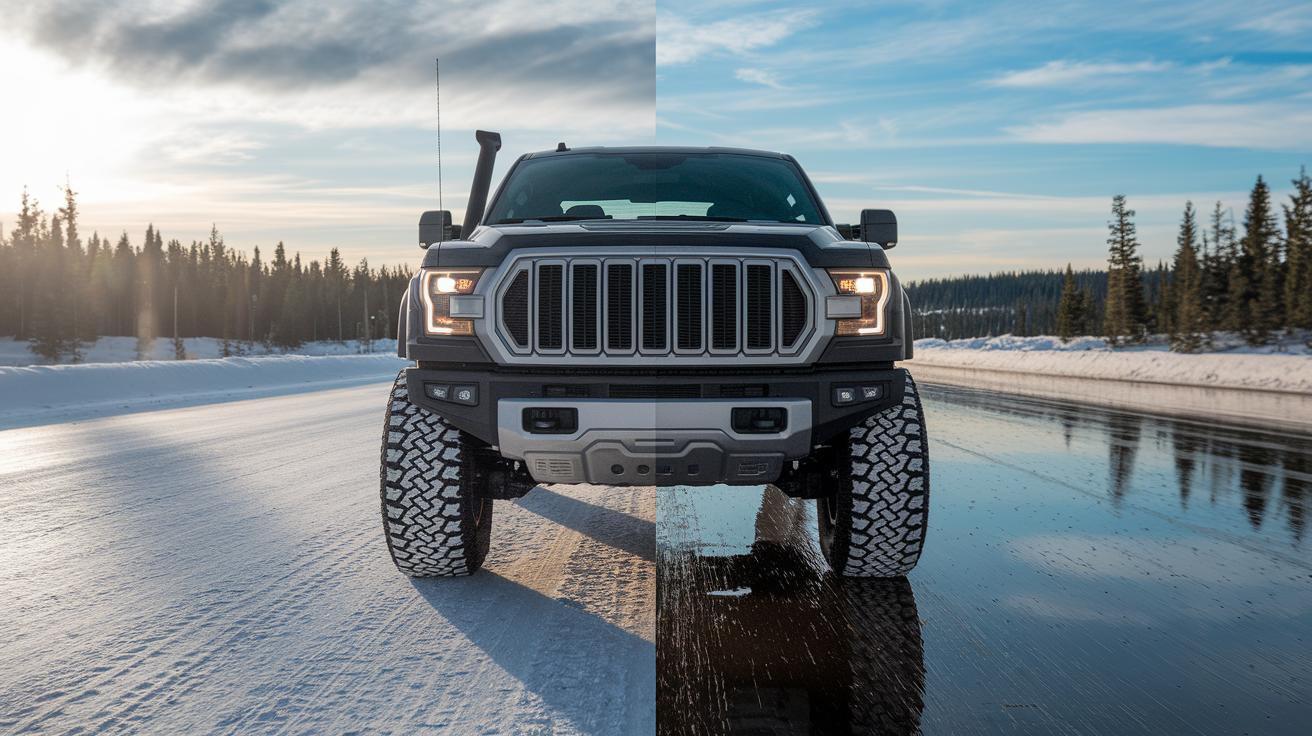


Ever wondered how your truck handles when the weather changes? All season light truck tires are built to keep you safe and steady, whether the road is wet, dry, or a bit chilly. Imagine tires that hold up well even when you're hauling heavy loads, giving you a smooth and confident ride every time you hit the road. With tough builds and durable treads (the grooves on your tire that grip the road), these tires work hard to provide long-lasting traction and smart performance throughout the year. In this post, we’ll explain why these tires might just be the best choice for your everyday driving.
Why All-Season Light Truck Tires Are Essential Year-Round
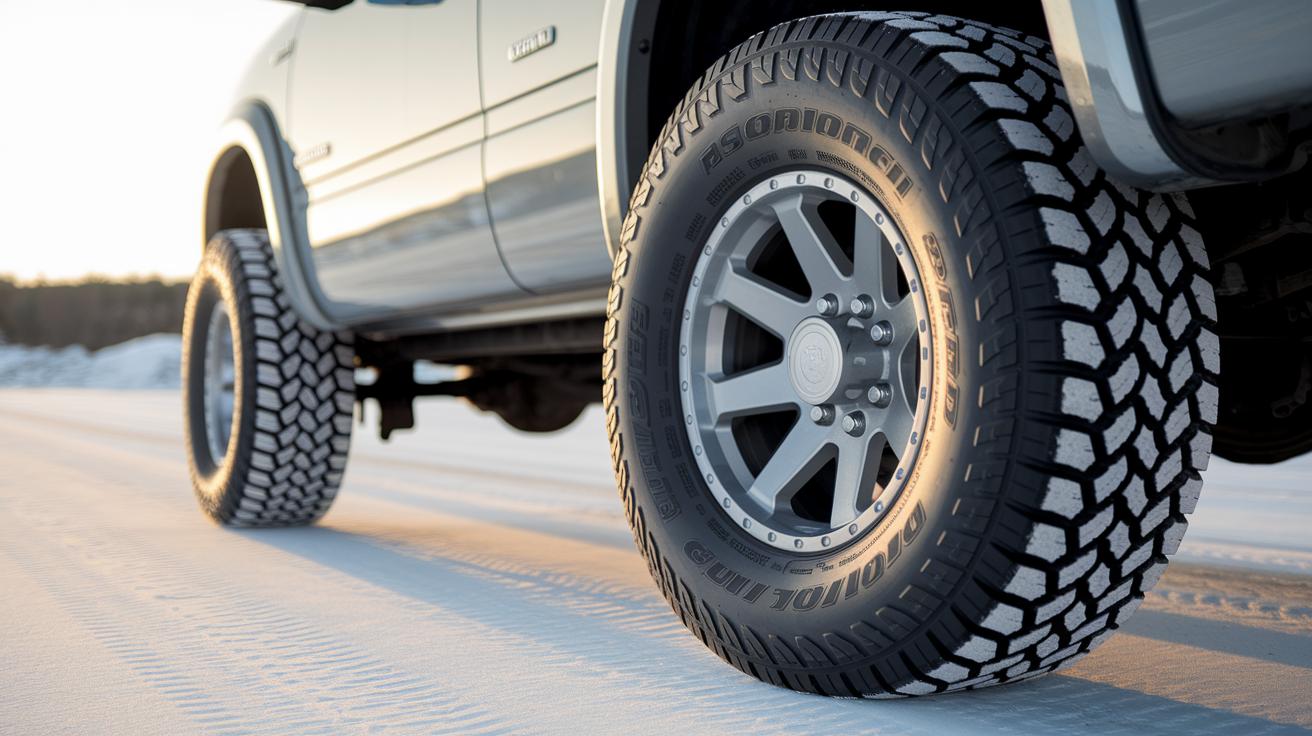
All-season light truck tires give you steady traction whether it’s wet, dry, or even a bit nippy in winter. They usually come with tread depths of about 10/32" to 12/32", which helps them last longer and grip the road better. No matter if you're cruising city streets or exploring rougher paths, these tires are built to handle it all.
A cool feature is their extra-strong sidewalls that keep your truck more stable when you're hauling heavy loads or towing. Ever feel the difference when your ride is smooth and secure? These tires even wear weather marks like the Three-Peak Mountain Snowflake (3PMSF, a sign the tire is tested for snowy or slushy roads) and the M+S symbol, which means they perform well on variety of surfaces.
They also boast advanced rubber compounds that bring a hint of racing tech to your daily drive. This gives them a sporty edge for those fun drives while still being practical for your everyday commute. Many brands cover these tires with a warranty for around 50,000 to 60,000 miles, and some even let you try them for 90 days if you’re not sure it’s the right fit.
With their year-round grip and sturdy design, these tires are like a reliable friend that’s always ready for the journey, come rain, shine, or a light dusting of snow.
Top Rated All-Season Light Truck Tires for 2025
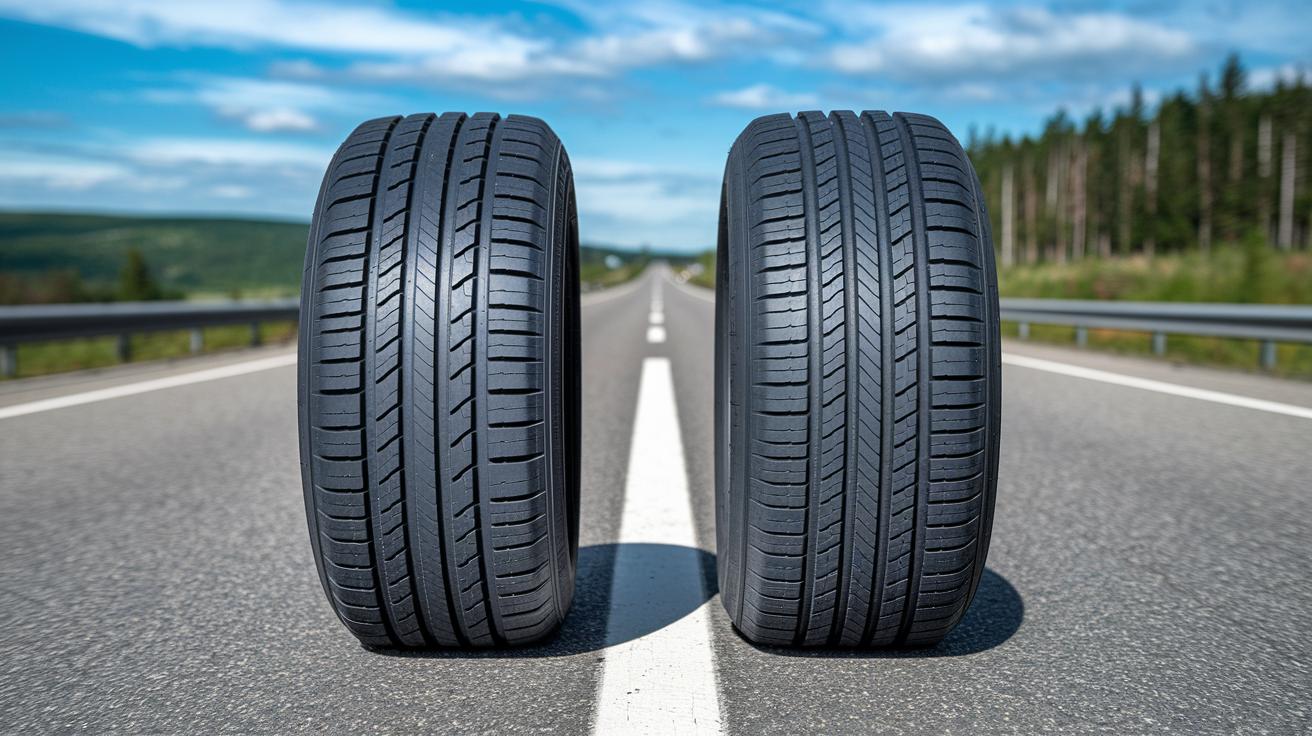
Goodyear Wrangler Workhorse HT
With a SimpleScore of 8.8, the Goodyear Wrangler Workhorse HT offers an impressive 60,000-mile tread life (that’s how long the tire’s surface lasts). Starting at about $194, this tire gives you a firm grip and a quiet ride, even on busy roads. Imagine driving for miles and still feeling safe and confident with every turn.
Bridgestone Dueler H/T 685
The Bridgestone Dueler H/T 685 scores an 8.6 overall and a strong traction rating of 9.3. It comes with a 50,000-mile warranty on select sizes and is available from around $181. This tire is built for heavy-duty stability and its stylish sidewalls add a dash of flair. It’s a great match for both your work trips and off-road adventures.
Nokian One H/T
Boasting an 8.6 SimpleScore and a 55,000-mile warranty, the Nokian One H/T uses special Aramid Technology (a tough material that boosts durability) to handle heavy loads. Priced from about $147, it stands strong under pressure and keeps a steady grip in all kinds of weather. Think of it as a tire that’s as rugged as it is reliable, designed to suit heavy pickups perfectly.
Hankook Dynapro HT2 (RH14)
Earning a SimpleScore of 8.6 along with a longevity score of 9.1, the Hankook Dynapro HT2 (RH14) is priced from $154 and carries a 50,000-mile warranty. This tire consistently performs well while keeping the road noise low. Imagine enjoying a calm, quiet drive on long highway stretches, where every mile is taken in a peaceful, comfortable ride.
RBP Guarantor H/T
The RBP Guarantor H/T offers a SimpleScore of 8.1 and comes with a generous 60,000-mile warranty. Starting at just $88 per tire, it provides dependable traction and even includes a 2-year limited replacement policy. This tire is ideal if you’re looking for a balance between cost-effectiveness and the safety you need on the road.
Comparing Specifications of Leading All-Season Light Truck Tires

We break down all the important details for each tire so you can see what matters at a glance. Each review covers key points like tread depth (how deep the grooves are, measured in 32nds), warranty mileage (how many miles it’s guaranteed to last), the load range (the weight it can carry), price, and a performance rating.
For example, the Goodyear Wrangler Workhorse HT stands out with a 60,000-mile warranty and a SimpleScore of 8.8. This score shows it handles different weather conditions well.
We’ve set up each tire’s section with these facts to give you a clear, straightforward look at how each one can match your truck’s needs. This easy-to-read layout helps you quickly find the tire that’s right for your driving style.
Pros and Cons of All-Season Light Truck Tires
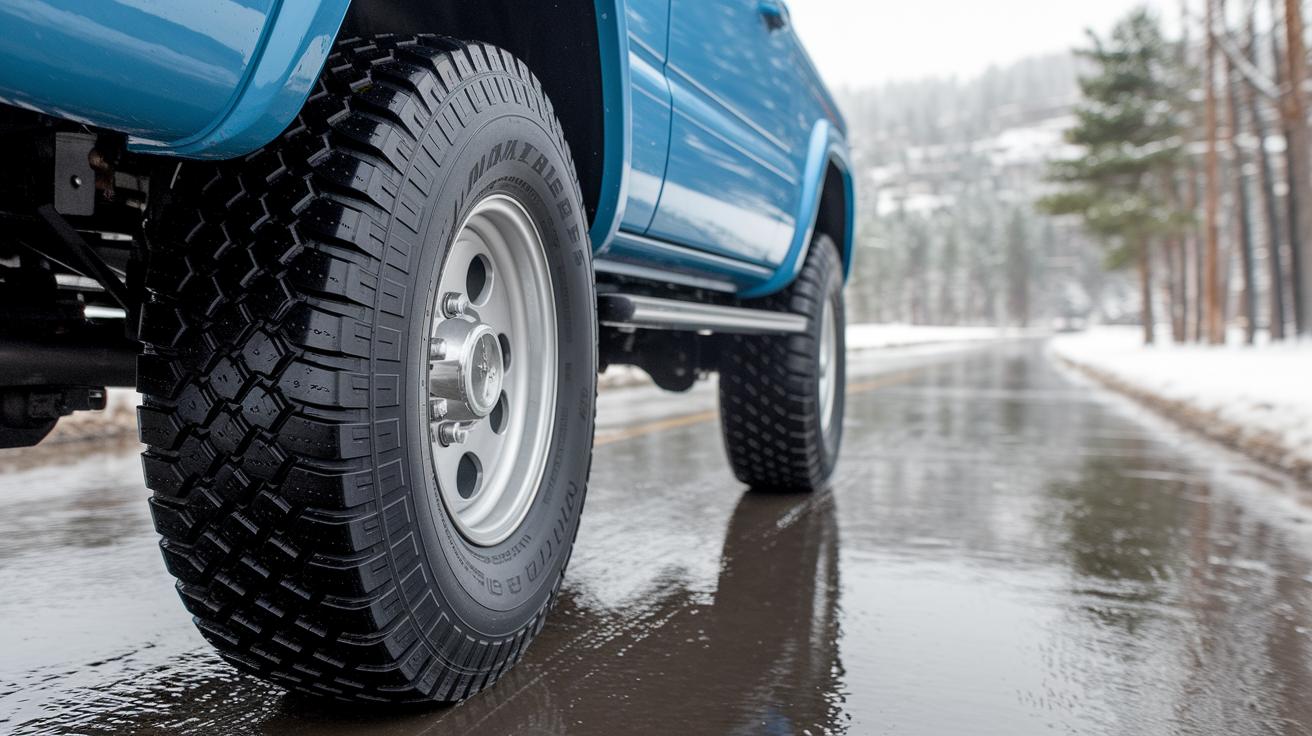
All-season light truck tires work well in many types of weather. They use special tread compounds (the mix of rubber that touches the road) and designs that help your truck stay steady whether it's wet, dry, or even a bit snowy. Let’s chat about the good and not-so-good points to help you decide if these tires match your driving needs.
Pros:
- They give solid grip on both wet and dry roads so you feel safe no matter the weather.
- They have M+S and Three-Peak Mountain Snowflake ratings (badges that show they can handle light snow) to prove they’re ready for winter moments.
- The extra-strong sidewalls mean they can carry heavy loads and pull trailers with confidence.
- With warranties covering 50,000 to 60,000 miles, you get peace of mind about their durability.
- They offer a nice balance of cost and performance, making them a smart choice all year round.
Cons:
- They don’t perform as well in deep snow because the tread isn’t as heavy-duty.
- Under very hot conditions or when towing heavy loads, they might wear out faster.
- You might notice a bit more road noise compared to tires that are built just for highways.
- They don’t cool down as well during extremely hot summer days.
- For the best performance in harsh winter or off-road situations, specialized tires might do a better job.
Overall, these points give a clear picture for those who drive through both city streets and rougher roads. It’s all about finding the tire that fits your unique journey.
How to Select the Best All-Season Light Truck Tires for Your Ride

Start by checking that the tire's load index (a number showing how much weight a tire can safely handle) and speed rating match your truck's maximum weight and towing needs. It's a bit like making sure your shoes fit before a long run, helping you feel sure about your ride's safety.
Next, take a look at the tread compound, which is the mix of rubber that lets the tire stay flexible in different temperatures. A good tire will adjust well from cool mornings to warm afternoons without getting too hard or soft. Look for the M+S mark (meaning it works well in mud and snow) and the Three-Peak Mountain Snowflake badge as signs that the tire can handle light winter weather and everyday driving.
Then, check the sidewall strength to see if the tire can manage bumpy off-road paths or heavy loads. Sturdy sidewalls help keep your ride smooth and protect against scrapes and chips.
Finally, compare warranties, prices, road noise levels, and even how the tire might affect your fuel economy to find the best match for your driving style and budget. Picking the right tire means weighing how it handles weight, weather, and cost, all to help you enjoy a safer, smoother journey.
Maintaining Your All-Season Light Truck Tires for Maximum Longevity

Keep your tires in great shape by making a few simple checks a regular part of your routine. Every month, take a quick look at your tire pressure (PSI) to make sure they’re properly inflated, kind of like glancing at your fuel gauge before a long drive. This small step can help you avoid problems down the road.
Rotate your tires every 5,000 to 7,000 miles to help wear distribute evenly. It’s just like swapping seats on a long trip to keep everyone comfortable. Need a little extra guidance on how to do this? Check out tityres.com for some helpful tips.
Don’t forget to book an annual alignment check, too. Think of it like adjusting your headlights before setting off on a journey, it keeps everything steady and safe. Each month, take a few minutes to look over your tires for cuts, bulges, or shallow spots in the tread. Removing any stones or debris you find helps water drain off properly and keeps your tires safer on wet roads.
Following these steps not only gives you a smoother ride but also helps protect your tire warranty over the long haul.
All-Season vs Winter and All-Terrain Options for Light Trucks

All-season tires are made to handle a range of everyday driving conditions. They work well on wet and dry roads and even in a little bit of snow. They come with about 10–12/32" of tread, some moderate siping (small cuts in the tread that help push water away), and earn both M+S and Three-Peak Mountain Snowflake ratings. It’s like having one tire that adapts to many situations, giving you steady control, even when it starts getting chilly.
Winter tires, on the other hand, use special rubber that stays soft when it’s really cold. They also have extra siping so they grip ice and hard-packed snow better. Think of winter tires as that extra boost when temperatures drop well below freezing. If you’re weighing all-season against all-weather options, winter tires offer a boost for those harsher, colder days.
All-terrain tires are a different kind of ride. They lace on aggressive lugs (the deep patterns you see in the tire tread) that help you grab rough, off-road surfaces better. These lugs make it easier to control your truck on bumpy paths as well as on regular roads. But they might be a bit louder and can lower fuel economy compared to all-season tires.
In the end, picking the right tire depends on your needs. If you mostly drive on paved roads and face only light winter weather, all-season tires can be just right. But if you deal with heavy snow or love getting off the beaten path, winter or all-terrain tires might be the smarter pick.
Final Words
In the action of testing these tires, we covered everything from dependable grip in varying weather to solid warranty support and confidence behind every ride. We broke down top models, compared their key specs, and shared practical care advice to boost tire life. Regular checks keep your ride smooth and secure. All season light truck tires give you the calm you need on the road ahead, making every mile feel safe and steady.
FAQ
Frequently Asked Questions
Q: What is the best all season tire for a light truck?
A: The best all season tire for a light truck offers dependable grip on wet, dry, and light snowy roads. Its balanced tread depth and sturdy sidewalls help handle daily driving and heavy loads.
Q: What does the 7’7 rule for winter tires mean?
A: The 7’7 rule for winter tires sets a benchmark for performance in cold conditions. It guides tire design to ensure optimal grip and safety when temperatures drop.
Q: Are LT tires good for everyday driving?
A: LT tires are good for everyday driving as they combine durability with comfort and reliable grip. They work well on city streets and highways, making them a practical choice.
Q: What is the lightest LT tire?
A: The lightest LT tire is built with advanced materials to reduce weight without sacrificing strength. This lower weight helps improve fuel efficiency and overall ride quality.
Q: Which all season light truck tires are top rated?
A: Top-rated all season light truck tires include models like the Goodyear Wrangler Workhorse HT, Bridgestone Dueler H/T 685, and Nokian One H/T. They feature proven traction, durability, and competitive warranties.

