


Have you ever thought that one set of tires could make your driving life so much easier? All-season tires work well on dry roads, in the rain, and even when there's a bit of snow, giving you a steady grip (the way tires hold onto the road). They save you the trouble of having to change tires every few months, so you can enjoy a smooth and safe ride no matter what the weather is like.
But some people say that tires made just for one condition can do a slightly better job in that situation. Still, when you look at the big picture, all-season tires keep things simple and reliable, making them a smart, all-around pick for your car.
Essential Guide to Choosing All Season Tires for Cars
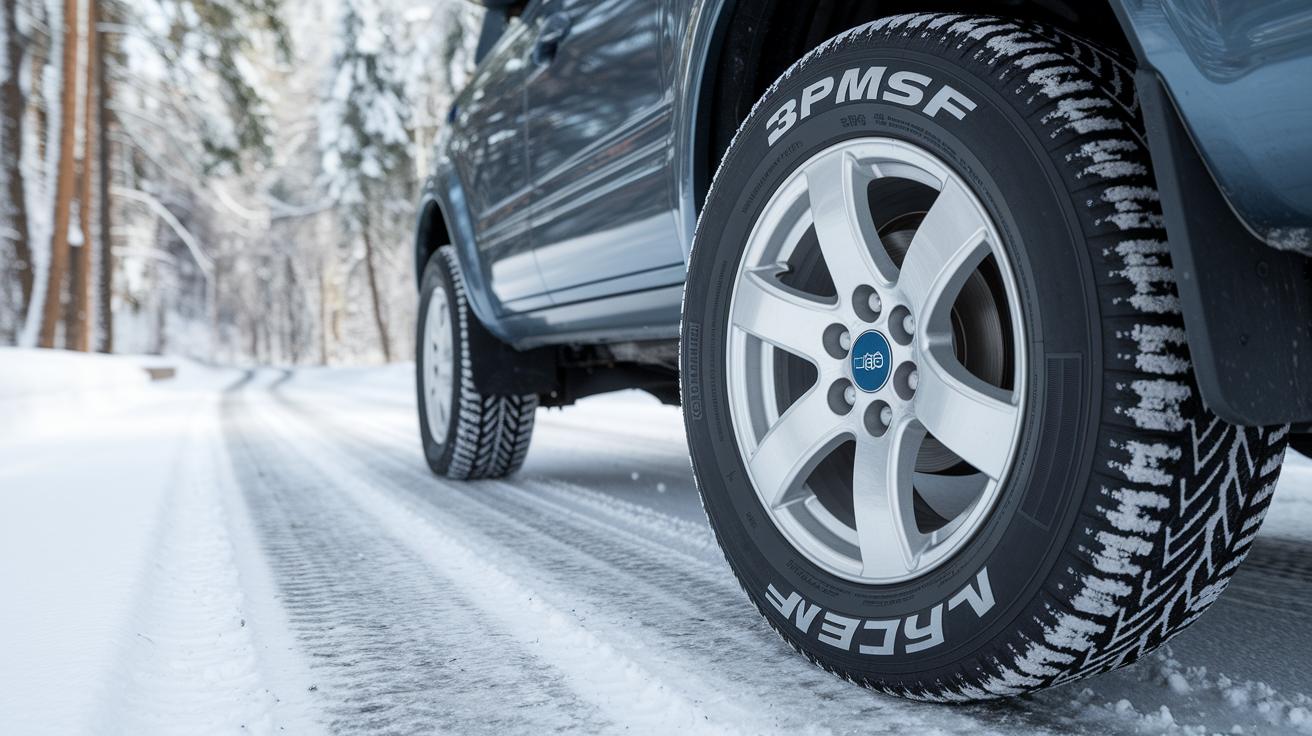
All season tires are a great choice if you want one set of tires that works well in dry, wet, and snowy conditions. They are built to a special standard called the 3-Peak Mountain Snowflake certification (which means they offer at least 110% of the grip of a regular all season tire). In plain language, these tires are made to handle snowy roads even though they might wear out a bit faster than tires made only for summer or winter.
When you look at all season tires compared to options made just for specific weather, there’s a clear trade-off. All season tires have special tread patterns and rubber blends that work all year long. Because of this, they can wear about 10–15% quicker. Still, many drivers like the convenience of not having to swap out tires every season, they get steady performance and reliable grip every day.
Recent track tests in South Bend, Indiana, confirmed these points with clear differences among top models. Pirelli Cinturato WeatherActive impressed with its excellent dry braking and strong grip in snow, and it even comes with a 6-year/60,000-mile warranty. Meanwhile, Michelin CrossClimate2 delivered balanced performance, though some found the ride a bit firm. Bridgestone WeatherPeak did remarkably well on snowy roads and was notably quiet at 65 dB(A), despite not leading on dry pavement. Goodyear Assurance WeatherReady excelled on dry surfaces but didn’t perform as well in snow. And then there’s Nokian Remedy WRG5, which offers a robust warranty, even though it has the weakest wet traction among these choices.
All Season Tires Performance Comparison in Diverse Conditions
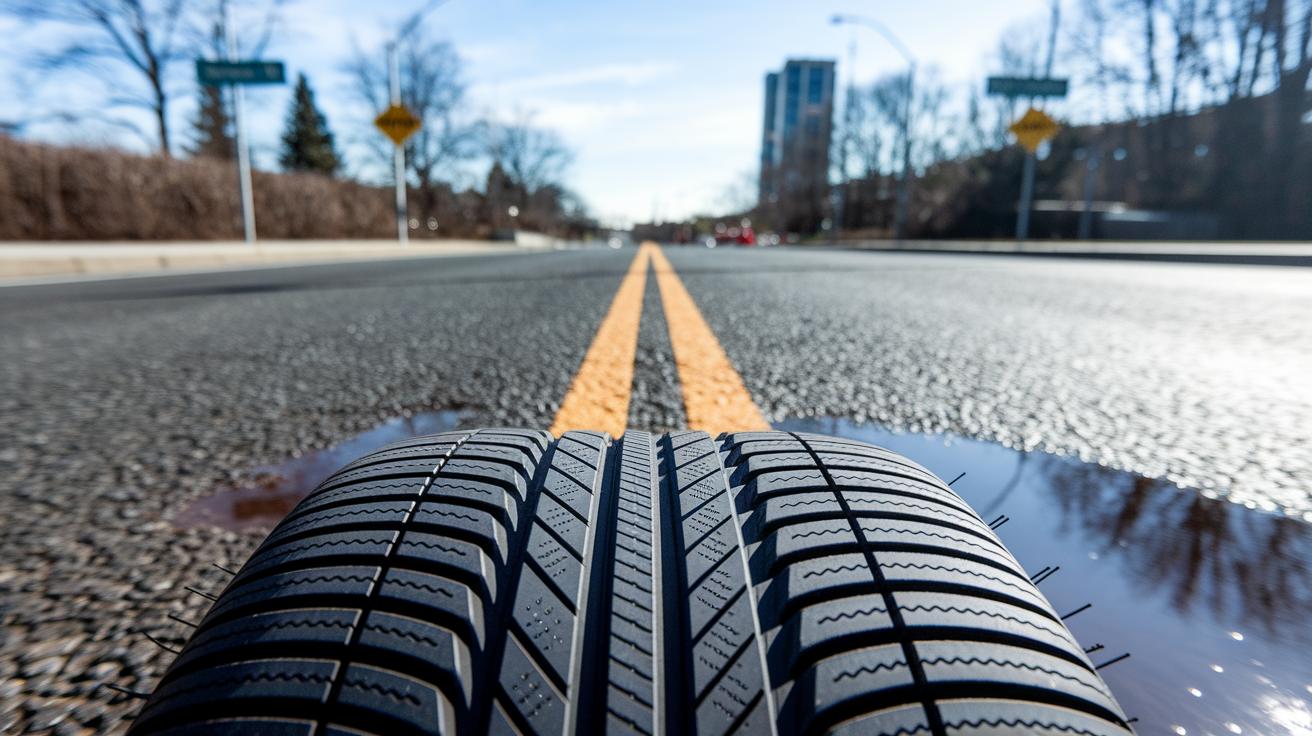
Picking the right tires is a must when you drive on dry roads, wet streets, or even snowy driveways. All season tires give you a balanced grip so you can feel safe behind the wheel. Sure, specialized summer or winter tires might perform about 10% better in certain conditions, but all season tires are great for everyday driving.
Tests at a steady 70 mph showed clear differences in how tires handle. They measured things like dry braking, wet cornering, and even acceleration in the snow. For instance, the Bridgestone WeatherPeak hit a noise level of 65 dB (like a soft hum), with most competitors not far behind.
Taking care of your tires is just as important as picking the right ones. Think of checking your tire pressure like you’d check your fuel gauge before a long trip. Keeping up with rotations and spotting uneven wear can really help your tires last longer and perform well in any weather. Recent studies show that when properly maintained, several all season models not only keep a steady grip and low noise levels across different conditions but also stand the test of time.
Durability and Tread Life Considerations for All Season Tires
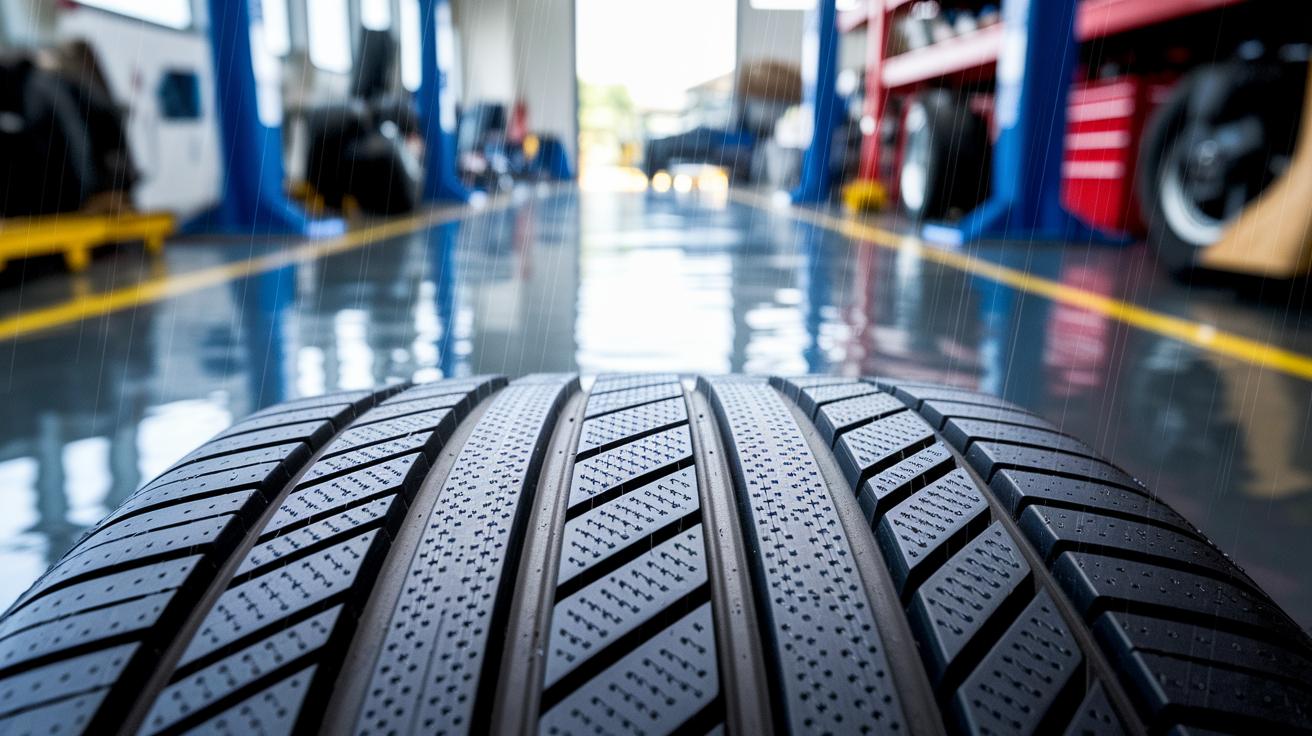
Tire wear depends a lot on the ingredients used and how the tread is made. For instance, tires with extra silica (a substance that helps your tires grip wet roads) can feel great in the rain but might wear out a bit faster. In simple terms, while a high silica mix gives you better grip when it’s wet, it might wear out 10–15% sooner than a tire with a standard mix.
Warranty details can also tell you about tire longevity. Take the Pirelli Cinturato WeatherActive, for example, it comes with a 6-year/60,000-mile promise, which is a bit more than many all season tires that usually offer a 5-year/50,000-mile guarantee. Many drivers find that if they cover lots of miles, they might need to swap out their all season tires more often.
How you drive and look after your tires can make a big difference too. Keeping a steady speed, checking your tire pressure regularly, and rotating them from time to time can help slow down the wear. A few simple maintenance steps really go a long way in keeping your ride smooth and your tires lasting longer.
Smart Maintenance Tips for All Season Tires on Cars
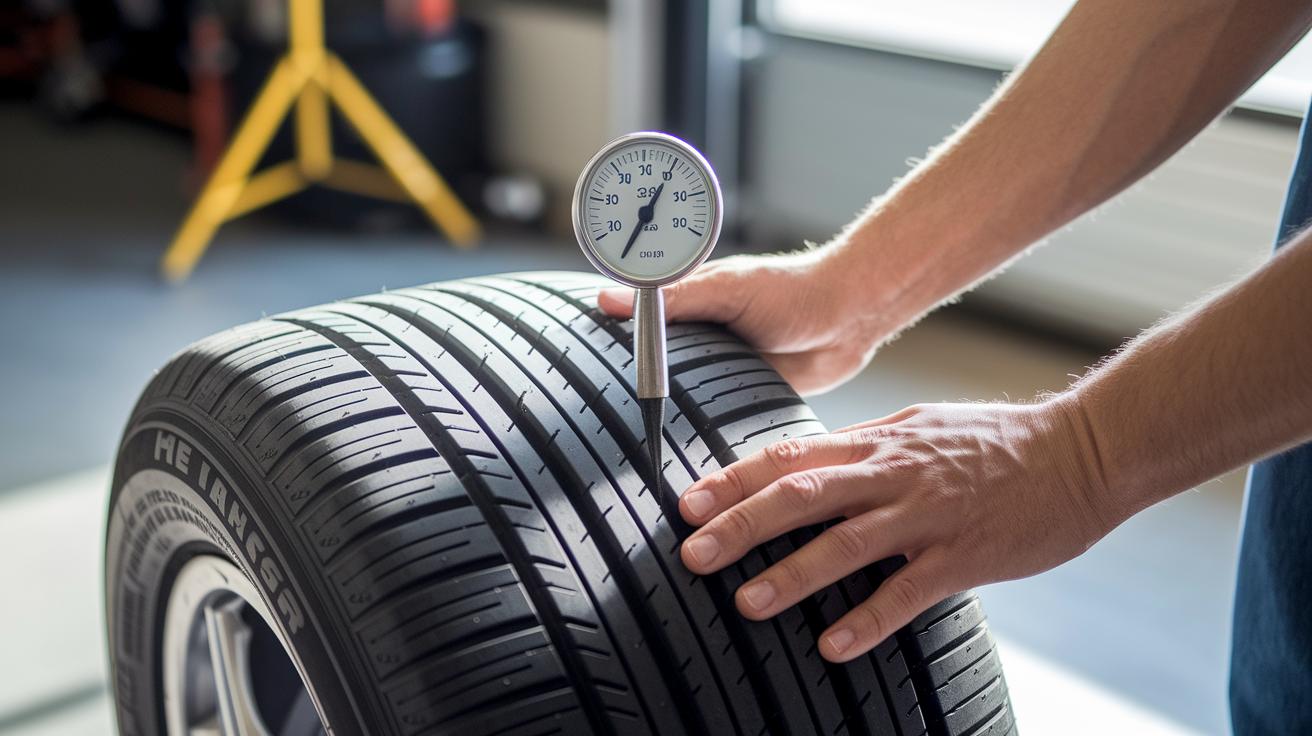
Taking care of your all season tires makes your ride smoother and helps protect your investment over time. A bit of simple upkeep can go a long way, even if you’re using one set all year. It might wear them out about 10–15% faster compared to having separate tires for different seasons, but a little care makes all the difference.
Here are some friendly tips:
- Check your tire pressure every month and adjust it to your car’s recommendation. That’s usually around 30–35 psi.
- Rotate your tires every 5,000 to 8,000 miles. You can use an X-pattern or follow your car manufacturer’s advice.
- Look at the tread depth every month. When it reaches 4/32″, think about getting new tires for better safety on wet or snowy roads.
- Balance and align your wheels at least once a year, or after you’ve hit a pothole.
- Give your tires and rims a good cleaning to keep rust and wear caused by chemicals at bay.
- Store any spare or seasonal tires in a cool, dry spot, far from direct sunlight.
Regular check-ups like these keep your tires in top shape, letting them ride quieter and handle better. Plus, staying on top of pressure, rotation, and alignment helps you stick to warranty rules that many manufacturers require. It’s like giving your tires a little extra boost, making every trip a smoother, safer journey.
Top All Season Tire Picks and Expert Reviews for Cars
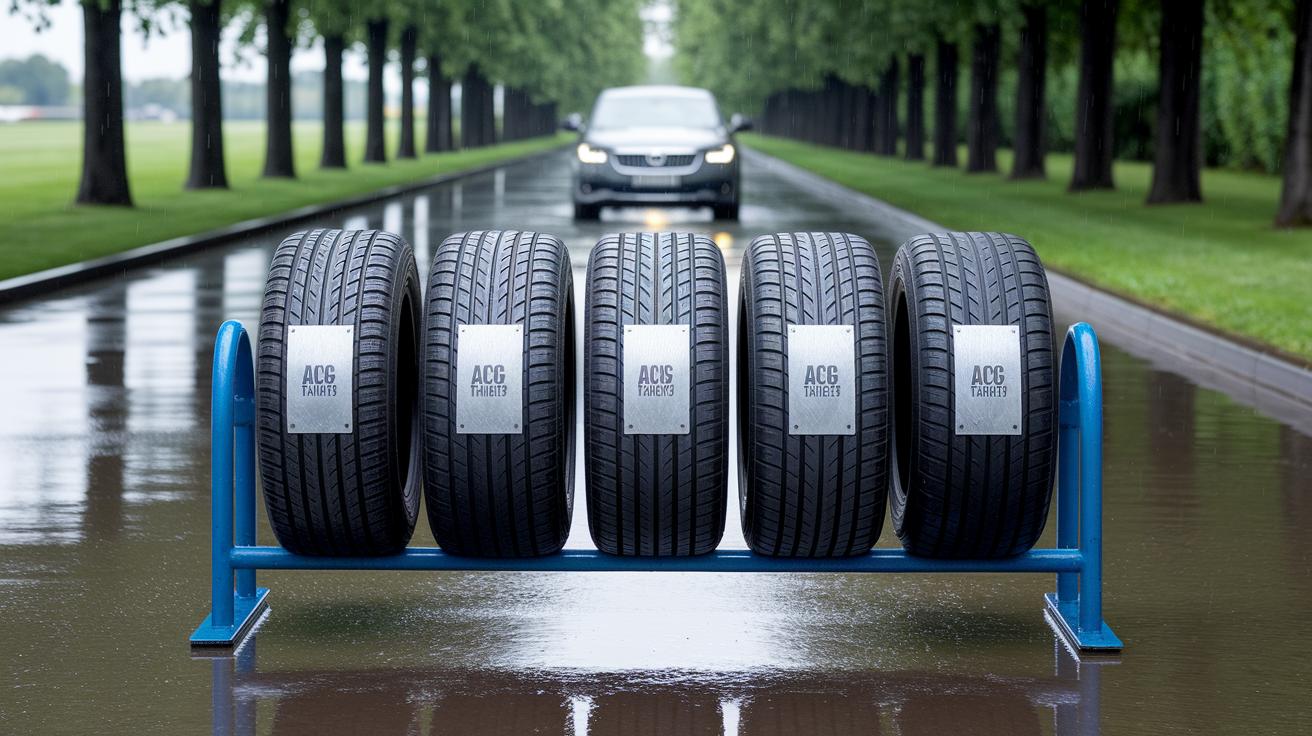
Fresh tests and customer reviews have given us new insights into what makes each tire unique. The latest results show that all five tires handle wet and dry roads solidly, but there are differences in ride comfort, noise, and warranty details. One driver mentioned that switching to the Michelin CrossClimate2 made rainy day driving feel surprisingly balanced. This review brings together test numbers, updated features, and real driver stories in one friendly look.
| Tire Model | Updated Test Results & Features | User Feedback |
|---|---|---|
| Pirelli Cinturato WeatherActive | Great grip on dry roads, a solid 6-year/60,000-mile warranty, and a firm ride | Drivers feel a real boost in confidence on dry roads |
| Michelin CrossClimate2 | Even performance on dry, wet, and snowy roads with a smooth ride | Users love the consistent, comfortable drive in changing weather |
| Bridgestone WeatherPeak | Top-notch traction in snow and almost silent at 65 dB | Praised for its quiet performance on highways |
| Goodyear Assurance WeatherReady | Strong on dry roads though not as good in snow, with a 60,000-mile warranty | Favored for city driving, though opinions on snow handling vary |
| Nokian Remedy WRG5 | Best warranty of the lot, approved for snow (3PMSF), with a bit lower wet grip | Drivers love the warranty even if the wet grip isn’t as strong |
Built on new tests and honest driver feedback, this review offers extra insights without repeating old details.
Final Words
In the action, we explored how all season tires for cars offer solid grip and dependable safety on wet, dry, and snowy roads. We reviewed performance tests, compared trusted models, and broke down smart tips for tire care. Simple maintenance steps and clear comparisons help boost road confidence. Each part of the guide paints a clear picture of how quality tire selection and care can enhance your driving experience. Enjoy the ride knowing your tires are ready to tackle every twist and turn ahead.
FAQ
What are the best all season tires for SUVs?
The best all season tires for SUVs offer balanced dry handling, reliable wet grip, and solid snow traction, making them a trustworthy choice for varied weather conditions.
Which all season tires are best for cars, including budget options?
The best all season tires for cars provide steady performance on dry, wet, and light snow roads while budget-friendly options still meet safety and everyday driving standards.
What does all-season tire mean?
The all-season tire meaning refers to a tire built to work well in varying conditions year-round, often marked with a 3-Peak Mountain Snowflake symbol to show tested snow traction.
How do the best all season tires perform in snowy conditions, especially for SUVs?
The best all season tires for snowy conditions, including SUV models, deliver enhanced snow traction along with balanced performance on dry and wet roads for everyday driving.
Do Walmart stores offer all season tires?
All season tires available at Walmart combine good value with everyday performance, offering a range of models suited for drivers looking for cost-effective, reliable tire options.
Are all season tires good for your car?
All season tires are good for your car as they offer balanced performance for year-round use, though severe winter weather might call for tires built specifically for harsher conditions.
How much should 4 new all season tires cost?
The cost for 4 new all season tires varies by brand and features but generally ranges between $400 and $800, reflecting differences in performance, warranty, and overall quality.
Can I use all season tires in winter?
Using all season tires in winter works for mild cold and light snow; however, harsher winter conditions may call for dedicated winter tires to ensure peak traction and safety.
Which is better, all season or all weather tires?
All season tires provide balanced everyday performance, while all weather tires include extra markings for stronger snow traction, making them preferable in areas with frequent heavy winter conditions.
What is notable about the Pirelli Cinturato Weatheractive?
The Pirelli Cinturato Weatheractive shines with strong dry performance, reliable wet handling, steady snow grip, and a robust 6-year/60,000-mile warranty, making it a solid overall choice.
What does the Goodyear Assurance WeatherReady 2, 255/55R20 Assurance Comfortdrive offer?
The Goodyear Assurance WeatherReady 2, 255/55R20 Assurance Comfortdrive is known for steady dry grip and overall solid performance, though it may struggle slightly in heavy snow compared to competitors.
How do Michelin CrossClimate2 tires perform, especially the XL 195/45 R version?
The Michelin CrossClimate2 tires deliver balanced all-weather performance with the XL version offering a firm ride, confidently handling dry roads, wet conditions, and moderate snowfall.
What distinguishes the Pirelli Scorpion Weatheractive?
The Pirelli Scorpion Weatheractive is designed for SUVs and light trucks, balancing dry and wet performance with adequate snow traction through its specialized tread design.
What are the key features of Bridgestone Weatherpeak?
Bridgestone Weatherpeak stands out with excellent snow traction and a quiet ride at 65 dB(A), though its dry road performance may not be as strong as some other leading models.

